
Daily Routine for Strong, Healthy Nails
She glanced at her hands during a morning coffee break — not to critique, but to check in. The week had been a swirl of calendar blocks, click-clacking keys, a quick sink full of dishes, a last-minute workout class. In the middle of it all, her nails told a story. A soft sheen. A small snag. A faint white mark at the edge where she’d opened a package without thinking. Nothing dramatic, just the everyday proof that life moves fast.
Let’s be honest: strong, healthy nails don’t happen on spa days alone. They’re shaped in the in-between moments — after you wash your hands, when you’re waiting for the kettle to boil, right before bed. They’re built by tiny, kind decisions that support your hands the way you support everyone and everything else. The rituals are small. The results are cumulative.
You can almost feel the smoothness that comes from consistency. The quiet confidence of clean cuticles. The soft halo of a hand cream that actually sinks in. The little glass file in your bag that saves a nail from splitting on the train. These are not vanity habits. They’re micro-acts of care that anchor you.
There’s a graceful practicality to it. Your nails are not just polish platforms — they are tools that protect fingertips, support fine motor skills, and reflect your well-being. When they’re strong, tasks feel effortless. When they’re brittle, everything snags.
If your current routine feels chaotic, you’re not alone. Many of us cycle through bursts of attention — a perfect manicure here, a month-long neglect there. But here’s the secret: a daily nail care routine doesn’t need to be elaborate. It needs to be rhythmic. Short, repeatable steps that fit your day and protect the keratin you’ve worked so hard to grow.
Imagine the arc of a day. Morning, your nails want moisture and sun protection. Midday, they need gentle habits that prevent chips and breaks. Evening, they crave recovery — a soothing reset for the cuticle and the natural nail plate. Layer in a weekly refresh and some nutrition basics, and your nails begin to behave differently. Thicker. Glossier. Less prone to peeling. And, maybe most importantly, you feel put-together in the most grounded way.
This is your guide to a daily routine for strong, healthy nails — from what to do as the coffee drips to what to swipe on before lights out. It’s not about perfection. It’s about stacking nourishing choices so your hands can carry your life with grace.
A simple, steady routine — morning protection, midday prevention, and evening repair — is the most reliable path to strong, healthy nails.
Why nail strength starts with daily rituals
Strong nails are not only genetics. They’re behavior, hydration, and gentle repetition. Your nails are made of keratin, layered like shingles. When those layers dehydrate or get rough-handled, they peel and split. When they stay hydrated and protected, they bond more tightly and resist damage.
Think of three pillars:
- Hydration: Oils and creams seal water into the nail and cuticle.
- Protection: Sunscreen, gloves, and smart habits reduce wear and tear.
- Recovery: Regular, gentle maintenance prevents small issues from escalating.
Consistency beats intensity. Five minutes twice a day outperforms an hour-long Sunday “catch-up.” And you don’t need a dozen products. A short, thoughtful lineup — cleanser, cuticle oil, a barrier-rich hand cream, SPF, and a non-drying remover — covers most needs.
The signs your nails want a reset
- Frequent peeling at the tips
- Paper-thin feel after gel removal
- Hangnails and ragged cuticles
- White stress lines or chips after minor tasks
- Nails bend easily or tear along the sides
If you see one or two of these regularly, refine your daily routine. If you notice sudden, dramatic changes in color, shape, or thickness, check with a healthcare professional to rule out infections or systemic issues.
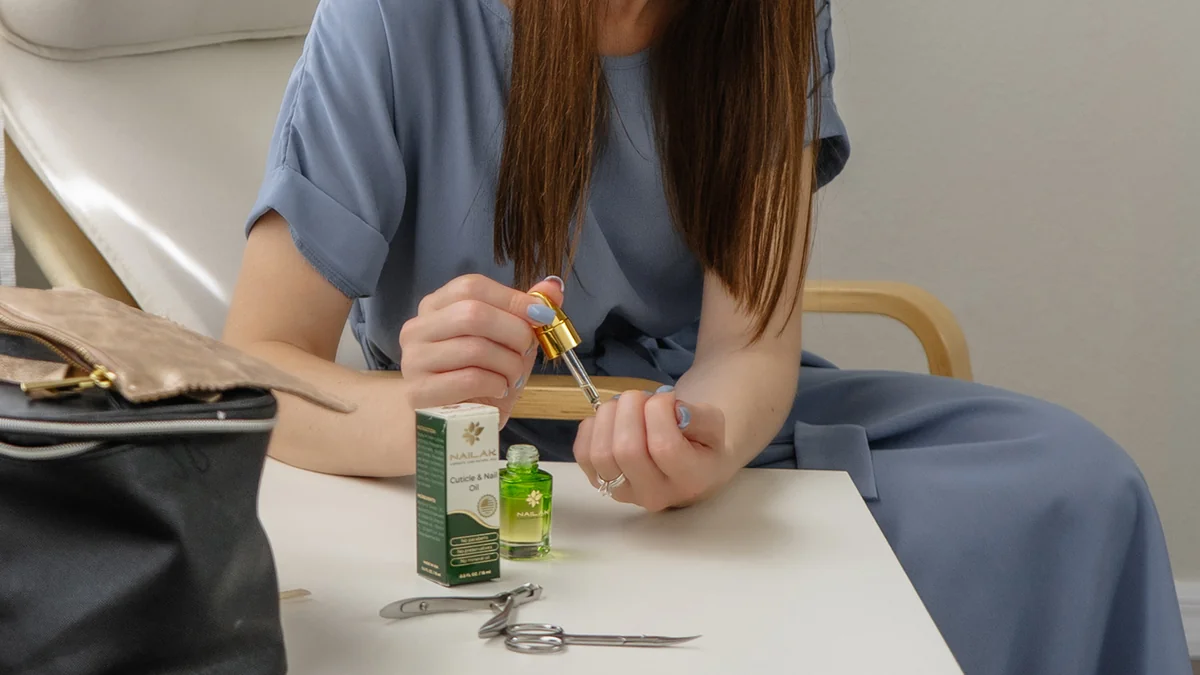
Morning ritual: Clean, condition, protect
Your morning ritual sets the tone for nail health all day. Keep it quick and sensory — a tiny wellness moment before inboxes and traffic.
Cleanse with care
Skip scalding water and harsh soap first thing. Use lukewarm water and a gentle, pH-balanced cleanser. Pat dry. Rubbing a towel vigorously can lift nail layers and fray cuticles.Add cuticle oil
Two to three tiny drops across both hands suffice. Massage into the cuticle line and underside of the free edge. Jojoba, squalane, and sweet almond oil mimic the skin’s natural lipids and sink in fast. The goal: flexibility. Hydrated nails bend; dry nails break.Seal with hand cream
Choose a cream with humectants (glycerin), emollients (shea, squalane), and a hint of occlusive (dimethicone) to lock moisture in without greasiness. Press, don’t rub, over knuckles and nail folds.Finish with SPF
Hands age quickly, and UV breaks down both skin collagen and nail integrity. Smooth a broad-spectrum SPF onto the backs of hands and tips. If you commute or work near windows, this matters.Optional strength treatment
If your nails peel, apply a breathable strengthener three mornings per week. Look for formulations that avoid formaldehyde and rely on keratin-supporting polymers. Rotate off once nails rebound.
Three quick morning wins
- Put your cuticle oil next to your toothbrush. Habit stacked, habit done.
- Keep a travel-size SPF by the door with your keys.
- Post-wash, press a pea-size cream into nails while kettle boils.
Small, repeatable cues make your routine effortless.
Midday habits that prevent breakage
Strong nails are protected not just by products, but by how you use your hands between meetings and messages.
Build a small, bag-friendly kit
- Slim glass file for snags
- Mini cuticle oil pen
- Travel hand cream
- Hydrating sanitizer (with glycerin)
If a corner catches, a few strokes with a glass file can prevent a crack from traveling. Never tear off peeling layers; it worsens the fray.
Type and text with intention
Use the pads of your fingers, not the nail tips, on keyboards and screens. This single tweak reduces micro-fractures, especially on longer shapes.
Wear gloves for chores
Hot water and detergents strip lipids. Pop on gloves for dishes, scrubbing, or gardening. It’s not fussy; it’s protective.
Rehydrate after sanitizer
High-alcohol sanitizers can dehydrate nails. Follow with a drop of oil or a dab of cream. Choose sanitizers with built-in humectants when possible.
Resist nail-as-tool moments
Keys, packaging, stickers — they’re the classic culprits. Reach for an opener or the edge of a card. Tiny decisions save length.
According to Shirley’s Wardrobe, simple weekly “favorites and finds” can spark joy and momentum; the same is true for a pocket-size nail kit that makes good habits feel easy and a little luxe.
Actionable midday tips you can start today
- Log off a call? Oil the cuticles before your next task.
- Notice a snag? File immediately in one direction only.
- Heading to the gym? Apply cream; chalk and weights dry nails.
Prevention is an all-day sport — but it takes seconds, not minutes.
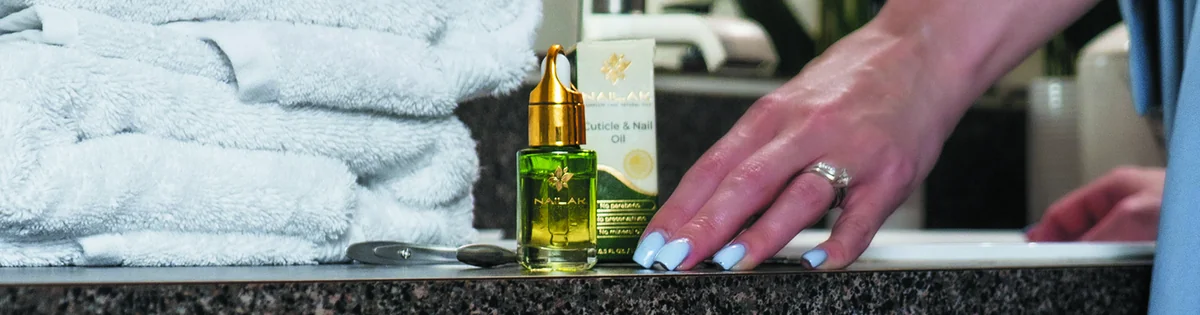
Evening recovery for resilient nails
Evenings are for repair. After a day of typing, washing, and weather, your nails need a quiet reset.
The core evening steps
- Wash with lukewarm water and a gentle cleanser.
- Pat dry. Press in cuticle oil around the entire nail fold.
- Apply a barrier-rich hand cream. Focus on knuckles and sides of nails.
Take 60 seconds. Breathe while you do it. Rituals stick when they soothe.
Optional: Overnight treatment
If your nails are thin or peeling, layer a thicker balm over cream and slip on cotton gloves for 20–30 minutes while you read or unwind. Occlusion helps actives penetrate and signals your brain: the day is done.
Gentle cuticle work, once or twice a week
After a warm shower, when the skin is soft, use a silicone or wooden pusher to nudge cuticles back. Avoid cutting live tissue. Trimming only untethered hangnails is fine, but any deeper and you risk infection and chronic thickening.
Nail polish remover rules
- Use non-acetone remover for regular polish.
- Reserve acetone for gel or acrylic removal, then follow with an intense oil-and-cream session.
- Avoid daily removal and repainting. Give nails at least two polish-free days per week to breathe from solvents, not from oxygen — nails don’t need air, but they thrive with less solvent exposure.
A minute for mindfulness
Notice your breathing as you massage oil into the cuticles. The circular motion calms the nervous system. Care for the hands, care for the mind.
Weekly care: Shape, buff, and polish
A weekly ritual keeps edges smooth and polish fresh without stressing the nail.
Shape for strength
- Short to medium length is most resilient.
- Match the free edge to your cuticle shape for visual harmony.
- File in one direction with a fine-grit glass file. Sawing causes splits.
Common shapes:
- Oval: Soft, elongating, forgiving for active hands.
- Round: Very resistant to catching, great for short nails.
- Squoval: Square with rounded edges, a balanced everyday choice.
Buff, but lightly
A few swipes with a super-fine buffer smooth ridges. Over-buffing thins nails. Think “polish the surface,” not “erase the texture.”
Polish with protection
- Start with a base coat to fill micro-ridges and reduce staining.
- Apply two thin color coats, letting each layer dry.
- Finish with a top coat, wrapping the tips to prevent chips.
Reapply top coat on day three to extend wear. If your nails peel, consider a builder base or a flexible strengthening base rather than hard, formaldehyde-based formulas.
Gel polish: Take respectful breaks
Gels aren’t the villain; improper removal is. If wearing gels back-to-back, schedule a rest week every third cycle. During that week:
- Oil morning and night.
- Use a protective clear coat with nylon or keratin-like polymers.
- Keep nails short and rounded to minimize catching.
The Sunday reset
- Remove polish.
- Shape and lightly buff.
- Oil and cream.
- Decide if this is a bare week or a color week.
- Jot a quick note: Did anything snag? Any weakness? Adjust length accordingly.
Weekly notes help you see patterns and tweak your routine.
Smart nutrition for nail growth
What you eat shows up at the nail matrix, where new growth begins. You can’t supplement your way out of rough handling, but you can nourish growth from within.
Protein and building blocks
Nails are keratin. Aim for steady protein at each meal: eggs, Greek yogurt, tofu, beans, chicken, fish. Complement with vitamin C (berries, bell peppers) to support collagen synthesis.
Healthy fats and hydration
Omega-3s from salmon, sardines, walnuts, and flax support nail flexibility. Hydration matters, too. Water keeps the nail plate more elastic and less prone to peeling. Sip regularly throughout the day.
Minerals and vitamins
- Iron: Low iron can weaken nails; pair iron-rich foods with vitamin C for absorption.
- Zinc: Supports repair; find it in pumpkin seeds, oysters, and legumes.
- Biotin: May help if you’re deficient, but results vary. It can interfere with certain lab tests; consult your clinician before starting.
- Collagen peptides: Emerging support for skin and nail integrity; look for products with third-party testing and give it 8–12 weeks.
Red flags worth a check-in
If nails develop deep ridges, spooning, sudden discoloration, or they lift from the nail bed without trauma, see a healthcare provider. Nutrient gaps or fungal issues may be involved, and targeted treatment beats guesswork.
A simple week of nail-friendly meals
- Breakfast: Greek yogurt with berries and chia.
- Lunch: Quinoa bowl with chickpeas, roasted peppers, and olive oil.
- Snack: Apple with almond butter.
- Dinner: Salmon, lemony greens, and sweet potatoes.
- Hydration: Water, herbal tea, and a pinch of electrolytes after workouts.
Balanced, delicious, realistic. Your nails will feel it.
The confidence in your hands
There’s power in hands that feel cared for. Not perfect — cared for. You notice it when you reach for your wallet, when you sign your name, when you wave hello. Strong, healthy nails are a tactile reminder that you show up for yourself in tiny ways, even on busy days.
The daily routine is less about vanity and more about balance. It asks you to pause for thirty seconds and moisturize. To protect what you’re building. To curb the habit that chips at your efforts. It’s a gentle pact: I’ll handle my hands with the same kindness I offer others.
Some weeks you’ll miss a step. Life happens. But the rhythm is forgiving. One oil application turns into two. A file in your bag saves a nail at the gym. A restful evening treatment smooths what the day picked at. Over time, your nails tell a new story: consistent, calm care. And you feel it — not just in the glossy finish, but in the grounded confidence of steady rituals.
Frequently Asked Questions (FAQ)
Q: How long does it take to see stronger nails with a daily routine?
A: Most people notice fewer snags and better flexibility in 2–3 weeks. True strength and thickness improve over a full growth cycle, about 8–12 weeks for fingernails.
Q: Should I cut my cuticles?
A: No. Cuticles are a protective seal. Gently push them back after a shower and only trim lifted, dead hangnails. Cutting live cuticle can cause infection and chronic thickening.
Q: Which cuticle oil works best?
A: Look for lightweight, penetrating oils like jojoba or squalane. They mimic natural skin lipids, absorb quickly, and soften without greasiness. Vitamin E supports repair, too.
Q: Is gel polish bad for nail health?
A: Gel polish isn’t inherently damaging; over-buffing and rushed removal are. Use proper soak-off techniques, avoid scraping, and schedule rest weeks. Oil consistently between sets.
Q: Do biotin or collagen supplements really help nails?
A: They can help some people, especially if there’s a deficiency or low intake. Results vary, and biotin can interfere with lab tests. Talk to your clinician before starting any supplement.
Estimated word count: 2380