
The Sézane Spring Edit: Prevent Nail Breakage
She glanced at her hands during a morning coffee break — the soft sheen of care was the quiet reminder that small rituals matter. The city felt lighter that morning. Windows cracked open to the first warm air. A striped cardigan slipped over a silk cami, and the promise of tulips brightened a desk that had been winter-gray for weeks. She reached for her cup, caught the refined drape of a trench coat in the corner of her eye, and smiled. It was the small shift into spring she’d been craving.
Then it happened — a snag. A hairline break at the corner of her index nail. That distinct whisper of keratin giving way. In a second, the mood snapped from graceful to “Where is my file? Where is my hand cream?” Her outfit looked pulled together in that effortless Sézane way — refined buttons, thoughtful texture, muted color — but her nails told the season’s truth. Winter dryness, too-hot showers, extra handwashing, and one too many hurried dish sessions had left them brittle.
Perhaps you’ve been there. You’re flirting with mustard yellow, collecting cream knits and striped tees, and considering a bolder lip. Your nails should complete the look with quiet polish. Instead, they’re peeling at the tips, bending the moment you toss groceries into the trunk or tap open a laptop. The joy of a new season asked for softer, stronger, more resilient nails — not easy to break, not high maintenance, just present.
Let’s be honest: nail breakage can make even the most elegant outfit feel unfinished. There’s something about a smooth, uniform edge that elevates everything — the ring you love, the bag’s brushed hardware, the espresso you cradle on your walk to work. Nails are small, but they’re the stylists of our hands. They whisper restraint, detail, and care. And they can be trained to resist breaks.
Here’s the secret no polish bottle can replace: strength is built before color. It happens in daily habits, gentle tools, and protection you barely notice. It happens when you bring your wardrobe logic — that balanced, Sézane-like mix of rich, deep, and muted — to your vanity tray. You curate a capsule; you can curate your nail routine too.
As the layers get lighter, your nails can do the same. They can look translucent and healthy, or lacquered and bold, with edges that don’t chip at the first key strike. And with a handful of practical shifts, you’ll prevent nail breakage before it starts — leaving more time for the fun part: picking a spring shade that feels like you.
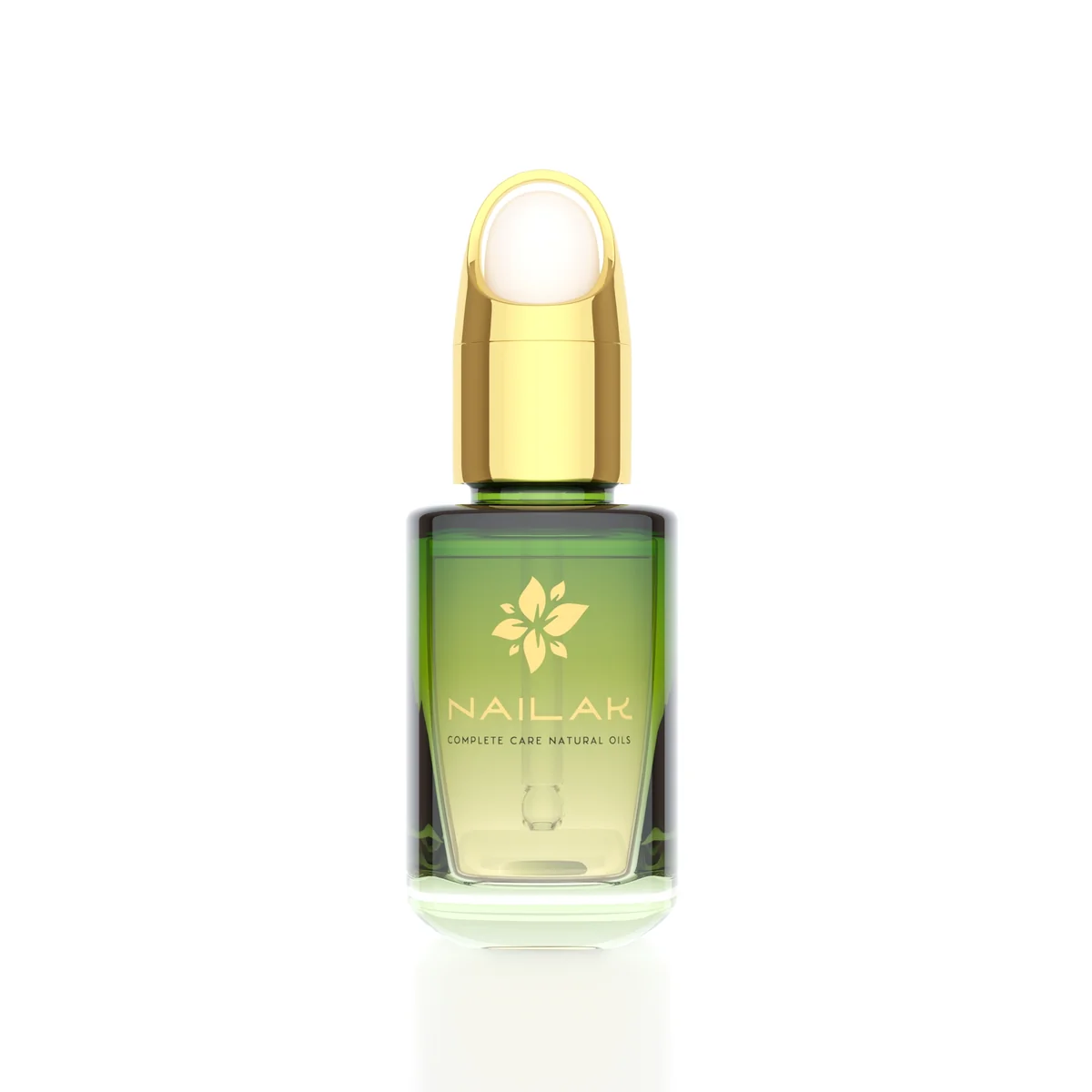
Quick Summary: Embrace spring style and prevent nail breakage with moisture-rich daily rituals, smarter filing, gentle polish strategies, and nutrition-backed habits that build stronger, more resilient nails.
Spring style, softer nails
Spring is restrained joy: a neat cardigan, slouchy denim, a soft trench. The Sézane Spring Edit leans into texture, drape, and color stories that are rich yet muted. Think mustard yellow against cream. Deep berry beside navy. It’s fresh, but it’s not loud.
Your nails can follow that cue. They don’t have to be long or ornate to look modern. They just need to be cared for — smooth edges, a quiet sheen, color chosen like a silk scarf. And most importantly, they need resilience. Preventing nail breakage is the foundation of a clean, wearable spring manicure, whether you opt for a sheer wash or a full shade.
Start by thinking of nails as fabric. Dry wool snags; conditioned wool drapes. Nails behave the same. When hydrated and protected, they flex before they fracture. When neglected, they catch on sweaters, splinter at corners, and peel under polish.
Three elements set the tone:
- Balanced length: a fingertip-skimming shape that won’t catch on buttons or zippers.
- Hydration: oil and cream that keep the nail plate flexible.
- Gentle polish strategy: a strengthening base, thin coats, and patient removal.
As you turn your wardrobe toward lighter layers, treat your nails the same way. Strip back the harsh removers. Add a barrier cream before chores. Keep a pocket oil beside your lip balm. You’ll feel the difference in a week — and see it in two.
Why nails break in spring
Season changes can be sneaky. The air warms, but your nails are living with winter’s residue: central heating, lower humidity, long showers. Add spring cleaning, gardening, movement, and frequent handwashing, and you have the perfect storm for breaks. Here’s what’s happening beneath the polish.
- Dehydration: Nails are made of layered keratin cells. They need a little water to stay flexible. Dry plates turn brittle. They crack under small stress, like tapping a key or fastening a clasp.
- Overexposure to water: Paradoxically, too much water makes nails swell, then shrink as they dry. Repeated swelling causes peeling and weak layers, especially at the free edge.
- Harsh removers and aggressive filing: Acetone strips oils. Back-and-forth filing frays layers. Rough grits tear at the edge, creating micro-splits that travel.
- Length and shape mismatches: Long corners on soft nails are stress points. Square-edges on very flexible nails can chip fast.
- Nutrient gaps and stress: Low iron, inadequate protein, or chronic stress can show up as thin, bendy nails or more frequent breaks.
If your nails keep breaking in the same spot, think like a tailor. Where is the stress point? Are your corners too sharp for your daily tasks? Does your index finger meet more friction because of typing or bag zippers? Adjust shape and rituals to your real life.
Also, be honest about your habits. Love long hot showers? Frequent gel manicures? No gloves for dishes? Each can be softened with small tweaks that you’ll actually keep. Consistency beats perfection.
Daily rituals that stop snaps
Rituals are your best tools. They don’t take long, and they work. Here’s a practical set you can implement today to prevent nail breakage.
Hydration ritual
Think of this as a moisture sandwich — light layers that keep nails supple.
Morning:
- Wash hands with a gentle, low-foam cleanser.
- Apply a drop of cuticle oil to each nail. Massage for 30 seconds.
- Seal with a hand cream that contains humectants (glycerin) and softeners (shea or squalane).
Evening:
- After your skincare routine, repeat oil and cream.
- If nails feel very dry, add a thin coat of a hydrating base or nail serum twice a week.
Pro tip: Keep a travel-size oil and cream in your bag. Use them after washing hands on the go. You can almost feel the smoothness returning.
File like a pro
Filing is not a chore; it’s craftsmanship.
- Choose the right grit: 180–240 for natural nails. Glass or crystal files are excellent for sealing edges.
- File in one direction: From side to center, then the other side. Avoid sawing.
- Aim for a shape that matches your nail strength:
- Soft nails: rounded or soft square to distribute pressure.
- Strong nails: short square or almond can work.
- Finish edges: A quick buff at the underside of the free edge reduces catches.
Tip: Keep length just past the fingertip while rebuilding strength. Shorter nails break less because they flex less.
Protect from water and chores
Water is lovely for skin, less lovely for nails — in excess.
- Wear gloves for dishwashing, cleaning, and gardening.
- Apply a barrier cream or a thin petroleum-based ointment to fingertips before messy chores.
- Pat dry nails after washing. Don’t air dry; water sitting at the edges invites peeling.
Smarter polish rhythm
Polish can strengthen, but only with kind application and removal.
- Use a strengthening base coat without harsh hardeners. Look for ingredients like nylon, nitrocellulose, keratin peptides, or plant-derived oils.
- Keep layers thin: base, two thin color coats, and top coat.
- Refresh top coat every 2–3 days to reduce chipping.
- Give nails a break between manicures: 12–24 hours bare with oil and cream can help the plate re-balance.
Removal matters:
- If you use acetone, keep contact short. Soak a cotton pad, place, and wrap with foil for 5–7 minutes. Gently slide off product. Immediately oil and cream.
- Non-acetone removers can be gentler but slower. Patience pays off.
Tiny habits with big impact
- Open cans and boxes with a spoon or key, not your nails.
- Use fingertips, not nails, when typing or lifting tabs.
- Keep a file in your bag. Smooth rough spots immediately to prevent tears.
- Avoid picking at gel or dip. It removes layers of the nail plate.
When to see a pro
If breakage is constant, or nails peel in layers despite care, consider a check-in:
- White lines that split, persistent ridges, or spoon-shaped nails may signal nutrient or health issues worth discussing with a healthcare provider.
- If you suspect fungal infection or chronic inflammation, book a dermatologist visit.
- For frequent breaks, ask a nail tech about a soft-gel overlay for short-term reinforcement while you rebuild strength.

Polish, gels and smarter tools
Choosing the right products and tools keeps your nails resilient and prevents breakage while letting you enjoy the pleasure of color.
The base matters
A good base coat is your insurance policy. It fills micro-ridges, adds flexibility, and prevents pigment from staining. Look for:
- Flexible film-formers: nitrocellulose, acrylates
- Hydrating agents: glycerin, panthenol
- Keratin-support ingredients: amino acids, peptides
- Avoid frequent use of formaldehyde-heavy “hardening” treatments. They can make nails rigid and more prone to snaps over time.
Apply the base to the very edge. Cap the tip with base and color for extra protection.
Gel or not?
Soft-gel manicures can be safe when:
- Applied to a clean, lightly buffed surface (no heavy abrasion).
- Removed gently with wraps, not peeling.
- Worn for a reasonable stretch, with cuticle oil daily.
If your nails are thin or peel easily, limit gels while you rebuild. Consider a strengthening base and top routine instead, refreshed mid-week.
Tool etiquette
- Ditch metal pushers if you’re heavy-handed. Try a silicone or wooden stick to avoid gouging the nail plate.
- Keep clippers sharp. Dull tools crush and split.
- Buff sparingly. Over-buffing thins nails.
- Store tools clean and dry. Hygiene is part of resilience.
The removal ritual
The moment of truth is removal. Here’s a gentle method:
- File the top coat to break the seal.
- Saturate cotton with remover, place on the nail.
- Wrap with foil; let sit for the minimum needed time.
- Glide off softened polish. Don’t scrape hard.
- Wash hands, then oil and cream. Repeat oil before bed.
This rhythm reduces micro-tears that lead to breakage. You’ll notice fewer snapped corners within a couple of weeks.
Eat and live for stronger nails
Nails reflect your routine. If you want to prevent nail breakage, think beyond the bottle.
The building blocks
- Protein: Nails are keratin. Aim for protein at each meal — eggs, yogurt, legumes, tofu, fish, or lean meats.
- Iron and zinc: Low levels can show up in brittle nails. Include spinach, lentils, red meat in moderation, pumpkin seeds, and oysters if you eat seafood.
- Vitamins C and E: Support collagen and protect cells. Citrus, berries, peppers, almonds, sunflower seeds.
- Omega-3s: Healthy fats support nail flexibility. Think salmon, sardines, walnuts, chia.
- Hydration: Nails need water to flex. Keep a bottle on your desk and sip steadily.
Biotin deserves a note. Supplementation can help some people, especially if deficient. But high doses may interfere with lab tests. If you’re curious, talk with your provider and consider food sources first: eggs, nuts, seeds, sweet potatoes.
Lifestyle shifts that help
- Sleep: Recovery supports everything, nails included. Keep a stable bedtime.
- Stress care: Chronic stress affects growth cycles. Try a 10-minute walk, stretching, or breathwork.
- Temperature: Hot water strips oils fast. Warm is kinder to skin and nails.
- Movement: Circulation supports growth. Even short daily movement counts.
A weekly reset
Choose one evening each week to reset your nails.
- Trim or file to an even shape.
- Gentle cuticle care with oil and an orange stick.
- Apply a hydrating base and sheer color, or go bare with oil and cream.
- Massage hands for one minute. Feel the difference in texture.
It’s practical, but it also feels like a tiny ceremony — a bookend to your week that keeps breakage at bay.
A capsule manicure wardrobe
Fashion’s capsule logic works beautifully for nails. A handful of shades, curated with intention, keeps your routine simple and your look cohesive — especially in spring when Sézane’s palette leans rich, deep, and muted.
According to a Sezane spring edit, mustard yellow pairs elegantly with cream, navy, and classic stripes. Translate that to your nails with options that flatter, not fight, your outfits.
Try this capsule:
- Sheer soft blush: The “your nails but glossier” staple. It masks slight discoloration and looks clean with everything.
- Creamy ecru or porcelain: Modern, crisp, and chic with denim, camel, or navy.
- Muted berry: Deep but soft — a nod to “rich, deep, muted” color analysis, yet wearable in daylight.
- Inky navy: Sophisticated alternative to black, striking with striped knits.
- Dusty mustard or ochre accent: One manicure in this hue can make a trench or scarf sing.
- Tender sage: A whisper of color that still reads neutral.
Balance finish and shape: If your outfit has texture — bouclé, rib knit, pleats — glossy nails look luxurious. If fabrics are sleek, a satin or soft-matte top coat adds modern depth. Keep length fingertip-short while building strength. It looks purposeful and prevents breakage.
Seasonal shift trick: Rotate two shades weekly, not five. Less removal means less stress on the nail plate. Your capsule stays fresh, and your nails stay intact.
The spring-proof manicure plan
Let’s pull it all together into a simple, repeatable plan to prevent nail breakage while you enjoy the season.
Daily:
- Oil cuticles morning and night.
- Hand cream after every wash.
- Use fingertips, not nails, for tasks.
Every 2–3 days:
- Refresh top coat.
- Spot-file any rough edges in one direction.
Weekly:
- File to a soft square or rounded shape.
- Gentle cuticle pushback with oil.
- Apply strengthening base and 1–2 coats of your capsule shades.
- Wrap removal if needed; oil immediately after.
Monthly:
- Review shape. If corners chip, round them slightly.
- Declutter expired polishes and rough files.
- Treat yourself to a 20-minute warm oil soak: light olive or jojoba oil warmed slightly, fingertips dipped for five minutes, then massage.
Remember, rituals only work if you keep them. Pick the habits you’ll actually do — the hand cream in your bag, the glass file on your desk, the three-minute wind-down at night. Consistency creates strength. Strength prevents breakage.
A quiet confidence
Spring invites softer edges — in clothes, routines, and the way we move through our days. There’s confidence in a wardrobe that feels like you. There’s the same quiet power in hands that look cared for, not perfect. The kind of nails that catch light on a morning walk and never on your sweater.
When you treat nail care as part of getting dressed, the result is ease. You’ll reach for your trench, fold back the sleeve of a new cardigan, and your nails will simply belong. Not fragile. Not fussy. Just strong enough to live your life and polished enough to make it feel a little more beautiful.
That’s the heart of the Sézane Spring Edit for nails: harmony and restraint, built on rituals that keep breakage away. As the season opens its windows, let your routine get lighter too — small steps, soft textures, steady care. Confidence grows in the details.
Frequently Asked Questions (FAQ)
Q: How often should I apply cuticle oil to prevent breakage? A: Aim for twice daily — morning and night. Add a quick swipe after handwashing if your nails feel dry. Consistency improves flexibility and reduces snaps.
Q: What nail file grit is best for preventing splits? A: For natural nails, choose 180–240 grit or a glass file. File in one direction, side to center. Avoid rough grits and sawing motions, which create micro-tears.
Q: Are nail hardeners safe to use regularly? A: Use flexible, strengthening bases without heavy formaldehyde. Occasional use of hardeners is fine for short bursts, but long-term reliance can make nails rigid and more likely to break.
Q: Do I need biotin for stronger nails? A: Biotin may help if you’re deficient, but it’s not a universal fix. Focus on protein, iron, zinc, vitamins C and E, and omega-3s. Talk to a provider before high-dose supplements.
Q: How can I prevent splits after gel removal? A: Keep removal gentle with wraps, avoid scraping, and oil immediately. Take short breaks between gel sets, trim to a shorter length, and use a hydrating base to rebuild flexibility.
Estimated word count: 2350 words.