
Turmeric for Hair Growth & Nail Oil vs Polish
She glanced at her hands during a morning coffee break — the soft sheen of care was the quiet reminder that small rituals matter. A little cuticle oil had tamed a week of typing and dishes. Her hair, scooped into a low bun, revealed a hairline that lately felt drier than usual. Deadlines had been ruthless. So had the weather. You know that feeling when your scalp itches by 3 p.m., and you tug at your ponytail wishing for relief? That was her, scrolling for answers between sips.
Turmeric kept popping up. Not the spice of grandmothers’ kitchens alone, but the bright, golden ingredient showing up in masks, lattes, and wellness feeds. Could it help with hair growth? Was it another internet myth, or a real ally for a stressed scalp?
She pictured the stain on a cutting board — the color that lingered like a memory. Powerful things sometimes leave a trace. It made sense that turmeric might have a place in a hair care routine, if only for what it’s known best: calming skin, soothing irritation, supporting balance. She wanted less itch, fewer flakes, and the feeling of clean roots without harsh products.
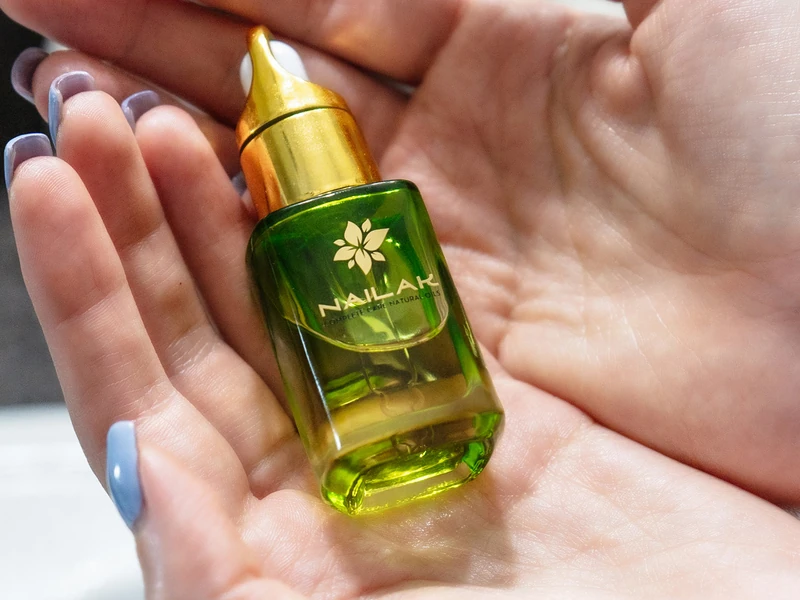
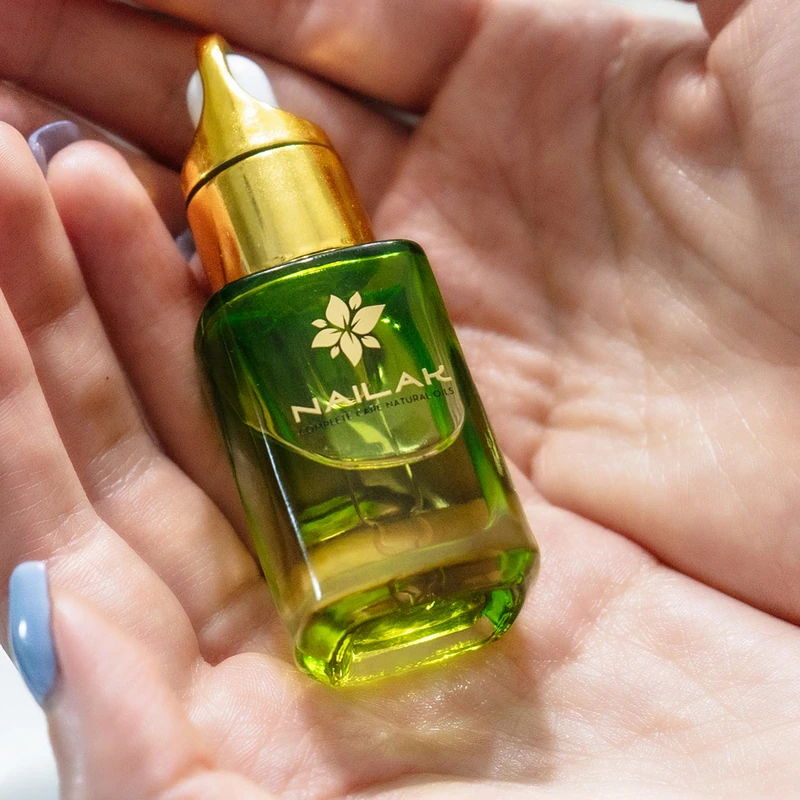
On her nightstand, there was a tiny bottle of nail oil that brought her cuticles back from the brink each evening. It was a ritual she trusted. A few circles of the brush, a breath, a pause, and the shine returned. Maybe hair needed a similar kind of gentle consistency. Not a miracle. A practice.
Real beauty is often small and repeated. A scalp massage in the shower. A turmeric paste once a week. A swipe of oil on dry nails before bed. Nothing flashy. Everything intentional.
Maybe the question wasn’t “Is turmeric a miracle for hair growth?” Maybe it was softer: “Can turmeric support the conditions where hair thrives?” And in the background, another tiny act: nail oil quietly rebuilding strength under the polish we love.
Quick Summary: Turmeric can calm the scalp and reduce dandruff, creating a healthier environment for growth; here’s how to use it safely and why nail oil outperforms polish for nail strength.
What Turmeric Can and Can’t Do
Let’s be honest: turmeric is not a magic wand for instant hair growth. But it is a respected botanical with qualities that support scalp health — the starting point for thicker, happier hair.
Turmeric’s star compound, curcumin, has anti-inflammatory and antimicrobial properties. For many people, that translates into less scalp irritation and fewer flakes. When inflammation eases, hair follicles often function better.
What the spice may support:
- Calmer scalp. Reduced redness and itch from irritation.
- Dandruff control. Gentle antimicrobial action against some flake-causing factors.
- Antioxidant defense. Protection against environmental stressors that age follicles.
- Balanced oil. Some people notice less greasy roots over time.
- Healthier scalp microbiome. A more comfortable, resilient scalp environment.
What it probably won’t do:
- Accelerate growth overnight.
- Reverse advanced hair loss on its own.
- Work if used undiluted or too frequently. More is not more.
Here’s the secret: most “hair growth” wins start with the scalp. If you reduce inflammation and support balance, you remove hurdles to growth. That’s turmeric’s lane.
According to a home remedy guide, traditional use leans on turmeric’s calming and clarifying effects. Modern wellness echoes this — not as proof of regrowth, but as a practical, soothing step for people who struggle with scalp irritation and dandruff.
A quick reality check:
- Scientific evidence for direct hair growth is limited.
- Evidence for improved scalp comfort is stronger.
- Many users report less flaking and better feel within weeks.
If you want healthier hair, start with a healthier scalp. Turmeric can help there, thoughtfully and safely.
How to Use Turmeric Safely
Turmeric is potent. Treat it like active skincare for your scalp.
Start with a patch test.
- Mix a tiny amount of your mask formula.
- Apply behind your ear or on the inner forearm.
- Wait 24 hours for redness or irritation.
Dilute, don’t dump.
- Always blend turmeric with soothing bases like aloe gel, yogurt, or a light oil.
- Keep your turmeric concentration modest — about 1 teaspoon powder per 2–3 tablespoons of base.
Mind the color.
- Turmeric stains lighter hair, towels, and pillowcases.
- Rinse thoroughly and use an old towel. Condition well after.
Limit frequency.
- Start once weekly for four weeks.
- If your scalp loves it, stay weekly. If dryness appears, cut back to every other week.
Massage matters.
- Apply to the scalp only. Part hair in sections.
- Use slow, circular pressure with fingertips for 2–3 minutes.
- Leave on for 10–20 minutes, then rinse.
Pair wisely.
- Follow with a gentle shampoo to prevent yellow residue.
- Use a hydrating conditioner, focusing on mid-lengths to ends.
Know when to pause.
- Open cuts or raw areas? Skip until healed.
- Active scalp conditions like psoriasis or severe dermatitis? Check with a dermatologist first.
- If you’re pregnant or on medications, confirm with your provider before taking turmeric supplements.
Five actionable tips for best results:
- Keep it on the scalp, not the strands. Hair doesn’t need the spice; follicles do.
- Choose comfy carriers. Aloe gel soothes; yogurt comforts; squalane or grapeseed oil adds glide.
- Add black pepper if ingesting, not topically. Piperine may help curcumin absorption in food.
- Protect linens and collars. Wrap your hair in an old T-shirt while the mask sits.
- Be consistent for a month. Then reassess. Small, steady steps beat extremes.
DIY Turmeric Scalp Masks
You can almost feel the smoothness of a calm scalp. These simple mixes are designed to comfort, clarify, and support balance.
Note: Use one mask per week. Pick the formula that matches your scalp type.
1) Soothe + Balance Aloe Mask
Best for: Sensitive, itchy, or easily irritated scalps.
- 2 tablespoons aloe vera gel
- 1 teaspoon turmeric powder
- 1 teaspoon raw honey
- 3–4 drops tea tree or lavender essential oil (optional, patch-test)
Steps:
- Blend until smooth and golden.
- Part hair in sections. Apply to scalp with fingertips or a tint brush.
- Massage for two minutes. Leave on 10–15 minutes.
- Rinse, shampoo gently, and condition lengths.
Why it works: Aloe cools and hydrates. Honey adds a comforting humectant effect. Turmeric calms.
2) Clarify + Calm Yogurt Rinse-Off
Best for: Flaky or oily scalps that need a soft reset.
- 3 tablespoons plain yogurt
- 1 teaspoon turmeric powder
- 1 teaspoon lemon juice (optional; avoid if sensitive)
Steps:
- Stir well. The texture should be creamy.
- Apply just to the scalp, not the hair.
- Leave on for 10 minutes. Rinse thoroughly.
- Follow with shampoo and a lightweight conditioner.
Why it works: Yogurt’s lactic acid gently loosens buildup. Turmeric supports a calmer feel. Lemon helps cut oil, but skip if reactive.
3) Pre-Shampoo Oil Melt
Best for: Dry, tight, or winter-stressed scalps.
- 2 tablespoons warm grapeseed or sweet almond oil
- 1/2 teaspoon turmeric powder
- 2 drops rosemary essential oil (optional; patch-test)
Steps:
- Combine in a small bowl. The oil should be warm, not hot.
- Massage onto the scalp for three minutes.
- Leave on for 15–20 minutes.
- Shampoo twice if needed. Condition as usual.
Why it works: Oil softens and comforts. Turmeric lends calm. The massage increases microcirculation.
4) Quick Shower Paste
Best for: Busy days, zero fuss.
- 1 tablespoon water
- 1/2 teaspoon turmeric powder
- 1 teaspoon honey or aloe gel
Steps:
- Make a thin paste.
- Apply to scalp, wait 5–7 minutes while you shower.
- Rinse and shampoo. Done.
Why it works: Simple, fast, consistent. Perfect for a weekly ritual.
Pro tips:
- Fine or very light hair? Keep contact time shorter and rinse thoroughly.
- Coily or curly hair? Apply in neat sections for even coverage. Detangle first to avoid tugging.
- If any mask tingles beyond mild warmth, rinse immediately.
Build a Smart Weekly Routine
Consistency beats intensity. A small plan helps you see results without stress.
A gentle weekly outline:
- Sunday: Turmeric scalp mask of choice. Rinse well. Hydrate lengths.
- Midweek: Scalp massage in the shower for one minute. No nails, just fingertips.
- Daily: Avoid tight ponytails. Let your scalp breathe.
- As needed: Use a gentle clarifying shampoo every 2–3 weeks if you use styling products.
Scalp-friendly habits to pair:
- Choose sulfate-free cleansers if you’re reactive. Harsh surfactants can trigger flaking.
- Rinse with lukewarm water. Hot water strips and irritates.
- Keep nails trimmed. Scratching worsens irritation and can harm follicles.
Nutrition notes:
- Culinary turmeric is a lovely add-on, not a cure. Enjoy it in warm dishes or golden milk.
- For absorption, pair turmeric with a pinch of black pepper and healthy fats.
- Supplements are optional. Discuss with your provider if you’re considering them, especially if you take medications or have gallbladder issues.
How to track progress:
- Take a photo of your part line and hairline every two weeks in the same light.
- Note itch, flaking, and scalp tenderness in a journal.
- Adjust frequency based on comfort, not pressure.
Bottom line: A calmer scalp often grows better. This plan helps you get there gently.
Nail Oil vs Polish: What Wins?
Let’s switch seats for a moment. Your nails tell a parallel story about care, stress, and small rituals. The question many readers ask: nail oil benefits vs polish — which truly strengthens nails?
Think of polish as clothing. It looks amazing, can protect from minor bumps, and expresses your style. But clothing doesn’t hydrate skin. Oil does.
What nail oil does:
- Replenishes moisture. Oils like jojoba and sweet almond mimic skin’s natural lipids.
- Builds flexibility. Hydrated nails bend slightly instead of cracking.
- Nourishes the cuticle. A healthy cuticle seals the new nail as it grows.
- Reduces peeling and splitting. Consistent oiling prevents dehydration.
- Supports recovery between manis. Vital for gel or dip powder fans.
What polish does:
- Immediately beautifies with color and shine.
- Offers a temporary barrier from water and minor mechanical stress.
- Can, however, dehydrate with repeated removers or solvents.
- Traps dryness if nails are already dehydrated.
Who “wins”? For strength and long-term resilience, nail oil wins. You can still wear polish — just make oil non-negotiable.
A balanced nail-care routine:
- Daily: Apply cuticle oil morning and night. Massage for 30 seconds per hand.
- Before polish: Oil lightly the night before. Wipe with alcohol before painting to ensure adhesion.
- During polish wear: Brush oil around the edges daily. It won’t ruin your mani if you avoid the fresh surface for the first 12 hours.
- Between sets: Take a 3–5 day polish break monthly. Oil generously to rehydrate.
Bonus: If you love a minimalist look, a buffed nail with a nourishing oil looks clean, glossy, and chic. It’s the “no-makeup makeup” of hands.
Myths and Mistakes to Avoid
Turmeric myths:
- “It regrows hair fast.” Not likely. It supports the environment for growth.
- “Stronger dose equals better results.” High concentrations can irritate and stain.
- “Leave it overnight.” Risky for staining and irritation, especially on light hair.
Nail-care myths:
- “Polish strengthens weak nails.” It masks them. Strength comes from hydration and balanced care.
- “More filing equals smoother nails.” Over-filing thins the plate.
- “Oil ruins polish.” Once polish is set, oil around cuticles helps prevent chips.
Common mistakes:
- Applying turmeric directly to hair lengths. Focus on the scalp only.
- Skipping the patch test. Sensitive scalps need that safety check.
- Using hot water to rinse masks. Lukewarm water protects your barrier.
- Ignoring dryness under polish. Oil daily or you’ll see peeling.
The Quiet Power of Rituals
Healthy hair and strong nails aren’t trophies you win. They’re byproducts of steady, kind choices. A turmeric mask once a week. A minute of scalp massage. A few swipes of cuticle oil before bed. These tiny acts add up.
There’s a confidence in caring for yourself in small ways. When your scalp feels calm and your nails gleam with quiet health, you move through the day differently. Not louder. Just more grounded. Your reflection says, “I’m taking care,” and that’s often enough.
Estimated word count: ~2400 words
Frequently Asked Questions (FAQ)
Q: Is turmeric good for hair growth, really? A: Turmeric doesn’t act like a fast-growth serum. Its real strengths are anti-inflammatory and antimicrobial support. That means less itch, fewer flakes, and a healthier scalp environment. In that setting, follicles can perform better. Some people notice improved fullness over time, but direct scientific proof of accelerated growth is limited.
Q: How often should I use a turmeric scalp mask? A: Start with once a week for a month. If your scalp feels comfortable and you see less flaking or redness, keep that cadence. If dryness appears, scale back to every other week. Always rinse thoroughly and follow with a gentle shampoo and hydrating conditioner.
Q: Will turmeric stain my hair or scalp? A: It can. Lighter hair and porous strands pick up color more easily. Keep masks on the scalp, limit contact time to 10–15 minutes, and rinse well. Use an old towel and avoid white pillowcases the day you mask. If you notice tint, a second gentle shampoo usually clears it.
Q: Which is better for nail strength — oil or polish? A: For true strength and flexibility, nail oil wins. It hydrates, supports the cuticle, and reduces peeling. Polish is great for style and can offer temporary protection, but frequent removers may dehydrate nails. Use both by oiling daily and giving nails short polish breaks each month.
Q: Can I mix turmeric with other scalp ingredients? A: Yes, if you’re careful. Aloe, yogurt, honey, and lightweight oils are great carriers. You can add a drop or two of tea tree or rosemary essential oil after patch-testing. Avoid harsh acids or scrubs on the same day. Keep formulas simple so you can track what works.