
Protect Hair at Night & Cuticle Oil Benefits
She glanced at her hands during a morning coffee break — the soft sheen of care was the quiet reminder that small rituals matter. Outside, the world was already loud. Emails. Meetings. The too-long to-do list. Yet the gentlest victories were right here: a satin pillowcase she’d smoothed the night before, a loose braid tied with a cloud-soft scrunchie, a thin veil of cuticle oil massaged into dry skin after brushing her teeth. Her hair didn’t snag on her sweater today. Her nails didn’t catch on the scarf. Nothing dramatic, just a sense that she’d taken care of herself while she slept.
When we talk about hair loss, we often jump to big solutions. Supplements, in-office treatments, dramatic cuts, new routines. But let’s be honest: the way you protect your hair at night is often the easiest, most overlooked fix. The night is a long stretch of potential friction. Pillowcases tug. Elastics pull. Dry heat sips moisture. Tossing and turning can rough up the cuticle layer. That “why is my hair shedding more this week?” question can be answered in the quiet hours you don’t see.
And then there are nails — those tiny storytellers of health and habit. Cuticle oil is the bedtime whisper your hands crave. It’s a few fragrant drops of flexibility and defense. It keeps hangnails at bay, reduces splitting, and helps polish look fresh longer. You can almost feel the smoothness return as it sinks in. Small things, big difference.
Maybe your evenings are already full. Maybe you barely have energy to wash your face. I get it. But protecting your hair at night and using cuticle oil are micro-rituals with macro benefits. They build resilience over time — less breakage, less frizz, more shine, calmer mornings. They also restore something we lose in the rush: presence. A sense that even on a hectic day, you honored your body.
Picture this: you come home, kick off your shoes, and light a candle. You run a wide-tooth comb through your hair, slow and careful, and mist a few pumps of leave-in. You coax your hair into a loose braid and drape it over a silk pillow. Then you massage a drop of oil into each cuticle, circling softly, breathing deeper. It’s not perfection. It’s practice. And over weeks, that practice adds up to stronger strands, a healthier scalp, and hands that look like they belong to someone who treats herself kindly.
Here’s the secret the best beauty editors share: healthy hair and healthy nails thrive on protection, not punishment. The night is your canvas. The tools are simple. You don’t need a suitcase of products; you need consistency and a strategy that works while you dream. Let this be your starting place.
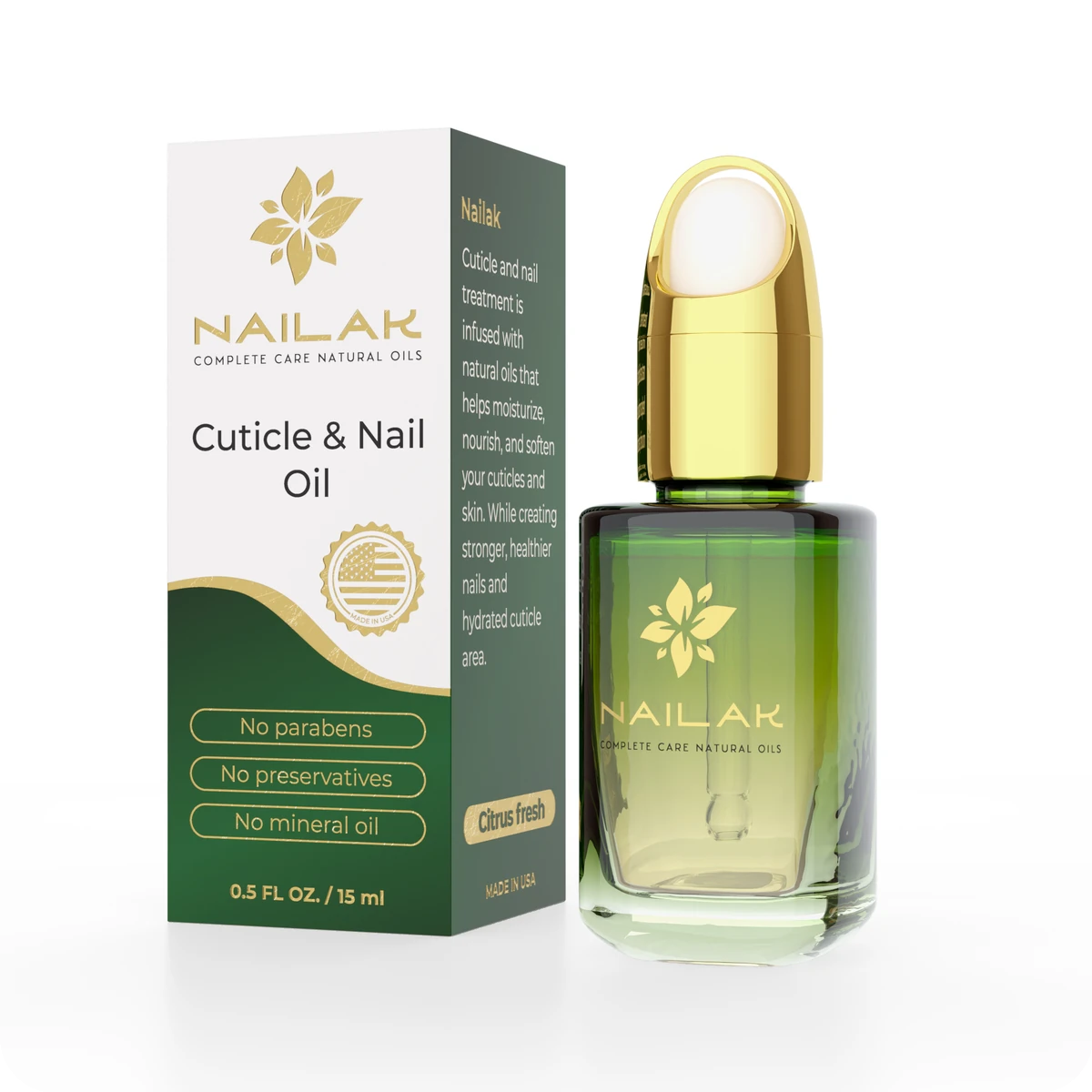
Quick summary: Protect your hair at night with gentle prep, low-friction fabrics, and restorative habits — and pair it with cuticle oil to boost nail strength, softness, and daily confidence.
Why Night Care Prevents Shedding
The hours you spend asleep are long for your hair.
Each turn and press creates friction. Friction lifts the cuticle layer, the outer shield that keeps moisture in and damage out. When cuticles lift, strands tangle and snap. Breakage can mimic hair loss. You wake up to hair on the pillow and think “shedding,” when it’s often mechanical damage.
There’s also traction. Tight ponytails or buns pull on follicles for hours. That tension can stress the hair and scalp. Over time, it adds up to thin edges or tender spots.
Moisture matters too. Dry air and cotton pillowcases wick hydration from hair. Dehydrated strands get brittle. Brittle hair snaps. It’s a cycle.
A thoughtful nighttime hair routine interrupts that cycle. It focuses on:
- Reducing friction.
- Minimizing tension.
- Sealing in moisture.
- Calming the scalp.
When you protect your hair at night, you prevent breakage and help reduce the appearance of hair loss. The difference is most obvious in ends and edges. They stay intact longer. Hair looks fuller, smoother, and more resilient by morning.
If shedding is sudden, severe, or patchy, check in with a dermatologist. Hormones, nutrition, and health play roles too. Night care is a powerful support, not a diagnosis.
The Gentle Prep Before Bed
A good routine is simple, repeatable, and kind.
Aim for five to seven minutes. Consistency beats complexity. Think of it as the bridge between your day and your dreams.
Here’s a framework you can adapt to your hair type.
- Detangle with intention
- Start on dry or barely damp hair.
- Use a wide-tooth comb or flexible brush.
- Work in sections, ends to roots, supporting hair with your hand.
- Add a few drops of leave-in or a slip-enhancing spray.
- Add a light night hydrator
- Fine hair: a mist of lightweight leave-in conditioner.
- Medium hair: a pea-size leave-in cream for mid-lengths and ends.
- Coarse or curly hair: a curl cream or a few drops of silicone-free oil.
- Focus below the ears. Keep roots light to avoid scalp buildup.
- Choose a protective style
- Loose braid, two chunky twists, or a low “pineapple” for curls.
- If your hair is short, consider a satin-lined cap.
- Avoid tight elastics. Opt for a silk scrunchie or spiral coil.
- Guard your ends
- Tap a tiny amount of serum into the last two inches.
- Ends are oldest and need the most love.
- Optional: mini scalp massage
- Use fingertips, not nails.
- Trace slow circles for one minute.
- This boosts circulation and eases stress.
Actionable tips:
- Keep a detangling comb on your nightstand for last-minute snags.
- Apply your leave-in in the bathroom where humidity helps spread it.
- Set a recurring “wind-down” reminder on your phone.
A 7-minute night routine to try
- Minute 1: Mist hair lightly; finger-detangle big knots.
- Minute 2–3: Comb in sections; add leave-in to mid-lengths.
- Minute 4: Smooth a drop of serum into ends.
- Minute 5: Braid loosely or twist; secure with a silk scrunchie.
- Minute 6: Put on a satin bonnet or prep your pillowcase.
- Minute 7: Massage cuticle oil into nails (we’ll get there soon).
Consistency turns this into muscle memory. The payoff is fewer midweek “bad hair” days.
Satin, Silk, and Smart Styles
Fabric makes or breaks your efforts. Literally.
Cotton is cozy but thirsty. It absorbs your hair’s oils and roughs up strands. Silk and satin are different. They reduce friction, help hair glide, and keep moisture where it belongs.
Your options:
- Silk or satin pillowcase. Easy, invisible upgrade.
- Satin-lined bonnet or scarf. Great for curls, coils, and protective styles.
- Satin scrunchies or spiral ties. Kinder to edges and ends.
Protective styles should be truly protective. That means low tension and smooth surfaces.
- Loose braids or twists prevent tangles without pulling.
- A soft low bun can work if it’s not tight and you use a smooth tie.
- The “pineapple” method lifts curls to avoid smooshing and frizz.
Avoid these common mistakes:
- Sleeping in a tight high ponytail. It strains follicles.
- Wet hair to bed without protection. Wet strands are fragile.
- Tiny elastic bands. They snag and snap.
According to a night hair care guide, consistent low-friction habits can visibly reduce breakage over time. That means fewer stray hairs on your pillow and stronger ends that hold styles longer.
An extra upgrade: keep your bedroom’s air gentle. If the heater runs, use a humidifier. Dry air steals moisture from skin, hair, and nails.
Scalp Support While You Sleep
Your scalp is living skin. Treat it thoughtfully.
Healthy follicles thrive in a calm, clean environment. Night is ideal for gentle care that doesn’t compete with styling products.
What to try:
A light, leave-on tonic
Look for ingredients like niacinamide, panthenol, peptides, or caffeine. These can support the scalp barrier and reduce irritation. Apply sparingly to clean or dry scalp. Massage for one minute.A soothing oil, used wisely
Jojoba and squalane mimic skin’s natural lipids. A few drops massaged into dry patches can help. Avoid heavy oils if you’re prone to buildup or if you have fine hair.Avoid occlusion
Heavy butters on the scalp can trap sweat and sebum. That can lead to itch or flaking. Keep rich products on mid-lengths and ends.Gentle exfoliation, occasionally
Once every week or two, use a light scalp exfoliant to remove buildup. Think small granules or chemical exfoliants made for scalps. Not face scrubs. Not DIY salt.Mind the wash schedule
Over-washing can dry the scalp. Under-washing can clog follicles. Find your sweet spot — often two to four times a week.
Sleep hygiene supports scalp health too. Chronic stress raises cortisol, which affects hair cycles. Good sleep can help regulate that. Try:
- Dim lights an hour before bed.
- A short stretch or breathing practice.
- A “no-scrolling” boundary after your routine.
Micro habit, major dividend: keep your nails trimmed smooth, especially if you scratch your head in your sleep. It protects your scalp barrier.
Cuticle Oil Benefits You’ll Love
Let’s switch to the smallest, most satisfying ritual: cuticle oil.
You may wonder why a nail product shows up in a conversation about hair. The answer is care symmetry. Your hair fiber’s cuticle is its armor. Your nail’s cuticle guards the nail matrix. When either barrier dries and cracks, you get breakage or hangnails. Nourishing both barriers at night preserves strength and shine.
What cuticle oil can do:
- Softens cuticles and prevents painful hangnails.
- Reduces nail plate brittleness and splitting.
- Extends the life of manicures and minimizes polish chipping.
- Improves the look of hands immediately.
- Creates a cue for bedtime wind-down.
You can almost feel the stress leave your hands as oil melts in. It’s the gentlest form of “I took care of me today.”
What to look for
Jojoba oil
Its molecules mimic skin sebum. It absorbs well and conditions without greasiness.Vitamin E (tocopherol)
An antioxidant that helps combat free radical stress and supports the skin barrier.Squalane
Lightweight, stable, and replenishing. Great for sensitive skin.Sweet almond or apricot kernel
Both are softening and help trap moisture.
Fragrance is optional. If your skin is reactive, choose fragrance-free. If you love a sensory moment, pick a subtle scent that signals bedtime.
How to apply cuticle oil
- Use a drop or brush per nail.
- Massage in slow circles around the cuticle and sidewalls.
- Press gently into the nail plate and under the tip.
- Let it sit for a minute before pulling up the covers.
Actionable tip: Keep the bottle on your nightstand. If it’s visible, you’ll use it. Another tip: If you type all day or wash hands often, add a midday swipe. Consistency builds strength.
The hair-and-nails connection
The benefits of cuticle oil mirror what your hair’s ends crave at night: flexibility and protection.
- Dry ends snap less with a light serum.
- Dry cuticles tear less with nightly oil.
- Both respond to small, steady care.
This is the beauty of a paired ritual. Hair and nails restore together. Your morning looks more polished with almost no extra effort.
A Simple Night Routine to Try
This routine blends hair protection, scalp calm, and cuticle care. Tweak it for your texture and lifestyle.
- Before brushing teeth
- Fill a tall glass of water. Night dehydration is real.
- Set your satin pillow or reach for your bonnet.
- Detangle and hydrate
- Mist hair. Comb in sections.
- Apply leave-in to mid-lengths and ends.
- Smooth a drop of serum onto the last two inches.
- Set a protective style
- Loose braid, twist, or pineapple.
- Secure with a silk scrunchie.
- Scalp support
- If needed, apply a light tonic to the scalp.
- Massage for one minute to release tension.
- Hands and heart
- Brush teeth. Wash hands.
- Massage cuticle oil into each nail.
- Take three slow breaths. In for four, out for six.
- Lights down
- Put your phone on Do Not Disturb.
- Dim lights and stretch for two minutes.
This routine sits comfortably under 10 minutes. On busy nights, do the essentials: detangle, braid, oil cuticles. Done.
If you sleep hot
- Wear a satin bonnet and skip heavy creams.
- Opt for a light pillowcase in silk or satin blends.
- Keep a small fan or adjust bedding layers.
If your hair is short or fine
- Lean on leave-in mists, not heavy oils.
- Try a satin-lined cap to reduce friction.
- Focus serum only on the very ends.
If your hair is curly or coily
- Moisture is queen. Use a curl cream or hair milk.
- Two chunky twists or a pineapple preserve definition.
- A satin scarf plus bonnet double down on protection.
Actionable tip: Reserve one scrunchie and brush for bedtime only. Keeping them clean and soft matters.
Confidence in Quiet Moments
This is not a race to perfect hair. It’s a return to gentle. The ritual you choose at night shapes how you meet the day. When your strands don’t snag and your nails don’t ache, you move differently. You reach for your bag without checking for frizz. You gesture with your hands without hiding them. That soft braid under a satin pillow and the glisten of cuticle oil are small, steady acts of love.
What you’re really protecting is your energy. Less breakage means fewer repairs. Fewer repairs mean more calm. And calm is confidence. It’s the feeling that you are in relationship with yourself — attentive, respectful, unhurried. The kind of care that influences more than hair and nails. It touches the way you speak to yourself all day long.
On the nights you forget, forgive yourself. On the nights you remember, savor it. The point is not perfection. The point is a practice that says, “I’m worth small, consistent care.” When you wake to stronger ends and smoother hands, you’ll feel it: the quiet proof that beauty thrives where gentleness lives.
Frequently Asked Questions (FAQ)
Q: Does sleeping with wet hair increase hair loss?
A: Wet hair is more fragile and stretches easily. Sleeping with it wet can cause friction damage and breakage. If you must, braid loosely and use a satin pillowcase. But it’s better to air-dry or diffuse to at least 80% first.
Q: How often should I apply cuticle oil?
A: Nightly is ideal. If your hands are dry or you wash them often, add a midday application. Think of it like lip balm for your nails: frequent, light, and consistent.
Q: Which pillowcase is better: silk or satin?
A: Both reduce friction. Silk is a natural fiber with great glide and breathability. Satin describes a weave and can be made from silk or synthetics. Choose what feels comfortable and fits your budget. The key is a smooth, low-friction surface.
Q: Will a loose braid cause traction hair loss?
A: A loose, soft braid with a silk scrunchie won’t. The goal is low tension. Tight styles worn nightly can stress follicles. Keep styles gentle and vary the placement to give roots a break.
Q: Can scalp oils clog follicles?
A: Heavy oils can, especially if used on the scalp frequently without cleansing. Choose lightweight oils or tonics, apply sparingly, and maintain a regular wash schedule. If you’re prone to buildup, focus oils on mid-lengths and ends instead.
Estimated word count: 2350