
Winter Rosacea Relief + Nail Hydration Cheatsheet
She glanced at her hands during a morning coffee break — the soft sheen of care was the quiet reminder that small rituals matter. Outside, the sky was the color of steel and the wind felt sharp enough to chisel. Inside, the radiators were doing their hiss-and-pop symphony. It was the sort of winter day that feels cozy at first, until her cheeks prickled, flushed, and tightened. The swing from cold street to hot office, from crisp air to thick knit scarf, can flip a rosacea flare like a switch. And the hands? Dry as paper. Every pump of sanitizer, every blast of forced heat, seemed to pull moisture from her nails and cuticles until they snagged on wool and whispered for help.
She did what many of us do: pushed through. There were emails to answer, errands to run, a commute to make. The sting of wind on cheeks and the ache of tight skin became white noise — something to swallow instead of soothe. Later, she caught sight of herself in a bathroom mirror. The redness. The tiny bumps across her nose. The way her nails had dulled from pink to pale, a brittle half-moon of stress. It wasn’t vanity; it was information. Her face and hands were telling her that winter had arrived and her routine hadn’t.
That night she made a small plan. A lukewarm cleanse. A splash of hydrating mist. A layer of gentle, barrier-loving cream. Sunscreen on the windowsill, so she wouldn’t forget it at dawn. A tiny bottle of cuticle oil beside her hand cream. Cotton gloves to wear while streaming shows. A silk scarf swapped in for scratchy acrylic. A humidifier humming like a cat in the corner. She didn’t vow to become a different person. She just made room for kinder habits.
Let’s be honest: winter can be a lot. Rosacea can be a lot. Dry nails can be a lot. But together, they don’t have to run the season. With a steady routine and a few smart tweaks, you can calm the flush, soften the tightness, and coax your hands back to their smooth, flexible best. You can almost feel the difference after a week — the way color returns to your nails, the way your cheeks look less startled by the weather. This is less about perfection and more about peace. A cheatsheet for winter skin and nail hydration, designed to work in real life, on real mornings, when you have three minutes before coffee and a scarf waiting by the door.
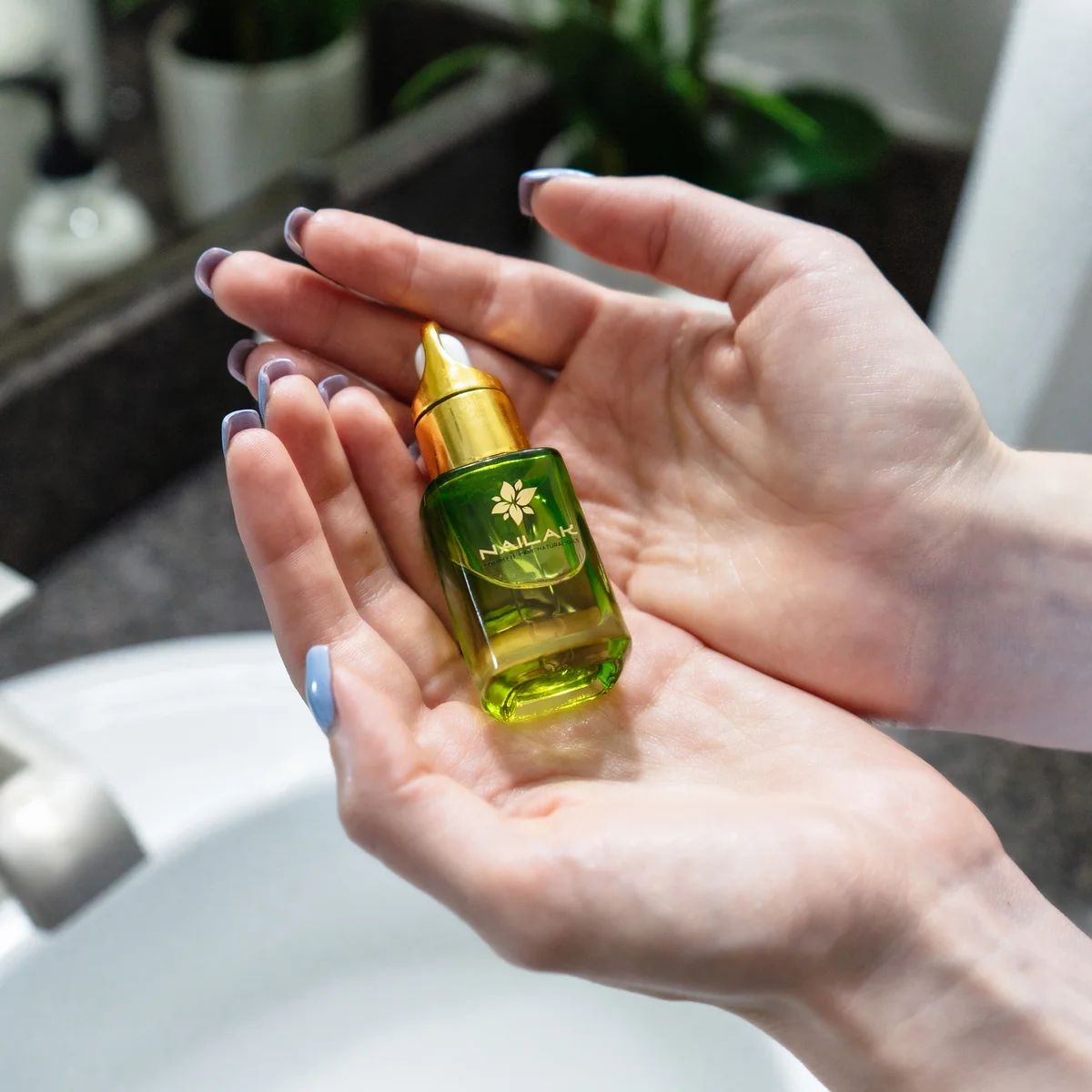
Your winter cheatsheet for rosacea relief and nail hydration: simple routines, smart ingredients, and daily habits that genuinely help.
Winter skin, warmth, and calm
Rosacea has a way of announcing itself when temperatures drop. The triggers are classic: wind, cold air, indoor heating, hot drinks, spicy food, and abrupt temperature swings. Add in holiday stress and you have a perfect storm for flushing and sensitivity.
Here’s the secret: your skin needs a buffer zone. Not just products — habits that keep your face and hands away from extremes.
Manage temperature shifts.
- Wrap a breathable scarf loosely over your cheeks when you step outside.
- Give your face 5–10 seconds in the entryway before you blast into heated air.
- Drink warm, not scalding, beverages. A few degrees cooler helps.
Control your microclimate.
- Run a cool-mist humidifier in the rooms where you spend time.
- Aim for 40–50% humidity if possible.
- Move radiators or space heaters away from direct face contact.
Choose kind fabrics.
- Silk or cashmere near your neck and cheeks.
- Avoid scratchy wool directly on skin that flares with friction.
Create a trigger map.
- Note what you ate, drank, and did before flares.
- Look for patterns: heat, stress, red wine, chilli, vigorous workouts.
- Adjust one thing at a time to see what truly matters.
Small environmental changes soothe skin. Think of them as anti-drama — subtle, steady, and protective.
Daily rosacea-friendly routine
Your routine can be minimal and effective. Focus on hydration, barrier repair, and gentle sun protection. Skip harsh surfactants, heavy fragrance, and aggressive scrubbing. Friction is your enemy; consistency is your friend.
Morning steps
Cleanse with lukewarm water and a non-foaming, low-surfactant cleanser.
- Cream or milk textures are best.
- Massage lightly with fingertips; rinse without rubbing.
Mist or pat on a hydrating layer.
- Look for glycerin, hyaluronic acid, or panthenol.
- Press, don’t swipe.
Add a supportive serum for redness-prone skin.
- Niacinamide (2–5%) to strengthen the barrier.
- Azelaic acid (in over-the-counter strengths) if tolerated.
- Beta-glucan or allantoin for soothing.
Moisturize with a barrier-first cream.
- Ceramides, cholesterol, squalane, and shea help reduce TEWL (water loss).
- If you feel tightness by midday, your moisturizer may be too light.
Sunscreen, every day.
- Even in winter, UVA rays penetrate clouds and windows.
- Choose non-irritating filters and a comfortable texture you’ll actually use.
- Tinted options can subtly neutralize redness.
Pro tip: Keep sunscreen near your toothbrush so you never forget. Commit to two finger-lengths for face and neck.
Evening steps
Remove sunscreen and makeup without a fight.
- Use a gentle balm or oil cleanser first.
- Follow with a creamy second cleanse only if needed.
Soothe and seal.
- Hydrating toner or essence, then a rich cream.
- Spot-occlude the most reactive patches with a thin veil of petrolatum or a non-comedogenic balm.
- If occlusives trap heat for you, use them sparingly and only where dry.
Keep actives simple in winter.
- If you use retinoids, apply the lowest effective frequency.
- Avoid layering multiple strong actives on flare days.
Patch testing and rhythm
- Patch test new items on the jawline or behind the ear for 72 hours.
- Introduce one product at a time.
- Give your skin two weeks to respond before judging.
A routine is a rhythm. In winter, steady beats heal better than crescendos.
Hydrating nails and hands
Dry air doesn’t just dehydrate facial skin — nails and hands take a hit too. When humidity drops, nails lose flexibility and become brittle. Cuticles crack. Hangnails multiply. Every sanitizer use adds to the deficit. The good news: small, daily moisture deposits pay off quickly.
The daily nail hydration ritual
Oil, then cream, then gloves.
- Apply a few drops of jojoba or sweet almond oil to each nail and cuticle.
- Follow with a hand cream rich in glycerin, shea butter, or 5% urea.
- Wear cotton gloves for 20–30 minutes while reading or scrolling to lock it in.
Keep a mini kit.
- Pocket-sized cuticle oil.
- Travel hand cream.
- Glass file for quick snags.
- This lessens the urge to pick or bite dry edges.
Treat your cleanser like skincare.
- Use a gentle, fragrance-light hand wash.
- Avoid very hot water; warm is enough.
- After washing, pat dry and moisturize immediately.
Be mindful with sanitizer.
- Choose versions with added humectants and emollients.
- After it dries, follow with a thin layer of hand cream.
File with intention.
- File in one direction to reduce splitting.
- Round the corners slightly to prevent cracks from catching.
Consistency matters more than the perfect product. Even grocery-store basics help when used daily.
Night repair for hands
Five-minute warm oil soak.
- Warm a teaspoon of oil between your palms.
- Massage into nails and cuticles for a full minute per hand.
Add an occlusive layer.
- After oil, apply a cream with occlusives like petrolatum or dimethicone.
- Slip on cotton gloves and sleep.
Weekly gentle resurfacing.
- If skin is rough, use a mild hand exfoliant once weekly.
- Look for lactic acid at a low percentage and follow with rich cream.
Your hands will feel smoother by morning. Your nails will look healthier within a week.
Smart makeup for sensitive skin
Makeup shouldn’t fight your skin. Aim for minimal layers and soft application.
Create a calm base.
- Green-tinted primer can subtly neutralize redness.
- Avoid heavy silicone layers if they trap warmth for you.
Use breathable coverage.
- Tinted moisturizer or a light mineral foundation is often gentler.
- Apply with a damp sponge and a light touch.
Skip friction.
- No vigorous buffing or repeated swiping.
- Press product in; let it set.
Choose cream textures.
- Cream blush and highlight lift less texture on dry skin.
- Opt for rosy-plum tones that flatter redness without amplifying it.
Remove kindly.
- Micellar water on soft cotton followed by a cream cleanse.
- Never go to bed with makeup, even “light” makeup.
Good makeup on calm skin looks like you, rested.
Food, supplements, and habits
Winter routines live beyond the bathroom. What you sip, how you move, and how you wind down can calm both rosacea and nail dryness.
Warm, not hot.
- Choose warm tea over steaming.
- Let soup cool a beat before the first spoonful.
- Heat spikes can trigger flushing in minutes.
Edit known triggers.
- Consider moderating alcohol, especially red wine.
- Watch spicy food and very hot sauces during flare weeks.
- Try lower-histamine choices if you notice a pattern.
Hydrate smartly.
- Aim for steady water intake, not occasional chugs.
- Add electrolyte tabs if indoor heating leaves you parched.
Support from the plate.
- Prioritize protein for nail strength.
- Include omega-3-rich foods like salmon, walnuts, and flax.
- Get a variety of colorful produce for antioxidants.
Supplement mindfully.
- Biotin can support nails for some, but it may impact lab tests.
- Always discuss new supplements with your healthcare provider.
Gentle movement.
- Favor low-intensity workouts that don’t overheat you: Pilates, walking, yoga.
- If you love cardio, pre-cool with a cool compress and lower the room temp if possible.
Stress care as skincare.
- Try box breathing: inhale 4, hold 4, exhale 4, hold 4, repeat.
- Five minutes of daily journaling helps lower the baseline buzz.
For deeper seasonal strategies, a helpful perspective comes from this winter rosacea guide, which echoes the power of gentle habits and barrier-first care.
S.O.S. plan for flare days
Flares happen. The goal is not zero flares; it’s shorter, softer ones. Build a small kit and a simple plan.
What to do in the first 10 minutes
Pause heat.
- Step away from stoves, heaters, and hot drinks.
- Sip cool (not ice-cold) water.
Apply a cool compress.
- Use a clean, damp cloth cooled in the fridge.
- Press gently for 5–10 minutes. No ice.
Simplify products.
- Skip actives. Choose a fragrance-free, barrier-focused moisturizer.
- If needed, spot-apply a gentle occlusive over the hottest patches.
Reset your environment.
- Lower the thermostat a notch.
- Turn on the humidifier.
- Breathe slowly for two minutes.
Hands and nails during a flare-prone day
- Wash hands in lukewarm water only.
- Follow with a ceramide or urea-based hand cream every time.
- Avoid acetone removers; choose non-acetone formulas for polish changes.
- If nails catch on fabric, file immediately rather than picking.
Your “flaring kit”
Keep these in a pouch:
- Travel hydrating mist
- Fragrance-free barrier cream
- Mini cuticle oil
- Cotton handkerchief for cool compresses
- A soft scarf to reduce wind stress
- Tinted mineral SPF for easy reapplication
Your kit doesn’t need to be fancy. It just needs to be reachable.
A softer season ahead
Winter asks us to consider the edges of our day — the moment between the door and the street, the pause before the mug touches our lips, the quiet halfway through a meeting when we remember to breathe. Rosacea and dry nails are not character flaws; they’re signals. They say, “Could you meet me with care?” When you honor those signals — with lukewarm water, with an extra layer of cream, with a minute of oil massaged into each nail — you build a kind of quiet confidence.
Confidence isn’t louder makeup or a braver shade of polish, though those can be fun. It’s the knowledge that you can weather the wind and the radiators and the scroll of obligations with a plan that respects your skin. It’s standing at the sink on a cold evening, gently cleansing, patting in moisture, smoothing balm over the places that need it most. It’s treating your hands like they work hard for you — because they do.
This cheatsheet won’t change the forecast. But it will give you the rhythm to move through it with more ease. Warm, calm, hydrated. A softer season, on your terms.
Frequently Asked Questions (FAQ)
Q: What moisturizer texture works best for rosacea in winter?
A: Creams with mid-to-rich textures tend to perform best. Look for ceramides, cholesterol, glycerin, squalane, and shea butter. If you feel greasy, reduce the amount and layer a hydrating serum underneath. If you feel tight by noon, your cream is too light.
Q: Can I use retinoids if I have rosacea?
A: Many people with rosacea tolerate low-strength retinoids when introduced slowly. Use them only at night, sandwich with moisturizer, and reduce frequency during flare weeks. If irritation persists, pause and consult a dermatologist.
Q: How often should I oil my nails and cuticles?
A: Daily is ideal in winter. Aim for morning and night, plus a quick dab after each hand wash if your hands are very dry. Consistency matters more than the amount.
Q: Is hand sanitizer making my nails worse?
A: Frequent sanitizer use can dry nails and cuticles. Choose formulas with added humectants and follow with hand cream once the sanitizer dries. When possible, wash with gentle soap and warm water instead.
Q: Do humidifiers actually help with rosacea and dry hands?
A: Yes, maintaining moderate indoor humidity reduces transepidermal water loss for both facial skin and hands. Your moisturizer works better, and your nails stay more flexible. Aim for 40–50% humidity if you can.
Estimated word count: ~1,960 words