
How to Prevent Hangnails: Gentle, Expert Tips
She glanced at her hands during a morning coffee break — the soft sheen of care was the quiet reminder that small rituals matter. On another morning, the story looked different. The sweater snagged, a tiny sting lit up her fingertip, and the impatient tug of a hangnail decided the day’s mood. It wasn’t dramatic, but it was distracting. A single torn edge at the side of the nail made every sleeve, zipper, and pump of hand sanitizer feel like a battle.
Maybe you know that feeling. You tap your nails against the mug, wondering if that rough little edge will catch again. It always seems to happen when the air turns dry or the week turns busy. There’s the guilt of picking. The “I’ll fix it later” that never arrives. And then the mindless nibble while answering emails… and ouch.
Hangnails are tiny, but they speak loudly. They’re the body’s whisper that the skin barrier around your nails needs more attention. Not more time — more intention. The good news? You can make hangnails rare, not routine. The secret is a rhythm of moisture, gentle grooming, and protection — woven into everyday life so it feels effortless.
Think about all the moments your hands carry your day: washing dishes, typing, helping a child tie a shoelace, handing over a business card. Healthy, comfortable cuticles are quiet confidence. You can almost feel the smoothness when you glide your thumb over your index finger and find only softness. No snags. No sting. Just care.
Let’s be honest: life won’t pause for a long manicure every week. But it doesn’t have to. You can prevent hangnails with small, steady habits that fit into your morning coffee, your commute, your couch time. The steps are simple. The results are soothing.
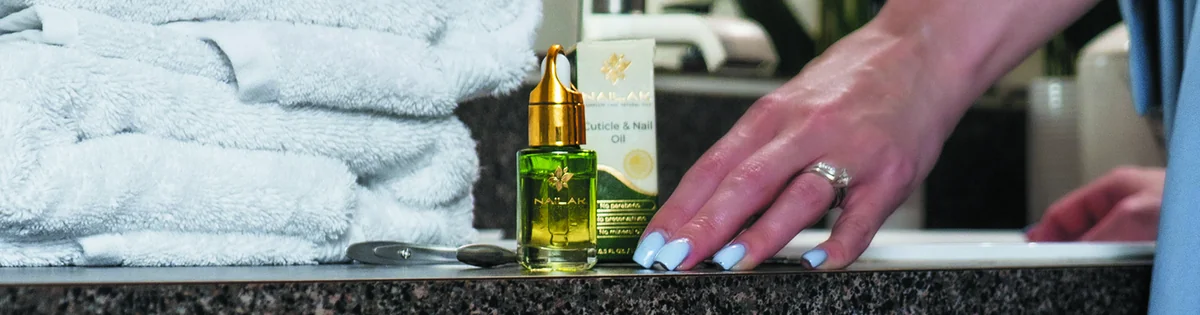
Quick Summary: To prevent hangnails, hydrate cuticles daily, groom gently, protect hands from harsh exposure, and support skin from the inside out.
How to Prevent Hangnails: The Basics
Hangnails happen when the skin around your nails dries out, tears, or becomes irritated. The area is delicate. Frequent handwashing, sanitizer, and sudden temperature changes make it more fragile.
Prevention starts with three pillars:
- Hydration: Lock in moisture around the nail fold with oils and creams.
- Gentle grooming: Trim, don’t tear; smooth, don’t saw.
- Protection: Reduce friction and overexposure to water and chemicals.
Think of it like caring for your lips in winter. You wouldn’t skip a balm for a week and expect comfort. Cuticles need the same consistent kindness.
What Causes Hangnails?
Hangnails are small splits of skin at the side of the nail. Common triggers include:
- Dry air, especially in fall and winter
- Frequent handwashing or sanitizer use
- Harsh detergents or cleaning agents
- Aggressive cuticle cutting or picking
- Biting nails or cuticles
- Dehydration and low essential fatty acids
- Lack of protective gloves during chores
The cuticle is a seal between your nail plate and skin. When it’s dry or damaged, it frays like a delicate ribbon. If you tug, the fray worsens. If you moisturize and smooth, it behaves.
Let’s replace tugging with tender care.
Daily Rituals That Stop Hangnails
Small daily steps prevent most hangnails. Here’s a simple routine that fits real life.
Morning minutes:
- After washing your hands, pat them dry.
- Press a drop of cuticle oil into each nail fold.
- Finish with hand cream to seal in hydration.
On-the-go:
- Keep a mini cuticle oil or balm in your bag and apply during meetings, rideshares, or before lunch.
- Use a glass nail file to quickly smooth any snag before it turns into a tear.
Evening wind-down:
- Massage a richer hand cream into palms and backs of hands.
- Add a thicker ointment or balm around the nails.
- Slip on cotton gloves for 10–15 minutes while you read or watch a show.
Weekly polish:
- Gently push back cuticles after a shower or soak using a soft pusher.
- If you see a lifted edge, use sanitized nippers to snip only the dead skin — never live tissue.
- File nail edges smooth to remove catch points.
Four actionable tips you can start today:
- Apply a drop of cuticle oil after every handwash.
- Wear gloves for cleaning, dishes, or gardening.
- Pack a mini balm and a glass file in your work bag.
- Stop the urge to pick by covering a snag with a liquid bandage until you can trim it.
The best prevention is consistency. Think seconds, not hours.
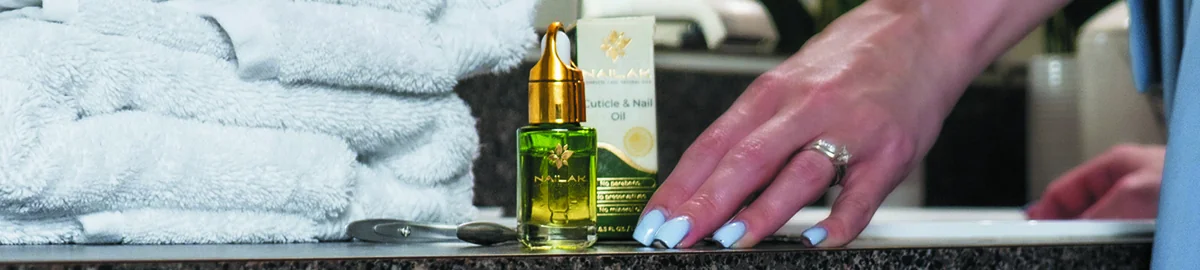
Smart Hydration for Resilient Cuticles
To prevent hangnails, hydration isn’t optional. It’s your main strategy.
Ingredients to look for:
- Cuticle oils: jojoba, sweet almond, squalane, and vitamin E
- Barrier creams: shea butter, glycerin, urea (2–10%), ceramides
- Ointments: lanolin or petrolatum for overnight sealing
A simple layering method:
- Oil: Use one drop per nail and massage gently.
- Cream: Work a pea-sized amount into hands, focusing on the nail folds.
- Seal: If you’re very dry, tap a thin layer of ointment on top at night.
Why layering works:
- Oil softens and conditions.
- Cream adds water-binding humectants and supportive lipids.
- Ointment locks the goodness in, preventing transepidermal water loss.
If your skin feels tight within an hour of moisturizing, apply more often or switch to richer textures. Frequency wins over one heavy product.
Travel tip: Airplane cabins are deserts. Reapply oil before takeoff and before landing. You’ll feel the difference.
Gentle Grooming: Tools and Technique
Hangnails often start with a rough edge. The right tools prevent that story.
Your 5-minute cuticle routine:
- Soften: After a shower, gently pat dry.
- Push: Use a soft, rounded cuticle pusher to nudge back the cuticle. No force.
- Snip only dead skin: If a hangnail lifts, clip it cleanly with sanitized, sharp nippers.
- Smooth: File the nail edge with a glass file to remove any snag points.
- Soothe: Finish with oil and cream.
Good habits:
- Replace dull nippers. Dull blades tear instead of trimming.
- File in one direction to avoid micro-tears.
- Never cut live cuticle tissue. It protects your nail bed.
If you’re tempted to pick:
- Keep a liquid bandage handy. Seal the area to prevent catching and infection.
- Use a tactile distraction, like a smooth stone or hair tie, when the urge hits.
A calm ritual beats a frantic tug every time.
Seasonal Shields: Work, Winter, and Water
Most hangnails flare during cold, dry months or busy work seasons. Plan defenses.
Protection checklist:
- Gloves for dishes, cleaning, and gardening
- A bedside hand cream and balm
- Desk-sized hand cream with a dropper of cuticle oil
- Hydrating sanitizer or follow sanitizer with oil
Work hacks:
- Use a humidifier at your desk in winter.
- Moisturize after sanitizer. Oil first, then cream if needed.
- Keep a soft towel to blot moisture after washing. Rubbing with paper towels can abrade skin.
Two to three sentence external reference paragraph: Winter beauty trends often celebrate soft-focus skin and cozy finishes, which pair beautifully with well-cared-for hands. When makeup leans dreamy and plush, tidy nails and hydrated cuticles make the whole look feel polished without trying. A smooth cuticle line is the quiet complement to any seasonal glow (source: https://www.elle.com/beauty/makeup-skin-care/g69438999/winter-2025-2026-makeup-trends/).
At-home rescue for a fresh hangnail:
- Clean the area with mild soap and water.
- Clip the protruding dead skin. Don’t pull.
- Dab with an antiseptic, then seal with a thin layer of ointment.
- Cover if needed and avoid picking while it heals.
Water is both friend and foe. Hydrate from within, then shield from overexposure.
Nutrition and Inside-Out Care
Your skin’s resilience starts inside. You don’t need a complex regimen, just steady basics.
Skin-supporting nutrients:
- Healthy fats: salmon, walnuts, flaxseed, olive oil
- Protein: supports keratin in nails and skin
- Vitamins C and E: antioxidant support
- B vitamins and biotin: assist nail strength for some people
- Hydration: water, herbal tea, water-rich fruits
Simple plate ideas:
- Greek yogurt with berries and walnuts
- Avocado toast with a soft-boiled egg
- Salad with chickpeas, olive oil, and sunflower seeds
- Salmon with lemon and steamed greens
If you notice frequent hangnails plus brittle nails or peeling, consider whether your diet feels skimpy on protein or fats. Clue in and course-correct.
When to Treat or See a Pro
Most hangnails are minor. Care at home usually works. But there are moments to ask for help.
Call your nail pro or healthcare provider if:
- The area looks red, swollen, or pulses with pain
- You see pus or a spreading infection
- You have diabetes or compromised immunity and healing is slow
- Hangnails are constant despite careful routine
At the salon:
- Request gentle cuticle care, no cutting of live tissue
- Ask for non-drying removers and hydrating finishes
- Book regular tidy-ups during winter or busy months
At home:
- Keep tools clean and disinfected
- Replace files and buffers when worn
- Hydrate, hydrate, hydrate
A little vigilance prevents a lot of discomfort.
A Small Ritual, A Big Shift
Hands tell a quiet story. They show how you move through your day, what you touch, and what you tend to. When you learn how to prevent hangnails, you’re not just fixing a snag. You’re choosing softness over struggle.
There’s confidence in small consistencies. One drop of oil after you wash. A quick file instead of a frustrated tug. Gloves when you rinse the pans. None of it is dramatic. All of it adds up.
Picture your next coffee break. You reach for the mug and feel only smooth edges, cared-for skin, and a little pride. Your hands are comfortable. Your mind is free for the moment that matters. That’s self-care at its most elegant: quiet, steady, and yours.
Frequently Asked Questions (FAQ)
Q: What is the fastest way to stop a hangnail from hurting? A: Clean the area, clip only the lifted dead skin, and avoid pulling. Dab a small amount of antiseptic, then seal with a thin layer of ointment or liquid bandage. Follow with cuticle oil around (not on) the opening once or twice a day.
Q: Which ingredients are best to prevent hangnails? A: Look for jojoba, squalane, or sweet almond oil for daily conditioning. Pair them with glycerin or urea in hand creams to draw in water, and ceramides or shea butter to support the barrier. At night, seal with a dab of petrolatum or lanolin.
Q: How often should I use cuticle oil? A: Use a drop after every handwash if you’re prone to hangnails. At minimum, apply morning and night, then layer hand cream. Consistency matters more than quantity, so keep a travel-sized oil nearby.
Q: Is it better to cut or push back cuticles? A: Gently push back softened cuticles and only trim non-living, lifted bits. Avoid cutting live cuticle tissue; it’s your protective seal. Over-cutting invites dryness, hangnails, and infection.
Q: Do gloves really make a difference? A: Absolutely. Water, detergent, and cold air strip moisture fast. Wearing dish or cleaning gloves, and warm gloves outdoors, prevents the cycle of drying and tearing that leads to hangnails.
Estimated word count: ~2050 words.