
Nail Oil vs Cuticle Cream: What Your Nails Need
She glanced at her hands during a morning coffee break — the soft sheen of care was the quiet reminder that small rituals matter. No one else noticed the faint crescent of dry skin along her cuticles or the little snag near her thumb. But she felt it. That tiny roughness can distract more than a loud ring tone. It’s the kind of thing you sense while typing an email or stirring oatmeal, tugging at your attention, whispering, take care of me.
We all have those small beauty moments that anchor the day. A swirl of perfume on the wrist. A quick face mist before the afternoon slump. And increasingly, a minute-long massage of nail oil or a dab of cuticle cream. The ritual is small and sensual: the glide of a silky drop, the gentle press of a balm, the way the skin softens as you breathe. You can almost feel the smoothness before you see it.
But here’s where many of us get stuck: nail oil vs cuticle cream — which one belongs in your bag, at your nightstand, or in your office drawer? They look similar, promise hydration, and both whisper “healthy nails here.” Yet they’re not the same. They serve different purposes, absorb differently, and mesh with your routine in distinct ways.
Think about your day. If you wash your hands often, your nails may feel tight by noon. If you love gel manicures, your natural nail can thirst for relief. If winter stings, your cuticles lift and fray. These small differences are clues. Your nails and cuticles are sisters, not twins. Nails need flexibility and strength; cuticles need barrier support and soothing. Nail oil and cuticle cream deliver these goals through different textures and ingredients.
Let’s be honest. A product only helps if you’ll actually use it. Maybe you’re drawn to the instant slip of oil. Maybe the comfort of a rich cream calms you. Maybe both feel right, at different times. That’s the beauty of a mindful routine — you tailor it to your taste, your climate, and your day. When the habit fits your life, your hands look and feel like you’ve been kind to yourself.
Today, we’ll clear the fog. We’ll walk through nail oil vs cuticle cream in plain terms, look at ingredients, and match formulas to lifestyles. You’ll learn how to layer, when to switch, and how to get pro-level results at home. Because the best manicure isn’t only color and shine. It’s the state of the canvas beneath — and the care you give it, drop by drop, dab by dab.
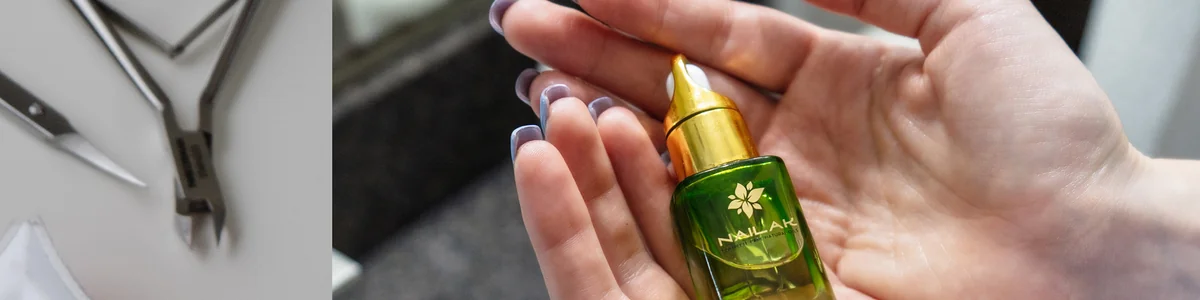
Quick Summary: Nail oil vs cuticle cream comes down to mobility versus barrier — oil feeds and flexes the nail plate while cream cushions, seals, and soothes the cuticle.
The quiet needs of nails and cuticles
Your nails and cuticles have different jobs, and that matters when you choose products.
- The nail plate: Think of it as layered keratin tiles. Those layers need flexibility to resist chipping and micro-cracking. They respond well to lightweight lipids that absorb into the plate.
- The cuticle: This is the thin seal of skin protecting the nail matrix from bacteria and irritants. It needs a calm, intact barrier. It benefits from occlusive and humectant-rich care that softens and guards.
When nails lose moisture, they get brittle and peel. When cuticles dry out, they lift, snag, and invite infection. The fix isn’t aggressive cutting or scraping. It’s consistent, gentle hydration that respects the barrier. You want nails supple enough to bend slightly and cuticles smooth enough to lay flat like a silk ribbon.
The secret: pick a format that delivers what each structure needs. Oils soak in and keep the plate flexible. Creams linger on the skin, holding water in and calming irritation. Both can shine in the same routine, as long as you know how to use them.
Nail oil vs cuticle cream, explained
Let’s define the difference in everyday terms.
Nail oil:
- Texture: Thin to medium slip, sinks in quickly.
- Target: Nail plate and surrounding skin.
- Goal: Replenish lipids, improve flexibility, boost shine, prevent peeling.
- Best for: Frequent hand washers, gel or dip powder fans, anyone with peeling or ridged nails.
Cuticle cream:
- Texture: Richer, more cushion. Often comes in pots or tubes.
- Target: Cuticle line and sidewalls.
- Goal: Moisturize and seal, reduce hangnails, soothe redness, protect the barrier.
- Best for: Dry climates, winter months, post-sanitizer care, sensitive skin that needs comfort.
Think of oil as your daily vitamin for the nail, and cream as the soft scarf you wrap around delicate skin. Oil moves; cream shields. Oil disappears into the plate; cream sits longer to seal hydration.
When to use oil:
- After removing polish or enhancements.
- Before bed for deep penetration.
- Midday when nails look dull or feel tight.
When to use cream:
- Right after washing or sanitizing.
- Before heading outside on a windy day.
- When your cuticles look lifted or red.
You can absolutely use both. In fact, they play beautifully together.
Ingredient deep dive
Ingredients tell the real story. Here’s how to decode labels for smarter choices.
For nail oils
Look for fast-absorbing, nail-friendly lipids and strengthening extras.
- Jojoba oil: Mimics skin’s natural sebum; penetrates well without greasiness.
- Sweet almond or apricot kernel oil: Light, softening, and vitamin-rich.
- Squalane: Weightless and stable, great for daily use and non-greasy slip.
- Vitamin E (tocopherol): Antioxidant that supports resilience and shine.
- Phospholipids or ceramides: Help reinforce the nail’s lipid matrix.
- Lightweight esters: Improve spread and absorption without residue.
Nice-to-have boosters:
- AHA/BHA in trace amounts for gentle smoothing, if the formula is designed for nails.
- Plant extracts like calendula or chamomile for calm and comfort.
Avoid heavy fragrances or essential oils if you’re sensitive. Nails don’t need scent; they need structure and slip.
For cuticle creams
You’re shopping for humectants to draw in water and occlusives to seal it.
- Glycerin and hyaluronic acid: Pull moisture into the skin.
- Urea (low percentage): Smooths and softens rough cuticles without harshness.
- Shea butter and cocoa butter: Cushion the skin and prevent moisture loss.
- Petrolatum or lanolin: Powerful occlusives that trap hydration; great in winter.
- Panthenol and aloe: Soothe irritation and support barrier repair.
- Ceramides and cholesterol: Fortify the skin’s protective layer.
Be cautious with strong chemical exfoliants at the cuticle line. If you use a softener or remover, save it for occasional care, not daily. The goal is comfort, not over-exfoliation.
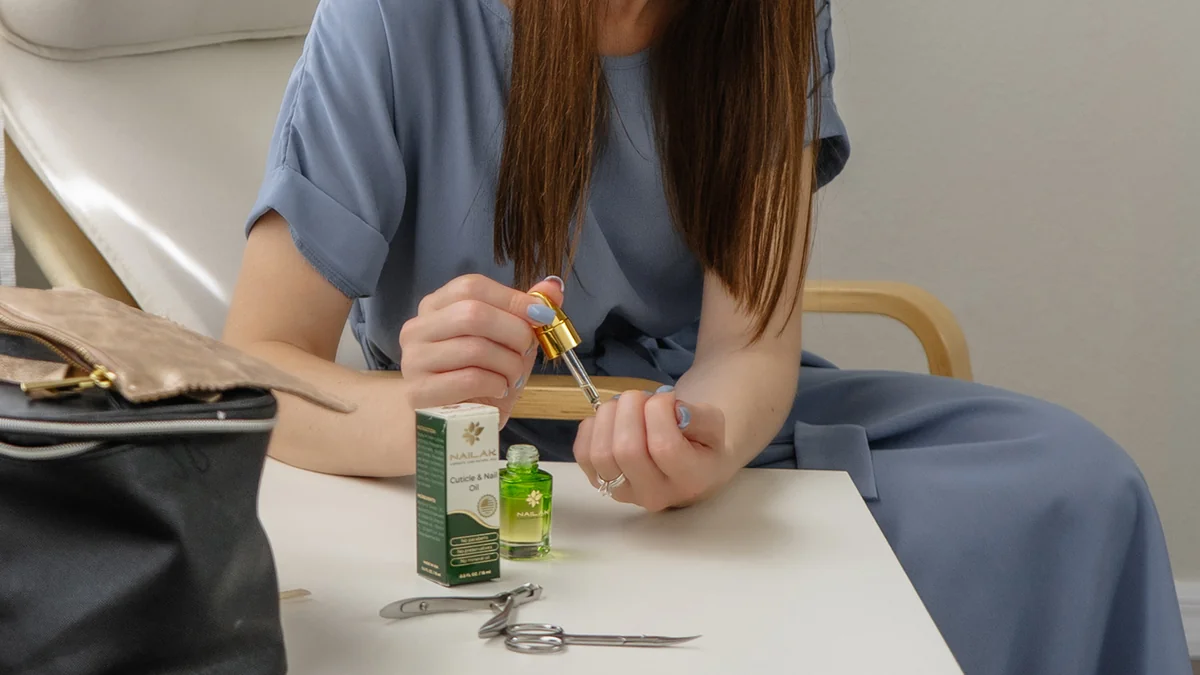
Choosing for your lifestyle
Your best pick depends on what your days look like.
- If you sanitize constantly: Choose cuticle cream for post-wash sealing, plus a light nail oil at night.
- If you wear gels or dips: Use nail oil twice daily to keep the plate flexible and reduce post-removal brittleness.
- If you type or handle paper all day: Oil won’t mark paper once absorbed; cream can sit on top. Use oil midday, cream at home.
- If you’re outdoors a lot: Cream shields against wind; oil replenishes after sun and dust.
Consider format, too:
- Brush-on pen oils are portable and neat.
- Rollerballs feel luxurious but can over-apply.
- Pots of cream invite mindful massage and are ideal bedside.
- Tubes are travel-friendly and hygienic.
A quick industry side note: there’s a broader beauty conversation about authentic routines lasting longer than trend noise. Recent profiles of creators emphasize that genuine, well-loved rituals resonate more than flashy claims — a reminder that choosing nail oil vs cuticle cream starts with what you’ll truly use daily. Authentic influence tends to endure when it’s rooted in real care. (source: https://www.beautyindependent.com/aditya-madiraju-brand-deal-red-flags-ai-content-creators-influence-endures/)
Pair products with moments you already have:
- Keep a brush-on oil by your laptop for two swipes during a loading screen.
- Tuck a tiny cream in your coat pocket for post-commute recovery.
- Park a richer balm on your nightstand for a 30-second massage before lights out.
Small cues build consistency. Consistency builds results.
A seasonal care blueprint
Your nails and cuticles have weather moods. Adjust your routine the way you switch from linen to cashmere.
Daily rhythm
- Morning: Apply cuticle cream after your first hand wash. It seals in moisture for the day.
- Midday: If nails look dull, brush on a thin layer of nail oil. Let it sink in as you sip water.
- Night: Massage nail oil into each nail plate, then press a pea of cream along the cuticle line.
Weekly reset
- After removing polish or enhancements: Saturate nails with oil and let it sit for five minutes.
- Gentle grooming: Push back cuticles softly with a damp, warm towel. Do not cut living skin.
- Strength moment: If you use a strengthening base coat, apply the day after a heavy oil session.
Seasonal switches
- Winter: Increase occlusives. Choose a thicker cream with shea or petrolatum.
- Summer: Lighter textures win. Use squalane-based oil and a gel-cream cuticle hydrator.
- Travel: Airplane air dehydrates quickly. Pre-flight oil, post-landing cream.
The aim is harmony. You want nails that flex without breaking and cuticles that lie smooth and quiet.
Application techniques that work
Technique turns good products into great results. Here’s how to get the most from nail oil vs cuticle cream.
- Clean, warm canvas
- Wash hands with a gentle cleanser. Pat dry.
- If possible, apply after a warm shower or soak. Warmth helps absorption.
- Oil first, then cream
- For combo routines, apply nail oil to the plate and sidewalls.
- Wait 60–90 seconds. Massage in tiny circles toward the cuticle line.
- Seal with cream on the cuticles and sidewalls. This traps the oil’s benefits.
- Micro-massage matters
- Use your thumb to press along the cuticle in tiny semicircles.
- Spend five seconds per nail. It boosts circulation and growth.
- Think frequency, not volume
- A thin film of oil two to three times daily beats one thick layer.
- A pea of cream per hand is plenty. Add more if the air is dry.
- Respect polish
- If you’re about to paint, skip oil right before polish; it can affect adhesion.
- Instead, oil the night before, cleanse nails with alcohol, then polish.
Actionable tips you can start today:
- Put oil where you’ll see it: next to your water bottle or keyboard.
- Set a phone reminder for a one-minute night ritual.
- Use oil after removing gel to reduce the “post-gel stiffness.”
- If hangnails are frequent, add a urea-based cream three nights a week.
Here’s the secret: consistency wins every time. The glow you admire on other hands is often the result of small, regular care.
The ritual that builds confidence
There’s something intimate about caring for your hands. You greet the world with them. You cook, text, sign, wave, and hold. When you take a minute to smooth the cuticle line and breathe a little deeper, it’s not vanity. It’s reassurance. It’s telling your future self, I’ll meet you there with comfort and care.
Nail oil vs cuticle cream isn’t a rivalry. It’s a duet. Oil brings movement and life to the nail plate. Cream offers shelter and softness to the skin that protects it. Together, they turn rough into refined, and hurried into intentional.
Let this be your gentle pause, the moment between tasks that resets everything. The small swipe of oil, the balm pressed into place, the way the light catches your hand afterward — it’s proof that care doesn’t need a calendar invite. Just a pocket of time, a mindful breath, and a choice that says: I’m worth the softness I offer myself.
Estimated word count: ~1,980 words
Frequently Asked Questions (FAQ)
Q: Can I use both nail oil and cuticle cream, or should I choose one? A: Use both if you can. Apply nail oil first to nourish the plate, then seal the cuticle with cream. Oil adds flexibility; cream protects the barrier. If you must pick one, match it to your main concern: peeling nails (oil) or rough, lifting cuticles (cream).
Q: How often should I apply them for visible results? A: For nail oil, aim for twice daily in dry climates or after gel removal, and once nightly for maintenance. For cuticle cream, use after each hand wash if possible, or at least morning and night. Expect smoother cuticles within a week and stronger-looking nails in two to four weeks.
Q: Which ingredients should I look for — and avoid? A: Look for jojoba, squalane, and vitamin E in oils, plus ceramides or phospholipids if available. In creams, choose glycerin, urea (low dose), shea butter, panthenol, and ceramides. Avoid heavy fragrance or sensitizing essential oils if you’re reactive, and limit strong exfoliants at the cuticle line.
Q: Will nail oil make my manicure chip faster? A: Not if you time it right. Apply oil daily, but before painting, cleanse the nail with alcohol or acetone to remove residue. Oil the night before a manicure, not immediately before base coat. After polish cures, resume oil to maintain flexibility.
Q: I get hangnails often. Should I switch to cream only? A: Keep cream as your anchor, especially formulas with urea or shea. But don’t skip oil entirely. Oil keeps the lateral nail folds supple, which helps prevent tears. Combine cream after every wash and oil at night for two weeks, and reassess.