
We’re Moving: Non-Toxic Nail Care Essentials
She paused between cardboard boxes, the tape gun dangling from her wrist, and glanced down at her hands. The color on her nails had chipped into tiny confetti shapes—proof that she’d been lifting, wrapping, labeling, and making a hundred little decisions. It wasn’t glamorous. It was real life. But as the afternoon light caught the soft curve of her fingertips, she smiled. Even in the chaos of moving, a quiet ritual still waited for her: a simple, non-toxic way to care for her nails and feel like herself again.
There’s something about moving—whether it’s changing homes, shifting routines, or turning the calendar page—that invites a reset. We sort out what to keep. We donate what no longer fits. We get honest about what feels good in our daily rituals. And if you’re anything like me, your nail care lives right in that tender place between polish and pause. It’s style, but also self-respect. It’s color, but also comfort. It’s beauty that asks to be kind.
Let’s be honest: there’s a special kind of magic in a clean, well-shaped manicure that lets you pick up a pen, a steering wheel, or a fresh mug of tea and feel put together. You can almost feel the smoothness before it happens. Non-toxic nail care extends that feeling. It chooses gentler formulas, smarter habits, and a few tools that pull more than their weight. It’s a way to show up for yourself, even when the moving boxes are still stacked in the hallway.
Maybe you’re planning a cross-town move. Maybe you’re reorganizing your life after a busy season. Or maybe you’re simply ready to switch to non-toxic polishes, removers, and treatments that nourish rather than deplete. Consider this your moving-friendly, clean-beauty guide to nails that look elegant and stay resilient—without the fumes, the harshness, or the heavy lift.
Because here’s the secret: a non-toxic routine isn’t about perfection. It’s about fewer irritants, more care, and realistic steps that fit your day. Pack that in with the dishes and the books, and you’re already halfway there.

A moving-friendly, non-toxic nail care routine that feels elegant, protects nail health, and fits real life.
Why non-toxic nail care matters
Good nail care is not just about shine. It’s about comfort, longevity, and feeling well in your own skin. Non-toxic nail care aims to reduce exposure to irritants found in some conventional polishes, removers, and treatments while promoting stronger nails and healthier skin around them.
Here’s what shifts when you choose cleaner options:
- Less harsh odor during application.
- Fewer common irritants that can cause sensitivity.
- Better nail resilience because you’re not constantly stripping.
- Longer wear if you prep well and use quality base coats.
Let’s clear up a myth: “non-toxic” doesn’t mean a product is perfect, nor does “clean” mean it’s natural or organic. It simply signals fewer commonly flagged ingredients, often labeled “3-free,” “7-free,” “10-free,” or more. The number indicates which substances the brand leaves out. This can be meaningful if your skin is reactive, you do your nails often, or you share products with kids or sensitive loved ones.
Another bonus? A gentler approach usually includes nourishing add-ons—like cuticle oils, water-based hydration, and glass files—that protect the delicate layers of the nail plate. Over time, those choices add up to fewer splits and peeling, fewer emergency breaks, and a manicure that looks freshly done even on your second coffee.
Your moving-day manicure plan
Moving days are tough on hands. You’re packing boxes, unrolling bubble wrap, and saying hello to new keys and doorknobs. The right non-toxic nail strategy will get you through without a trail of snags and chips.
Try this simple plan:
- Keep nails short and softly rounded. Shorter nails are less likely to tear while lifting.
- Do a gentle buff. Smooth ridges lightly to reduce snagging and help polish grip.
- Apply a non-toxic strengthening base coat. Choose one with hydrating elements like plant oils or calcium.
- Finish with a sheer, neutral polish or stop at the base coat. Chips are less noticeable with sheer shades.
- Seal with a quick-dry, 7–10-free top coat. This adds protection without heavy fumes.
- Keep a pocket-size cuticle oil handy. A drop after hand washing keeps the skin flexible and reduces hangnails.
- Wear breathable cotton or nitrile gloves for heavy lifting. Protect the finish and your skin from dust and tape.
Five actionable tips to make it easier:
- Prep the night before moving day, not the morning of.
- Use a glass file; it seals the edge more gently than an emery board.
- Choose a sheer color close to your nail bed. It camouflages wear.
- Pack a tiny nail kit in your purse—file, oil, hand cream, and bandages.
- Reapply top coat on day three to refresh shine and extend wear.
When brands move warehouses
Sometimes, the products you love take a brief pause, especially during a warehouse move. According to the brand update, you may see short shipping delays as teams transition. Restock smart: keep a backup base coat and top coat so your non-toxic routine doesn’t skip a beat while your favorite brand settles in.
Ingredient check: what to avoid
Labels shouldn’t feel like a chemistry exam. You don’t need to memorize everything, but you can focus on a handful of ingredients commonly avoided in non-toxic nail care.
Often-flagged polish and treatment ingredients:
- Formaldehyde: a hardening agent that can be irritating.
- Toluene: a solvent linked to strong fumes and potential sensitivity.
- Dibutyl phthalate (DBP): a plasticizer many brands now avoid.
- Formaldehyde resin: different from formaldehyde, still irritating to some.
- Camphor (synthetic in high concentrations): may cause headaches or irritation.
- Ethyl tosylamide: often excluded in “free-from” polishes.
- Xylene: solvent with strong odor and potential irritation.
- Triphenyl phosphate (TPP/TPhP): plasticizer some consumers choose to avoid.
- Parabens: preservatives frequently excluded in “clean” formulas.
For gels and extensions, scan for:
- HEMA and certain acrylates: common allergens for some users. Patch-test and avoid skin contact.
Three simple ways to decode a bottle:
- Look for “7-free,” “9-free,” “10-free” or higher. Then check the brand’s list to see what they exclude.
- Trust your senses. If the smell is aggressive or your skin reacts, reconsider.
- Review the base coat first. It’s the product closest to the natural nail and a smart place to upgrade.
One note on removers: 100% acetone works fast but can be drying. Non-acetone removers are gentler but slower. You can split the difference—use acetone sparingly with plenty of post-removal oil, or opt for a balanced formula that includes conditioners.
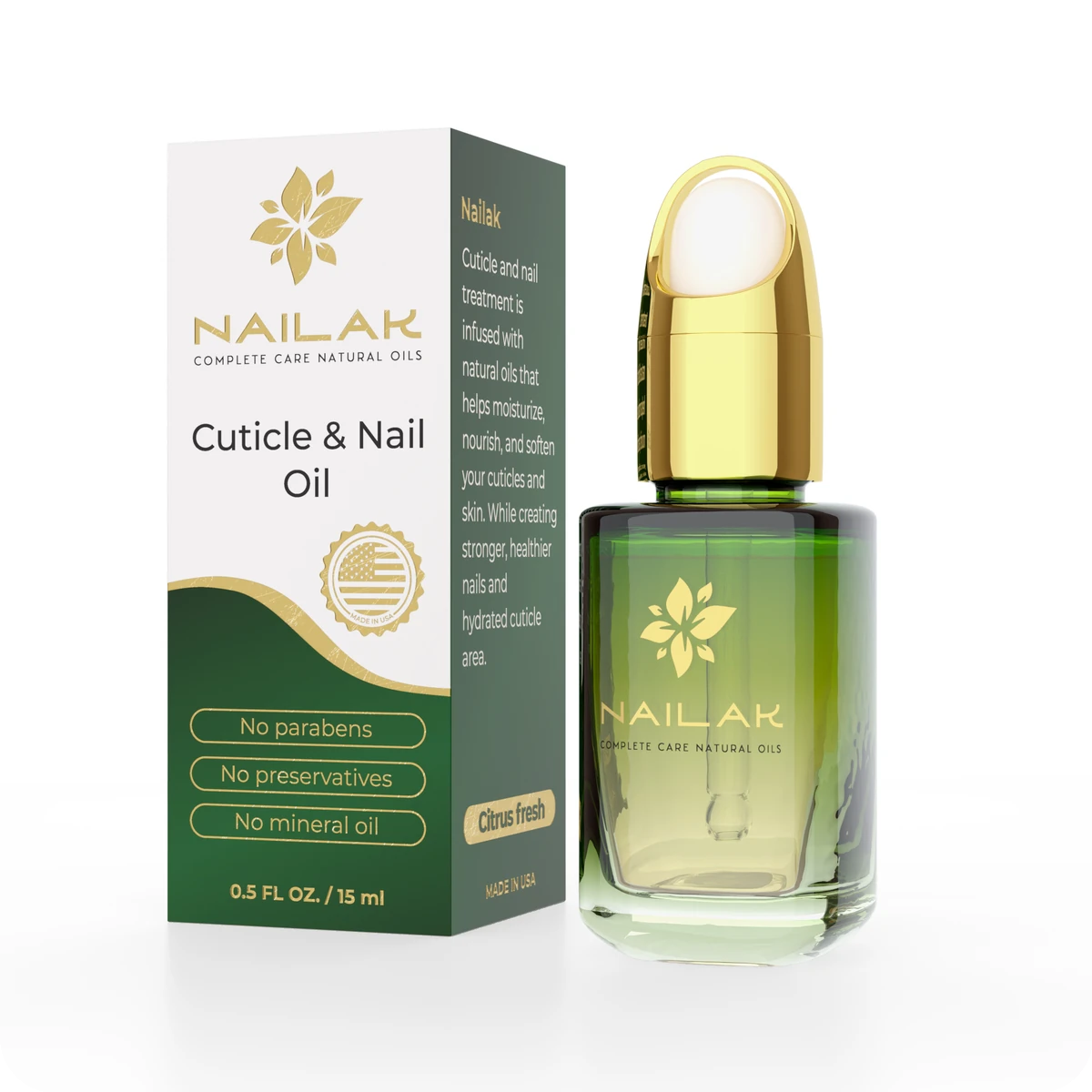
Build a clean, travel-ready nail kit
Whether you’re moving apartments or just moving through a busy week, a tidy kit keeps your non-toxic routine easy and elegant. Think small, powerful, and versatile.
A five-piece minimalist kit:
- Glass nail file: seals edges and lasts for years.
- Non-toxic base coat: the real MVP for strength and wear.
- Sheer neutral polish: one shade that suits every outfit and moment.
- Quick-dry, 7–10-free top coat: speed, shine, and protection.
- Cuticle oil in a mini dropper: instant flexibility and glow.
Nice-to-have extras:
- Travel hand cream with ceramides or glycerin.
- Biodegradable nail polish remover pads or a small bottle with a leak-proof cap.
- Orangewood sticks for tidy cuticles without cutting.
- A mini buffing block for smoothness.
Pack it like a pro:
- Use a small zip pouch with an inner pocket for liquids.
- Place remover upright in a sealed snack bag to contain spills.
- Add a microfiber cloth for quick cleanup on the go.
- Keep bandages and a pair of cotton gloves for heavy work.
With this kit, you can refresh a manicure at a hotel sink, in your new kitchen at midnight, or between meetings. A few thoughtful tools beat an overflowing bin every time.
Simple at-home rituals that work
A clean routine doesn’t need two hours or ten products. It needs flow. Build yours around gentle prep, hydration, and protection.
Your non-toxic weekly manicure:
- Wash hands with a mild soap. Dry thoroughly.
- Apply a drop of oil, then push back cuticles with an orangewood stick.
- Clip only if needed; otherwise, shape with a glass file.
- Lightly buff the surface. Remove dust with a damp cloth.
- Swipe nails with remover to de-grease.
- Apply thin layers: base coat, two sheer coats, top coat.
- Let layers dry between coats. Quick-dry drops can help.
- Finish with cuticle oil once dry.
Daily micro-habits:
- Oil after washing your hands. Think of it as lip balm for nails.
- Wear gloves for dishes and cleaning.
- Keep nails short during busy seasons for fewer breaks.
- Reapply top coat midweek to seal the edge.
Post-move repair plan:
- Take two polish-free days and oil twice daily.
- Buff away tiny peels—gently—then seal with base coat only.
- Massage hand cream from knuckles to cuticles after each unpacking session.
- File away snags immediately to prevent tears.
Small. Simple. Consistent. These rituals honor your nails and respect your schedule.
A gentle reset for confidence
Moving reminds us that comfort can be portable. It lives in the cup you always reach for, the playlist that calms you, and the tiny ritual of smoothing oil across your cuticles before bed. Non-toxic nail care fits into that kind of comfort—a promise to protect your hands while you carry your life forward.
When you choose gentler formulas and mindful habits, your nails stop being a problem to fix and become a place to rest your attention. Short, clean, and quietly polished is enough. The feeling you’re after isn’t perfection. It’s presence.
So as you tape the last box or open the first one, let your manicure be a small, steady anchor. A reminder that care can be light, elegant, and yours. That balance is possible in the busyness. And that confidence is sometimes as simple as the way your hands look when you reach for what comes next.
Frequently Asked Questions (FAQ)
Q: What does “10-free” nail polish actually mean?
A: “10-free” means the brand excludes ten commonly flagged ingredients, such as formaldehyde, toluene, and DBP. Each brand’s list differs, so always check which ingredients are excluded and choose formulas that align with your comfort level and nail needs.
Q: How can I make polish last without harsh chemicals?
A: Focus on prep: de-grease nails before painting, use a quality non-toxic base coat, apply thin layers, cap the free edge, and reapply top coat midweek. Wear gloves for chores and oil cuticles daily to prevent chipping caused by dryness.
Q: Is non-toxic nail care safe during pregnancy?
A: Many people prefer “free-from” polishes and low-odor removers during pregnancy to reduce exposure to certain solvents. Ventilate your space, avoid skin contact with uncured gels, and check labels. When in doubt, discuss products with your healthcare provider.
Q: Do I need to cut my cuticles for a clean look?
A: No. You can soften cuticles with oil and push them back gently with an orangewood stick. Cutting can increase the risk of irritation. Regular oiling and gentle exfoliation around the nail will keep the area tidy and smooth.
Estimated word count: 2,010