
DIY Nail Oil Blend for Strong, Glossy Nails
She glanced at her hands during a morning coffee break — the soft sheen of care was the quiet reminder that small rituals matter. Maybe your moment happens at the sink, when hot water ushers away dishes and oils alike, and your nails feel tight, a little chalky at the tips. Or perhaps it’s after a long day of typing, when sanitizer and soap have done their diligent work and left your cuticles frayed, whispering for kindness. In these tiny pauses, we often see the truth: our hands tell the story of how we live.
Let’s be honest. A beautiful manicure gets attention, but healthy nails keep confidence. When nails are flexible, hydrated, and smooth, even clear polish looks like a statement. And while salon shelves brim with options, there’s a particular satisfaction in mixing a DIY nail oil blend — knowing exactly what’s inside, why it works, and how to adjust it to your life. It’s both science and self-care in a pocket-sized bottle.
You can almost feel the smoothness before it happens. A drop of golden oil, a few mindful seconds of massage, and your nails breathe. The dry ridges soften, the cuticle edge lays flat, and that harsh white line at the tips fades. The difference is subtle at first. Then, a week later, you notice fewer snags and less peeling, even with the same workload and the same hot showers. That’s the quiet power of consistency.
There’s a common myth that nails “drink” oil and grow faster. Nails aren’t alive at the plate; they’re keratin — a protective protein that benefits from external conditioning. Oils don’t make nails grow faster, but they support flexibility and reduce breakage. Healthy cuticles protect the nail matrix, and seamless cuticles mean fewer hangnails and less irritation. The result? Nails that can grow to their natural potential without splitting.
A DIY nail oil blend is simple, but not simplistic. Choosing the right base oils, boosters, and tiny drops of fragrance or functional essential oils changes the experience. A lightweight daytime blend sinks in fast. A lush nighttime blend cocoons skin and lingers with a whisper of scent. You can tailor it to seasons, to gel manicure weeks, or to that month when life gets extra hands-on.
There’s also a ritual here. Mixing your oil is a mindful pause, and using it becomes a micro-moment of grounding. A breath in. A deep exhale. A massage that reminds your hands they do so much, and they deserve softness in return.
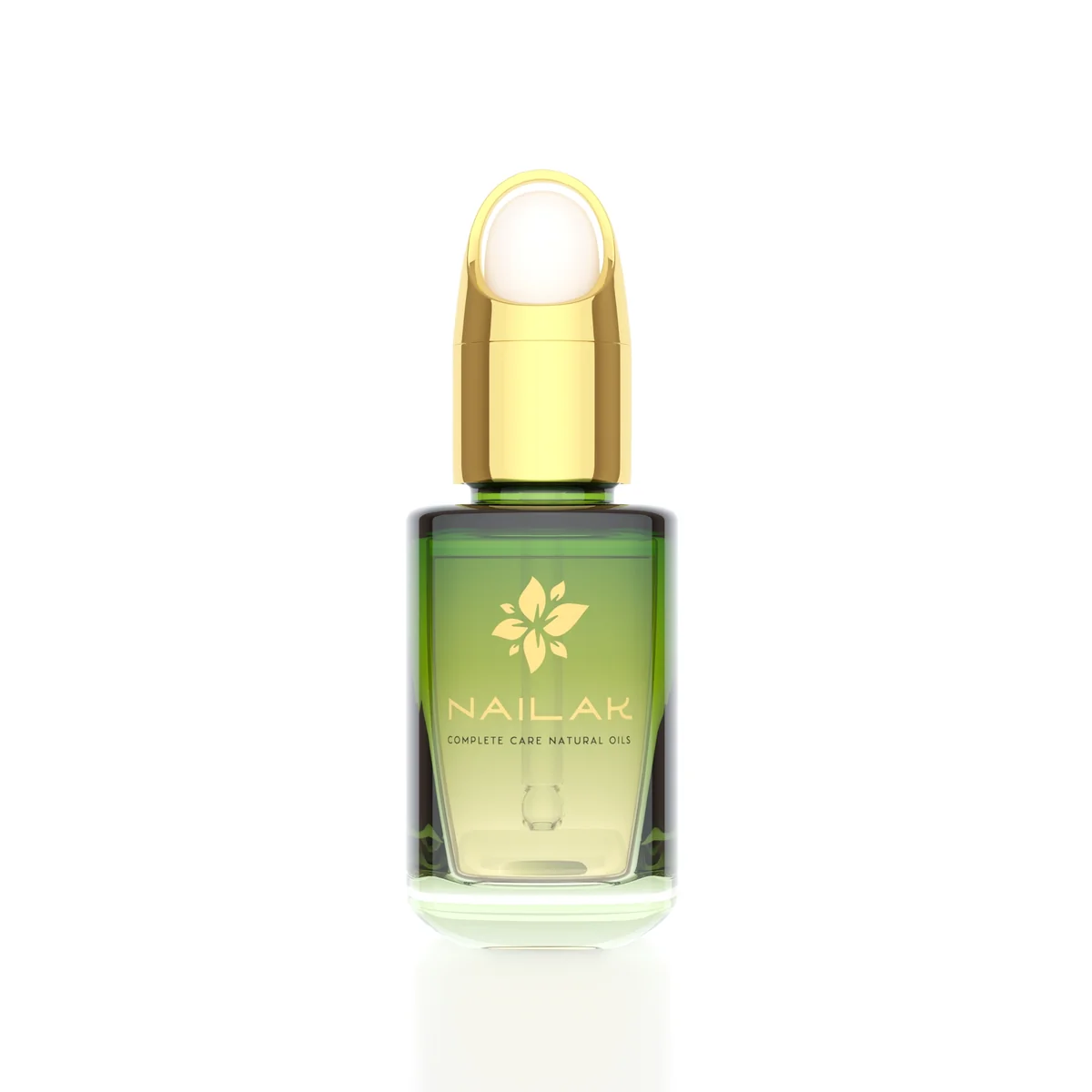
Quick Summary: Create a customized DIY nail oil blend to hydrate cuticles, reduce breakage, and build an easy, elegant hand-care ritual.
Why nail oil matters
Our nails and cuticles have different needs, yet they collaborate. The nail plate is tough keratin. It benefits from lipids that restore flexibility and reduce micro-cracking. The cuticle and surrounding skin are living tissue that need barrier support and calming care.
Here’s what a well-formulated DIY nail oil blend can do:
- Replenish lipids lost to handwashing and sanitizers.
- Temporarily smooth the nail surface and reduce roughness.
- Condition the cuticle to minimize hangnails.
- Support flexibility so nails are less likely to split or peel.
- Enhance the look of polish by smoothing the base.
Good oil blends are a smart defense against daily stressors: detergents, dry air, cold weather, and frequent manicures. Even gel and acrylic lovers benefit. A daily oil massage at the cuticle line helps maintain flexibility beneath enhancements.
The secret is pairing lightweight, fast-absorbing oils with a stable antioxidant. Keep the texture elegant so you’ll actually use it — morning, mid-day, and before bed.
Build your DIY nail oil blend
You don’t need a lab. You need measured choices. Aim for a blend that’s lightweight, non-greasy, and rich enough to comfort cuticles.
Start with this simple base blueprint:
- 70–85% base oils (jojoba, sweet almond, fractionated coconut, squalane)
- 10–20% support oils (argan, grapeseed, evening primrose, rosehip)
- 0.5–1% vitamin E (mixed tocopherols)
- 0–1% essential oil (optional — keep it minimal)
Three easy recipes to try:
- Everyday Fast-Absorbing Blend
- 60% jojoba oil
- 20% squalane (olive- or sugarcane-derived)
- 19% grapeseed oil
- 1% vitamin E
Why it works: Jojoba mimics skin’s natural sebum. Squalane adds slip without heaviness. Grapeseed contributes linoleic acid for a silky feel.
- Night Repair Comfort Blend
- 50% sweet almond oil
- 25% jojoba oil
- 15% argan oil
- 9% avocado oil
- 1% vitamin E
Why it works: Almond and avocado wrap the skin in cushiony moisture. Argan adds a soft gloss. This is a lovely before-bed ritual.
- Post-Gel Rehab Blend
- 50% jojoba oil
- 30% fractionated coconut oil (caprylic/capric triglycerides)
- 19% evening primrose oil
- 1% vitamin E
Why it works: Jojoba supports flexibility. Fractionated coconut feels dry-touch and stable. Evening primrose adds gamma-linolenic acid to soothe.
Optional: Essential oil at 0.3–0.5% total can add scent and a functional note. Consider calming lavender (Lavandula angustifolia) or tea tree for short-term use. If you have sensitive skin, skip essential oils altogether.
Ingredient deep dive
Understanding your oils makes blending intuitive. Choose texture and benefits you’ll love daily.
Base oils (the backbone)
- Jojoba oil: Technically a liquid wax ester; it’s stable and close to skin’s sebum. Fast-absorbing, minimal residue, great for daily use.
- Squalane: Ultra-light, non-greasy, and oxidatively stable. It boosts slip and reduces that heavy-oil feeling.
- Fractionated coconut oil: Clear, light, and stable; gives a dry-touch finish. Good in warm climates or office hours.
Support oils (the enhancers)
- Sweet almond oil: A classic softening oil with a satiny finish. Note for nut allergies.
- Argan oil: Rich yet elegant. Adds soft shine and cushions dry cuticles.
- Grapeseed oil: Light texture with linoleic acid. Good when you want glide without weight.
- Evening primrose oil: Soothing; use in smaller percentages due to its delicate nature.
- Rosehip seed oil: Offers a subtle glow and lightweight nourishment. Best in small amounts.
Boosters and extras
- Vitamin E (mixed tocopherols): Antioxidant support for your blend and a touch of skin comfort. Aim for 0.5–1%.
- Bisabolol: The calming molecule from chamomile. Use at 0.2–0.5% if you want a soothing, fragrance-free touch.
- Essential oils (optional): If you love a hint of scent, keep them very low. Lavender or Roman chamomile for calm; tea tree only for short-term balancing. Avoid citrus oils on daytime hands to reduce phototoxic risk.
What to skip
- Strong fragrance oils or high essential oil percentages. Hands touch faces and eyes.
- Thick butters in large amounts. They can feel heavy and may sit on the skin.
- Unrefined, strongly scented oils if you’re sensitive. Choose refined versions for a neutral experience.

How to mix and store safely
You’ll need:
- A small beaker or glass measuring cup
- 10–15 ml glass dropper or roller bottles (amber or cobalt)
- A mini funnel or pipette
- Labels and a fine-point marker
Steps:
- Clean your tools with soap and hot water. Let them dry completely.
- Wipe bottles and tools with isopropyl alcohol and air-dry.
- Measure base oils first, then add support oils.
- Add vitamin E and any optional boosters.
- Cap and roll the bottle gently to mix. Avoid vigorous shaking to reduce air bubbles.
- Label with the recipe name and date.
Storage tips:
- Keep your blend in a cool, dry spot away from direct sun.
- Choose smaller bottles so you refresh the blend every 2–3 months.
- If it smells “off” or changes color markedly, make a fresh batch.
Application routine:
- Use a tiny drop per nail, twice daily.
- Focus at the cuticle line, then glide over the nail plate and under the free edge.
- Massage for 20–30 seconds per hand. It’s quick, but meaningful.
A nod to timeless staples
There’s a reason certain beauty rituals endure. Old-school favorites — from cold cream to cherry-almond lotions — remind us that comfort, softness, and simple formulas never really leave the stage. That’s the spirit behind a DIY nail oil blend: unfussy, effective care you can count on. (source: https://www.goodhousekeeping.com/beauty/g69065091/old-school-beauty-products-that-mom-swears-by/)
Make it a habit you actually keep
The best blend is the one you use. Designing your routine around your day helps.
Five practical tips:
- Anchor it to an existing habit: After brushing teeth at night, oil your nails.
- Keep a bottle where you live: Desk, bedside, and in your bag.
- Set a gentle cue on your phone at lunchtime. Thirty seconds, reset included.
- Pair it with breathing: Inhale for four counts while you massage each thumb.
- Celebrate progress, not perfection. Miss a day? Return to the ritual without judgment.
Micro-rituals keep hands camera-ready. Try a desk-friendly version with a rollerball. It’s tidy, quick, and feels like a moment to yourself between emails. If you wear polish, apply oil after washing hands, not immediately before painting. Oils can interfere with adhesion if left on the nail plate.
If you have gels or acrylics, focus on the cuticle and the sidewalls. A tiny swipe under the free edge hydrates the natural nail that peeks out. Over time, you’ll notice fewer lifts at the edges and a more comfortable grow-out.
Blend variations for seasons and lifestyles
Your DIY nail oil blend can shift with weather, work, and mood. Think wardrobe, but for your hands.
Summer Desk-Day Blend
- 60% squalane
- 25% jojoba
- 14% grapeseed
- 1% vitamin E
- Why: Absorbs fast in heat and reduces slip on keyboards.
Winter Cocoon Blend
- 45% sweet almond
- 25% jojoba
- 20% argan
- 9% avocado
- 1% vitamin E
- Why: Cushions skin in dry air and central heating.
Fitness-Friendly Blend
- 55% fractionated coconut
- 25% jojoba
- 19% rosehip seed
- 1% vitamin E
- Why: Light feel after workouts and frequent handwashing.
Sensitive Skin Fragrance-Free Blend
- 50% jojoba
- 30% squalane
- 19.5% grapeseed
- 0.5% bisabolol
- Why: Calm and simple. No essential oils.
Pro tip: If you love a whisper of scent, use a pre-diluted essential oil approach. Mix one drop into a full 10 ml bottle, then sniff-test. If you feel any stinging or redness, wash off and remake the blend without fragrance.
Troubleshooting and smart tweaks
Even elegant routines bump into real life. Here’s how to perfect your blend and practice.
“It feels greasy.”
Increase squalane or fractionated coconut, and decrease heavier oils. Apply less product per nail.“My cuticles still look rough by evening.”
Add a thicker nighttime pass with argan or avocado. Massage longer at the cuticle line. Hydration from within helps too — a glass of water matters.“I’m getting tiny breakages at the tips.”
Work a drop under the free edge. Make sure you’re sealing the nail plate after handwashing. Consider a gentle glass file and keep lengths modest while you rebuild strength.“I have sensitive skin.”
Skip essential oils. Use refined, fragrance-free carriers. Patch-test on one finger before daily use.“I want a glossier finish.”
Try a final pass with a touch more argan at night, or buff lightly with a soft cloth after oiling.
Small changes add up. Over two weeks, most people see smoother cuticles. In four, nails feel more flexible and less prone to peeling. Keep going.
When care becomes confidence
There’s something profound about tending to the parts of ourselves that work the hardest. Hands grip steering wheels, carry groceries, soothe children, and type entire days into existence. Your DIY nail oil blend is a soft-spoken ally. It turns a practical task into a quiet ritual — a way to return to your body, breathe, and polish the edges of a long day.
Confidence rarely arrives with a grand entrance. It builds in tiny decisions: drinking water, choosing sleep, taking a minute to massage your cuticles. With every drop of oil, you practice patience, you practice presence, and you remind yourself that you can shape how you feel — one small, consistent habit at a time.
Estimated word count: 1,980
Frequently Asked Questions (FAQ)
Q: How often should I use a DIY nail oil blend?
A: Aim for twice daily, especially after handwashing and before bed. Consistency matters more than quantity. A tiny drop per nail is enough.
Q: Which oil is best if I don’t like greasy textures?
A: Choose lighter carriers like squalane, jojoba, and fractionated coconut. They absorb quickly and leave a soft, non-slippy finish.
Q: Can I use essential oils in my nail oil?
A: Yes, but keep them low (0.3–0.5%) and patch-test first. Sensitive skin types should skip essential oils and focus on soothing carriers plus vitamin E or bisabolol.
Q: Will nail oil make my nails grow faster?
A: Oil doesn’t speed growth, but it reduces breakage by improving flexibility and conditioning cuticles. Healthier nails break less, so length retention improves.
Q: How long does a homemade blend last?
A: If stored away from heat and light, most blends keep 2–3 months. Make small batches, use amber bottles, and watch for changes in scent or color.