
What Causes Brittle Nails? Real Reasons + Remedies
She glanced at her hands during a morning coffee break — the soft sheen of care was the quiet reminder that small rituals matter. Still, the memory of yesterday’s snag on a sweater collar hovered. A split edge. That tiny, traitorous snap that turned graceful fingertips into a list of errands: file, oil, avoid the dishwater, maybe hide them for a while. If you’ve ever tucked your hands under the table during a meeting because your nails felt too fragile to show, you’re not alone.
Brittle nails have a way of narrating our lives in small, stubborn ways. They catch on knit cuffs. They peel at the edges right when you need confidence most. They whisper stories about long showers, hot water, sanitizers, back-to-back gel sets, late nights, too much coffee, not enough water. They are honest. Sometimes uncomfortably so.
Let’s be honest — it isn’t vanity. It’s the tender wish that our hands look as capable as they are. When nails are strong, everything feels a touch more effortless: buttoning earrings without fear, tapping your card at the café, sliding your fingers along silk sheets without that rough edge. Good nails won’t solve everything. But they can soften the day.
Here’s the secret: understanding what causes brittle nails is an act of care. It tells you where to protect, where to nourish, and when to let your nails breathe. Think of it like keeping a house plant happy. Enough water, not too much. Good light, not too harsh. The right pot, no cramped roots. Nails are similar — a balance of moisture and strength, protection and patience.
If you’re ready to stop guessing and start soothing, consider this your gentle guide. We’ll break down the real reasons nails become brittle and the simple routines that help them bend without breaking. Because every small ritual — one minute of oil, a glove for the dishes, a glass of water — is a quiet promise you keep with yourself.
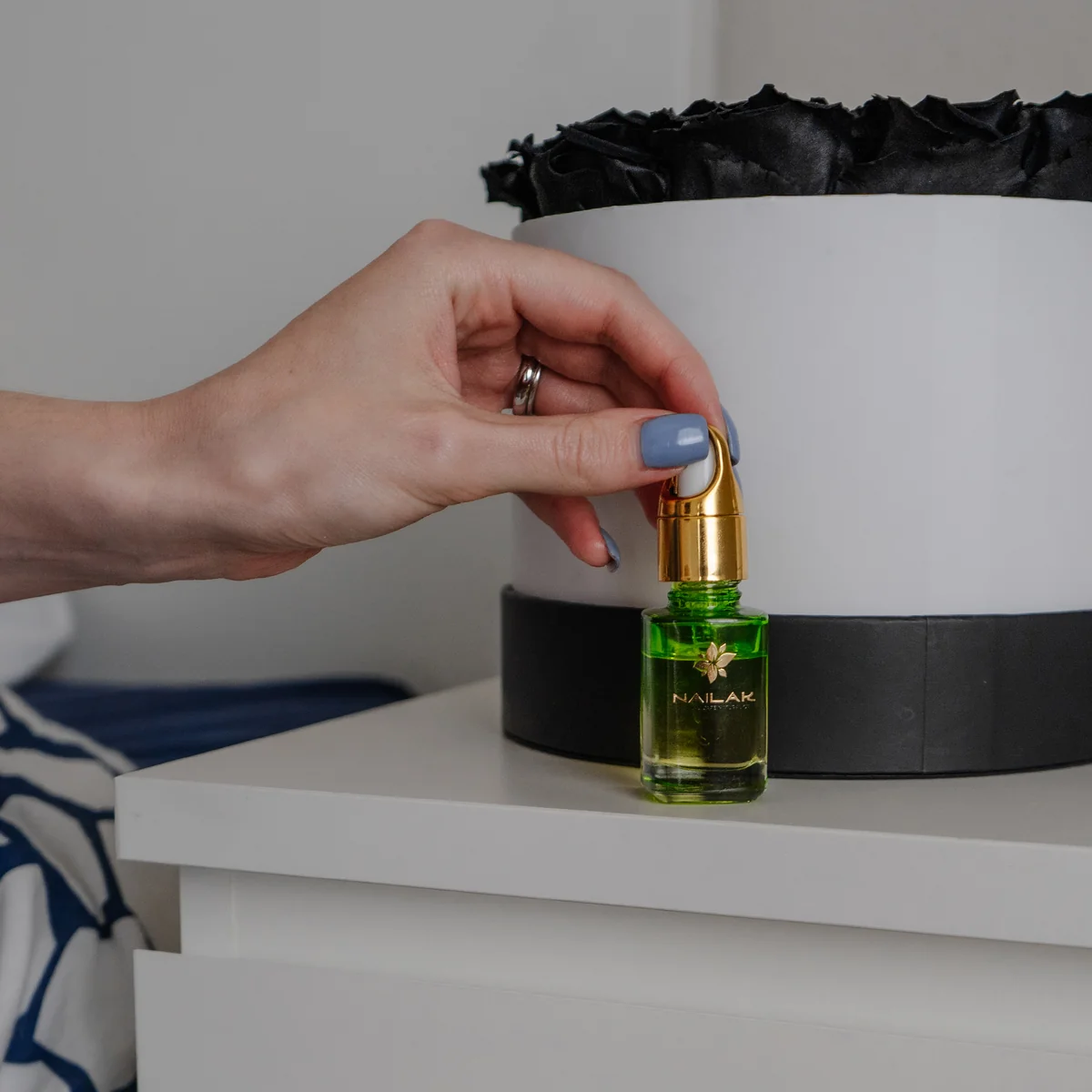
Quick Summary: Brittle nails come from moisture loss, repeated chemical exposure, daily habits, and nutrition gaps; restore balance with protective routines, smart product choices, and gentle, consistent care.
What causes brittle nails, really?
The root is usually a blend of lifestyle, environment, and biology. The most common culprits include:
- Moisture imbalance: too little oil and water in the nail plate leads to rigidity and splitting; too much soaking causes swelling and shrinking that weakens bonds.
- Harsh chemicals: frequent acetone, alcohol-based sanitizers, strong detergents, and cleaning agents strip natural oils.
- Over-processing: aggressive filing, rough buffing, hard gels or acrylics removed improperly, and frequent polish changes without recovery time.
- Temperature and humidity swings: very dry indoor heat or cold air dehydrates nails; frequent hot showers add stress.
- Aging and hormones: nails grow slower and retain less moisture with age; hormonal shifts can change thickness and flexibility.
- Underlying skin conditions: eczema and psoriasis can affect the nail matrix, leading to pits, ridges, and breakage.
- Nutrition gaps: low iron or ferritin, insufficient protein, limited zinc, omega-3s, and vitamins like D, B12, and C can compromise nail integrity.
- Medications and health factors: certain acne treatments, retinoids, chemotherapy, thyroid disorders, and anemia may show up in the nails.
- Water exposure: dishwashing, swimming, or long baths cause repeated swelling/drying cycles that weaken the plate.
- Nail length and shape: very long or sharp corners create leverage points that snap under small forces.
If you’re wondering what causes brittle nails in your world, look first at the most frequent touch points: water, chemicals, tools, and time. The pattern you repeat is the pattern that shows.
Nail biology, simply explained
Your nails are layered. Think of them as a flexible laminate made of hard keratin cells. Each plate bonds to the next with delicate lipids and proteins. When the layers stay slightly hydrated and cushioned by natural oils, your nails flex. When those layers dry out or get stripped, they crack. Flexibility is strength.
The moisture-oil balance
- Water makes nails supple.
- Oils and natural lipids keep that water from evaporating too fast.
- When either side of the balance is off, nails fray at the tips or peel in thin layers.
Your cuticle is part of this balance. It’s the natural sealant that protects the nail matrix (your nail’s growth zone) from bacteria and moisture loss. Trimming it aggressively creates a tiny doorway for dryness and infection. Pushing it back gently and keeping it hydrated preserves that protective seal.
Why length and shape matter
A long nail acts like a lever; small bumps become big forces at the tip. Sharp corners grab fabric and start splits. A short-to-moderate length with softly rounded edges reduces torque, preserves layers, and keeps your nail’s edge from fraying.
The role of time
Nails don’t heal like skin. They renew. Fingernails grow about 3 mm a month; a full regrowth can take 4–6 months. This is why consistent rituals are more effective than quick fixes. You’re caring for the nail you’ll wear in a few months.
Everyday habits that weaken nails
Your routine can quietly sabotage your nail strength. A few small swaps make a big difference.
At the sink
- Wear nitrile or vinyl gloves for dishes and cleaning.
- Keep water contact short and lukewarm; avoid long, hot soaks.
- After washing hands, pat dry and apply a drop of cuticle oil, then a hand cream to seal.
At your desk
- Place a cuticle oil within reach. Jojoba, squalane, or a light blend with vitamin E sinks in fast.
- File only when needed; use a fine grit and move in one direction to prevent micro-tears.
- Tap with the pad of your finger, not the free edge, when typing or opening packaging.
At the salon
- Give nails rest weeks between back-to-back gel or acrylic sets.
- Ask for acetone wraps instead of drilling; avoid aggressive scraping.
- Choose formaldehyde-free strengtheners; look for gentle film-formers that add support without turning nails rigid.
At the gym or studio
- Keep nails shorter if you lift weights or do aerials; less leverage means fewer breaks.
- Clean and dry hands after sweating; salt and friction can dehydrate the nail surface.
- If you swim, rinse in fresh water and apply oil afterward.
Everyday swaps that help
- Switch to a mild, fragrance-free hand wash with added humectants (glycerin).
- Keep a pocket-sized oil in the bag you use most.
- Consider a satin-lined glove for winter commutes to prevent dehydration from cold air.
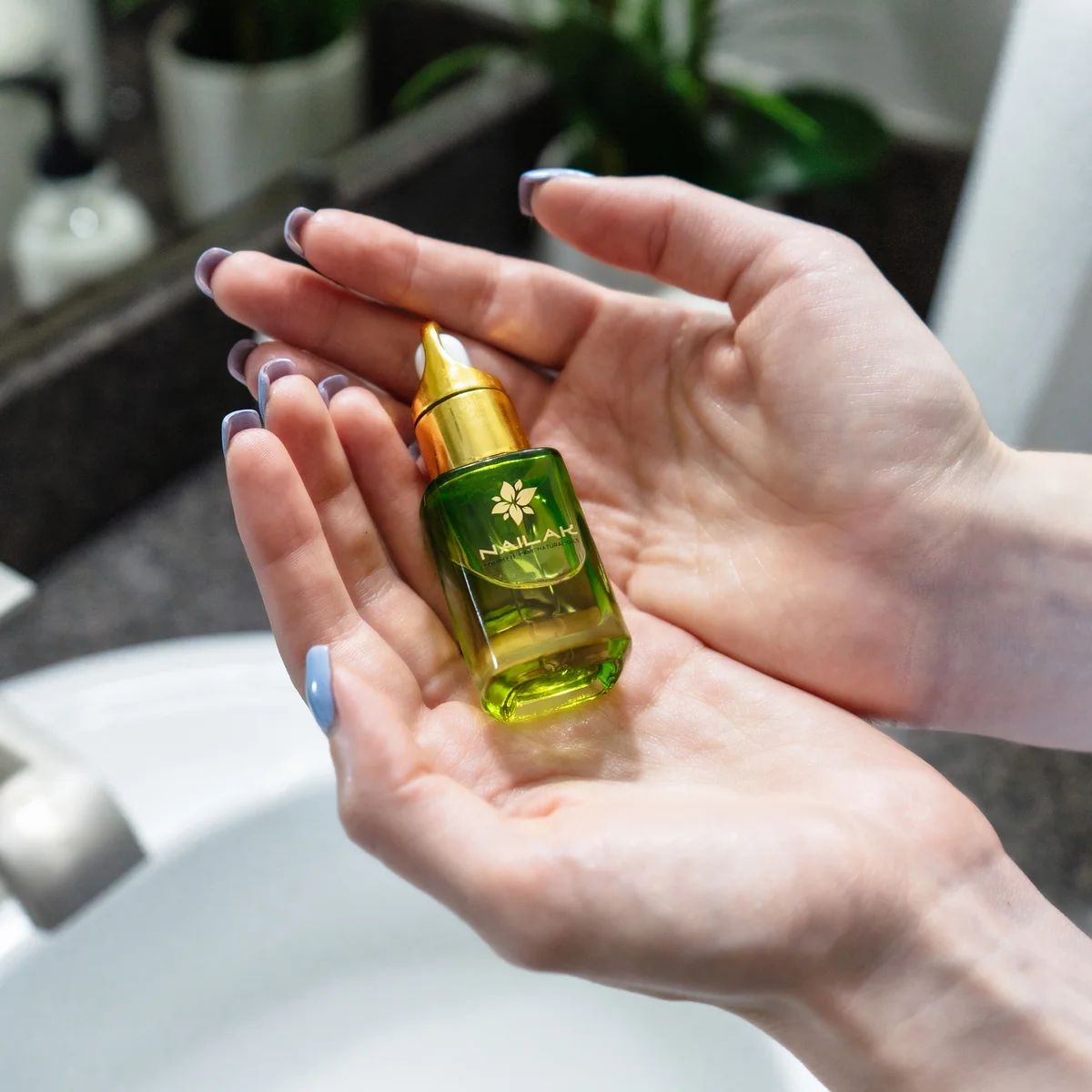
Food, supplements, and hydration
Nails are built from amino acids. Your plate and your water bottle matter more than you think.
Hydration basics
- Aim for steady hydration throughout the day; nails, like skin, show when you’re consistently under-hydrated.
- Balance coffee and tea with water or herbal infusions. Add electrolytes on long, active days.
Protein and building blocks
- Prioritize protein across meals: eggs, yogurt, tofu, fish, beans, lentils, lean meats.
- Collagen peptides may support nail brittleness in some people; results are gradual over 8–12 weeks.
- Vitamin C helps build collagen; pair citrus, berries, or peppers with your meals.
Micronutrients to consider
- Iron and ferritin: low stores are tied to thin, brittle nails. Ask for a blood test before supplementing.
- Zinc: supports keratin formation; found in pumpkin seeds, chickpeas, and seafood.
- Biotin: may help in deficiency, but isn’t a universal cure. If your diet is balanced, extra biotin might not change much.
- Vitamin D and B12: low levels can indirectly affect nail quality; test and address with your clinician.
Simple, nail-friendly meals
- Breakfast: Greek yogurt with berries, chia, and a drizzle of honey.
- Lunch: quinoa bowl with chickpeas, roasted peppers, feta, and olive oil.
- Dinner: salmon with lemon, steamed greens, and sweet potato.
- Snack: a handful of nuts and a piece of fruit.
Beauty pros love hardworking products that do more than one thing. That multitasking trend popped up recently in a review of a budget-friendly skin tint praised for ease and benefits in one step, a reminder that simple, effective formulas can go far. Apply that same philosophy to nail care: choose hydration-first products that condition and protect without fuss. (source: https://www.womenshealthmag.com/beauty/a69275625/why-this-affordable-skin-tint-is-the-hardest-working-product-in-my-makeup-routine/)
A repair routine that actually works
You don’t need a dozen products. You need a rhythm. Here’s a practical, gentle plan to restore flexibility and strength.
The two-week reset
- Trim and shape: Clip to a short, manageable length. File with a fine grit in one direction. Round sharp corners slightly.
- Soften the cuticle: After a shower, press back gently with a soft tool. Do not cut living cuticle.
- Oil, then cream: Apply a drop of cuticle oil to each nail and massage for 20 seconds. Follow with hand cream to lock it in.
- Wear gloves for chores: Especially with detergents or hot water.
- Polish pause: Skip polish for 7–10 days if you can. If you need cover, use a breathable, formaldehyde-free strengthener.
- Night seal: Before bed, apply oil again. For very dry nails, finish with a light balm to occlude.
Consistency matters more than perfection. If you miss a day, resume without judgment.
Smart product choices
- Oils: Jojoba (most similar to skin’s natural sebum), squalane (lightweight), sweet almond (comforting).
- Humectants: Glycerin or urea in hand creams draw water into the nail surface.
- Strengtheners: Look for formaldehyde-free options with nylon fibers or dimethyl urea that add support without brittleness.
- Removers: Choose acetone only when needed and follow with ample oil; consider non-acetone for light polishes.
Weekly mini-ritual
- Warm water rinse (1–2 minutes), not a soak.
- Towel dry fully.
- Apply a humectant-rich hand cream.
- Add cuticle oil and massage into nail plate and sidewalls.
- If polishing, use a gentle ridge filler base coat; avoid over-buffing to “smooth” the plate.
If you love gel or acrylics
- Book removal with wraps, not drills.
- Plan a “recovery” week every 1–2 cycles with bare nails, oil, and hand cream.
- Keep extensions modest in length to reduce leverage and stress on the natural nail.
A note on quick fixes
Any product that hardens the nail quickly can feel satisfying, but rigidity is breakage waiting to happen. Your goal is flexible strength — like a reed that bends in the wind. Hydration creates that bend.
When to see a professional
Sometimes brittle nails are a surface story with deeper roots. Seek a dermatologist or healthcare provider if you notice:
- Sudden, severe brittleness without a change in routine.
- Spoon-shaped nails (koilonychia), which may indicate iron deficiency.
- Pitting, lifting from the nail bed (onycholysis), or thickening.
- Dark streaks, green or yellow discoloration, or persistent pain.
- Redness, swelling, or tenderness around the nail folds.
- Other symptoms like hair loss, fatigue, or weight changes alongside nail changes.
A clinician may check iron studies (including ferritin), thyroid function, vitamin D and B12, and zinc. Bring a snapshot of your nail routine, products, and habits; those details help pinpoint patterns quickly.
A quieter kind of confidence
There’s a softness to caring for nails that goes beyond shine. It’s the pause after washing your hands, the breath you take while massaging in a single drop of oil. It’s wearing gloves because future-you deserves smooth edges and easy mornings. These small choices repair more than keratin; they restore trust in your own attention.
Strong nails don’t shout. They hum. They move through silk and sweaters without snagging. They tap a coffee lid with calm. When you understand what causes brittle nails — moisture lost here, a harsh habit there — you learn to meet yourself with gentleness. And that gentleness has a way of spilling into everything else.
Because care is cumulative. And so is confidence.
Frequently Asked Questions (FAQ)
Q: What causes brittle nails in winter? A: Cold air outside and dry, heated air inside increase moisture loss from the nail plate. Pair that with frequent hand washing and sanitizer, and nails dehydrate fast. Wear gloves outdoors, apply oil after every wash, and use a humidifier at night.
Q: Do gel manicures cause brittle nails? A: Gel itself isn’t the enemy; over-processing and removal are. Aggressive buffing, drilling, and frequent acetone exposure strip moisture and damage layers. Schedule breaks, request gentle removal, keep nails shorter, and oil daily to maintain flexibility.
Q: Does biotin really help brittle nails? A: Biotin can help if you’re deficient, but not everyone is. Prioritize protein, iron, zinc, and overall diet first. If you suspect a deficiency, ask for a blood test before supplementing to avoid guesswork.
Q: How often should I apply cuticle oil for brittle nails? A: Start with twice daily — after washing hands and before bed. Add a mid-day swipe during dry seasons or after sanitizer use. Consistency matters more than the brand.
Q: What’s the best nail shape to reduce breakage? A: Short to medium length with rounded or soft square edges. Avoid sharp corners and extreme length, which increase leverage and make tips prone to snapping.
Estimated word count: 1975