
Nail Strengthening Treatments That Truly Work
She glanced at her hands during a morning coffee break — the soft sheen of care was the quiet reminder that small rituals matter. For weeks she had hidden her fingers in sleeves and sweater cuffs, dodging bright lights and camera flashes. A split here, a snag there. The kind of damage that seems harmless until a stray thread catches it and ruins the day. You know that feeling. A tiny tear in a nail can make you feel frayed at the edges, as if the pace of life has run right through your fingertips.
Nail strengthening treatments often begin with a moment like this. A pause. A choice to do one small, good thing for yourself. Maybe you’re rinsing vegetables in the sink or packing a gym bag. You notice your nails look dull and thin, and the skin around them feels tight. You remember the last time you wore a deep red polish. It chipped within hours, and you told yourself you’d wait until your nails were “better.” The catch is, nails don’t get stronger by chance. They get stronger through small, repeatable steps — a blend of science and tenderness.
Let’s be honest: we ask a lot of our hands. We open packages, type through deadlines, and deal with hot water, winter air, and whatever soap happens to be at the office sink. Then we layer polish, remove it, peel labels, scrub counters, scroll phones. Our nails are built for everyday life, yet they’re not invincible. They are tiny plates of keratin protected by natural oils. When those oils disappear or the keratin bonds weaken, nails split, peel, and break. That’s the moment when nail strengthening treatments stop being a luxury and become a practical kind of self-care.
Here’s the secret most pros share quietly: strength is as much about flexibility as it is about hardness. Nails that bend slightly under pressure resist cracking. Nails that become too hard, too fast, tend to shatter. In other words, power lives in balance. Choosing the right products, wearing gloves when it counts, and making a few thoughtful swaps in your routine can transform thin, fragile nails into smooth, resilient ones you love to show off. And when you look down at your hands midday, you’ll see proof that the calm you practice for five minutes each morning actually lasts.
If you’ve ever stared at rows of bottles labeled “repair,” “rescue,” and “fortify,” and wondered which one to trust, you’re in the right place. This guide breaks down the most effective nail strengthening treatments, plus the habits and ingredients that help them work. You’ll find practical steps you can start today, no matter the season. Think of it as a gentle, steady path from brittle to beautiful — a path that honors both your schedule and your sanity.
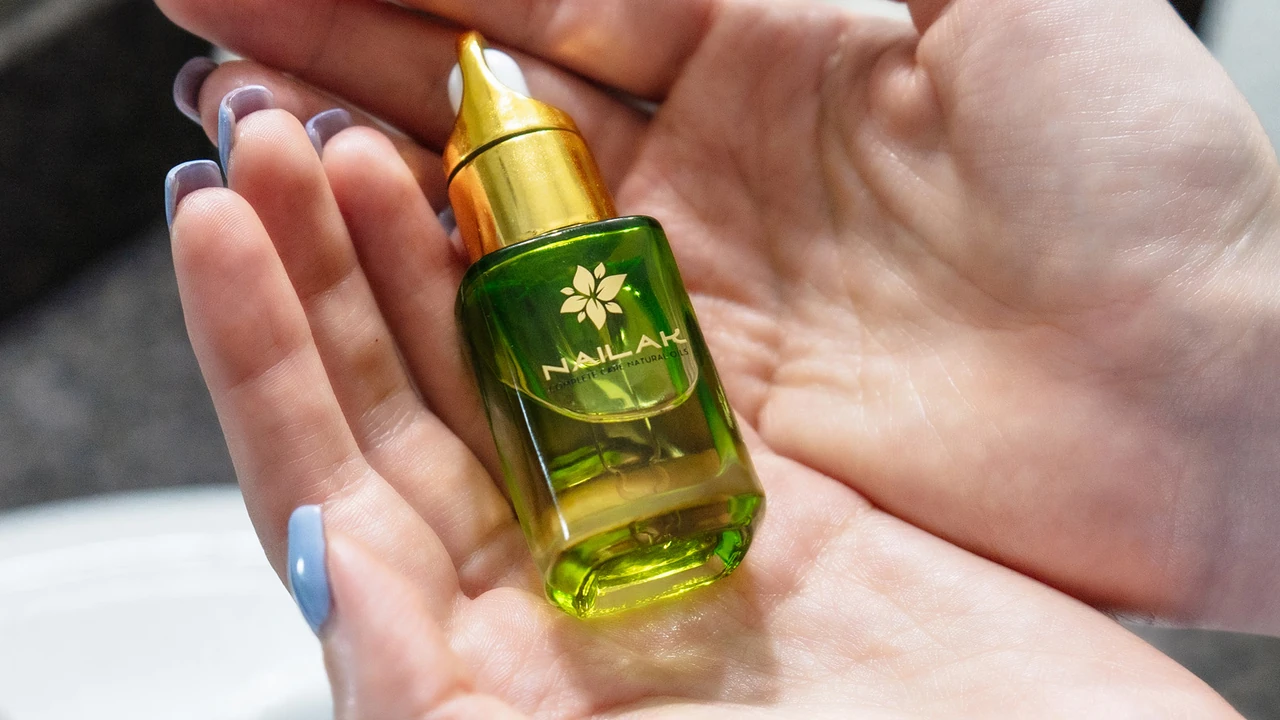
Quick Summary: Learn which nail strengthening treatments, ingredients, and habits actually improve nail resilience — from flexible hardeners and cuticle oils to salon options and a gentle weekly routine.
Why Nails Weaken in the First Place
Understanding the “why” behind weak nails helps you choose the right fix.
- Repeated water exposure: Nails absorb water and swell, then shrink as they dry. This cycle weakens keratin bonds and encourages peeling.
- Harsh removers and frequent polish changes: Strong solvents strip protective oils. Without replenishment, nails dehydrate and split.
- Mechanical stress: Typing, opening cans, and using nails as tools create micro-fractures that travel.
- Weather swings: Winter air dries nails; summer sun and chlorine can roughen the surface.
- Nutrition and health: Rapid diet changes, low protein intake, or certain medications may show up as brittleness. When in doubt, consult a healthcare provider.
- Aging and hormones: Natural oil production shifts over time, leaving nails more fragile.
The takeaway: most nail damage accumulates from small, daily friction. That’s why nail strengthening treatments work best when paired with protective habits and a focus on flexibility.
Core Nail Strengthening Treatments
Not all “strength” is equal. Aim for options that reinforce keratin while preserving flexibility.
Flexible fortifying base coats
Look for base coats designed to support, not stiffen, the nail plate.
- Choose “flexible” or “fortifying” formulas that mention nylon fibers, calcium, silica, or aldehyde-free cross-linkers.
- Use them as your everyday base layer, even on bare nails. Reapply every 2–3 days for consistent support.
- Avoid classic formaldehyde/formalin hardeners for routine use. They can make nails feel stronger short term, but often lead to brittleness and sensitivity.
Think of these as scaffolding: light, supportive, and removable without trauma.
Bonding serums and keratin treatments
Leave-on treatments with peptides, amino acids, and hydrolyzed keratin can bind to damaged areas.
- Apply a thin layer to clean, dry nails before your base coat.
- Massage it in and allow it to dry completely. The friction helps penetration.
- Use daily for 1–2 weeks, then maintain 2–3 times weekly.
These treatments fill micro-gaps, helping nails flex instead of crack.
Cuticle oils and barrier balms
Hydration is strength in disguise. Oils and balms replenish the lipids that keep nails supple.
- Look for jojoba, sweet almond, or squalane. Jojoba mimics skin’s natural sebum and sinks in fast.
- Vitamin E supports barrier repair, while ceramide-rich balms seal moisture in place.
- Apply oil morning and night. Follow with a thin balm on the nail and surrounding skin when the air is dry.
Pro tip: after washing hands, pat dry and immediately oil. You can almost feel the smoothness return.
Targeted supplements (with care)
Supplements aren’t a shortcut, but they can help some people.
- Biotin has limited studies suggesting benefit for brittle nails at around 2.5 mg daily, but it isn’t universal.
- It can interfere with certain lab tests, including thyroid and cardiac markers. Always check with a healthcare provider before starting.
- Prioritize a steady intake of protein, iron, zinc, and omega-3s from food. Nails are built from what you eat.
Use supplements as a complement to topical care, not a replacement.
Protective wraps for splits
Temporary silk or fiberglass wraps can hold a split in place while the nail grows out.
- Use a fine wrap with resin, then seal with a flexible base coat.
- File gently with a 240–320 grit. Avoid sanding through the natural nail.
This buys time and prevents a minor tear from becoming a major break.
Smart Daily Habits That Build Strength
Treatments work best when daily life supports them. These habits do the heavy lifting between manicures:
- Wear gloves for dishes and cleaning. Repeated soaking weakens nails faster than you think.
- File in one direction with a fine grit. Avoid seesaw filing, which frays edges.
- Stop picking gel or dip. Soak off correctly to preserve layers of keratin.
- Switch to a hydrating hand wash. Look for glycerin or aloe, and avoid high-foam formulas.
- Keep nails short to medium while rebuilding. Less leverage means fewer breaks.
- Moisturize after every wash: oil, then a light cream or balm to seal.
Actionable tips you can start today:
- Keep a cuticle oil by the sink and in your bag. Use it twice a day.
- Apply a flexible base coat every 2–3 days, even without polish.
- Bookend your day with hydration: oil in the morning, balm at night.
- Use a microfiber towel to blot hands dry, then moisturize immediately.
- Set a weekly “reset” night to remove polish gently, treat, and reapply.
Looking ahead to festive months? Fast makeup and manicure shifts often go hand in hand. Catwalk-inspired party eye looks are trending again, and with them comes frequent polish changes that can stress nails — a reminder to double down on gentle removers and oil. If you’re dressing up your eyes, let your nails rest smartly between shades to keep strength intact (source: https://wendyrowe.com/makeup/party-eye-catwalk-makeup).

Salon Options and When to Use Them
Sometimes, professional techniques give you the structure your nails need while they recover.
Penetrating strengthening systems
Some in-salon treatments use heat and light pressure to help reinforcing polymers penetrate the top layers of the nail plate.
- Ideal for peeling, soft nails that split in layers.
- Often applied in a few thin coats, then sealed with a base.
- Works best in a series, with maintenance every 2–4 weeks.
Ask your tech to prioritize flexibility and minimal buffing.
Builder gel overlays (thin, flexible)
A sheer builder gel can act like a protective helmet for thin nails.
- Request a thin, flexible overlay rather than thick sculpting.
- Make removal a priority: brief soak-off or careful e-file by a trained tech.
- Schedule 2–3 week infills while your natural nails strengthen underneath.
Done well, overlays prevent breakage and let you maintain length without stress.
Dip and acrylic systems
These can be helpful if you need durable length or have a special event.
- The downside: heavy filing at application and removal can thin nails further.
- If you choose dip or acrylic, build in restorative breaks and consistent oiling.
The goal is protection without long-term compromise.
Professional repairs
For tears and corners that catch:
- Request a silk wrap or a tiny patch, sealed with a gentle base.
- Avoid glue alone, which can pop and widen splits.
A good repair feels invisible and lasts through your week.
Ingredients to Look For (and Avoid)
Labels can be confusing. Focus on what actually helps nails stay strong and supple.
What to look for
- Hydrolyzed keratin and peptides: bind to weak spots and support resilience.
- Phospholipids, squalane, and jojoba: replace lost lipids and improve flexibility.
- Humectants like glycerin: attract water into the nail and surrounding skin.
- Urea (5–10%) and lactic acid (mild): soften rough cuticles for gentle pushback.
- Vitamin E and antioxidants: support barrier recovery after remover use.
These build a balanced environment where nails can thrive.
Gentle removers and how to use them
- Acetone removes fastest but is drying; non-acetone is gentler yet slower.
- Whichever you choose, limit soak time and follow with oil and balm.
- To minimize damage: saturate a pad, press for 10 seconds, then wipe. Resist rubbing.
Technique matters as much as formula.
What to avoid for long-term health
- Formaldehyde/formalin hardeners: can create a brittle, glass-like nail that snaps.
- Repeated aggressive buffing: thins the plate and exposes tender layers.
- Fragrance-heavy products on cracked cuticles: may cause irritation.
When in doubt, choose fragrance-free, flexible, and minimal.
A Gentle, Sustainable Nail Routine
Consistency beats intensity. Here’s a simple, repeatable plan to pair with your favorite nail strengthening treatments.
Week 1: Reset and rebuild
- Day 1: Remove polish gently. Wash hands. Apply a bonding keratin serum, then a flexible base coat. Seal tips. Finish with cuticle oil and a thin balm.
- Day 2: Morning and night, oil and balm. No polish changes. If polish-free, reapply the base coat in the evening.
- Day 3: Light filing to smooth edges. One thin layer of base coat, then a breathable color if you like. Seal the free edge again.
- Day 4: Oil twice daily; massage into nails and surrounding skin for 30 seconds.
- Day 5: Refresh with another layer of base coat on top of color, or remove and reapply if edges chip.
- Day 6: Oil morning and night. Keep nails dry during chores by wearing gloves.
- Day 7: Mini reset: remove gently, serum, base, oil, balm. Let nails breathe overnight.
Week 2: Maintain and protect
- Repeat the same cycle, aiming for fewer full removals. Top up base coat every 2–3 days.
- Notice how nails feel after a shower. If they seem soft, oil immediately to lock in moisture.
- Keep length conservative. Trim instead of stretching a weak free edge.
Beyond week 2: Personalize your rhythm
- If nails peel: stick with sheer polish and a flexible base for 2–4 weeks.
- If nails break at the sides: file to a soft square or rounded shape and add a thin overlay.
- If nails feel rough: add a once-weekly mild cuticle exfoliation, followed by oil.
This routine is low effort, high reward. It respects the biology of your nails and the reality of a busy week.
Strength, Confidence, and Quiet Rituals
Some beauty rituals are loud — bold lipstick, a dramatic fringe, a new scent that turns heads. Nail strengthening treatments belong to a quieter category. You won’t see instant drama. You’ll feel steady progress. A snag that doesn’t happen. A split that no longer travels. The soft glow of a nail plate that reflects light evenly.
These small wins are the kind that build confidence. They say, “I took care of myself,” even if all you did was massage in oil while your kettle boiled. Strong nails are not just a finish line; they are a reminder that care can be simple and consistent. In a life that asks you to multitask everything, let this be the one ritual that slows you down, even for sixty seconds. Tiny, loving steps, repeated often. That’s how strength appears — and stays.
Frequently Asked Questions (FAQ)
Q: How often should I use nail strengthening treatments? A: For most flexible base coats and bonding serums, apply daily for one to two weeks, then maintain two to three times per week. Consistency matters more than heavy application.
Q: Are formaldehyde nail hardeners safe? A: They can make nails feel firmer quickly, but often at the cost of brittleness and sensitivity. For long-term resilience, choose flexible, aldehyde-free formulas and pair them with regular oiling.
Q: Which oils are best for stronger nails? A: Jojoba, sweet almond, and squalane sink in well and support the nail’s lipid layer. Use oil twice daily and layer a light balm when air is dry.
Q: Can biotin make my nails stronger? A: Biotin may help some people with brittle nails, but results vary and it can interfere with certain lab tests. Speak with a healthcare provider before starting and focus on balanced nutrition first.
Q: What’s the gentlest way to remove polish? A: Saturate a pad, press on the nail for about 10 seconds, then wipe in one smooth motion. Limit rubbing, keep soak times short, and oil immediately afterward to restore moisture.