
Non-Toxic Nail Polish Alternatives That Shine
She glanced at her hands during a morning coffee break — the soft sheen of care was the quiet reminder that small rituals matter. No salon soundtrack, no sharp remover smell sneaking up on a headache. Just a cup warming her palms and ten small canvases catching the light. It’s often in these in-between moments that we decide how we want to feel in our bodies and our spaces: clearer air, calmer routines, fewer harsh ingredients. If you’ve ever paused over a bottle of polish and wondered what could be gentler without sacrificing color or gloss, you’re in good company.
Maybe your nails run sensitive. Maybe the fumes set off your migraines. Maybe you’re pregnant, or simply rethinking the products you use daily. Beauty doesn’t have to arrive with a side of overwhelm. Non toxic nail polish alternatives are here, and they span more than one shelf. You can still get rich color, professional-level wear, and that reflective “finished” look — you just need a smarter approach to formulas and steps.
Here’s the secret: the best polish routine starts before color. It begins with how you shape, how you buff, and which base you choose. Then the formula does its quiet work — film formers that hug the nail, plant-derived solvents that evaporate without a headache, toppers that seal like glass. You can almost feel the smoothness when your thumbnail glides along the free edge, the way the finish looks fresh longer because you cared for the foundation as much as the paint.
And the best part? You get to tailor it. Some days call for a whisper of tint and a glossy oil. Others ask for a water-based red that looks chic and rinses away without harsh acetone. You can choose press-ons for a party, a breathable polish for the workweek, or a velvety buff that reads clean and polished for interviews. Wellness is personal. Your nail routine can reflect that — elegant, low-fuss, and kinder to you.
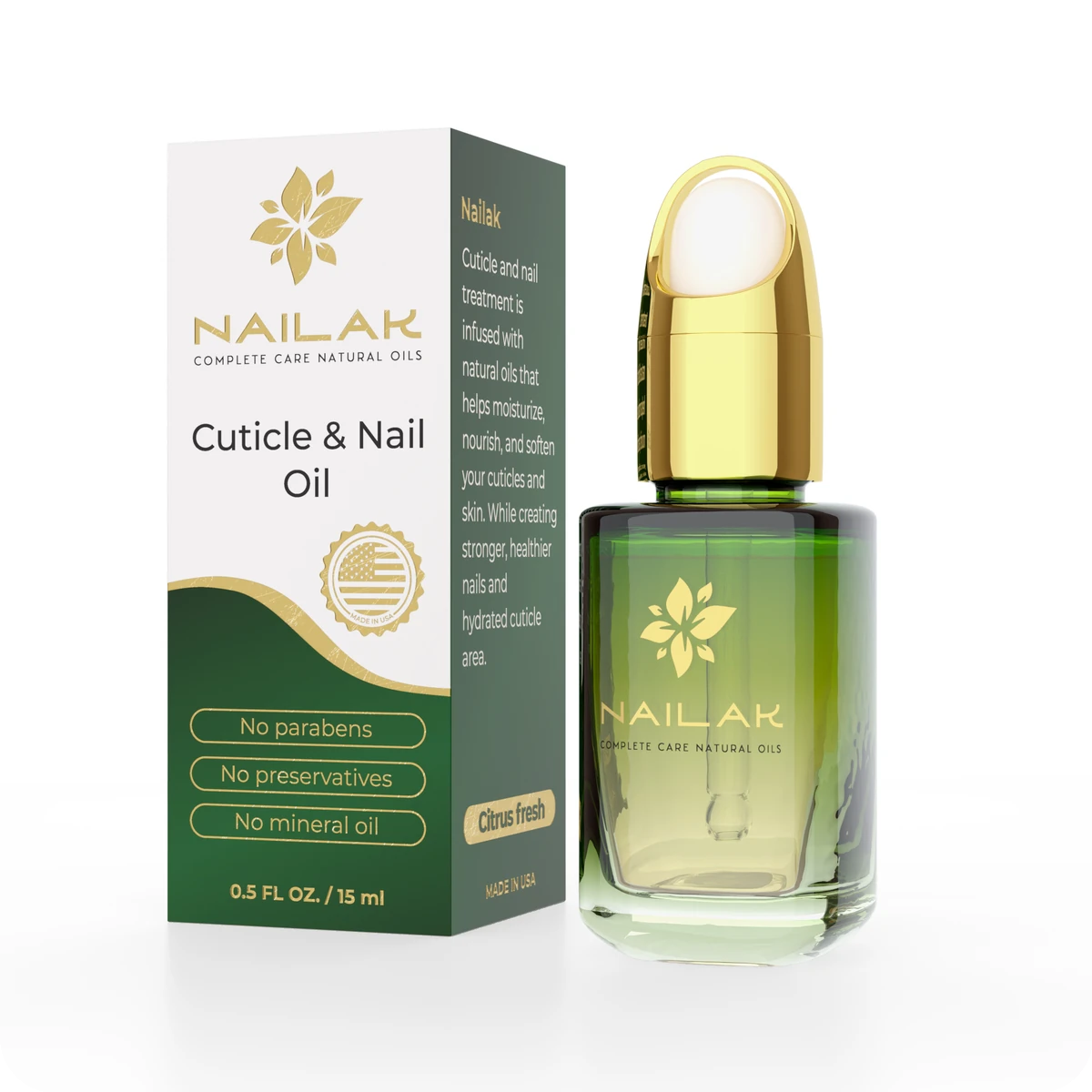
A practical, ingredient-savvy guide to non toxic nail polish alternatives that deliver shine, wear, and ease — without the fumes.
Non-Toxic, Defined — And What It Isn’t
“Non-toxic” in beauty is a direction, not a guarantee. There’s no single global standard that stamps a polish as universally safe. Instead, brands use “free-from” language — 3-free, 5-free, 10-free, even 14-free — to signal the absence of certain chemicals like toluene, formaldehyde, dibutyl phthalate (DBP), camphor, and triphenyl phosphate (TPHP). Helpful? Yes. Perfect? Not quite.
Here’s a clearer way to think about it:
- Lower odor usually means fewer fast-evaporating solvents that irritate the nose and eyes.
- Fewer known sensitizers can reduce the chance of allergic reactions over time.
- Gentler removal spares the nail plate and surrounding skin.
No polish or nail enhancement is risk-free. Even water-based options can contain colorants or resins that bother some people. UV or LED gel systems still involve acrylate chemistry, which can sensitize with repeated exposure. Your goal isn’t perfection. It’s reducing exposure to what doesn’t serve you, and dialing up airflow, mindfulness, and better ingredients.
Watch-list terms you may want to avoid if possible:
- Toluene
- Formaldehyde and tosylamide/formaldehyde resin
- DBP (dibutyl phthalate) and other phthalates
- Camphor, in high amounts
- TPHP (triphenyl phosphate)
- Xylene and ethyl tosylamide
And remember: “free-from” lists vary by brand. Read labels, and when in doubt, patch test a small area before a full manicure.
Safer Formulas to Look For
Not all color coats are created equal. The good news is you have more choices than ever — from water-based to plant-derived solvents and breathable resins. Here’s how to evaluate non toxic nail polish alternatives with nuance.
Water-based color coats
These formulas replace many strong-smelling solvents with water and gentle co-solvents. They set into a flexible film with far less odor.
- Pros: Very low odor, easy clean-up, great for sensitive noses or shared spaces.
- Cons: Often shorter wear, longer dry time, and a softer finish unless properly sealed.
Application tips:
- Use a compatible water-based base and top to maximize adhesion.
- Apply thin coats and cap the free edge.
- Avoid hot water for several hours after application to allow full film formation.
Plant-derived solvent systems
Many mainstream “10-free” and “12-free” polishes still use traditional film formers but rely on safer solvent blends. Look for butyl acetate and ethyl acetate derived from sugarcane, plus bio-based co-solvents like ethyl lactate.
- Pros: Familiar performance with reduced odor and fewer controversial additives.
- Cons: Still involve solvents; ventilation helps.
What to look for on labels:
- “Phthalate-free,” “toluene-free,” “formaldehyde resin-free”
- Fragrance-free or low fragrance, if you’re sensitive to scent allergens
Breathable, flexible polishes
Often marketed as oxygen-permeable, these contain resins that allow water vapor and oxygen to pass through the film. While “breathability” doesn’t necessarily make nails “healthier,” many find these finishes feel lighter and chip less due to flexibility.
- Pros: Comfortable wear, smooth self-leveling finish.
- Cons: Performance varies by brand; not a medical claim.
Gel-like without the lamp
If you love the glassy thickness of gel but want to skip UV/LED curing, look for long-wear, air-cure top coats that crosslink with ambient light and oxygen.
- Pros: Extra shine and durability; no lamp needed.
- Cons: Requires very thin layers and longer set time to fully harden.
If you do choose gel or dip:
- Seek HEMA-free or low-monomer formulas to reduce sensitization risk.
- Limit cuticle contact and avoid over-filing the nail plate.
- Always cure to the manufacturer’s timing, and protect skin with a broad-spectrum hand SPF before lamp exposure.
Tinted strengtheners and clear options
If color isn’t essential, use:
- Formaldehyde-free strengtheners with calcium or plant keratin analogs
- Mineral-tinted base coats for a clean, milky manicure
- Sheer, water-based tints for a “blush” nail
On quiet weeks, a clear gloss plus cuticle oil can look elegant and keep nails resilient.
Beyond Polish: Alternative Finishes
Not every beautiful manicure is paint-based. Consider these flexible, low-fume, non toxic nail polish alternatives to match your mood and schedule.
The buffed glow
A glass file and a soft buffer can create a natural, light-catching sheen that reads refined at any length.
- Step 1: Shape with a fine glass file from side to center. No sawing.
- Step 2: Smooth ridges with a gentle buffer; avoid over-buffing.
- Step 3: Finish with a nutrient oil — jojoba, squalane, or a fragrance-free blend.
Result: A satin glow that looks immaculate on short nails and suits minimalist wardrobes.
Tinted oils and balms
Plant-based oils with mineral pigments add a subtle wash of color and instant gloss. They’re lovely for dry hands, and the finish improves over the day as the oil sinks in.
- Choose fragrance-light options if scent-sensitive.
- Reapply after washing hands for a fresh, dewy look.
Press-ons and wraps
Modern press-ons are lighter, thinner, and more natural-looking than ever, and many wraps are water-based.
- Adhesives: Many use cyanoacrylate (superglue family). If you’re sensitive, test first and use minimal contact with skin.
- Application tips: Dehydrate the nail with alcohol, press from cuticle to tip, and file the free edge downward.
- Removal: Warm soapy soaks and slow lift, never forced peeling.
Wraps and press-ons offer weekend glam without a full polish routine — no fumes, quick change, and drama on demand.
Powder dip, with caution
Dip systems are low-odor once applied but often involve cyanoacrylate adhesives and finely milled acrylic powders.
- Pros: Strong, long-lasting finish.
- Cons: Potential for sensitization; best with stringent hygiene and professional technique.
If you dip:
- Ensure single-use or sanitized tools.
- Keep product off the skin.
- Plan regular breaks to reassess nail health.
At-Home Routine, Step by Step
A beautiful, low-tox manicure is less about magic products and more about smart prep, thin layers, and patient drying. Here’s a reliable blueprint.
- Reset and cleanse
- Wash hands thoroughly; remove oil and residue with an alcohol-based wipe.
- If removing old polish, reach for a gentle, acetone-free remover. Soy-based or ethyl-lactate blends melt color with less dehydration.
- Shape with intention
- Clip minimally, if needed, then shape with a 220–240 grit glass file.
- File in one direction. Keep the sidewalls tidy to prevent snags.
- Care for cuticles
- Soften with a drop of oil. Push back gently with a wooden pusher.
- Never cut living tissue; snip only hangnails.
- Prime the canvas
- If using water-based color, apply the matching base coat.
- For plant-derived systems, choose a “free-from” base that’s formaldehyde-resin-free.
- Color, thin and even
- Apply two thin coats. Float the brush close to, not on, the cuticle.
- Cap the free edge with each coat to prevent tip wear.
- Seal and set
- Use a compatible top coat. For gel-like shine without a lamp, try a long-wear, air-cure top. Let it set longer than you think.
- Avoid hot water for at least 6 hours; steam can soften a fresh film.
- Maintain the finish
- Daily: massage cuticle oil into the nail folds and under the free edge.
- Every 2–3 days: add a thin refresh coat of top coat.
- Chores: wear gloves for dishes and cleaning to reduce water swell.
Removal that respects your nails:
- Place a remover-soaked pad on each nail, wrap with foil, and wait 5–8 minutes.
- Press, slide, and wipe away. No scraping. Rehydrate with oil immediately after.
Actionable tips you’ll feel right away:
- Keep coats whisper-thin; it dries faster and chips less.
- Cap the free edge every time.
- Swap acetone for soy-based remover unless you’re removing gel.
- Give nails a weekly “polish sabbath” with only oil and balm.
A quick wellness note: building a nail routine is like building strength — results come from consistency. A recent fitness roundup reminded readers that post–GLP-1 progress hinges on steady, sustainable effort, not perfection. That mindset works for beauty rituals, too; small, repeated steps transform how your nails look and feel. (source: https://www.newbeauty.com/best-at-home-fitness-equipement-for-strength-training-after-glp-1-weight-loss/)
Smarter Salon Choices
You can absolutely have a low-tox salon experience. It just takes a few thoughtful asks and a little prep.
- Ask about ventilation. A well-ventilated space makes a noticeable difference.
- Request “free-from” polishes or bring your own base, color, and top. Pros are used to this.
- Decline aggressive e-filing on the natural nail. Over-thinning invites peeling.
- If using a lamp, wash hands first and apply a broad-spectrum SPF to the backs of hands.
- Avoid flooding the cuticle. Color on skin can increase irritation and reduces wear.
Conversation starters:
- “Do you have water-based or 10–14-free options?”
- “Can we skip cuticle cutting and stick to gentle pushback?”
- “I’m sensitive to fumes — can we sit near a fan or open window?”
Leave the salon with a mini care plan:
- A small pen of unscented cuticle oil in your bag.
- A thin top coat refresh at home midweek.
- Gloves for cleaning. Always.
Make It Last — Wear, Shine, Removal
Longevity is technique plus maintenance. Here’s how to stretch days into a whole week or more, even with gentler formulas.
- Prep matters most. Any oil on the nail plate blocks adhesion. Alcohol wipe, always.
- Shape smart. A rounded-square free edge resists tip wear better than sharp corners.
- Wait between coats. Give each layer 2–3 minutes to set before the next.
- Refresh top coat. A micro-layer every 48–72 hours renews gloss and shields edges.
- Avoid soaking. Long baths and dishwashing swell the nail and can pop semipermeable films.
When it’s time to remove:
- Skip scrubbing. It roughens nails and cuticles.
- Choose acetone-free removers for regular polish; save pure acetone for gels or dips only when necessary.
- After removal, rinse hands, pat dry, and re-oil. Consider a night balm to lock in moisture.
If your nails peel or split:
- Take a two-week polish break. Use a formaldehyde-free strengthener and oil daily.
- File back to a manageable length.
- Check handwash habits; pat dry and reapply oil after each wash.
If you’re sensitive:
- Patch test new polishes on one nail for a few days.
- Try water-based or breathable formulas first.
- Keep polish off the skin. Clean any flooding immediately with a fine brush and remover.
Budget, Shades, and Small Joys
Non toxic nail polish alternatives don’t have to cost more — it’s about choosing strategically.
- Build a capsule: a sheer pink or beige, a power red, a modern neutral, and a deep wine. Four shades cover nearly every outfit and season.
- Invest in base and top. Your “bookends” influence wear more than the color itself.
- Choose a glass file once; it lasts years, is washable, and is kinder to nails.
- Sample minis. Many cleaner brands offer smaller bottles to test formula and shades.
Shade notes for every skin tone:
- Sheers with slight warmth flatter most hands and look fresh longer as they chip.
- True reds with neutral undertones feel classic and refined.
- Deep berries and cocoa tones feel plush and evening-ready without harsh chemicals.
- For cool undertones, look for blue-leaning reds and rosy sheers.
- For warm undertones, try orangey reds and peachy-beige sheers.
Tiny ritual, big feeling:
- End your day with oil, a stretch, and one deep breath as it sinks in.
- In the morning, cradle your mug and admire the quiet gloss.
- Let your nails be a small reminder: you chose gentle, and it still looks gorgeous.
A Quiet Return to Confidence
There’s a certain confidence in hands that feel cared for — not because they’re flawless, but because they tell a story of attention. Non toxic nail polish alternatives invite you to slow down, read a label, file with intention, and paint with thin, deliberate strokes. It’s a steady rhythm that respects your body and your time. The polish shines, yes. But so does the habit: a calmer room, a softer scent, a routine that leaves you feeling more like yourself.
Beauty doesn’t have to be louder to be better. When you choose gentler formulas and mindful steps, you create space — for deep breaths, for clear heads, for the quiet pride of doing something good for you. That’s balance. And it looks lovely on you.
Frequently Asked Questions (FAQ)
Q: Do non toxic nail polish alternatives last as long as regular polish? A: With strong prep, thin layers, and timely top-coat refreshes, many cleaner formulas wear 5–7 days. Water-based options may chip sooner but improve with compatible base/top and careful edge capping.
Q: Are water-based polishes truly “fume-free”? A: They have very low odor compared with solvent-heavy formulas. You may still notice a light scent, but most people find them comfortable even in small spaces. Ventilation is still wise.
Q: What’s the gentlest way to remove polish? A: Use an acetone-free remover (soy-based or ethyl-lactate blends), wrap with cotton and foil for 5–8 minutes, then wipe. Rehydrate with oil immediately. Reserve pure acetone for gels or dips only, and follow with rich aftercare.
Q: Are these options safer during pregnancy? A: Many choose water-based or “free-from” polishes, good ventilation, and acetone-free removers during pregnancy. Avoid skin contact with product and strong fumes. For personal health considerations, discuss with your healthcare provider.
Q: Can I get a gel-like finish without UV/LED exposure? A: Yes. Use a long-wear, air-cure top coat over thin color layers. It won’t match salon gel durability, but it delivers impressive shine and a thicker, protective feel without the lamp.
Estimated word count: ~1,980 words