
Hangnail Prevention Tips for Healthy, Happy Nails
She glanced at her hands during a morning coffee break—the soft sheen of care was the quiet reminder that small rituals matter. Yesterday’s hangnail had caught on a sweater and stung all afternoon. Today, her cuticles looked calm, smooth, and almost luminous. No snags. No sharp little edges waiting to ruin a moment. It wasn’t magic. It was a handful of tiny habits done with intention.
If you’ve ever felt that quick flash of pain from a torn bit of skin, you know how something so small can hijack your day. Hangnails are those thin, ragged pieces of skin at the sides of your nails that snag on everything. They aren’t a catastrophe—but they can be a constant nuisance, especially when you’re busy, stressed, or simply washing your hands a lot. The good news? With a smart routine and a few hangnail prevention tips you can actually stick to, your hands can look polished and feel comfortable, day after day.
Let’s be honest: resilience lives in our tiniest rituals. The way you knead cream into your cuticles after doing the dishes. The way you tuck a mini cuticle oil in your bag. The way you trim, file, and pause when you’re tempted to pick. These choices add up. You can almost feel the smoothness of a snag-free sleeve glide.
This guide is both science and softness. We’ll talk about the skin barrier and why hangnails happen. We’ll map a low-effort routine that stands up to life, work, and weather. And we’ll give you practical, realistic hangnail prevention tips you can start using today—no complicated tools, no fuss.
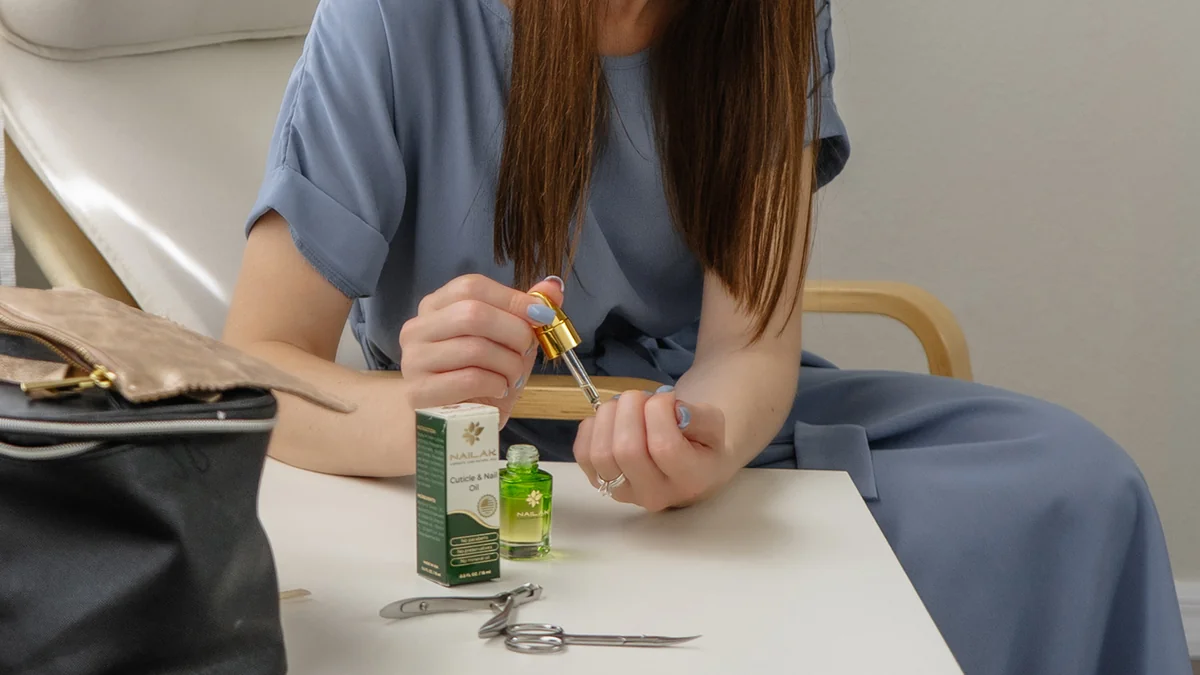
Quick Summary: Hangnail prevention tips that blend daily moisture, gentle trimming, smart handwashing, and lifestyle tweaks to keep nail edges smooth and comfortable.
What Hangnails Are and Why They Happen
Hangnails are tiny slivers of torn skin that lift away from the lateral edges of your nails. They often appear sharp or papery, and they hurt because the skin around your nails has many nerve endings. When you tug them, they can tear further. That opens the door to irritation and sometimes infection.
Here’s why they show up.
- Dryness: Cold weather, low humidity, and frequent handwashing dehydrate skin.
- Mechanical stress: Typing, crafting, dishwashing, or tight gloves can cause micro-tears.
- Picking and biting: These habits rough up the cuticle area, leading to rips.
- Harsh products: Strong detergents, acetone, and alcohol-heavy sanitizers strip oils.
- Salon practices: Cutting cuticles (instead of soft pushing) weakens that protective seal.
The skin science, in simple terms
Your cuticles are a natural barrier where nail and skin meet. They help seal moisture in and keep irritants out. When that barrier dries and frays, the skin loses flexibility and tears more easily. Hydrators like glycerin and hyaluronic acid pull water in. Occlusives like petrolatum and shea butter lock it in. Emollients like squalane and ceramides help smooth roughness. Strengthen the barrier, and hangnails become rare.
Daily Hangnail Prevention Tips
Consistency beats intensity. A few seconds at the right moments will transform how your hands feel.
Morning minute: set your barrier for the day
- After brushing your teeth, massage a pea-size hand cream into nails and cuticles.
- Add one drop of cuticle oil per nail. Let it sink in while your coffee brews.
- Choose a “squoval” nail shape—soft square with rounded edges—to reduce snags.
Midday maintenance: moisturizer micro-moments
- After every handwash, pat dry and apply a small dab of cream. Even 5 seconds counts.
- Use a sanitizer with glycerin or aloe if soap and water aren’t available.
- Keep a mini tube or oil pen at your desk or in your bag. Visibility prompts use.
Evening reset: repair while you rest
- After your nighttime face routine, treat hands like skin care too.
- Layer routine:
- Hydrator (glycerin-rich lotion),
- Emollient (ceramide or squalane cream),
- Occlusive (a whisper of petrolatum) on cuticles.
- Slip on thin cotton gloves for 20 minutes while you read. Occlusion helps products work.
A tiny kit that saves the day
- Travel-size hand cream
- Cuticle oil pen
- Fine 240–320 grit nail file
- Sharp, sanitized cuticle nippers (for emergencies only)
- Tiny bandage or liquid bandage for quick protection
These hangnail prevention tips are small on purpose. Tiny habits stick.
Wash, Dry, and Moisturize Smarter
Water is both friend and foe. It hydrates, then evaporates, taking your natural oils with it. The trick is gentleness and timing.
Handwashing that protects
- Use lukewarm water, not hot.
- Choose a mild, pH-balanced cleanser rather than a strong detergent soap.
- Lather your palms and backs of hands; handle nail edges lightly.
- Rinse thoroughly. Residue can irritate.
Drying matters more than you think
- Pat, don’t rub. Press a towel around each fingertip to remove water near nail folds.
- Dry under rings. Trapped moisture macerates skin and invites tearing.
Moisturizer mechanics
Think in layers, just like facial skin care.
- Humectants: Glycerin, hyaluronic acid, urea (5–10%) draw water in.
- Emollients: Squalane, ceramides, fatty alcohols soften and smooth.
- Occlusives: Petrolatum, shea, lanolin seal in hydration, especially at night.
A simple rule: apply cream within 60 seconds of washing to lock in water.
Sanitizers and soaps without the sting
- If sanitizer is non-negotiable, look for formulas with moisturizing agents.
- If your job requires frequent washing, stash a barrier cream with dimethicone. It forms a protective film that reduces friction and water loss.
Smart Tools and Safe Trimming
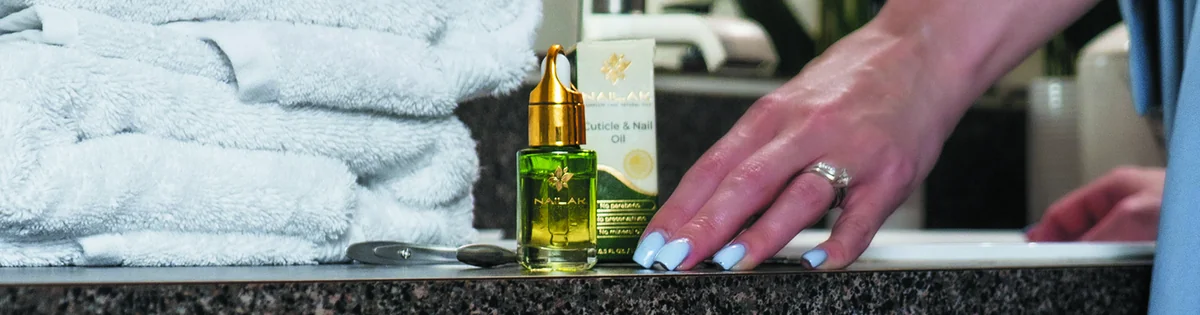
A safe trim can stop a hangnail from worsening. Ripping one can turn a nuisance into an injury.
Your tool checklist
- Single-use wooden cuticle sticks
- Fine nail file (240–320 grit)
- Cuticle pusher (gentle, with a rounded edge)
- Sharp cuticle nippers reserved for trimming only the dead, lifted edge
- Isopropyl alcohol wipes for tool sanitation
How to trim a hangnail safely
- Wash hands and pat dry.
- Soften with a drop of cuticle oil or a 3-minute soak in warm water.
- Gently push back cuticle with a wooden stick.
- With sanitized nippers, snip only the dead, lifted hangnail flush with the skin. Do not cut live cuticle.
- Seal the area with a dab of petrolatum or liquid bandage.
- Follow with hand cream. Resist picking.
If you spot redness, heat, swelling, or pus, press pause and consult a professional. That’s your cue to avoid home surgery.
Filing to prevent snags
- File nails in one direction to prevent splitting.
- Round corners slightly where snagging happens most.
- Smooth tiny nail plate layers that begin to lift before they catch on fabric.
Salon strategies
- Ask for cuticle softening and gentle pushing, not aggressive cutting.
- Request fine-grit files and gentle prep for gel manicures.
- Space out acetone removals. Rebuild moisture for a few days with oil and cream between sets.
Lifestyle, Nutrition, Environment
Hangnails are a whole-life story. Your routine, diet, and surroundings all play a role.
Nourish from the inside out
- Protein supports keratin. Include eggs, fish, tofu, and legumes in meals.
- Micronutrients that matter:
- Iron and zinc support nail integrity.
- Biotin helps brittle nails in some people; ask your clinician if supplementation is appropriate.
- Omega-3s support skin barrier function. Think salmon, walnuts, chia.
- Hydration shows up at your fingertips. Aim for steady sips through the day.
Humidity and the seasons
- Winter air is dry. Run a humidifier to keep indoor humidity around 40–50%.
- In summer, sunscreen the backs of hands. UV damage thins skin and worsens tearing.
Gloves are self-care, not fuss
- Wear rubber gloves with a cotton liner for dishes and cleaning.
- Use gardening gloves outdoors. Dirt is drying and gritty.
- In cold weather, put gloves on before your hands feel chilled. Preventing chapping is easier than treating it.
Replace the picking habit
Let’s be real: picking is a reflex. Replace it.
- Keep a smooth worry stone or fidget ring by your keyboard.
- Wrap a tiny adhesive bandage over a tempting spot until it heals.
- Add a reminder: oil after email. Habit stacking works.
Your nails’ shape and polish choices
- “Squoval” is snag-smart. Sharp corners tear.
- Choose gentle base coats and avoid harsh polish removers when possible.
- Give nails a break after gel or acrylic sets. Two polish-free days with oil can reset your barrier.
Style Signals: Hands as Your Signature
Your hands speak before you do. They sign receipts, hold coffee cups, and wave hello. A soft, hydrated cuticle line reads as intentional—even when you’re bare-nailed. Think of cuticle oil as jewelry’s quiet partner; it adds a light-reflecting sheen that looks instantly polished.
A quick style note: personal style is about expressing how you want to feel. When your outward choices align with your inner self, confidence rises. Hands are part of that narrative—a subtle detail that supports your overall look. Recent lifestyle commentary highlights that dressing in a way that feels authentic boosts mood and posture; tidy nails play along with that lift (source: https://www.beautythatwalks.com/how-to-create-an-authentic-personal-style/).
Here’s the secret: when you treat cuticle care as part of getting dressed, you do it more. Keep oil next to your perfume. Slip on hand cream after you clasp your necklace. Small rituals, big presence.
A 60-second “leaving the house” routine
- Rinse and pat dry hands.
- Sweep a drop of oil over each cuticle. Massage for 10 seconds.
- Add a half-pea of cream and rub it into knuckles and sides of fingers.
- Glide your thumbs over nail edges to check for snags. File any micro-catch now.
A Gentle Reminder for Confidence
A hangnail can feel like nothing—and then it snags, stings, and steals your attention. Prevention isn’t about perfection. It’s about comfort, confidence, and reclaiming your focus for better things. When your hands feel soft and snag-free, you reach out more. You write the text. You grab the tote. You say yes to the handshake and the selfie.
Let your hangnail prevention tips anchor you to yourself. A cream by the sink. Oil in your bag. A habit that says, “I take five seconds to care for me.” Those seconds compound into a calm, cared-for presence you carry all day.
Frequently Asked Questions (FAQ)
Q: What causes hangnails the most?
A: The big three are dryness, mechanical stress, and picking. Frequent washing, cold air, and harsh cleaners strip moisture, while daily tasks and biting or picking tear the delicate skin around nails.
Q: Are hangnail prevention tips different in winter?
A: Yes. Run a humidifier, switch to richer creams with shea or petrolatum, and wear gloves outside. Increase cuticle oil to twice daily. Winter air pulls moisture from skin faster.
Q: Is it okay to cut my cuticles?
A: Avoid cutting the living cuticle. It’s a protective seal. Trim only the dead, lifted hangnail edge with sanitized nippers. Soften and gently push back cuticles after a shower instead.
Q: Which ingredients help most with prevention?
A: Look for glycerin, urea, and hyaluronic acid for hydration; ceramides and squalane for smoothing; and petrolatum or shea butter to seal. Dimethicone in barrier creams helps protect during frequent washing.
Q: When should I see a professional for a hangnail?
A: If you notice redness, swelling, warmth, pus, streaking, or severe pain, don’t self-treat. See a dermatologist or healthcare provider—especially if you have diabetes, poor circulation, or a weakened immune system.
Estimated word count: ~1970 words