
Daily Routine for Strong, Healthy Nails
She noticed it in the softest way—mid-morning light catching the curve of her thumbnail as she reached for her latte. The polish wasn’t even new, but the edges looked tidy. Her cuticles lay smooth like silk ribbons. She could almost feel the quiet armor of care in her hands. It wasn’t vanity, not really. It was the relief of recognizing that the small things she did each day were working.
There had been weeks when her nails broke at the quick, snagging sweaters and dignity. She’d blame stress or the dry air or the never-ending sink of plates. She’d tell herself she didn’t have time to fuss, that a daily routine for strong healthy nails belonged to people with long baths and longer lunch breaks. But a tiny bottle of oil on her desk, a glass file in her bag, and a touch of SPF by the sink began to prove her wrong.
She started simple. One mindful breath between emails turned into massaging cuticle oil, twice a day. The gloves she once forgot became a habit that felt as natural as buckling a seatbelt. Hand cream with real hydration lived next to the dish soap; sunscreen became the final step before she left the house, not just for her face but for her hands. It didn’t require an hour—just intention. A rhythm of care.
What surprised her most wasn’t that her nails grew longer. It was that they grew calmer. They didn’t peel when she opened mail. They didn’t split when she typed furiously through deadlines. Under the tidy polish was resilience, built one tiny action at a time. In the same way she had learned to protect her time or her boundaries, she protected her nail plates. And with that, she recognized a new kind of confidence—quiet, low-maintenance, and entirely her own.
Maybe you’re that person right now: glancing at your hands and wishing for stronger, smoother, healthier nails that don’t demand a complicated routine. The truth is, you don’t need complicated. You need consistent. Strong nails are grown, not glued. They respond to steady hydration, thoughtful protection, good nutrition, and the right tools. When a daily nail ritual sits alongside your skincare and morning coffee, it becomes a simple loop that supports the rest of your life.
Let’s be honest—your hands work hard. They type and cook and carry. They get washed dozens of times. They deserve a smart, doable plan that turns all that wear into wellness. The blueprint below distills what works: practical steps, evidence-informed habits, and small tweaks that make a big difference. You can start today, in under five minutes, with exactly what you already own. Yes, really. Here’s the secret: the strongest routines are the ones you’ll actually keep.
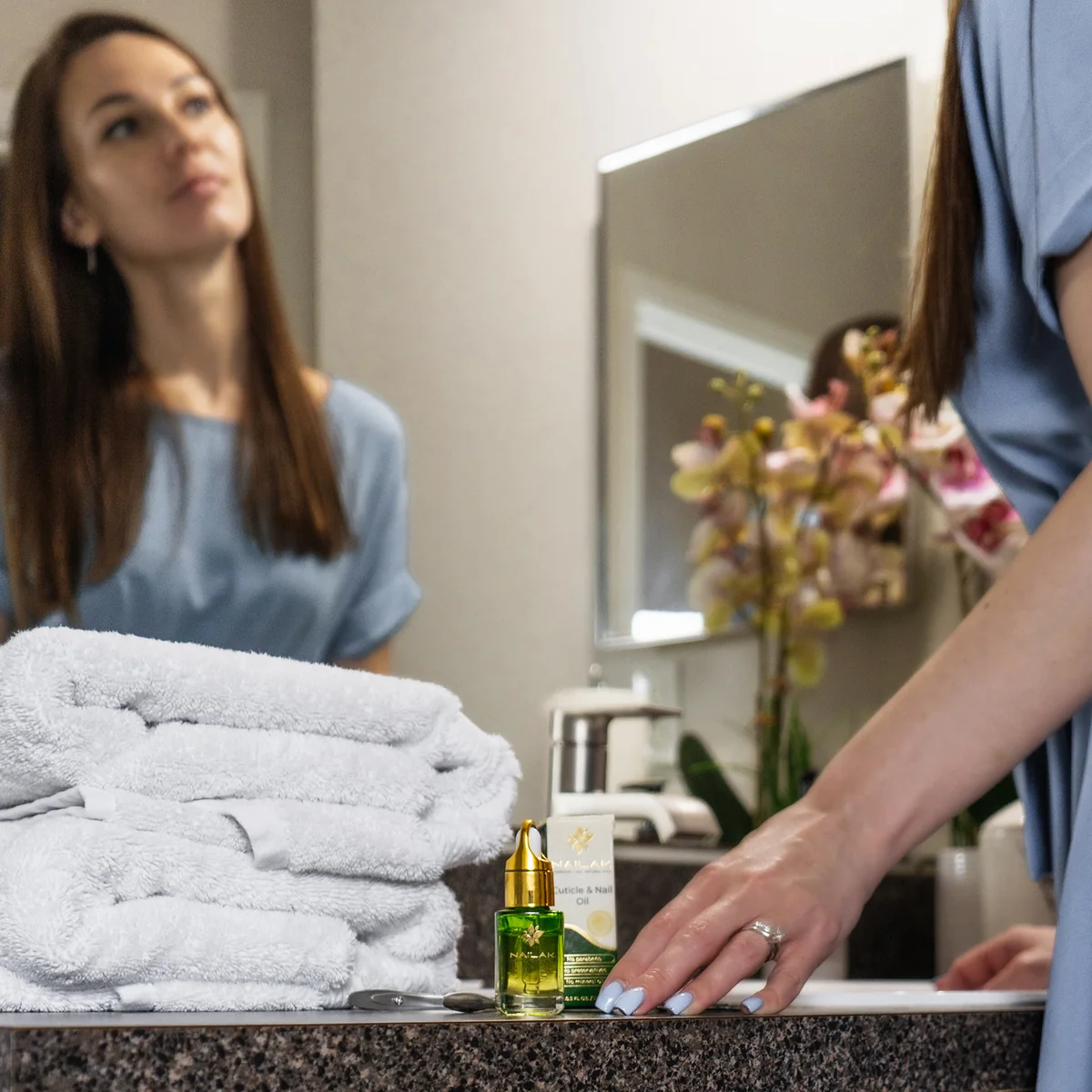
Quick Summary: Build a gentle, consistent daily routine—hydrate cuticles, protect with SPF and gloves, keep nails short and sealed, nourish from within, and use clean tools—to grow strong, healthy nails without fuss.
Why Nails Weaken and Signs to Watch
Nails are keratin plates layered like shingles. When they dry out or endure repeated trauma, the layers lift and peel.
Common culprits:
- Excess water exposure and harsh soaps
- Frequent acetone use or aggressive filing
- Picking at gels or acrylics
- Winter air, low humidity, and hot showers
- Nutritional gaps or health changes
Signs your nails need TLC:
- Peeling at the free edge
- Vertical splitting or flaking
- Persistent ridging that catches on fabric
- Ragged cuticles and hangnails
- Dullness that resists polish or topcoat
The goal of a daily routine for strong healthy nails is to reverse that cycle—reduce trauma, reintroduce moisture, and protect the plate so it can grow out smoothly. Think consistent care, not constant intervention.
The Daily Routine, At a Glance
Your hands move through the day in stages. So should your nail care.
- Morning: Hydrate and seal. Add SPF. Keep nails short and shaped.
- Midday: Reapply cuticle oil. Protect during chores. Practice mindful habits.
- Evening: Cleanse gently. Treat with targeted repair. Lock in moisture.
Three to five minutes total. No complicated tools required.
Beginner’s starter kit:
- Cuticle oil (jojoba or squalane based)
- Hand cream with humectants (glycerin or urea)
- Glass or crystal nail file
- Acetone-free remover
- Non-drying soap
- Thin cotton-lined gloves for chores
Consistency compounds. One week reduces roughness. Four weeks improves resilience. Twelve weeks grows a new, stronger free edge.
Morning Ritual: Hydrate, Seal, Protect
Set the tone in under two minutes.
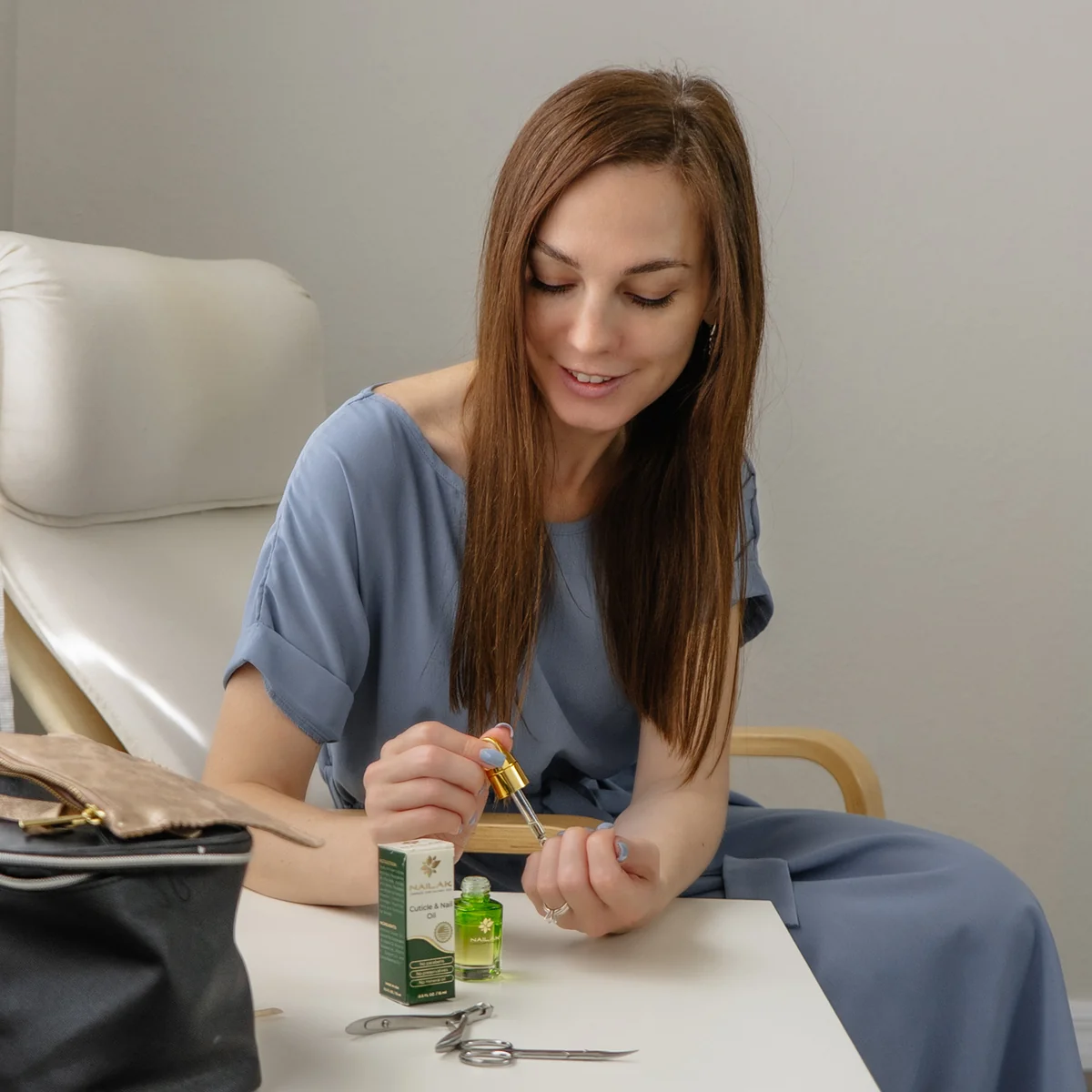
- Massage in cuticle oil.
- Target the cuticle line and sidewalls.
- Aim for a drop per hand, not a flood.
- Jojoba is a great mimic of skin’s natural oils.
- Layer hand cream.
- Look for glycerin, urea (5–10%), shea butter, or ceramides.
- Massage across nails, too—nail plates drink up moisture.
- Shape, don’t saw.
- Use a glass file on dry nails.
- File in one direction to avoid micro-tears.
- Keep tips short and softly rounded or squoval for fewer snags.
- Add sunscreen to hands.
- Choose a broad-spectrum SPF 30 or higher.
- Cover backs of hands and fingers; reapply after washing.
- If you cure gels with a lamp, sunscreen helps protect skin.
Quick tip: Keep oil by your toothbrush. Use it right after you brush your teeth. Habit hooks make routines stick.
Midday Care: Hands-On Habits That Help
Tiny, repeatable choices strengthen nails more than one big treatment.
- Reapply cuticle oil after handwashing. Pat hands dry first.
- Switch to a gentler soap. Look for words like “moisturizing” or “balancing.”
- Wear gloves for dishes and cleaning. Heat, water, and detergents unravel nail layers.
- Stop using nails as tools. Open cans with a cloth. Lift tabs with a spoon.
- Avoid picking polish or gels. Use a remover wrap when it’s time.
Typing tweak:
- Keep nails just past the fingertip or shorter.
- Type with the pads of your fingers.
- Round corners to reduce impact on keys.
On-the-go kit:
- Mini oil pen
- Pocket hand cream
- Small glass file with sleeve
- Bandage for emergency hangnails
A note on habit strength: maintenance in any category matters. Home care experts even emphasize that prompt repair keeps things functional and attractive. When a fence splinters, choosing a dependable repair service and asking the right questions prevents bigger damage later—the same logic applies to catching nail issues early and addressing them with the right products. A small fix now beats a major overhaul later. (source: https://inkbeau.com/fence-repair-services/)
Evening Reset: Repair While You Rest
Night is prime time for recovery. Your skin and nails absorb and repair as you sleep.
Remove polish kindly.
- Use an acetone-free remover when possible.
- If using acetone, keep contact brief and follow with oil.
- Never scrape polish or pry gels. It peels layers.
Soak and soften (optional, once or twice a week).
- Five minutes in lukewarm water with a drop of gentle soap.
- Pat dry, then apply oil while nails are still slightly warm.
Treat with purpose.
- Use a strengthening base coat 2–3 times a week if you polish.
- Look for hydrolyzed keratin or cross-linking polymers that sit on the surface and reduce water loss.
- If you go bare, seal edges with a thin coat of clear.
Lock in moisture.
- Apply a rich hand cream, then a thicker balm over cuticles.
- Cotton gloves overnight boost absorption for very dry hands.
Tame cuticles without cutting.
- Nudge them back gently after a warm wash.
- Clip only true hangnails with clean nippers.
- Keep the eponychium intact—it’s your natural seal.
Weekly rhythm for polish lovers:
- Refresh topcoat every 2–3 days.
- Give nails a polish holiday every few weeks to reassess.
- If you wear gels, schedule breaks every 6–8 weeks and focus on moisture.
Smart Nutrition for Nail Strength
Strong nails start with what you do, and what you consume.
Daily anchors:
- Protein: Nails are keratin. Aim for a protein source at each meal.
- Healthy fats: Omega-3s support nail and skin barrier health.
- Hydration: Water keeps nail plates flexible. Sip steadily.
- Micronutrients: Iron, zinc, biotin, and B12 support growth when needed.
Practical plate ideas:
- Breakfast: Greek yogurt with berries and chia.
- Lunch: Lentil salad with olive oil and leafy greens.
- Snack: Almonds or edamame.
- Dinner: Salmon or tofu with quinoa and roasted vegetables.
Supplements?
- If your diet is varied, you may not need them.
- Biotin can help some people with brittle nails, but it’s not universal. It may also interfere with certain lab tests. Always tell your clinician if you take it.
- Collagen peptides can support nail growth in some cases, often after several weeks.
- When in doubt, check with a healthcare provider, especially if you notice sudden nail changes.
When to investigate further:
- Nails that suddenly become spoon-shaped, clubbed, or very pale
- Persistent splitting that doesn’t respond to care
- Signs of infection (redness, pain, swelling)
- Pitting or severe ridging These can reflect underlying conditions worth a professional look.
Tools, Polish, and Salon Choices
Your tools should protect, not punish.
Essential toolkit:
- Glass or crystal file: smooths edges without shredding layers.
- Buffing block: fine-grit only, used sparingly to avoid thinning.
- Orangewood stick: cleanup hero for polish edges.
- Non-acetone remover: gentler for routine cleans.
- Clean nippers: for hangnails only.
Polish pointers:
- Stick to thin coats. Thick layers chip and tempt picking.
- Choose a base coat that doubles as a ridge-filler if needed.
- Reapply topcoat mid-week to extend wear.
- Give nails 24 hours polish-free every few weeks to observe the plate.
Gel and extensions:
- Book reputable salons that prioritize proper removal.
- Request soak-off removal; no scraping with sharp tools.
- If using lamps, apply sunscreen 15 minutes before your appointment and consider protective gloves with cutouts.
- Ask about products used. Avoid questionable monomers; quality matters for your natural nail health.
Sanitation and safety checklist:
- Tools should be sterilized or single-use.
- Files and buffers are often disposable—don’t be shy about new ones.
- Your nail tech should wash hands or change gloves between clients.
- If something stings or feels wrong, pause the service.
At-home manicures:
- Work on clean, dry nails.
- Push back cuticles gently after a warm wash.
- Wipe with alcohol before polish for better adhesion.
- Cap the free edge with base and topcoat to seal layers.
Pro tip: Keep nails at a “productive length”—long enough to feel elegant, short enough to live your life. The less leverage on the free edge, the fewer breaks.
Your Hands, Your Quiet Confidence
There’s a lovely relief in realizing strength isn’t loud. It’s not the glossy finish or the perfect almond shape. It’s the small, rhythmic things you do without thinking—oil after washing, gloves for dishes, SPF before you grab your keys. A daily routine for strong healthy nails becomes a conversation with yourself: I’m on my own team.
Let’s be honest—the world pulls at our attention. Routines are anchors. When you pause to care for your hands, you make room for steadiness. You build something you can rely on: resilient nails that don’t snag on sweaters, that feel smooth against your coffee cup, that reflect the way you hold your life—deliberate, gentle, and strong.
The best part? It doesn’t require perfection. Only presence. Two minutes in the morning, one mindful habit at noon, a soft reset at night. Keep your kit within reach. Let small steps accumulate. One day you’ll notice the light catching your nails and think, Oh. This is working. And that quiet glow will follow you into the rest of your day.
Frequently Asked Questions (FAQ)
Q: What’s the simplest daily routine for strong healthy nails? A: Apply cuticle oil morning and midday, hand cream after washing, sunscreen on hands before going out, and keep nails short and neatly filed. At night, remove polish gently if needed and seal in moisture with oil and a rich cream.
Q: How often should I file my nails to prevent breaks? A: Lightly file once or twice a week, or at the first sign of a snag. Use a glass file and move in one direction to avoid micro-tears that lead to peeling.
Q: Which ingredients actually help dry nails and cuticles? A: Look for jojoba or squalane in oils; glycerin, urea (5–10%), shea butter, and ceramides in creams. These ingredients attract and lock in moisture while supporting the skin barrier around the nail.
Q: Are gel manicures bad for nail health? A: Gels aren’t inherently harmful, but improper removal is. Always choose soak-off removal, avoid scraping, keep nails short between sets, and prioritize daily moisture. Schedule breaks every 6–8 weeks to assess nail health.
Q: Do I need biotin or collagen for stronger nails? A: Not always. Many people get results from consistent topical care and nutrition alone. Biotin helps some but can affect lab tests; collagen may help over weeks. Speak with a healthcare provider if you consider supplements or notice sudden nail changes.
Estimated word count: ~1,980 words.