
Natural Remedies for Nail Fungus That Truly Help
The first chill of morning air slips under the bathroom door as you wrap your hands around a warm mug. You set it down, lift your foot to the edge of the tub, and pause at the sight you’ve been avoiding. A yellowed edge. A crumbly corner. A nail that doesn’t feel like yours anymore. Nail fungus has a way of whispering insecurity into simple moments—slipping on sandals, booking a pedicure, or even padding around barefoot at home.
You switch on a softer light and reach for the small amber bottle on the shelf. A leafy, medicinal scent rises—tea tree, clean and sharp. You dab it precisely along the side of your nail, then seal with a richer balm. It’s not glamorous. But this tiny ritual is the sort of self-care that makes you feel quietly capable. No fanfare, no miracle, just consistent tending.
Let’s be honest: fungal nails are stubborn. They grow slowly and heal even slower. But progress doesn’t always announce itself. Sometimes it looks like fewer crumbles when you file. Or a crescent of clearer nail at the base where new growth begins. Sometimes you can almost feel the smoothness returning under your fingertip.
What you want is a plan—one that feels doable, respectful of your time, and grounded in ingredients that actually have a chance. Natural remedies for nail fungus can help in mild cases, and they can be a powerful complement to medical treatment in tougher ones. The key is knowing what to use, how to use it, and how to keep the fungus from finding its way back.
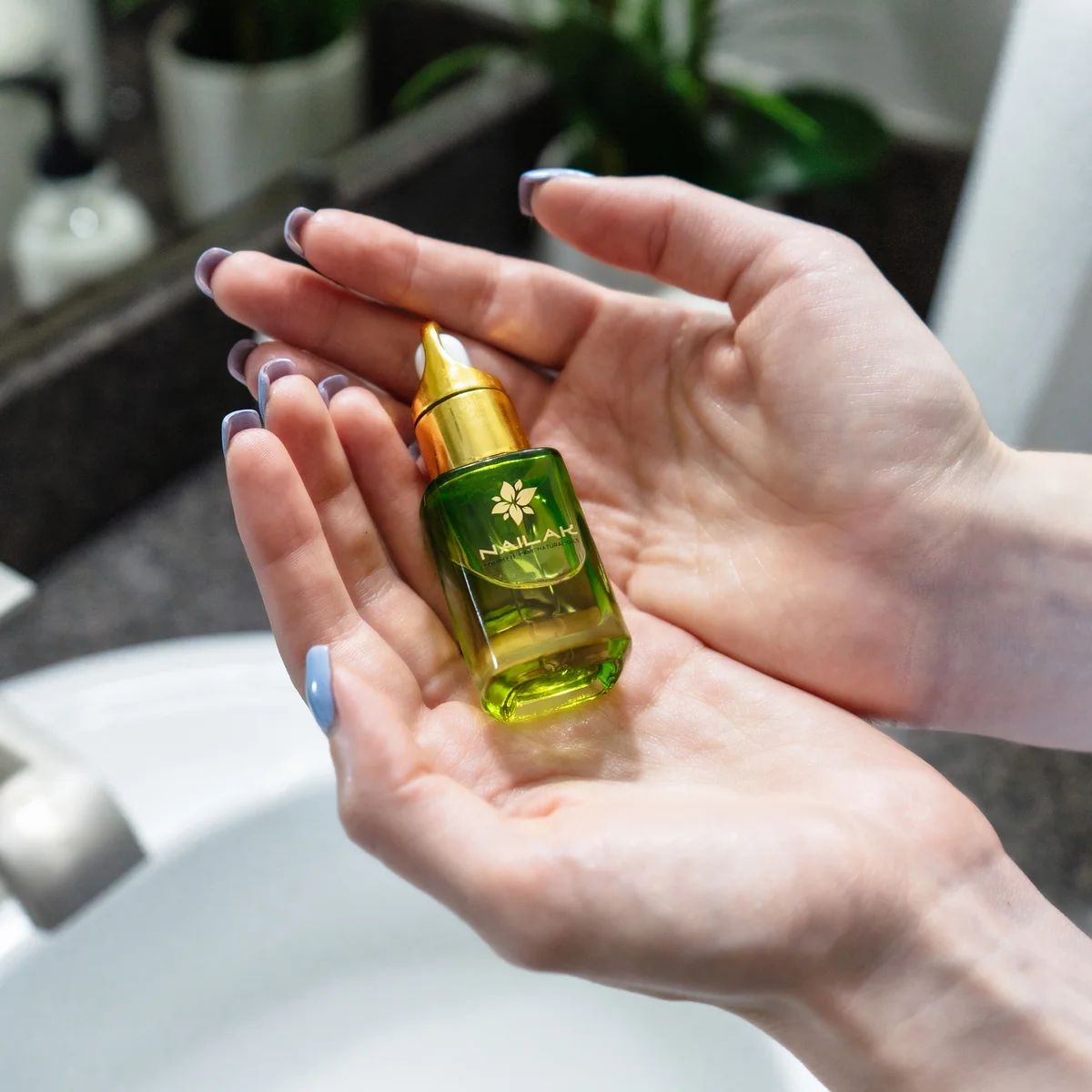
Quick summary: With patience and evidence-informed ingredients, natural remedies for nail fungus can support clearer, stronger nails—especially when paired with smart hygiene and a steady daily routine.
What nail fungus really is
Nail fungus—onychomycosis—is a slow-moving infection of the nail plate and the skin underneath it (the nail bed). Often, dermatophytes (like Trichophyton rubrum) are to blame, though yeasts and molds can join the party. The result: discoloration, thickening, brittleness, and sometimes a musty odor. In advanced cases, the nail lifts from the bed.
Here’s how it spreads:
- Microscopic spores thrive in warm, damp places: locker rooms, sweaty socks, tight shoes.
- Tiny breaks in the skin or nail invite them in.
- Once under the nail, the organisms feed on keratin, the protein that makes nails hard.
Risk factors you can’t change: genetics, slow nail growth with age, and certain medical conditions. Risk factors you can address: moist environments, non-breathable footwear, trauma from tight shoes, poor tool hygiene, and going barefoot in public showers.
Natural remedies won’t dissolve a thick, severely infected nail overnight. But they can help tip the environment against the fungus, support healthier growth, and improve the look and feel of the nail over time.
When natural remedies make sense
Natural approaches work best when:
- The infection is mild to moderate.
- Only one or a few nails are affected.
- You’re consistent for several months.
- You combine them with good hygiene and trimming.
Set expectations. Toenails grow slowly—about 1–2 mm per month. Clearing the infected area means waiting for healthy nail to grow in while you keep the environment unfriendly to fungus. That’s a marathon, not a sprint.
When to talk to a clinician first:
- You have diabetes, poor circulation, or a weakened immune system.
- The nail is very thick, crumbling, or painful.
- Most of the nail is involved or multiple nails are worsening.
- The nail is separating significantly from the bed.
- You’re pregnant or nursing.
- You’re unsure if it’s fungus, psoriasis, or trauma.
A healthcare professional might recommend nail debridement, prescription topicals, or oral antifungals for severe cases. Natural remedies for nail fungus can still be part of the plan—think supportive care between medical treatments and as long-term maintenance after professional clearing.
Ingredient spotlight: proven plant allies
Not all “natural” options are equal. Focus on ingredients with plausible mechanisms, laboratory data, or supportive clinical experience. Patch test everything on your inner forearm first for 48 hours. Essential oils especially can irritate skin if used undiluted.
Tea tree oil (Melaleuca alternifolia)
Why it helps: Rich in terpinen-4-ol and related compounds, tea tree oil shows antifungal activity in lab studies. It also penetrates oily surfaces well, which helps it reach the nail surface and surrounding skin.
How to use:
- Dilute to 25–50% in a carrier oil (jojoba, sweet almond, or fractionated coconut) for skin bordering the nail.
- For the nail plate, a higher concentration may be tolerated, but avoid flooding the cuticle or skin.
- Apply a thin film twice daily after cleansing and drying.
Pro tip: Finish with a bland ointment (petrolatum-free balm or simple shea butter) to occlude lightly and slow evaporation without suffocating the area.
Cautions: Avoid if you’re sensitive to essential oils. Do not use near pets’ sleeping areas; tea tree oil can be toxic to animals.
Oregano and thyme oils (carvacrol and thymol)
Why they help: Carvacrol (from oregano) and thymol (from thyme) are robust antimicrobials. They disrupt fungal cell membranes and can complement tea tree.
How to use:
- Keep total essential oil concentration low—around 1–2%—to minimize irritation.
- Apply to nail edges and undersides if accessible, once daily at first, increasing to twice daily if skin tolerates.
Cautions: Strong scent and potential for irritation. Avoid in pregnancy and for anyone with fragrance sensitivities.
Garlic and onion extracts (ajoene and quercetin)
Why they help: Ajoene, a stabilized compound from garlic, has antifungal effects and has been studied in topical gels. Onion extract adds antioxidant support and may calm surrounding skin.
How to use:
- Look for a formulated gel or cream with stabilized garlic extract (rather than raw garlic, which can burn skin).
- Apply once or twice daily to the nail and surrounding skin.
- If DIY, infuse a gentle oil with crushed garlic for 24 hours, strain well, and patch test meticulously. Discontinue with any burning.
Cautions: Contact dermatitis is common with raw garlic. Choose standardized topical products when possible.
Coconut oil and undecylenic acid
Why they help: Coconut oil’s lauric acid can inhibit microbes, and its emollience helps the nail look better while you treat. Undecylenic acid—derived from castor oil—is an FDA-recognized OTC antifungal active that can be useful for skin and edges near the nail.
How to use:
- Massage a pea-size amount of coconut oil around clean, dry nails as a sealant after your active treatment.
- Apply undecylenic acid products (10–25%) to the skin around nails and the underside of the nail tip, once or twice daily.
Cautions: Coconut oil can be comedogenic on facial skin but is generally fine for feet. Avoid slick floors after application.
Apple cider vinegar soaks (acetic acid)
Why it helps: Mild acidity can discourage fungal growth and may soften buildup so actives penetrate better.
How to use:
- Mix one part apple cider vinegar with two parts warm water.
- Soak for 10–15 minutes, three to five times per week.
- Rinse, gently pat dry, and air-dry completely before applying treatments.
Cautions: If skin stings or looks irritated, dilute more or reduce frequency.
A keratolytic helper: urea
Not a plant extract, but urea is a substance skin naturally produces. At higher concentrations (20–40%), it softens thickened nail keratin and helps other ingredients penetrate.
How to use:
- Apply a 20–40% urea cream to the nail nightly, then file gently in the morning.
- Combine with tea tree or thymol-based products during the day.
Cautions: Avoid open skin. Keep away from cuticles if irritated.
The blend that often works best
- Morning: After a quick wash and dry, a thin layer of tea tree (25–50% in a carrier) to nail plate and edges. Seal with a non-fragrant balm.
- Evening: A low-irritation blend of 1% oregano or thyme oil in a carrier around the nail perimeter, then undecylenic acid under the nail tip if accessible.
- Two or three times weekly: Vinegar soak before treatment.
- Nightly: 20–40% urea cream on the thickest area for two to four weeks, then pause if irritation occurs.
Consistency is your quiet superpower here.
How to build a 10-minute daily routine
A small, sustainable routine beats occasional blitzes. Aim for five to ten minutes, once or twice daily.
- Prep the nail
- Wash feet or hands with lukewarm water and a mild cleanser.
- Dry thoroughly—between toes, under nail tips, and along the sides.
- Wipe the nail surface with an alcohol pad to remove oils and help penetration.
- Gentle shaping
- Once or twice weekly, use a fine emery board to thin thick areas lightly.
- Always file in one direction.
- Clean your file after use with alcohol; replace paper files often.
- Apply your active
- Morning: Tea tree-based formula to the nail plate; don’t flood the cuticle.
- Evening: Thymol or oregano blend to the edges; use a microbrush to reach under the free edge if possible.
- Seal and protect
- Massage a small amount of coconut oil or a bland ointment around the nail to maintain barrier health.
- Let it sink in for a minute before socks or gloves.
- Keep it breathable
- Wear moisture-wicking socks and breathable shoes during the day.
- At home, go barefoot on clean floors to let nails stay dry.
Weekly extras:
- Vinegar soak two or three times.
- Urea cream at night for thickened nails.
- Take progress photos on the first of each month for motivation.
Habit tip: Pair treatment with an existing ritual—your evening tea or favorite show. Set a recurring reminder on your phone. Small actions add up when they’re anchored to something you already do.
Smart hygiene to stop reinfection
Treating the nail is only half of the story. Fungus loves a friendly environment. Make your space less inviting.
Daily:
- Change socks at least once a day; twice if your feet sweat.
- Choose fibers that breathe—merino, bamboo, or technical synthetics.
- Rotate shoes; let each pair dry for 24 hours before wearing again.
Weekly:
- Disinfect shoes with an antifungal spray or a light mist of 70% isopropyl alcohol. Allow to dry completely.
- Launder socks and bath mats in hot water when possible. Add a cup of white vinegar to the rinse to help with odors.
- Clean nail tools with alcohol or a 10-minute soak in diluted bleach (1:10), then rinse and dry.
In public:
- Wear flip-flops in locker rooms and shared showers.
- Skip communal foot baths at salons unless you trust their disinfection practices.
- Bring your own tools to the nail salon if possible.
At home:
- Keep nails trimmed short and edges smooth to reduce trauma.
- Avoid sharing clippers and files.
- If a nail lifts, don’t glue it down. That traps moisture. Protect the area and consult a professional.
A note on polish: Breathable nail polishes can camouflage discoloration during treatment, but limit constant wear. Give nails polish-free breaks so you can monitor progress and keep the plate accessible to actives.
Devices, salon care, and trends
If your nail is very thick, professional debridement by a podiatrist can speed visible results. Removing excess keratin reduces pressure, prevents snagging, and allows topicals to reach their target. Some clinics also offer laser therapies. These use specific wavelengths to heat and damage fungal structures. Evidence varies, and multiple sessions are often needed, but they can be part of a multi-pronged approach.
At-home devices are trending in beauty. LED tools, once niche, now target everything from breakouts to fine lines. One beauty writer even reviewed a dedicated LED lip device designed to smooth the lip area—a sign that targeted at-home light tech is entering everyday routines. While lips and nails are different worlds, the broader trend is clear: technology is becoming more precise, compact, and user-friendly (source: https://beautyblogwales.com/2023/02/14/currentbody-skin-led-lip-perfector-review/)
For nail fungus specifically, home-use LEDs aren’t well-validated. If you’re curious, consult a dermatologist to set expectations and choose clinic-grade options with measured outcomes. In the meantime, supportive tools that do help:
- A dedicated nail brush for gentle cleaning under tips.
- A rechargeable nail file with low-speed settings for controlled thinning.
- A shoe-drying device or simple sun exposure to evaporate moisture.
Salon strategy:
- Ask how pedicure tubs and tools are sanitized; look for single-use liners and sealed sterilization pouches.
- Schedule the first appointment of the day if you’re worried about cleanliness.
- Request no aggressive cuticle cutting. The cuticle is a protective seal; nicking it invites infection.
A small ritual, a quiet kind of confidence
There’s something tender about tending to small, stubborn problems. You choose a soothing soundtrack, sit on the edge of the bed, and give yourself ten minutes. Not punishing minutes. Restorative minutes. The kind where the day narrows to a single focus: a cotton pad, a steady hand, a tiny shine returning to a place you stopped looking.
Natural remedies for nail fungus won’t give you an overnight makeover. But they give you something arguably better: a rhythm. You’ll learn the patience of slow growth and the pleasure of noticing early wins other people might miss. The crescent moon of clear nail at the base. The way your sock toes glide a little easier. The quiet courage to book a pedicure and say, “Let’s keep it gentle.”
Nails are small, but they hold so much of how we move through the world. When you treat them kindly—consistently, thoughtfully—you’re really practicing a bigger kind of care. The kind that returns you to yourself, one calm, precise gesture at a time.
Frequently Asked Questions (FAQ)
Q: Do natural remedies for nail fungus really work?
A: They can help in mild to moderate cases, especially when used consistently with good hygiene and gentle nail thinning. For severe or painful infections, see a clinician; natural remedies then play a supportive role.
Q: How long until I see results?
A: Expect three to six months for early improvements and 9–12 months for full toenail growth. Fingernails grow faster. The earliest sign is often a clearer crescent at the base of the nail.
Q: Is tea tree oil safe to apply every day?
A: Yes, if properly diluted and your skin tolerates it. Start with 25–50% tea tree in a carrier for the nail area and avoid flooding the cuticle. Patch test first and stop if irritation develops.
Q: Are vinegar soaks safe to do daily?
A: Most people do well with 10–15 minute soaks three to five times a week. If your skin stings or looks dry, dilute further or reduce frequency. Always dry thoroughly before applying treatments.
Q: Can I wear nail polish while treating fungus?
A: You can, but give your nails polish-free breaks each week so actives can penetrate and you can monitor progress. Breathable polishes help, but no polish is a substitute for treatment.
Estimated word count: ~1,980 words