
Best Nail Fungus Home Treatment: What Really Works
The bathroom tile is cool under your feet. You’re balancing on one leg, just out of the shower, scanning your toes the way you check your hair before a video call. One big toenail catches the light differently. The edge looks a little thicker, a little dull. There’s a faint yellow cast you swear wasn’t there last month.
You try to shrug it off. Maybe it’s leftover polish. Maybe the salon used a new base coat. But a week later, the shadowy tint is still there, and the nail seems rougher than you remember. You rub a thumb over it and feel a ridge that wasn’t part of the plan for sandal season.
There’s a flash of self-consciousness. The kind that doesn’t announce itself loudly, but pokes you when you slide into yoga class barefoot or reach for open-toe heels. You don’t want to be dramatic. You do want to understand what’s happening and what to do next.
So you make a cup of tea. You sit at the kitchen table with your phone and search for the best nail fungus home treatment. The results feel chaotic. So many miracle solutions. So many confident claims. So much fine print.
Your mind drifts to the little rituals you already trust. The satisfaction of a nightly SPF routine. The feel of a hair oil warming between palms. You believe in small steps, done consistently, that respect how the body heals. And here’s the truth about nail fungus: it’s slow to show, slow to treat, and absolutely beatable with patience and a plan that fits real life.
You can almost smell the sharp, clean note of tea tree oil. You picture a soft towel, a glass file, and a tiny bottle that becomes part of your nightly wind-down. You picture the nail growing out clearer, week by week, like a sunrise you can barely see moving but know is coming.
Let’s be honest, you want the facts without fear. You want to know which home treatments help, which ones waste time, and when to call a professional without feeling like you failed. And you want it explained with the same care you’d give a friend across the table, steam rising from your mugs, both of you grateful for a simple plan.
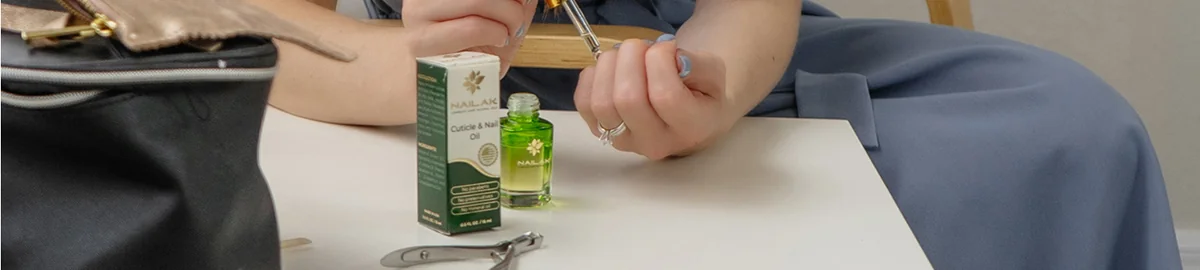
A clear, realistic guide to the best nail fungus home treatment, including effective ingredients, daily habits, and when to seek extra help.
What nail fungus really is
Nail fungus, or onychomycosis, is a slow-moving infection. It usually starts at the edge of the nail and creeps inward. Fungi love warm, moist environments. Locker rooms. Tight shoes. Sweaty socks. It’s common, especially on toes.
Hallmark signs include:
- Yellow or brown discoloration.
- Thickening or crumbling at the edge.
- A chalky, rough surface.
- Separation of the nail from the bed.
It can be mild at first. Just a smudge of color under the tip. Over time, the nail can become more brittle and distorted. It may even feel tender in shoes.
There are a few patterns. White superficial onychomycosis sits on top of the nail. Distal subungual starts at the free edge and moves backward. The first is often more responsive to topical care. The second is trickier and needs persistence.
Risk factors matter. If you regularly swim, have athlete’s foot, wear non-breathable shoes, or live in humid climates, your odds go up. So do age, nail trauma, and conditions like diabetes or poor circulation.
The good news: nails grow. When you remove fungus, protect the area, and support healthy growth, the clear portion can gradually replace the damaged part. It just takes time.
When home treatment makes sense
Home treatment works best for mild or early nail fungus. If only one or two nails are affected and less than half the nail plate is involved, you have a solid chance with a focused routine.
Good candidates for a home approach:
- The infection is new or superficial.
- No major pain or pus.
- The nail is still mostly attached.
- You feel ready to be consistent for months.
Caution flags that warrant professional care:
- Diabetes, neuropathy, or poor circulation.
- Severe nail thickening or deformity.
- Involvement of the nail matrix (where the nail grows).
- Multiple nails affected or rapid spread.
- Redness, swelling, warmth, or drainage.
Here’s the secret no one likes to say out loud: even the best nail fungus home treatment takes time. Toenails can take 9 to 12 months to fully regrow. Fingernails are quicker, often 4 to 6 months. That’s not failure. That’s biology.
Still, there’s meaningful progress along the way. You’ll see a clear “lunula” of new growth at the base. The line between healthy and damaged advances outward. The edge feels smoother. Shoes feel more comfortable.
If you start and stick with a plan now, you future-you will be grateful next season.
The best nail fungus home treatment plan
A strong home strategy does three things:
- Reduces fungal load.
- Supports penetration of topical agents.
- Prevents reinfection while the nail grows out.
Here’s a practical, ingredient-focused plan you can start tonight.
Step 1: Soften and gently thin
- After a warm shower, pat feet dry.
- Use a glass file to reduce thickness at the free edge.
- If the nail is very thick, apply a urea 40% ointment nightly for one to two weeks to soften the plate. Gently file more after bathing.
Step 2: Apply an antifungal topical
- For accessible cases, use an OTC antifungal with undecylenic acid (10–25%) or clotrimazole 1% solution. Apply to the nail surface, edges, and under the free edge twice daily.
- If available in your region, a nail-specific lacquer with an antifungal agent can help. Follow label directions exactly.
- Let it dry fully before socks.
Step 3: Add a supportive home remedy
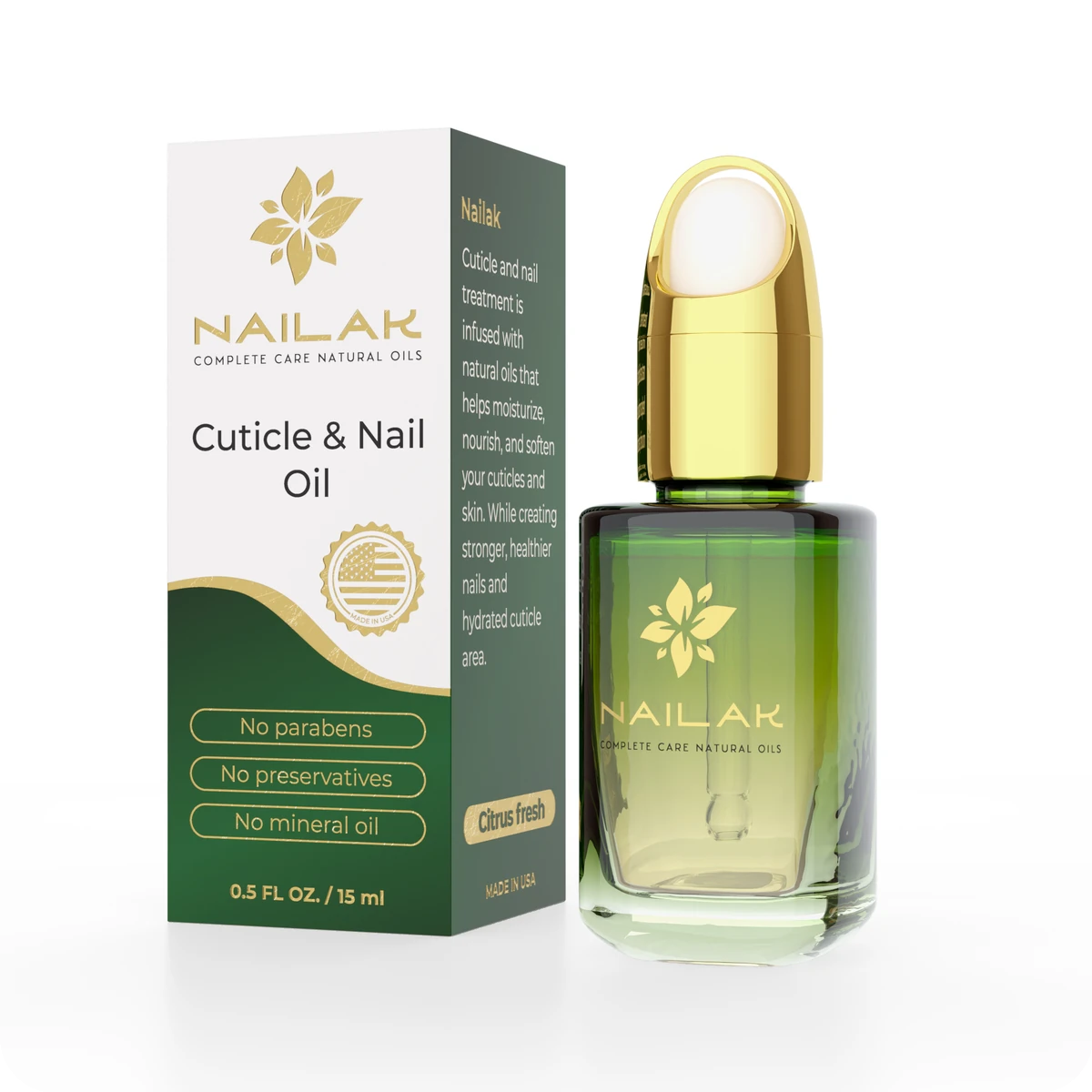
- Consider tea tree oil at 5–10% concentration in a carrier oil. Dab a small amount on the nail and surrounding skin once daily. Patch test first to rule out irritation.
- Or use a nightly application of a mentholated ointment containing camphor and thymol. Small studies and strong anecdotes support its use for mild cases.
Step 4: Protect from moisture
- Use breathable socks. Change them if your feet sweat.
- Alternate shoes to allow drying time.
- Use an antifungal powder in shoes twice weekly.
Step 5: Be consistent and track progress
- Take a photo on day one and monthly after.
- Trim and file weekly.
- Continue for at least three months, then reassess.
H3: What to expect each month
- Month 1: The nail looks tidier and less brittle at the edge.
- Month 2: A clearer band of new growth appears at the base.
- Month 3+: The healthy band moves outward. Stay the course.
If progress stalls, or more of the nail becomes involved, connect with a clinician. You may need an oral medication, debridement, or a prescription lacquer for a boost.
Ingredients that actually help
Not all “natural” or household products are equal. Here’s a closer look at common options and how they fit into a best nail fungus home treatment.
Urea 40%: This is a keratolytic, not an antifungal. It softens thickened nails so your antifungal penetrates better. It also makes gentle filing easier. Use at night, protect surrounding skin with petroleum jelly if sensitive.
Undecylenic acid (10–25%): An OTC antifungal with a decent safety profile. It works best on skin fungus, but can support mild nail cases, especially when used with debridement.
Clotrimazole 1% solution or cream: Another OTC antifungal. Its penetration into thick nail plates is limited, which is why thinning is key. Apply to surrounding skin to treat athlete’s foot as well.
Tea tree oil (Melaleuca alternifolia): Shows antifungal activity in lab studies. Real-world results are mixed but promising for mild, superficial infections. Always dilute to 5–10% in a carrier oil to reduce the risk of irritation.
Thymol and camphor (in mentholated balms): Thymol has antifungal properties. A small body of evidence and many user reports suggest benefit with nightly use over months. It won’t help severe cases but can assist mild ones.
Vinegar soaks (acetic acid): A 1:1 mix of white vinegar and warm water can acidify the environment. Soak 10–15 minutes, two to three times weekly, then dry well. This is supportive care, not a standalone cure.
Hydrogen peroxide: Can clean the surface but may irritate if overused. Not a primary antifungal strategy for nails.
Listerine soaks: It contains thymol and menthol, which have antifungal properties. The evidence is largely anecdotal. If you try it, limit to short soaks and moisturize after.
Ingredients to skip:
- Bleach or harsh chemicals on skin. They increase irritation risk and don’t improve outcomes.
- Undiluted essential oils. They raise irritation and allergy risks.
- Home “drills” or aggressive scraping that can damage the nail bed.
If you prefer fewer products, choose one antifungal topical and one supportive method. Then master the daily habits that keep the environment dry and unfriendly to fungus.
Habits that speed results
The best nail fungus home treatment isn’t just a bottle. It’s a system. Small, thoughtful habits create the conditions for clear nails to grow.
Daily:
- Dry thoroughly after bathing, especially between toes.
- Apply your chosen antifungal to nails and edges.
- Let feet breathe at home. Barefoot on clean, dry surfaces is fine.
Weekly:
- Trim nails straight across. Gently file the thickened edge.
- Disinfect nail tools with alcohol.
- Switch your antifungal socks into the wash on hot.
Footwear hygiene:
- Rotate shoes. Stuff with newspaper overnight to absorb moisture.
- Use an antifungal powder or spray inside shoes weekly.
- Choose breathable materials. Avoid tight toe boxes.
Beauty choices that help:
- Skip occlusive polish while treating. It traps moisture and blocks penetration.
- If you wear polish, choose short breaks and apply antifungal in between.
- Avoid sharing nail tools. Bring your own to the salon.
When people talk about healthy routines, they often mention face wash and a stretch band. But the best progress happens when care includes the less glamorous details, like clean socks and diligent drying after a shower. It’s the same principle for nail fungus: simple, steady actions outperform quick fixes every time. (source: https://beautyconspirator.com/2025/04/15/from-acne-to-aches-how-people-actually-take-care-of-their-skin-and-body/)
H3: Mistakes to avoid
- Stopping when it “looks” better. Treat through full nail regrowth.
- Only treating the nail. Also treat the skin if there’s athlete’s foot.
- Ignoring shoes. Fungus can live there and reinfect you.
- Scrubbing too hard. Damage creates an easier path for fungus.
H3: Safety notes
- If you have diabetes, neuropathy, or poor circulation, see a professional first.
- Pregnant or nursing? Avoid essential oils and check any product with your clinician.
- Patch test new topicals. Redness or burning means stop and reassess.
How to build a routine you’ll keep
Let’s be honest: the hardest part is consistency. You don’t need more willpower. You need a routine that feels natural.
Try this.
- Tie it to an existing habit. Apply your topical right after brushing teeth.
- Keep supplies in a pretty pouch near your nightstand. Out of sight is out of mind.
- Set a weekly “nail care” calendar alert. Trim, file, disinfect tools, refresh shoes.
- Take a monthly photo in the same light and angle. Progress keeps you motivated.
- Celebrate non-scale wins. Pain-free shoes, smoother edges, fewer snags in socks.
Many women find it helpful to treat this as self-care, not punishment. A quiet minute for your feet. A sip of water. A deep breath. Then lights out.
H3: A minimalist five-step nightly routine
- Wash and dry feet well.
- Gently file the free edge of thickened nails.
- Apply your antifungal solution.
- Massage a drop of diluted tea tree oil at the cuticle.
- Slip into breathable socks.
Total time: 3–5 minutes. Results: cumulative and real.
When to get extra help (without guilt)
There’s no medal for doing this alone. If your nail isn’t improving after three months of consistent care, it’s time to check in with a clinician. A podiatrist or dermatologist can confirm the diagnosis, trim the nail more thoroughly, and discuss options.
Professional tools may include:
- Prescription lacquers, such as ciclopirox, in regions where available.
- Oral antifungals, like terbinafine or itraconazole. These can be very effective but need monitoring.
- Debridement to thin the nail so topicals reach the target.
- Laser therapies. Evidence varies, but they may help some people.
Bring photos and your product list. Your care plan becomes more precise, and you avoid chasing treatments that don’t fit your specific case.
Remember, many people use a hybrid approach: diligent home care plus a prescription boost. That’s not a failure. That’s wisdom.
A quiet kind of confidence
Clear nails are nice. Comfort is nicer. The best nail fungus home treatment is not only about disinfecting a surface. It’s about honoring slow growth and daily care. About believing that the smallest actions, repeated, can change how you feel in your body.
Think of the future moment when you slip into sandals without thinking. The tile is still cool under your feet. The light still catches your nails. Only this time, the edge looks smooth. The color is steady. You barely notice your toes at all because you’re already out the door, moving toward something that matters more.
That’s the beauty of steady care. It offers both results and a reminder: confidence is a practice. One quiet minute at a time.
Frequently Asked Questions (FAQ)
Q: How long does a home treatment take to work? A: You may see improvement in 6–8 weeks, but full toenail regrowth takes 9–12 months. Fingernails are faster, often 4–6 months. Keep treating until the entire nail grows out clear.
Q: Can I wear nail polish during treatment? A: It’s better to skip polish. It traps moisture and blocks penetration. If you do wear it, choose short intervals, remove it weekly, and apply your antifungal during breaks.
Q: Is tea tree oil safe for nail fungus? A: Tea tree oil can help mild cases. Always dilute to 5–10% in a carrier oil. Patch test first. Stop if you notice redness, burning, or itching. Avoid use in pregnancy unless cleared by your clinician.
Q: Does Vicks VapoRub actually work? A: Ointments with camphor and thymol have anecdotal support and some small studies for mild infections. Apply nightly to clean, dry nails. Expect slow, gradual change, and combine with filing and antifungal hygiene.
Q: How can I prevent nail fungus from coming back? A: Keep feet dry, rotate shoes, and wear breathable socks. Treat athlete’s foot quickly. Disinfect nail tools and avoid sharing them. Continue a once-daily antifungal application for a few weeks even after the nail looks clear.
Estimated word count: 1980