
How to Treat Toenail Fungus Naturally at Home
The morning began with soft light pooling on the bathroom tiles, the kind that turns steam into a haze and makes everything feel a little kinder. You unwrap the towel from your hair, angle your foot toward the mirror, and sigh. That one toenail — the slightly yellowed, thicker one you keep painting over — feels like the secret you’re tired of keeping. You try to ignore it, but sandal season whispers louder than your polish can cover.
You open the cupboard and choose a glass bowl instead of the usual tub soak. You drizzle in warm water, add a palmful of Epsom salt, and watch it melt into the swirl. A few drops of tea tree oil fall like tiny anchors, and the air shifts — clean, crisp, a reminder that small rituals matter. As your foot finds the warmth, you feel something soften in your chest, too. It’s not just about how to treat toenail fungus naturally. It’s about reclaiming comfort in your own skin, one careful, consistent choice at a time.
On the counter, you line up small tools like a tiny wellness army: a fine nail file, alcohol wipes, cotton pads, a neutral, breathable base coat. The plan doesn’t feel dramatic. It feels doable. Heat hums through the pipes. The mirror fogs. You catch your reflection and decide that this is the version of you that shows up gently, daily, and without apology — because healthy nails aren’t just cosmetic. They’re part of feeling at home in your body.
You text a friend, the one who never shames, and admit what’s going on. “Trying natural care for my toenail,” you type, “taking it slow, staying consistent.” She sends a string of leaf emojis and a promise to walk barefoot in grass with you by summer. You smile, shake out the towel, and feel the weight of secrecy leave with the steam. Maybe progress will be gradual. Maybe it’ll take months. But this is a season for steady wins.
You pat your foot dry, pressing into the spaces between the toes, letting warmth linger. You’re not chasing perfection. You’re building calm, daily habits that make you feel cared for. And isn’t that the quiet heart of wellness? Not the sprint. The steady, grounded walk forward.
Quick Summary: Gentle, consistent habits — clean, dry feet, smart hygiene, and research-supported natural remedies — can help improve toenail fungus over time and restore comfort and confidence.
Understanding Toenail Fungus
Toenail fungus, or onychomycosis, is a common nail infection. Fungi thrive in warm, moist places like shoes and locker rooms. When they invade the nail, the nail can thicken, turn yellow or brown, crumble at the edges, or lift from the bed.
It’s easy to miss early signs. Maybe the nail looks a shade duller. Perhaps it snags on socks. Over time, changes become more noticeable. The good news: many cases are mild to moderate and respond to steady care.
A reality check helps. Toenails grow slowly, around 1–2 millimeters per month. That means any method — natural or prescription — takes time. You’re growing a new, clearer nail while discouraging the fungus from thriving. Patience isn’t optional. It’s the plan.
Know when to see a clinician first:
- You have diabetes, poor circulation, or neuropathy.
- The toe is very painful, swollen, or red.
- Dark streaks appear under the nail without injury.
- The infection is spreading quickly or involves most nails.
- You’re pregnant or immunocompromised and unsure about products.
If your case is mild and you’re otherwise healthy, natural care can be a thoughtful first step.
How to Treat Toenail Fungus Naturally
Natural care works best when it’s consistent and layered. Think of it as a routine that keeps the toe clean, dry, and gently targeted. No one tip is a magic wand. The combination is powerful.
Start with a simple framework:
- Keep the environment unfriendly to fungus: clean, dry, breathable.
- Thin the nail surface gently, so remedies can reach it.
- Apply a research-supported natural treatment twice daily.
- Rotate shoes, manage sweat, and sanitize tools.
- Track progress with monthly photos.
A gentle routine you can follow
Morning
- Wash your feet with warm water and mild soap. Rinse well.
- Dry thoroughly, especially between toes.
- File the affected nail lightly in one direction. Wipe dust away.
- Apply your chosen natural remedy (more options below).
- Slip into breathable socks and shoes with room in the toe box.
Evening
- If feet sweat, cleanse again or use a quick foot wipe.
- Apply the natural remedy once more.
- Let nails air out for 10 minutes before bed.
- Once a week, clean tools with isopropyl alcohol and replace files.
Small upgrades make a big difference. Try thin wool or bamboo-blend socks. Rotate shoes so each pair rests 24 hours. Use sandals in damp public spaces. Bring your own tools to pedicures.
Daily Hygiene That Heals
Let’s be honest: fungus is less stubborn when the environment stops helping it. Hygiene isn’t glamorous, but it’s the hero here.
Top hygiene habits that support healing:
- Dry is the new beautiful. After showers, press a towel between toes.
- Change socks midday if feet sweat. Keep a spare pair in your bag.
- Air out shoes. Remove insoles to dry. Avoid wearing the same pair daily.
- Trim straight across. Don’t cut too short. Smooth thick edges gently.
- Don’t share nail clippers, files, or towels. Ever.
- Wipe tools with alcohol after each use. Replace old, rough files.
- Choose breathable footwear: mesh sneakers, leather sandals, roomy flats.
- After workouts, wash feet promptly. Don’t lounge in damp socks.
A three-minute micro-routine after work:
- Wash feet or use a cleansing wipe.
- Pat fully dry. Pause for 60 seconds.
- Dust with a light, non-fragrant foot powder if you tend to sweat.
These small acts support every other treatment you use.
Natural Remedies That Help
Here’s the secret: “natural” doesn’t mean casual. Use remedies with skill and care. Always patch test on the inner arm for 24 hours. Avoid broken skin. Stop if you feel burning or rash.
What the research and experience suggest:
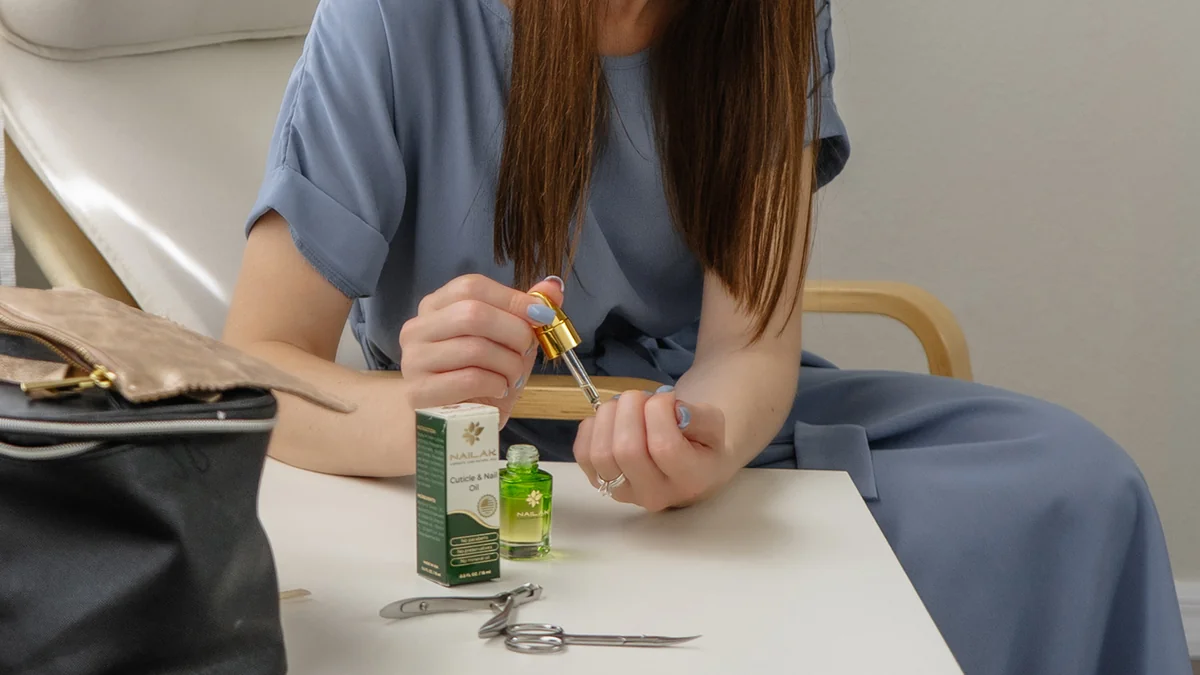
Tea tree oil (Melaleuca alternifolia)
- Known for antifungal properties in lab studies.
- How: Mix 1 drop per 5–6 drops of a carrier oil (like coconut or jojoba).
- Apply twice daily to the nail surface and just under the tip.
- Pros: Smells clean, widely available.
- Watch-outs: Can irritate sensitive skin if used undiluted.
Thymol-rich oils (thyme or oregano, diluted)
- Thymol and carvacrol show antifungal activity in studies.
- How: Dilute 1 drop per 8–10 drops of carrier oil. Start every other day.
- Pros: Potent; may help when rotated with tea tree.
- Watch-outs: Strong oils; use sparingly and never on broken skin.
Vinegar soaks (acetic acid 5%)
- Creates a slightly acidic environment fungi dislike.
- How: Mix 1 part white or apple cider vinegar with 2 parts warm water.
- Soak 10–15 minutes, 3–4 times weekly. Rinse and dry fully.
- Pros: Gentle, affordable.
- Watch-outs: Skip if your skin is cracked; dilute more if it stings.
Undecylenic acid (castor-bean derived)
- Often plant-derived and used topically for nails and skin.
- How: Apply a thin layer to the nail and surrounding skin twice daily.
- Pros: Practical for long-term use; low mess.
- Watch-outs: Avoid eye contact; follow label guidance.
Urea 20–40% creams as a helper
- Not a plant oil, but a skin-friendly keratolytic.
- Softens thick, hard nail so other remedies penetrate.
- How: Apply to the nail plate nightly for 2–4 weeks. Then file gently.
- Watch-outs: Don’t apply to open skin. Use a pea-sized amount.
Epsom salt soaks
- Comfort-forward. Helps soften skin and nail debris.
- How: 2 tablespoons in a bowl of warm water, 10 minutes, a few times weekly.
- Pros: Soothing; pairs well with vinegar on alternate days.
Combine wisely:
- Morning: Tea tree blend.
- Evening: Undecylenic acid or thyme/oregano blend.
- Twice weekly: Vinegar soak, then dry thoroughly before any oil.
- Weekly: Urea cream for a few weeks to thin the plate, then pause.
Debridement matters. A slightly thinner surface lets any topical work harder. File lightly, in one direction, once or twice weekly. Don’t overdo it.
Diet and Lifestyle Support
Your body’s terrain influences recovery. Support your immune system and skin health from the inside out.
- Balance your plate. Pair protein with colorful vegetables and healthy fats.
- Ease up on added sugars. Yeasts love sugar. Your immune system doesn’t.
- Consider fermented foods: yogurt, kefir, kimchi, or sauerkraut.
- Stay hydrated. Hydrated skin resists cracks where microbes enter.
- Micronutrients that matter: biotin, zinc, iron, and vitamin D. A varied diet usually covers these.
Gym, pool, and travel habits:
- Wear sandals in locker rooms and pool decks.
- Put on clean socks right after workouts. No lingering in damp ones.
- On trips, rotate shoes and sun-dry insoles by a window.
Salon savvy:
- Book the first appointment of the day.
- Ask how tools are sterilized. High-temperature or hospital-grade methods are best.
- Bring your own nail kit if you prefer. Many salons welcome it.
A small style note: As sunny days approach, fashion writers are buzzing about breathable, flowy essentials and open-toe looks. It’s a subtle nudge to give your feet some TLC now, so you feel confident later. A little wardrobe planning pairs beautifully with a healthy-nail plan. (source: http://shirleyswardrobe.com/2025/06/shirleysfavesandfinds-35/)
Timelines, Progress, and Red Flags
Set expectations kindly. Natural care takes months, not days.
A realistic timeline:
- Weeks 1–4: The nail may look cleaner at the base. Less debris. Skin calmer.
- Weeks 5–8: New growth line might appear clearer. Keep the tip trimmed.
- Weeks 9–12: The clear area extends slowly as the nail grows out.
- Months 4–9: Continued growth. Many big toenails need the longer end.
How to track:
- Take a photo on the first of each month in the same light.
- Mark the base of the nail with a tiny pencil dot on the nail surface. Watch it “ride” forward.
- Keep a short log: what you applied, how often, any irritation.
Signs it’s working:
- The base looks clearer.
- The nail feels less thick and crumbly.
- No new areas are lifting.
When to press pause and seek help:
- Increasing pain, redness, swelling, or warmth.
- Pus, a foul odor, or red streaks on the skin.
- Rapid dark discoloration without trauma.
- You have diabetes, vascular disease, or neuropathy and notice any skin breaks.
- After 3–4 months of consistent care, there’s no change at all.
If natural care isn’t enough, a clinician can discuss next steps. Options may include prescription topicals, devices that thin the nail, or short courses of oral medication when appropriate. Your comfort and safety lead the plan.
Confidence, Care, and Moving Forward
There’s a quiet empowerment in tending to the parts of you that feel overlooked. Toenail fungus isn’t glamorous. It isn’t a quick-fix story. But it’s an invitation to practice care in small, tangible ways — to wash, to dry, to file, to apply, to breathe.
Confidence doesn’t arrive when the nail is perfect. It builds every time you choose consistency over hiding. It’s there when you pack an extra pair of socks, when you step into sandals without defensiveness, when you remember that health is a garden you tend, not a switch you flip.
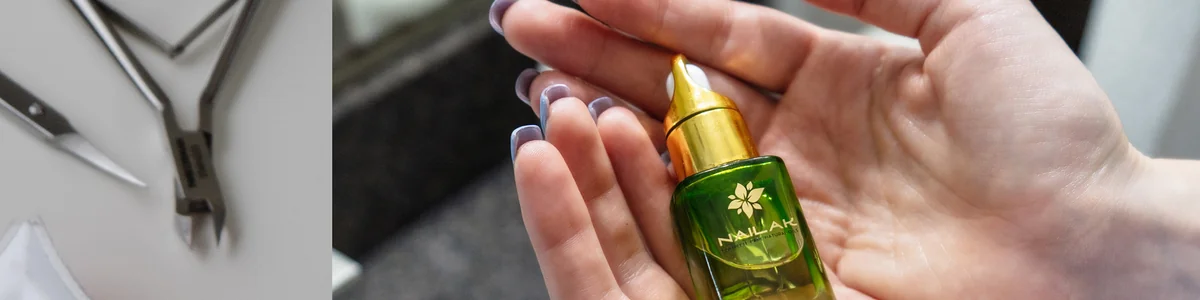
So keep the bowl on the bathroom shelf. Keep the tiny bottle that smells like a forest after rain. Keep a photo log that proves, gently, that you can change things one day at a time. Healing is slow, yes. But it’s also generous. And you’re allowed to move at that pace — steady, human, and wholly enough.
Frequently Asked Questions (FAQ)
Q: What’s the fastest natural way to treat toenail fungus? A: There isn’t a true “fast” option because nails grow slowly. The most effective natural approach is consistent hygiene, gentle debridement, and twice-daily application of a research-supported topical like diluted tea tree oil or undecylenic acid, plus weekly vinegar soaks.
Q: Are vinegar soaks safe for treating toenail fungus naturally? A: Yes, when diluted. Mix one part vinegar with two parts warm water and soak for 10–15 minutes a few times weekly. Skip soaks if your skin is cracked or irritated, and moisturize the surrounding skin afterward.
Q: Can I wear nail polish while treating toenail fungus naturally? A: It’s better to let the nail breathe. If you need polish for an event, choose a breathable base and remove it within a few days. Avoid acrylics or gels on the affected nail, as they can trap moisture and hide changes you need to see.
Q: How often should I replace socks and shoes to prevent fungus? A: Change socks daily, or twice daily if you sweat. Replace athletic shoes every 6–12 months, and rotate pairs so each can dry fully between wears. Consider removable insoles you can wash or sun-dry.
Q: Do probiotics or diet changes help with toenail fungus? A: A balanced diet and fermented foods support overall immune function, which indirectly helps. While probiotics aren’t a guaranteed fix, many people find they support gut and skin health. Pair nutrition with diligent topical care for the best results.
Estimated word count: 1985