
Nail Fungus and Brittle Nails: Care & Repair Guide
The chipped polish caught the light as I handed my card to the barista, a tiny crescent missing from my ring finger. No one else noticed, but I felt it anyway—the brittle snag waiting to catch on my sweater, the quiet worry that my nails were telling a story I didn’t want told. Later, at the yoga studio, I tucked my toes into socks. A thin, chalky streak had crept along my big toenail over the past few weeks. It didn’t hurt, but it looked dull and a little off. I promised myself I’d “deal with it this weekend,” the same way we promise ourselves we’ll finally reorganize the hall closet.
If you’ve been there—hiding your hands at the cash register or avoiding sandals in warm weather—take a breath. You’re not alone. Nail fungus and brittle nails often travel together, each one quietly exploiting the other’s weaknesses. Fragile nails create tiny breaks and lifting that make it easier for fungus to sneak in. Fungal changes, in turn, can distort the nail plate, leaving it crumbly and prone to peeling. It can feel like a loop you can’t escape.
The truth is, nails are storytellers. They reveal our habits, our health, our stress. They also respond beautifully when we care for them with deliberate, consistent steps. You can almost feel the smoothness returning when you file with intention, moisturize after washing, and give your nails time to grow out strong. There’s a ritual to it—the small, daily choices that help a vulnerable nail become a resilient one.
On the days you’re rushing, it’s tempting to cover everything up with a quick coat of polish and keep moving. But here’s the secret: effective care is less about hiding and more about healing. And healing rarely happens overnight. It’s a steady rhythm of hygiene, hydration, and the right ingredients applied in the right order. Once you understand how fungus behaves and why nails become brittle, you can design a routine that supports growth from the matrix to the tip.
So pour a cup of tea. Slip off your socks and take a look at your nails in natural light. Let’s be honest about what we’re seeing, kind about what we’re feeling, and practical about what we’ll do next. You deserve the relief of healthy, confident hands and feet—no hiding required.
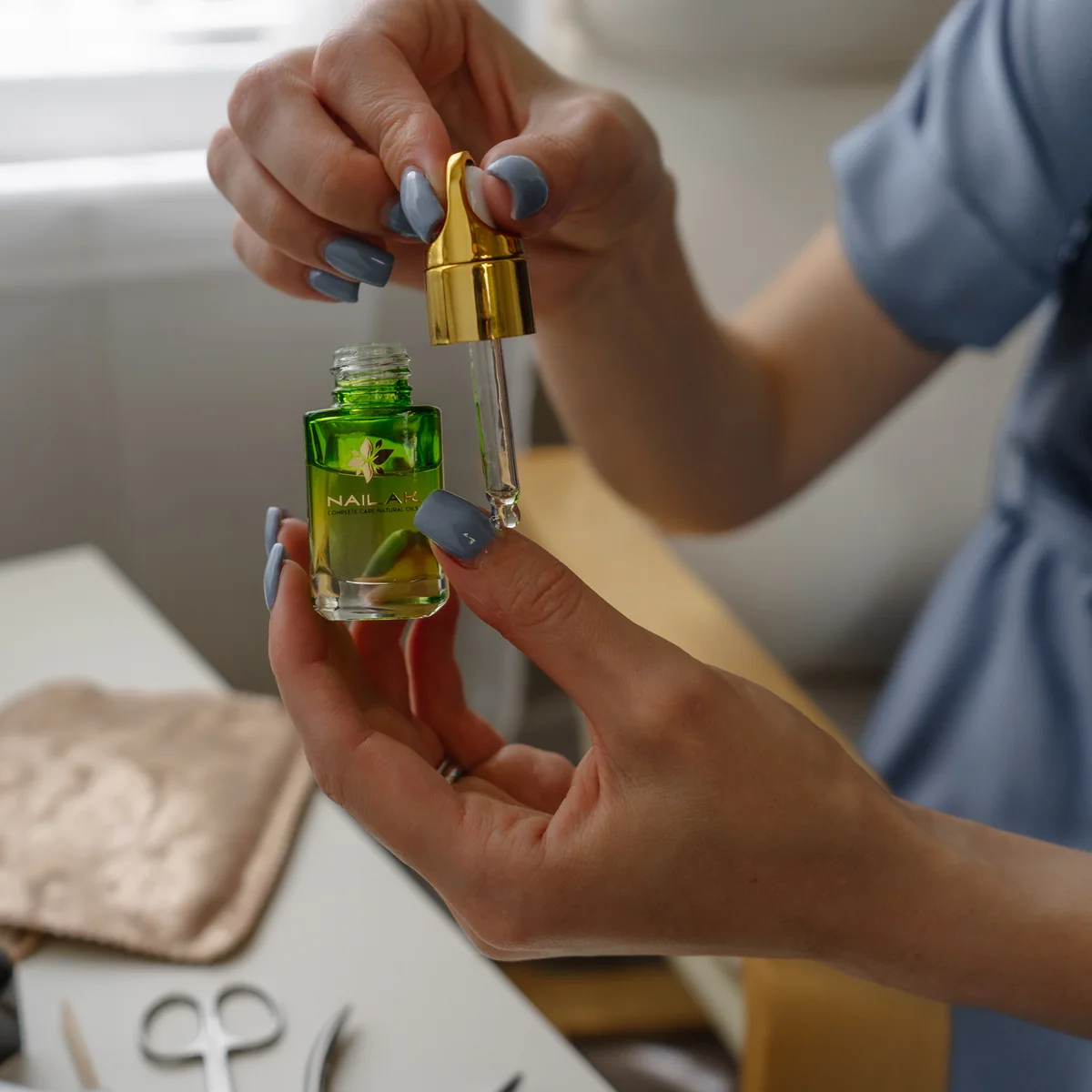
Quick Summary: Learn how to identify, treat, and prevent nail fungus and brittle nails with a clear routine, targeted ingredients, and smart daily habits.
What’s happening: fungus vs. fragility
Nail fungus (onychomycosis) and brittle nails (onychoschizia or onychorrhexis) are different but interconnected.
- Nail fungus is a slow-growing infection of the nail plate and bed, most often from dermatophytes. It thrives in warmth, moisture, and microtrauma.
- Brittle nails are nails that split, peel, or break due to dehydration, frequent wetting and drying, harsh chemicals, low humidity, or nutritional gaps. They are not an infection but a structural problem.
When nails are dry and fragile, the plate can lift microscopically from the bed. That separation creates corridors where fungus can settle. Meanwhile, the thickening and crumbling from fungus make nails harder to trim smoothly, leading to snags and further breakage.
Think of it as a cycle:
- Brittle nails → microcracks → easier fungal entry
- Fungal changes → distorted, crumbly plate → more fragility
Breaking the cycle requires two tracks: control the infection and restore nail strength and hydration.
Spot the signs early
Early detection gives you the best chance for full recovery and fewer months of treatment.
Signs of nail fungus
- Yellow, white, or brown discoloration starting at the edge or side
- Thickening or crumbling of the free edge
- White, chalky patches on the surface (superficial onychomycosis)
- Separation from the nail bed (onycholysis) with debris underneath
- Odor or a distorted nail shape over time
Signs of brittle nails
- Layers peeling from the tip like petals
- Horizontal splitting and jagged edges
- Nails that bend but don’t bounce back
- Rough, ridged surfaces that catch on fabric
- Nails breaking during simple tasks (opening a can tab)
Important: Psoriasis, eczema, trauma, and even yeast infections can mimic fungus. When in doubt, see a clinician for a nail clipping test (KOH stain, PAS test, culture, or PCR). A correct diagnosis prevents months of using the wrong products.
Daily hygiene that actually helps
Small habits protect nails from the wet-dry swings and friction that drive brittleness and fungal spread.
- Practice “clean and dry first”: After showering, dry between toes and under nails thoroughly. A hairdryer on cool can help.
- Rotate footwear: Alternate shoes daily to allow 24 hours of drying time. Use breathable socks and change them after workouts.
- Disinfect tools: Wipe clippers and files with 70% isopropyl alcohol. Avoid sharing nail tools or footwear.
- Gentle cleansing: Use a mild hand soap and lukewarm water. Hot water strips natural lipids that keep nails flexible.
- Moisturize with intention: Apply a nail-and-cuticle balm after every hand wash. Look for urea (10–20%), glycerin, and shea butter.
- Smart trimming: Clip straight across for toenails; avoid cutting too short. Smooth edges with a fine-grit file to prevent snagging.
- Use protection: Wear gloves for dishes and cleaning. Detergents and solvents are brutal on keratin.
- Polish pauses: Give nails a polish-free week each month if they are brittle. Use breathable base coats if you polish often.
Pro tip: If toenails are thick, a urea 20–40% cream can soften them before trimming. Apply at night and cover with a sock; never forcefully pick or pry.
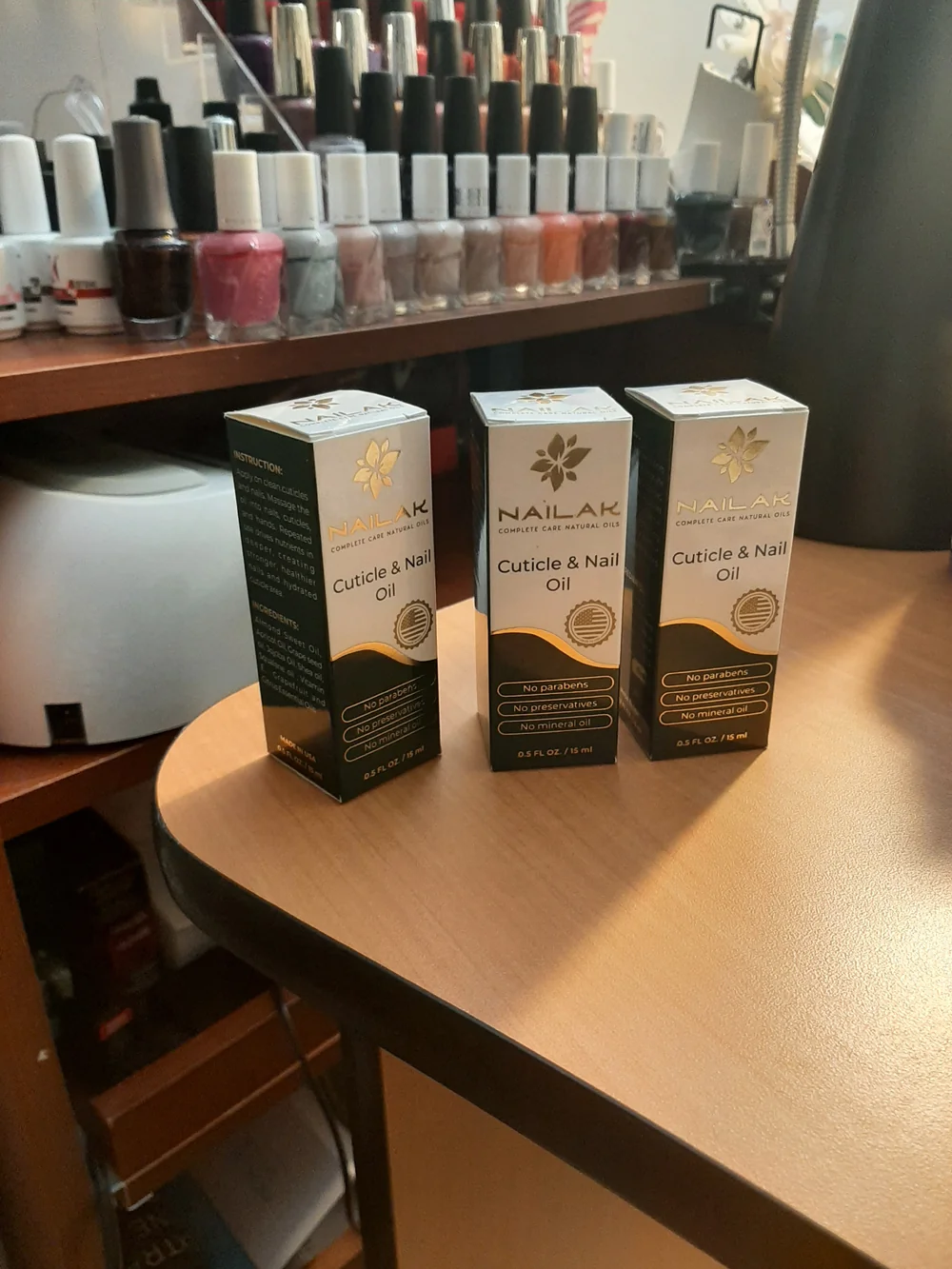
Ingredient playbook: what works
Treat nail fungus and brittle nails with targeted, evidence-backed ingredients. Pair an antifungal step with a hydration-and-repair step for best results.
For nail fungus
- Terbinafine (oral): High cure rates for dermatophyte toenail fungus. Requires liver-safety screening; see a clinician.
- Topical efinaconazole or tavaborole: Designed to penetrate the nail plate; consistent daily use for 9–12 months is typical.
- Ciclopirox lacquer: An accessible option; works best when applied daily and removed weekly with alcohol, combined with routine nail debridement.
- Over-the-counter allies: Urea creams thin thick nails to improve penetration of prescription topicals.
- Botanical supports (adjuncts, not standalone cures): Tea tree oil (5–10%), oregano oil (diluted), and propolis show antifungal activity in lab settings. Use cautiously; essential oils can irritate. Patch test first.
For brittle nails
- Urea (10–20%): Draws in water and softens keratin, improving flexibility.
- Lactic acid (AHA): In low concentrations, gently hydrates and smooths roughness.
- Glycerin: A humectant that holds water in the nail plate.
- Panthenol (pro-vitamin B5): Supports moisture balance and smoothness.
- Phospholipids and natural oils: Jojoba and avocado oils mimic skin lipids without a heavy residue.
- Nail hardeners: Avoid formaldehyde-based hardeners for chronic use; they can increase brittleness. If needed, choose limited-use, formaldehyde-free strengthening treatments with nylon fibers or silica.
How to pair them:
- Thin and prep thick or flaky nails with a urea cream at night for a week.
- Apply your antifungal agent daily in the morning.
- Replenish moisture after every hand wash with a glycerin-rich balm and cuticle oil.
- Once weekly, gently buff surface roughness (no aggressive filing) and reset with alcohol before reapplying antifungal lacquer.
In aesthetic routines, timing matters as much as ingredients. Even with skincare and injectables, spacing treatments for consistent, measured results is key. One beauty editor’s take on Botox frequency highlights the value of a planned cadence rather than “as-needed” spurts—a mindset that translates well to nail care, where daily micro-steps outperform occasional overhauls (source: https://www.barbiesbeautybits.com/2025/12/how-often-should-you-get-botox-for-best.html).
A safe home routine: your first 12 weeks
Nails grow slowly—fingernails ~3 mm/month, toenails ~1 mm/month. The part you’re treating today may take months to grow out. Commit to 12 weeks as a start.
Weeks 1–2: Reset and protect
- Trim and gently file to remove frayed edges.
- Begin daily antifungal application to affected nails.
- After every wash, apply a urea-glycerin cuticle balm.
- Wear breathable socks; change after exercise.
- Disinfect clippers/files after use. Launder bathmats weekly on hot.
Weeks 3–4: Improve penetration
- If the nail is thick, add 20–40% urea cream at night for 5–7 days, then pause for 7–10 days, and repeat as needed.
- Before topicals, cleanse nail plates with alcohol to remove oils.
- Add a weekly gentle buff to reduce surface scaling—10 strokes max.
Weeks 5–8: Maintain consistency
- Stick to daily antifungal and twice-daily moisturization.
- For fingernails, take a polish holiday. If you must polish, use a breathable base coat and limit wear to 5–7 days, then remove with acetone-free remover and rehydrate immediately.
- Swap shower slippers or flip-flops in communal spaces. Never go barefoot in locker rooms.
Weeks 9–12: Track progress and pivot
- Photograph nails in the same lighting every two weeks.
- Look for a clear, healthy band growing from the cuticle. Discoloration should move distally as the nail grows.
- If there’s no visible improvement by week 12, schedule a visit for diagnostic testing. You may need an oral medication or a different topical.
Red flags at any time:
- Pain, swelling, or foul odor
- Spreading redness or discharge
- Diabetes, poor circulation, or an immunocompromised state plus any nail changes
- Severe nail lifting or ingrown toenail
When to see a pro
Self-care is smart, but some cases need clinical support.
- Get tested if you’re unsure it’s fungus. False assumptions waste months.
- Thick, painful, or multiple infected toenails often respond best to oral therapy, especially if you need faster, more reliable clearance.
- A dermatologist or podiatrist can thin nails safely (debridement), improving topical penetration.
- Ask about combination therapy: oral antifungal plus topical maintenance reduces recurrence.
- Consider risk factors: diabetes, smoking, tight footwear, frequent pedicures with shared tools, or a family history of onychomycosis.
What to ask at your appointment:
- Which test are you running to confirm fungus?
- Is oral medication appropriate for me? What labs do I need?
- Which topical has the best evidence for my nail type?
- How long should I treat and how will we measure progress?
Stronger nails from the inside
Nails are made of keratin, a protein that depends on adequate nutrition and microcirculation.
- Protein: Aim for 20–30 grams per meal. Keratin needs amino acids.
- Iron: Low ferritin can correlate with brittle nails. If you suspect deficiency, ask for a blood test before supplementing.
- Zinc: Supports protein synthesis. Don’t exceed recommended doses without guidance.
- Omega-3s: Help combat dryness; think salmon, sardines, walnuts, flax.
- Biotin: Research is mixed. It may help some people with brittle nails, particularly at 2.5 mg/day, but results take months. Avoid if you have upcoming lab tests—it can interfere with certain assays.
- Hydration: Nails love water balance from within and without. Sip regularly, and lock moisture in with humectants.
- Reduce exposure: Limit gel polish and acetone removers during repair periods. If you use gels, schedule polish “holidays” and apply a replenishing balm nightly.
A sample day for nail resilience:
- Morning: Cleanse hands, apply antifungal (if treating fungus), then a glycerin-panthenol balm.
- Midday: Reapply balm after washing hands; wear gloves for cleaning.
- Evening: After shower, dry thoroughly, apply urea cream as needed, then cuticle oil.
- Weekly: Gentle buff, wipe with alcohol, reapply antifungal lacquer if using, launder socks and towels hot.
Mind your environment
Your nails live where you live. Make that space a little more nail-friendly.
- Bathroom: Use a fresh towel for feet; replace loofahs often. Ventilate to reduce humidity.
- Closet: Rotate shoes and insert cedar or charcoal deodorizers to absorb moisture.
- Gym bag: Keep a spare pair of breathable socks and disinfect flip-flops periodically.
- Vanity: Set a small tray with your nail essentials—file, alcohol wipes, urea balm, antifungal—so the routine is effortless.
Polish choices matter, too:
- Choose breathable base coats and acetone-free removers during recovery.
- Avoid formaldehyde and toluene if your nails are sensitive.
- If you love color, stick to lighter shades while healing; they make changes easier to monitor.
A gentler rhythm for hands and feet
There’s a confidence that comes from reaching for a glass without thinking about your nails. From slipping into sandals on the first warm day, not wondering if anyone will notice. Nail fungus and brittle nails can be stubborn, but they’re also teachable; they respond to ritual and patience. When you pair science-backed ingredients with simple, consistent habits, your nails begin to mirror the steadiness of your life.
Self-care isn’t a sprint. It’s the quiet choice to show up for yourself, day after day, the way water shapes stone. File lightly. Moisturize generously. Keep your tools clean. And give your nails the time they need to grow into the strength you’re building—one thoughtful moment at a time.
Frequently Asked Questions (FAQ)
Q: How can I tell if I have nail fungus or just brittle nails? A: Fungus often shows yellow-brown discoloration, thickening, crumbling, or lifting from the bed, especially on toenails. Brittle nails split and peel without significant discoloration or debris underneath. When in doubt, ask for a nail clipping test (KOH, PAS, culture, or PCR) to confirm. Treating nail fungus and brittle nails correctly depends on an accurate diagnosis.
Q: What ingredients actually work for nail fungus and brittle nails? A: For fungus, evidence supports topical efinaconazole, tavaborole, ciclopirox, and—when appropriate—oral terbinafine. For brittle nails, look for urea (10–20%), glycerin, panthenol, lactic acid, and lightweight oils like jojoba. Avoid chronic use of formaldehyde hardeners. Pair antifungal therapy with daily hydration to protect against further fragility.
Q: Can home remedies cure nail fungus? A: Most home remedies aren’t strong enough to cure established onychomycosis. Tea tree oil and propolis have lab-based antifungal activity, but they work best as adjuncts to prescription or over-the-counter antifungals. If there’s no improvement after 8–12 weeks, see a clinician for testing and possibly oral therapy.
Q: How long will it take for my nails to look normal again? A: Fingernails may show visible improvement in 6–12 weeks, while toenails can take 6–12 months to fully grow out. Consistency is everything. Continue antifungal treatment as directed and moisturize after every hand wash to reduce brittleness while the healthy nail grows in.
Q: Do diet and supplements make a difference? A: Yes, but they’re part of a bigger picture. Ensure adequate protein, iron (if deficient), zinc, and omega-3s. Biotin may help some people with brittle nails over several months, but evidence is mixed and it can interfere with lab tests. Pair nutrition with protective habits and targeted topical care for the best results.
Estimated word count: ~1990 words