
How to Repair Nails After Fungus: A Gentle Guide
The first cool morning after a long summer, you wrap your hands around a warm mug and notice your nails in the soft window light. The infection is behind you—finally. But the after-story lingers: a patchy surface here, a yellowed tip there, a brittle edge that catches on sweaters. You press a drop of cuticle oil into your thumbnail and watch it shimmer, a tiny mirror of hope. For months you’ve lived with extra caution—socks always clean, slippers by the shower, nail clippers sanitized like lab tools. Now you want something simpler: nails that look like yours again.
Your nail routine feels almost ceremonial. A slow breath. A gentle file. That whispery sheen as a buffer slides over ridges. The scent of citrus and lavender from your oil, the way it settles into the skin like a promise. You think about hands and how they tell the truth—how they lift, write, soothe, and greet. How they deserve tenderness. There’s a delicate satisfaction in seeing a clean crescent of new nail growing out, the color clearer than before. It’s not instant. But it is progress, visible at the cuticle edge like a sunrise, steady and small.
Let’s be honest: “after fungus” is a complicated chapter. You might feel self-conscious—switching photo angles, avoiding bright polish because you don’t want to draw attention. You might scrub too much, or clip too short, or bury nails under layers of lacquer hoping no one will notice. And yet, the way back doesn’t require perfection. It asks for patience, ritual, and a few science-backed habits done consistently.
Imagine a gentle plan. One that prioritizes healthy regrowth over quick cover-ups. One that understands that your nails aren’t fragile forever—just in recovery. You can almost feel the smoothness returning as keratin rebuilds, week by week. The goal isn’t “perfect.” The goal is strong, clear, and comfortable. Nails you don’t think about, until you’re applying a favorite hand cream and smile at how far you’ve come.
Here’s the secret: repairing nails after fungus is about creating the right conditions for new, healthy keratin to grow. You’ll hydrate, protect, and simplify. You’ll give your nails nutrients they love and keep them safe from the damp, warm, and crowded places fungus adores. And then you’ll let time do its quiet work.
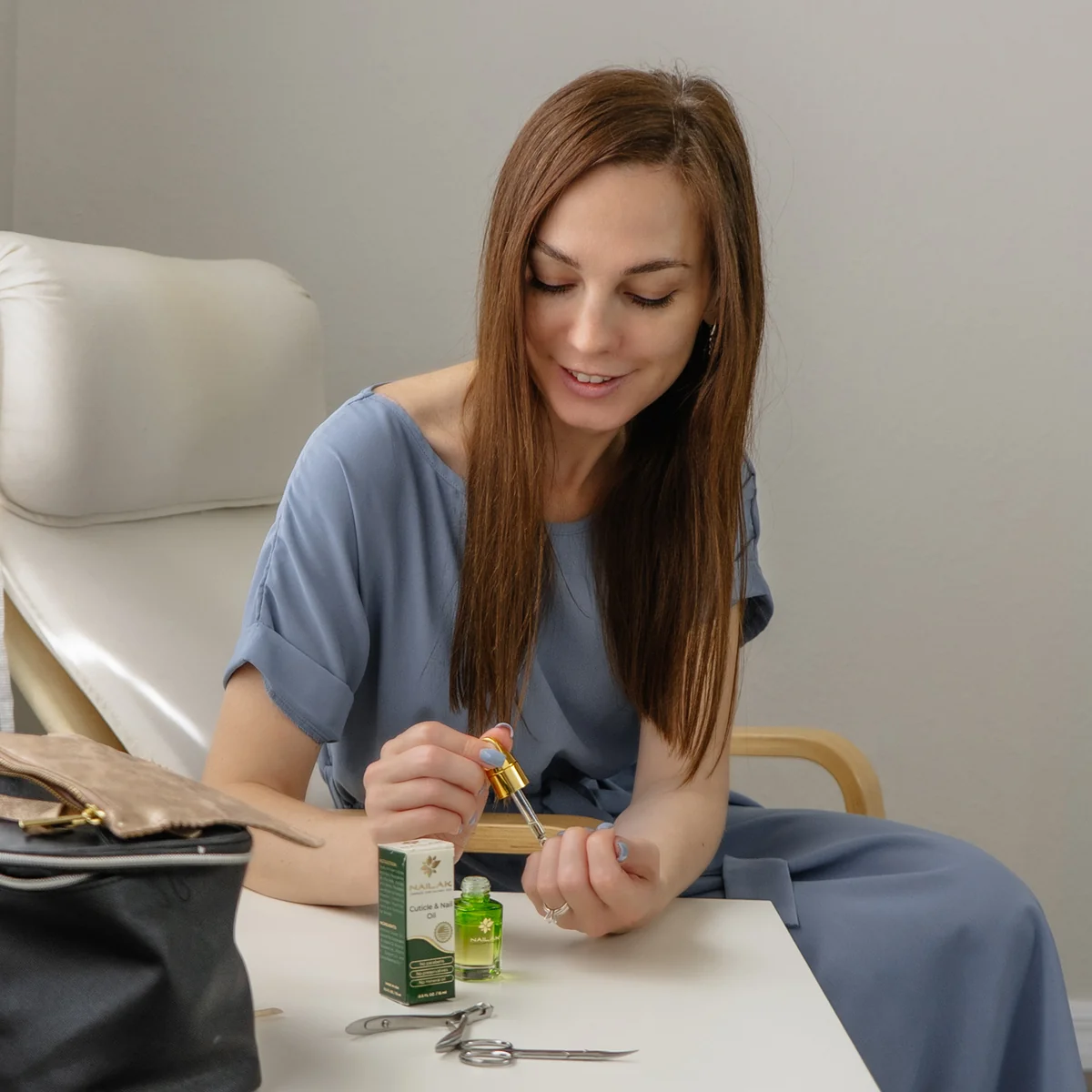
Quick Summary: To repair nails after fungus, confirm the infection has cleared, then commit to a gentle routine—hydrate, protect, nourish, and keep tools clean—while allowing healthy nail growth to replace damaged areas.
What “repair” really means
“Repair” after nail fungus is less about fixing the old nail and more about growing a new one. Once a fungal infection is treated and cleared by a professional, the existing nail plate may still look rough, discolored, or ridged. That’s normal. Real repair happens as fresh nail gradually replaces the old.
A few truths to keep you grounded:
- Fingernails grow about 3–4 mm per month; full renewal can take 4–6 months.
- Toenails are slower—about 1–2 mm per month, often 9–12 months for full replacement, and big toenails may take up to 18 months if they were severely affected.
- Ridges, peeling, and irregular edges are common in the transition phase.
- Covering damage with harsh enhancements can slow recovery or trap moisture—not ideal post-fungus.
Think of this season as rehabilitation. Your daily choices—hydration, trimming, and gentle protection—set the stage for the new nail to arrive strong.
Confirm a healthy nail bed
Before any cosmetic repair, make sure you’re truly post-fungus. If you treated with a doctor’s prescription or OTC antifungal products, ask for a follow-up if you’re unsure. You want to avoid sealing fungus beneath polish or gel.
Signs you’re ready to repair:
- New nail at the base looks clear, smooth, and attached.
- No crumbly debris under the free edge.
- Minimal flaking or chalkiness; less odor.
- Discoloration fades as the nail grows out.
If you’re still unsure, check with a dermatologist or podiatrist. A quick look—and sometimes a lab test—can confirm clearance.
Gentle reset steps:
- Trim nails straight across with clean, sharp clippers. Round corners slightly to prevent snags.
- Smooth only the lifted or thickened areas with a soft 240–320 grit file; avoid aggressive buffing.
- Give nails a short soak in lukewarm water with a teaspoon of fragrance-free gentle cleanser for 3–4 minutes. Pat dry completely.
- Layer hydration: a urea-based nail cream or serum, then a plant oil like jojoba or squalane.
- If feet were affected, rotate shoes and let them air out between wears. Consider an antifungal shoe spray for liners and insoles as advised by a professional.
Small, steady care prevents relapses and builds confidence.
Rebuild strength, gently
This is where consistency shines. No complicated gadgets. Just a thoughtful routine that respects your nail’s biology.
Hydration layering
Nails are porous plates of keratin. They absorb and lose water easily. Balance is key.
Try this daily ritual:
- Step 1: Apply a humectant. Look for urea (5–10%), glycerin, or sodium PCA in a hand or nail cream. These draw water into the nail plate.
- Step 2: Seal with oil. Jojoba, squalane, or sweet almond oil mimic the skin’s natural lipids and prevent water loss without heaviness.
- Step 3: Add an occlusive at bedtime. A thin balm with shea butter or ceramides helps lock in moisture overnight.
Think of it as moisturizing “from the inside out” and “sealing from the outside in.”
The 7-day recovery cycle
To strengthen without over-filing:
- Day 1: Trim, lightly shape, and apply a ridge-filling, breathable base coat.
- Day 2–3: Refresh oil morning and night; reapply topcoat if using.
- Day 4: Short, gentle buff over ridges only if snagging. Rehydrate.
- Day 5–6: Oil and balm; keep nails dry during chores with gloves.
- Day 7: Rest day—no filing, just moisturize. Observe growth and adjust.
Repeat weekly for 6–8 weeks.
Protective length and shape
- Keep nails short-to-moderate while they stabilize. Less leverage, fewer tears.
- Choose rounded or soft square tips to reduce corner cracks.
- Avoid metal tools that scrape the nail surface; soft files are kinder.
Simple do’s and don’ts
Do:
- Wear gloves for dishes, cleaning, and gardening.
- Dry feet thoroughly, especially between toes, after showers.
- Change socks daily; choose breathable fabrics.
Don’t:
- Pick at peeling edges. Seal with a base coat or trim smoothly.
- Use acetone repeatedly; choose non-acetone remover for a while.
- Apply thick acrylics or hard gels early in recovery.
Feed nails from the inside
Nails are made of keratin, a protein. Nourish the building blocks and the structure responds.
Daily nutrition priorities
- Protein: Aim for a serving each meal. Eggs, Greek yogurt, tofu, lentils, and fish support keratin synthesis.
- Biotin (from food): Eggs, salmon, sunflower seeds, and sweet potatoes. It may help brittle nails, but supplements should be doctor-guided.
- Iron and zinc: Spinach, beans, lean meats, pumpkin seeds. Deficiencies can show up as weak or ridged nails.
- Omega-3 fats: Salmon, chia seeds, walnuts. They help skin and cuticle health, promoting a better nail environment.
- Hydration: Water supports flexible nails; dehydrated nails split more easily.
Three easy meal ideas:
- Breakfast: Greek yogurt with chia, berries, and a spoon of sunflower seeds.
- Lunch: Lentil salad with spinach, roasted sweet potato, olive oil, and lemon.
- Dinner: Baked salmon, quinoa, and garlicky sautéed greens.
If you suspect a deficiency, ask your healthcare provider for a simple blood panel before starting supplements. Strong nails are a whole-body story.
Habits, hygiene, and pro help
Repair after fungus is part hygiene, part mindful habits, part teamwork.
Keep tools and surfaces clean
- Disinfect clippers and metal tools with 70% isopropyl alcohol for at least 10 minutes, then air-dry.
- Replace nail files and buffers regularly; they’re porous and can harbor microbes.
- Avoid sharing tools—at home and at the salon.
Smarter shower and shoe routines
- Dry thoroughly after bathing. A cool shot from your hairdryer on a low setting can help toes.
- Rotate shoes and let them air out between wears.
- Wear shower sandals in public locker rooms or pools.
Gentle salon guidelines
If you’re ready for professional help:
- Choose salons that sterilize tools in sealed pouches or use single-use disposables.
- Skip aggressive cuticle cutting; request soft pushing only.
- Let your technician know you’re post-fungus. Ask for breathable base coats and light filing.
If you notice increased pain, swelling, a foul odor, or new discoloration, or you live with diabetes or poor circulation, consult a dermatologist or podiatrist. Pros can thin thickened nails safely, advise medicated keratolytics (like urea creams), and map a plan that’s both safe and beautiful.
Style while you heal
You don’t have to wait for “perfect” nails to enjoy polish. You can style strategically without setting back recovery.
Choose kinder formulas
- Breathable polish and base coats let water vapor pass, reducing trapped moisture.
- Ridge-fillers with silica or nylon smooth surfaces without heavy filing.
- Sheer mineral tints and milky neutrals visually blur discoloration and tip irregularities.
Light, flexible coverage
- Use thin coats. Two light layers of polish and one topcoat are easier on the nail plate than thick, gummy layers.
- Reapply topcoat every 2–3 days for protection and brightness.
- Skip adhesives for now. Press-ons and wraps can lift fragile layers when removed.
Silk wrap spot-fix
If a corner keeps splitting, ask a professional about a silk wrap:
- A tiny silk patch and gentle resin reinforce the area.
- It’s thin, flexible, and easier to remove than hard gels.
Humidity and rain can dull art and challenge polish longevity—especially when nails are delicate. Trend roundups note gel and specific application techniques that stand up to wet seasons, a reminder that smart product choices can protect finish and color when conditions are tough (source: https://www.crazynailzz.com/2025/07/top-10-monsoon-proof-nail-art-ideas-you.html).
A minimalist manicure plan
- Prep: Lightly buff snags only; cleanse; dry thoroughly.
- Base: Breathable ridge-filling layer.
- Color: One to two thin coats of a soft neutral or blush.
- Seal: Glossy, quick-dry topcoat.
- Maintain: Oil around the cuticle twice daily; topcoat refresh midweek.
Bonus: A luminous hand cream makes sheer polish look intentionally chic.
A softer way back to confidence
There’s a moment when you catch your reflection in a shop window—hands wrapped around a reusable cup, nails short and clear—and realize you’ve stopped worrying about them. Repair after fungus isn’t loud. It’s a soft rhythm of care, repeated. The glow is in the ritual: oil massaged with patience, shoes aired in sunlight, meals that feed strength from the inside out.
You didn’t chase “perfect.” You chose presence. You protected what’s growing. And as new keratin slides forward under the cuticle, you build something more than a pretty manicure—you build trust in your body’s ability to renew. Strong, quiet, and completely yours.
Frequently Asked Questions (FAQ)
Q: How long does it take to repair nails after fungus?
A: Fingernails often look noticeably better within 6–8 weeks, with full regrowth in 4–6 months. Toenails take longer—commonly 9–12 months, and big toenails can need up to 18 months if there was severe damage.
Q: Can I use gel polish while repairing nails after fungus?
A: Wait until a professional confirms the infection is cleared. Early on, choose breathable base coats and sheer polishes. If you return to gels, keep them thin, take breaks, and insist on gentle removal to avoid thinning the nail.
Q: Which oils help repair nails after fungus?
A: Jojoba and squalane absorb quickly and help seal in moisture, while sweet almond adds softness. Pair them with a humectant-rich cream (like urea or glycerin) for best results.
Q: Do I still need antifungal products after clearing the infection?
A: Not necessarily, but hygiene is crucial. Keep tools clean, dry feet well, and rotate shoes. If your clinician suggests a preventive spray for shoes or a mild medicated cream, follow their guidance.
Q: Are supplements necessary to repair nails after fungus?
A: Not always. Many people do well with protein-rich meals and foods containing biotin, iron, zinc, and omega-3s. If you suspect a deficiency or consider supplements, check with your healthcare provider first.
Estimated word count: ~1,980 words.