
DIY Antifungal Nail Oil: Recipe, Tips & Care
The night was slow and soft, the kind that quiets your phone and your racing thoughts. You brewed a cup of mint tea, nudged the laundry into the dryer, and finally gave your hands a moment on the couch. Your nails looked… tired. A little yellowing on one, a peeling edge on another. You remembered that brief summer of flip-flops and locker-room showers and winced. Fungus can be stubborn, and it doesn’t care if you love neutral polish and hand cream.
You pulled out your small tray of at-home beauty tools. A bottle of jojoba oil. A tiny dropper. A few essential oils you bought for a winter diffuser and then forgot. The lamp cast a warm circle of light as you read labels and twisted caps. You traced your cuticles with the oil, felt instant smoothness, and surprised yourself with a deep breath. It felt like a ritual you’d been missing—one that’s gentle and slow, but purposeful.
Here’s the truth you felt in that moment: the small rituals often carry the big changes. A carefully blended, DIY antifungal nail oil can be one of those quiet changes. It takes five minutes to mix, one minute to apply, and a little consistency to see results. It asks for patience. It rewards you with comfort.
You don’t need a lab. You need a clean bottle, a safe recipe, and a plan you can actually follow. A plan that respects your skin, biology, and calendar. You deserve nails that feel comfortable in sandals, in the office, in that selfie when you lift your latte. You deserve the calm that comes from knowing you’re tending to the root of the problem, not masking it with another coat of polish.
Let’s make this simple, effective, and kind to your skin.
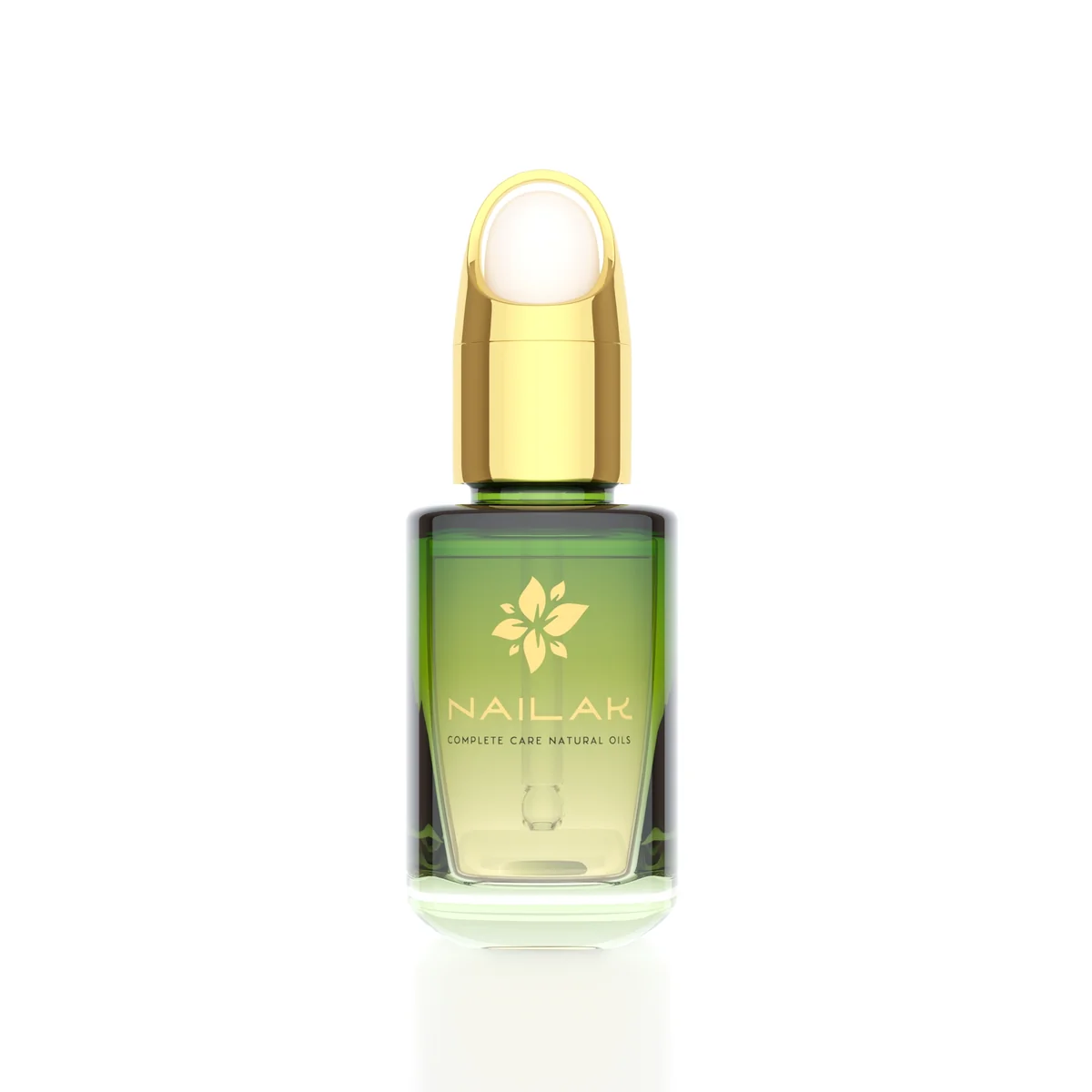
Quick Summary: Learn how to blend a safe, effective DIY antifungal nail oil, apply it correctly, and build supportive habits that help your nails recover and resist future infections.
Why nails need antifungal care
Fungi love warm, moist, enclosed spaces. Think sweaty socks, tight shoes, damp gym floors, or a steamy shower mat. When nails stay damp or damaged, fungi can settle in and slowly thicken or discolor the nail plate.
Nails grow slowly. That means progress takes time. Instead of harsh shortcuts, you want steady daily support: reduce fungal load, protect the nail structure, and keep the surrounding skin healthy. A DIY antifungal nail oil can help by delivering targeted botanical compounds while softening the nail and cuticle. Softer nails absorb better. Healthier skin forms a stronger barrier.
Plus, an oil routine makes you notice details sooner: lifting edges, debris collecting under the tip, or changes in color. The earlier you act, the easier it is.
What’s in DIY antifungal nail oil
You want two things: a gentle carrier oil base and a carefully diluted blend of antifungal botanicals. No guesswork, no burning, no mystery.
Carrier oils that support nails
- Jojoba oil: Mimics skin’s natural sebum and penetrates well.
- Fractionated coconut oil: Lightweight and stable; resists rancidity.
- Sweet almond oil: Softens dry cuticles; a bit richer feel.
- Neem oil (optional 10–20% of your base): Distinct scent, but notable antifungal properties.
Essential oils with antifungal activity
Use low, skin-safe dilutions. More is not better.
- Tea tree (Melaleuca alternifolia): Classic choice; broad antifungal support.
- Lavender (Lavandula angustifolia): Soothing; complements tea tree.
- Rosemary ct. cineole or verbenone: Clarifying; supports circulation.
- Thyme ct. linalool: Gentler chemotype than thymol; still effective.
- Oregano (Origanum vulgare): Potent “hot” oil; use tiny amounts only if you tolerate it.
Dermal safety matters:
- Tea tree: Commonly tolerated up to 15% in some contexts, but you don’t need that. Aim for 1–3% total essential oils in your nail blend.
- Oregano and “hot” oils: Keep at or below 1% total, often less. Patch test.
- Clove or cinnamon leaf: Effective but higher irritation risk. Beginners should skip.
Helpful extras
- Vitamin E (tocopherol): 0.5–1% to slow oxidation and nurture cuticles.
- Isopropyl alcohol or witch hazel: For cleaning the nail surface before application, not in the oil.
Gentle and steady beats strong and stingy. Your nails are not a place for extremes.
Mix it: a simple, effective recipe
Let’s keep it precise and approachable. We’ll make 10 mL—small enough to stay fresh.
Classic tea tree blend (10 mL)
- Jojoba oil: 8.5 mL
- Neem oil: 1 mL (optional; replace with more jojoba if skipping)
- Vitamin E: 0.1 mL (about 2 drops if liquid)
- Tea tree essential oil: 10 drops (about 0.5 mL)
- Lavender essential oil: 6 drops (about 0.3 mL)
- Rosemary essential oil: 4 drops (about 0.2 mL)
Approximate total essential oil dilution: ~10 drops per 1 mL equals ~20 drops per mL? Common approximations vary by dropper. To stay safe, think in percentages: This blend sits around 2–3% total essential oils, which is a sensible target for nails and surrounding skin.
How to mix:
- Clean a 10 mL amber glass bottle with hot soapy water. Rinse and dry.
- Add carrier oils first, then Vitamin E.
- Drop in essential oils carefully. Cap and roll gently to blend.
- Label with date and recipe.
Sensitive-skin variation (10 mL)
- Fractionated coconut oil: 9 mL
- Vitamin E: 0.1 mL
- Tea tree: 8 drops
- Lavender: 6 drops
Total dilution: ~1.5–2%. Skip rosemary for extra gentleness. Patch test.
Targeted boost (advanced)
If you tolerate stronger blends and need a short boost:
- Add thyme ct. linalool: 2–3 drops within the 10 mL bottle.
- Keep the total essential oil content below 3%. Monitor skin closely.
Storage:
- Keep capped, away from heat and light.
- Use within three months for maximum freshness.

Use it right: routines and timing
Fungus is patient. You’ll win with routine.
Prep the nail
- Wash hands or feet, then dry completely.
- Trim nails straight across. File the top lightly to reduce thickness.
- Clean under the free edge gently; don’t gouge.
- Wipe nail plate with alcohol or witch hazel. Let it evaporate.
Apply the oil
- Use a drop at the cuticle, along sidewalls, and under the free edge.
- Massage for 30–60 seconds. You can almost feel the smoothness return.
- Let it absorb before socks or sheets.
Frequency:
- Twice daily for 8–12 weeks. Then once daily for maintenance.
- Continue two weeks after symptoms improve. Fungi can linger.
Polish and gels:
- If possible, take a polish break. It helps penetration.
- If you polish, choose a breathable formula and keep nails thin.
- Avoid gels until the nail looks consistently healthy.
Simple schedule to follow
- Morning: Apply after shower, before socks and shoes.
- Evening: Apply while winding down. Pair with tea, a podcast, or journaling.
- Weekly: Trim, file, and refresh prep.
Consistency isn’t glamorous. It works.
Quick, doable tips
- Keep the bottle near your toothbrush as a reminder.
- Swap tight shoes for breathable options a few days a week.
- Rotate socks at midday if feet get sweaty.
- Sanitize clippers and files after each use.
Safety and special situations
Let’s be wise about skin and health. Essential oils are powerful. More drops don’t mean faster results.
- Patch test your blend on the inner forearm for two nights before nail use.
- Avoid “hot” oils if you’re sensitive. Choose the gentle formula.
- Don’t use on broken skin, open cuts, or if there’s swelling or pus.
- If you have diabetes, poor circulation, or a compromised immune system, consult a clinician before starting.
Pregnancy and nursing raise extra questions about ingredients. A quick look at a beauty editor’s guide to pregnancy-safe products shows how ingredient lists can be confusing and how careful curation matters. While the guide focuses on skincare brands, the takeaway stands: check your formulas, skip irritants, and when in doubt, use gentler options or ask your provider (source: https://www.15minutebeauty.com/pregnancy-sincerely-yours.html).
When to see a professional:
- Pain, redness, or swelling around the nail.
- The nail lifts, crumbles, or changes shape quickly.
- Dark streaks under the nail.
- No improvement after 6–8 weeks of consistent care.
You can still use your DIY antifungal nail oil as supportive care, but medical treatment may be needed for stubborn infections.
Everyday habits that stop recurrence
Your oil is the hero. Your habits are the bodyguards.
Keep things dry
- Dry between toes after every shower. Blot, don’t rub.
- Use a hairdryer on cool for 10–15 seconds if needed.
- Alternate shoes daily so they air out fully.
Clean the environment
- Wash socks in hot water and dry thoroughly.
- Spritz the inside of shoes with an antifungal spray weekly.
- Rinse shower floors with a vinegar-water mix (1:4) to discourage growth.
Be mindful at the gym or pool
- Wear flip-flops in communal showers.
- Keep your own clippers and files; do not share.
- Wipe down mats; fungi can linger.
Support the nail from within
- Aim for a varied diet with protein, omega-3s, and colorful produce.
- Hydrate well. Healthy skin and nails resist invasion better.
- Manage stress. High stress can slow healing.
Maintenance mini-ritual
- Once nails improve, keep a once-daily oil habit.
- Add a weekly cuticle massage. It boosts circulation and keeps the nail bed supple.
- Snap a photo every two weeks. Progress photos motivate.
The secret to long-term results? Don’t stop the habits that helped you heal.
A small ritual for confidence
Confidence doesn’t arrive with a trumpet. It slips in during small choices. When you take a minute to apply your DIY antifungal nail oil, you’re doing more than managing a stubborn spot. You’re choosing steadiness. You’re letting care be slow and conscious.
Hands and feet carry our days. They walk us to errands. They hold our coffee. They lace our kids’ shoes. When they feel comfortable, we move with a quieter kind of ease. Your evenings can be light and ordinary—tea, a song, a minute of massage—and still be the hinge that swings your nails back toward health.
Let this be your gentle promise: small, repeated care, given with patience. It’s more than a beauty routine. It’s balance in motion.
Estimated word count: ~2050
Frequently Asked Questions (FAQ)
Q: How often should I apply DIY antifungal nail oil? A: Apply twice daily for 8–12 weeks, then once daily for maintenance. Continue two more weeks after your nail looks clear to discourage relapse.
Q: Which essential oils are safest for sensitive skin? A: Choose a gentle blend with tea tree and lavender at 1.5–2% total dilution. Skip “hot” oils like oregano, clove, or cinnamon leaf. Always patch test for 48 hours before regular use.
Q: Can I wear nail polish during treatment? A: It’s best to pause polish for better absorption. If you choose to wear it, opt for breathable formulas and keep nails filed thin. Reapply oil under the free edge and along sidewalls even when polished.
Q: How do I know if the issue needs medical care? A: Seek help if there’s pain, swelling, rapid thickening, or dark streaks. If you see no improvement after 6–8 weeks of consistent care, a clinician can assess for prescription options or confirm the diagnosis.
Q: Will vinegar soaks replace the oil? A: Vinegar soaks can support a drier, less hospitable environment but won’t replace targeted oil application. Use them as a weekly add-on, not a substitute for your DIY antifungal nail oil.