
Best Oils for Nail & Cuticle Health
The apartment was quiet except for the soft hum of the dishwasher and the lazy tick of the kitchen clock. You slide your phone onto the counter, rub your thumb over a ragged cuticle, and sigh. The day did not go to plan. Traffic. Emails. The chipped polish that snagged your sweater sleeve. Everything felt a little too jagged—until you spotted the little amber bottle on the edge of the sink.
You twist it open and the scent blooms—nutty, faintly green, comforting. You tilt the dropper and watch a bead of oil catch the light before it lands on your bare nail. You work it in with small circles, the way your nail tech showed you. The skin softens under your touch. You can almost feel it drink. With each slow breath, your hands stop clenching and your shoulders lower an inch. It’s such a small ritual, but it feels like a reset button you can press anytime.
Let’s be honest: our hands narrate our lives. They wash dishes, answer texts, carry groceries, hold small hands, and sign the forms that keep life moving. They deserve as much attention as our faces. When you care for your nails and cuticles—especially with the best oils for nail and cuticle health—you protect your manicure, calm irritation, and build flexible, resilient nails that don’t peel at the first hint of soap or cold air.
Maybe you remember a grandmother who dabbed olive oil on her nails after dinner. Or a friend who never leaves home without cuticle oil and somehow always looks polished. There’s a reason these rituals last. The right oils can restore lipids lost to hand sanitizer and hot water. They can help nails bend instead of break. They can turn the last two minutes of your day into the most grounding part.
So tonight, while the dishwasher hums and the world quiets, you massage a drop into each cuticle and promise your hands something simple: a little bit of care, consistently.
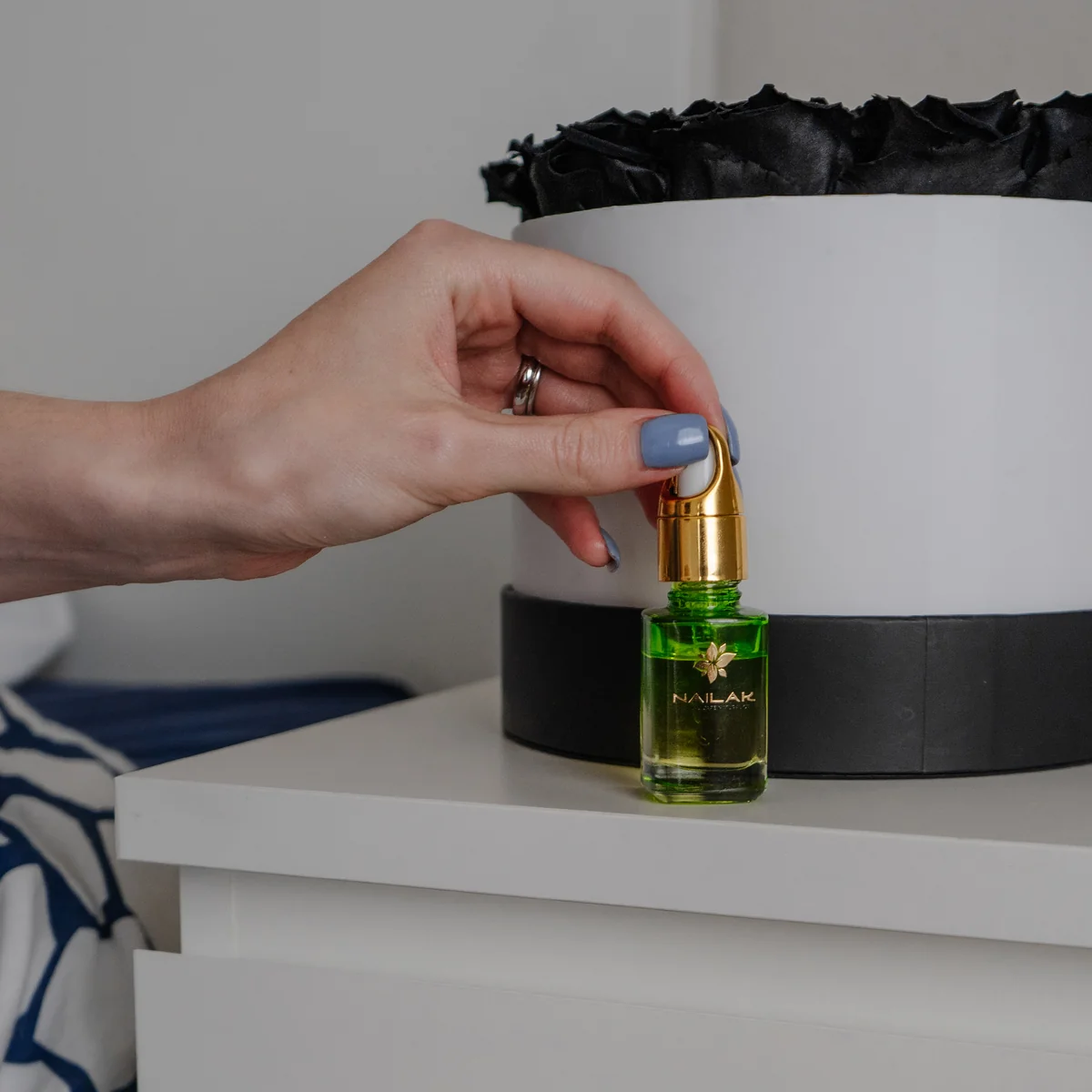
Quick Summary: This guide explores the best oils for nail and cuticle health, why they work, and how to build an easy, effective routine.
Why oils matter for nails
Your nails are layers of hard keratin held together by natural lipids. Daily life strips those lipids fast. Hot water, detergents, sanitizers, and dry air pull moisture from the nail plate and the thin cuticle seal. When the lipid layer thins, nails dehydrate. They become brittle, bend unevenly, and peel. Cuticles crack, which invites hangnails and irritation.
Oils help in three smart ways:
- They soften and condition skin around the nail.
- They replace or support the lipids that bind nail layers.
- They seal in water after washing, reducing moisture loss.
Think of oil as a flexible coat that keeps nails supple. Soft nails bend and bounce back. Dry nails snap.
Texture matters. Light oils absorb quickly and feel clean for daytime. Richer oils linger and create a protective cushion, perfect at night. The best oils for nail and cuticle health blend both: penetration for deeper conditioning and occlusion to lock hydration in place.
The best oils for nail and cuticle health
Below are standout oils, how they work, and who benefits. You can use one or blend several. Keep it simple at first.
Jojoba oil
- What it is: A liquid wax ester, very similar to skin’s natural sebum.
- Why it helps: Absorbs fast, carries other oils deeper, and conditions without greasiness.
- Best for: All nail types, especially if you hate residue.
- How to use: One drop per hand, twice daily.
- Good to know: Excellent base for custom cuticle blends.
Sweet almond oil
- What it is: A gentle, vitamin-rich seed oil.
- Why it helps: Softens rough cuticles and improves skin elasticity.
- Best for: Dry, brittle nails; frequent hand washers.
- How to use: Warm a few drops between palms before massaging.
- Good to know: Choose cold-pressed; patch test if you have nut sensitivities.
Argan oil
- What it is: A Moroccan oil rich in vitamin E and fatty acids.
- Why it helps: Restores shine and reduces nail plate rigidity.
- Best for: Peeling nails and rough sidewalls.
- How to use: Massage into bare nails nightly for three weeks.
- Good to know: Pairs well with jojoba for quicker absorption.
Avocado oil
- What it is: A thick, nutrient-dense oil.
- Why it helps: Cushions and protects, ideal for cracked cuticles.
- Best for: Harsh winters, frequent sanitizer use.
- How to use: Apply at bedtime; wear cotton gloves.
- Good to know: A little goes far; expect a richer feel.
Olive squalane
- What it is: A stable, lightweight lipid derived from olives or sugarcane.
- Why it helps: Mimics skin lipids for deep softness without heaviness.
- Best for: Sensitive skin and post-manicure maintenance.
- How to use: Smooth a drop over damp hands to seal moisture.
- Good to know: Fragrance-free options suit reactive skin.
Grapeseed oil
- What it is: A thin, quick-absorbing oil rich in linoleic acid.
- Why it helps: Conditions without clogging and layers nicely under creams.
- Best for: Daytime use and warm climates.
- How to use: Swipe on after washing hands.
- Good to know: Light texture; ideal for frequent reapplication.
Coconut oil
- What it is: A semi-solid oil with strong occlusive properties.
- Why it helps: Locks in hydration and softens hangnails.
- Best for: Overnight masks and post-handwash sealing.
- How to use: Melt a pea-size amount and press into nails and cuticles.
- Good to know: Pair with a lighter oil for better penetration.
Vitamin E (tocopherol)
- What it is: A potent antioxidant, often used as a booster.
- Why it helps: Supports barrier repair and defends against oxidative stress.
- Best for: Thin, stressed nails; mature skin.
- How to use: Add a drop to your favorite oil blend, a few times weekly.
- Good to know: Look for mixed tocopherols; pure vitamin E can feel sticky.
Bonus oils to consider: hemp seed (light but oxidizes quickly), rosehip (brightening, yet delicate—store in the fridge), and meadowfoam (very stable and silky). If you want fewer bottles, start with jojoba plus one richer oil like avocado, then add vitamin E as a booster.
How to choose the right oil for you
Selecting the best oils for nail and cuticle health is about texture, climate, and habits.
- If you’re on a keyboard all day: Choose fast-absorbing oils. Jojoba, squalane, or grapeseed keep fingers clean.
- If you face dry air or harsh winters: Pick a richer base. Almond or avocado cushion the cuticle seal.
- If your nails peel easily: Use argan or almond at night. Add a vitamin E boost twice a week.
- If you sanitize often: Reapply a light oil after each wash. It replaces lipids stripped by alcohol.
- If scents bother you: Go fragrance-free. Squalane and jojoba are gentle and nearly odorless.
Quality matters:
- Look for “cold-pressed” or “unrefined” when possible.
- Choose dark glass bottles to protect from light.
- Note shelf life: lighter, polyunsaturated oils can oxidize faster.
- Patch test on the inner forearm if you’re reactive.
And a quick manicure tip: Oil is amazing for daily care, but avoid applying it right before polish. It can interfere with adhesion. Thoroughly cleanse the nail plate before painting, then resume oil afterward.
In beauty, trends often spotlight hair and makeup, but nails are the quiet anchors of a polished look. This season’s hair updates—long layers, soft waves, and added movement—mirror what we want from our hands: healthy flexibility and shine that feels lived-in, not lacquered. When you pair a simple cuticle oil ritual with a refreshed style, everything reads intentional without trying too hard (source: https://howlifestyles.com/30-trendy-long-hairstyles-youll-love/).
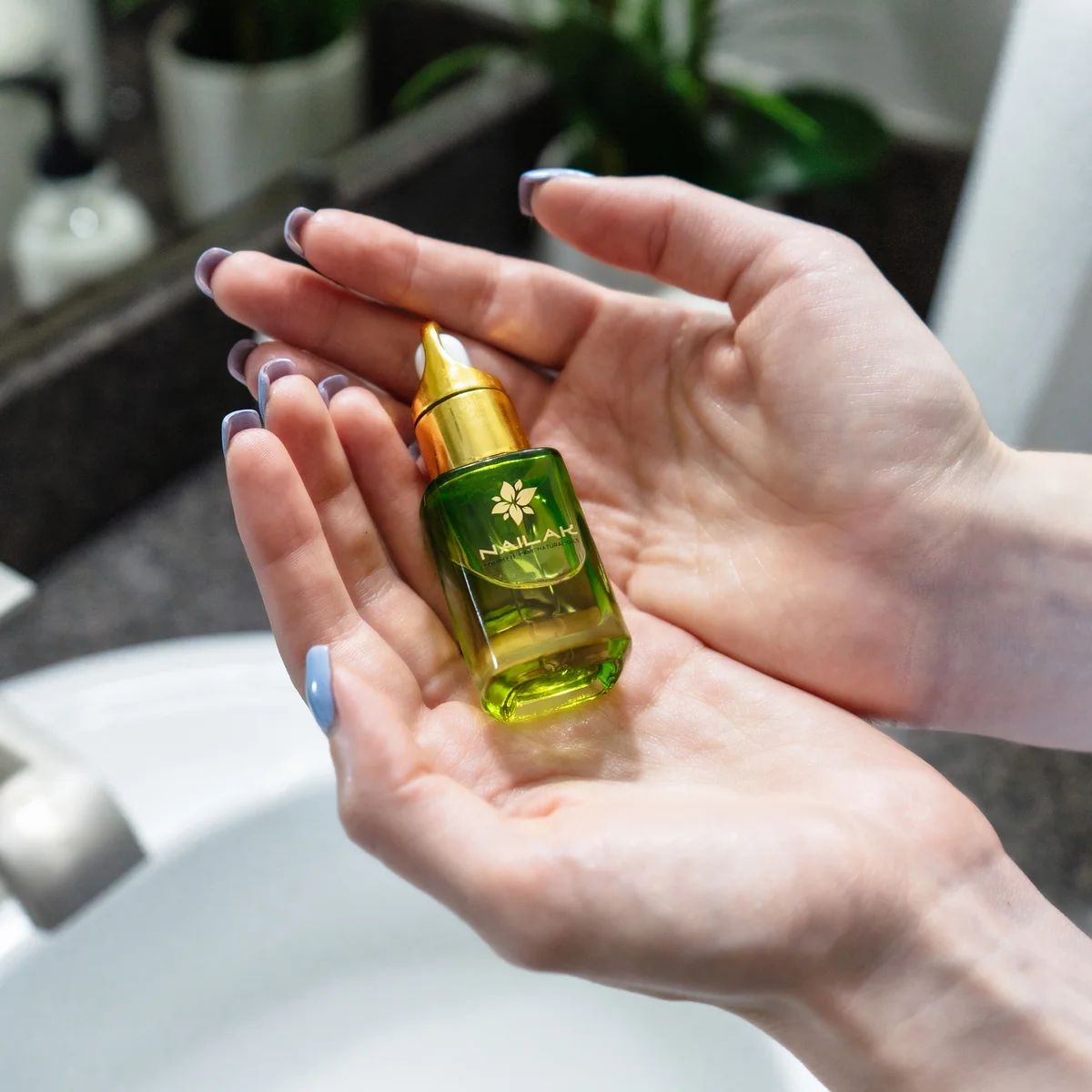
A simple nightly nail-oil routine
Consistency beats complexity. Here’s an easy ritual that works.
- Wash, then trap the water
- Clean hands with a gentle soap.
- Pat them almost dry, leaving a whisper of dampness.
- Apply your base oil
- For day: jojoba or squalane.
- For night: almond or avocado.
- Use one drop per hand and massage into each nail and the cuticle ring.
- Don’t forget the matrix
- The nail grows from the matrix under your proximal nail fold.
- Spend a few extra seconds massaging there to encourage flexibility as new nail forms.
- Layer an occlusive if needed
- Seal with a dab of coconut oil or a balm.
- Add cotton gloves for a cozy overnight treatment.
- Repeat micro-moments
- After washing dishes, add a quick swipe.
- Keep a pen-style oil in your bag or by your sink.
Massage technique matters. Use small circles. Glide along sidewalls where hangnails start. Finish by pressing the pad of your thumb along the cuticle to smooth it flat. This reduces tiny openings that can catch and tear.
Three to five actionable tips for every day:
- Pair oil with water: apply after washing to lock in hydration.
- Use a timer habit: oil after brushing teeth, morning and night.
- Cap your edges: run a film of oil along the free edge to reduce peeling.
- Keep tools gentle: switch to a glass file and avoid tearing snags.
- Protect before chores: wear gloves for dishes and cleaning.
Seasonality, lifestyle, and nail resilience
Your ideal oil shifts with your calendar.
- Winter: Air is dry and heated. Choose richer formulas. Almond and avocado restore comfort. Add coconut as a sealant at night.
- Summer: Sweat and sunscreen change texture needs. Go lighter. Jojoba and grapeseed feel clean and fast.
- Travel: Airplanes dehydrate. Bring a roll-on oil. Apply before boarding and after landing.
- Gym life: Frequent showers and chalk dry skin. Oil after washing. Keep a small bottle in your gym bag.
- Swimmers: Chlorine pulls moisture. Rinse after a swim and oil while hands are still damp.
If you wear gels or enhancements, oil is your best friend. Regular cuticle oil reduces sidewall dryness and can minimize lifting from dehydration. Just remember: avoid oil on the nail plate right before your appointment; it can affect adhesion. After your service, resume oil daily to maintain flexibility.
Nutrition plays a background role. Hydration supports nail moisture. A balanced diet with adequate protein supports growth. If you’re curious about supplements, speak with a professional. Oil care handles the outside; food supports the inside.
From ingredients to results: what to expect
Healthy nail change is steady, not instant. A new nail takes about six months to grow from matrix to tip on your hands. You’ll notice improvements at different stages.
- Day 1: Cuticles look smoother. Nails feel less “squeaky-dry.”
- Week 1: Fewer hangnails. Polish chips less quickly because the underlying nail is more supple.
- Week 3: Peeling decreases. The free edge looks less chalky. Sidewalls show fewer micro-tears.
- Month 2–3: The portion of nail you’ve been nurturing grows out visibly healthier.
Common troubleshooting:
“My nails still peel.”
Increase nighttime oil and cap the free edge. Switch to a glass file and file in one direction. Add a thin base coat formulated for peeling nails.“Everything feels greasy.”
Use lighter oils and smaller amounts. Jojoba over damp skin absorbs quickly.“I get hangnails anyway.”
Avoid trimming them aggressively. Use a cuticle remover once weekly to soften excess, then push back gently. Seal with oil daily.“I have ridges.”
Longitudinal ridges are often normal. Oil won’t erase them, but hydration can soften their appearance. Buff lightly once a month, not more.“Could this be an infection?”
Oil is not a treatment for fungal infections or inflamed skin. If you see redness, swelling, pain, or thick, discolored nails, consult a professional.
Ingredient layering tips:
- Start with a fast absorber like squalane or jojoba.
- Add a richer oil—almond or argan—for conditioning.
- Seal with a balm or coconut if your environment is very dry.
- Boost with vitamin E two or three times a week.
Storage and care:
- Keep oils in a cool, dark place.
- Close caps tightly to limit oxidation.
- Note changes in scent or color; when in doubt, replace.
The mindful ritual that steadies your day
There’s a particular quiet that arrives when you take two minutes just for your hands. It’s the sound of a day softening at the edges. Of course, it’s about the best oils for nail and cuticle health—the ingredients, the texture, the subtle sheen. But more than that, it’s a promise to treat yourself with the gentleness you extend to others.
When your nails don’t snag and your cuticles lie smooth, small tasks feel easier. You type with ease. You fold laundry without catching threads. You sip coffee and admire that healthy glow. Little rituals like this build a steady kind of confidence. Not flashy. Not brittle. Strong, flexible, and ready for whatever tomorrow asks of you.
Keep your bottle where life happens—by the sink, on your nightstand, next to your favorite mug. Let the ritual find you, again and again. Your hands will tell the story.
Frequently Asked Questions (FAQ)
Q: How often should I apply oil for the best nail and cuticle health?
A: Aim for twice daily—morning and night—and add quick swipes after washing hands. Consistency matters more than the amount.
Q: Can I use kitchen olive oil on my nails in a pinch?
A: Yes. Olive oil is a solid stand-in. It’s richer, so use a small amount and massage well. For daily use, you might prefer lighter textures like jojoba or squalane.
Q: Will oils actually strengthen my nails, or just make them shiny?
A: Oils don’t “harden” nails. They help nails retain flexibility by supporting the lipid layer. Flexible nails resist peeling and snapping, which feels like strength.
Q: Can I use cuticle oil with gel or acrylic manicures?
A: Absolutely. Daily oil helps maintain flexibility and reduces dryness around enhancements. Avoid oil right before application to protect adhesion.
Q: Are essential oils safe around nails and cuticles?
A: Use them sparingly and diluted. Add one drop of essential oil to a tablespoon of carrier oil. Avoid strong oils if your skin is sensitive or broken.
Estimated word count: ~1950 words.