
Cuticle Oil for Damaged Nails: Heal and Shine
The sweater was new, the color a soft oatmeal that made the afternoon feel slower and sweeter. I slid my thumb along the sleeve and felt that tiny, familiar snag. A dry crescent of skin had lifted at the edge of my nail, catching the knit like a burr. It was such a small thing, yet it flipped the mood—like when a song skips right at your favorite line.
I set my mug down and glanced at my hands with the honesty that good light demands. The nails were a little dulled, their edges peeling in thin layers. The cuticles looked like crumpled tissue. There were faint ridges that told the truth about late nights, frequent hand washing, and that habit of picking at hangnails when I felt rushed. It wasn’t dramatic. It was just real. These were busy-life nails.
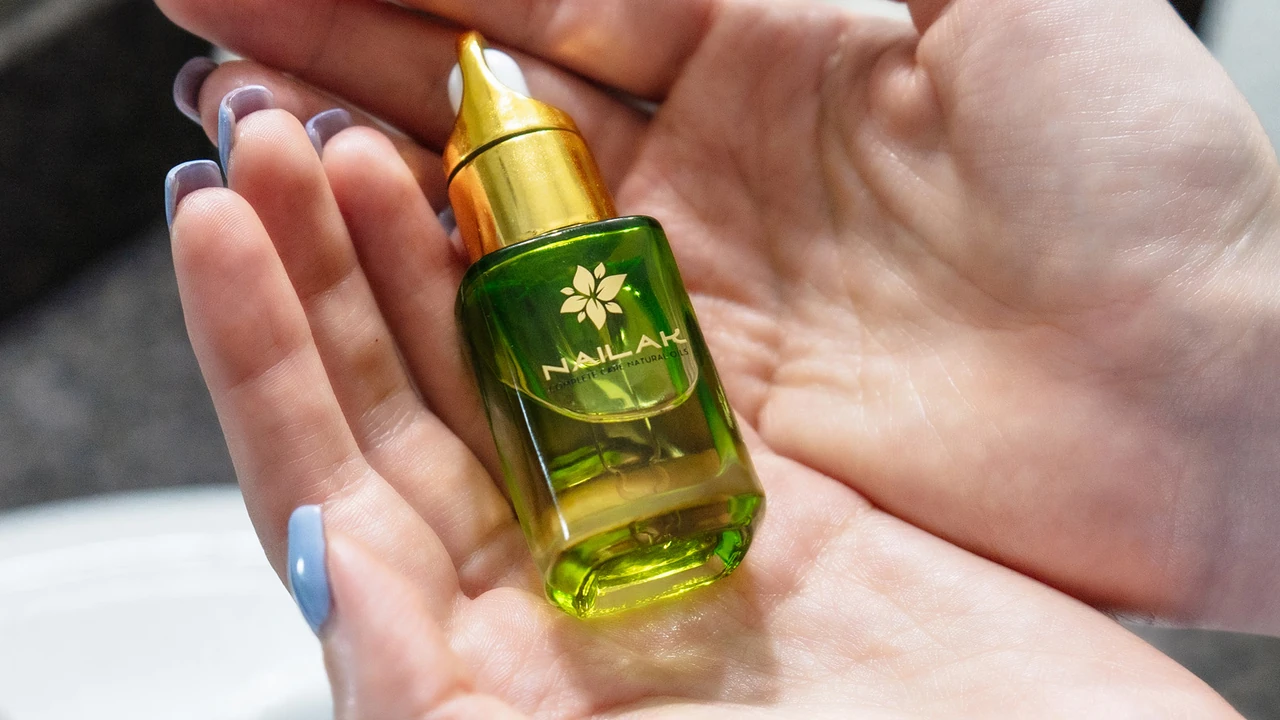
The bottle of cuticle oil on the coffee table sparkled like a tiny sunbeam. I picked it up, rolled it between my palms, and warmed the glass. Just three drops. The brush whispered across each nail fold, gliding like a kind word. I pressed my thumb’s pad in slow, circular motions. The skin softened; the sharp edges stopped grabbing. I could almost hear my hands exhale.
There’s a quiet relief in tending to small things. You don’t need a full overhaul, just a faithful ritual—tiny, consistent acts that restore your sense of good care. We talk about glowing skin, glossy hair, luminous energy. Nails deserve a place in that glow. When our cuticles are nourished, everything looks more polished: the gesture of passing someone a pen, the way a ring catches light, the calm of knowing you’ve handled what you can.
Maybe your nails are recovering from gels, harsh sanitizer, or an anxious winter. Maybe you want to stop hiding your hands in your sleeves. Either way, cuticle oil for damaged nails isn’t just a beauty trick; it’s functional skincare for your fingertips. It shields, softens, and helps your nails grow stronger—one mindful moment at a time.
As the oil sank in, the ridges looked less stark. The skin felt supple and smooth, like silk ribbon rather than dry paper. My sweater stopped snagging. I finished my tea. It dawned on me that everything I want from a self-care routine was in this tiny ritual—simple, consistent, and kind.
Quick Summary: Cuticle oil for damaged nails hydrates, protects, and strengthens the nail area, helping you repair dryness, peeling, and breakage through a simple, daily ritual.
Why cuticles matter
Cuticles are not just decoration. They’re a seal—a protective border where the nail meets the skin.
That seal keeps bacteria out and moisture in. When it breaks, nails dehydrate and the nail bed gets irritated. This leads to peeling layers, rough edges, and tender hangnails.
Healthy cuticles support healthy growth. The nail plate forms in the matrix under your skin. If that environment is hydrated and calm, new nails grow smoother and stronger.
Let’s be honest: we often assault our cuticles without meaning to. Hot water, frequent sanitizer, detergent, paper handling, and gel removal all strip oils. Stress picking makes it worse. The fix isn’t complicated. It’s consistent care.
What cuticle oil actually does
Cuticle oil is skincare for nails. It blends emollients, occlusives, and sometimes humectants to hydrate and protect.
Here’s what happens when you use it:
- Moisture binding: Oils and esters soften rigid, dry skin so it flexes instead of cracks.
- Barrier support: Occlusives form a light seal that slows water loss after washing.
- Slip and smoothness: Massaging oil increases microcirculation, which supports nail growth.
- Shine without polish: Even bare nails look groomed and healthy.
When your nails are already damaged, this matters more. Cracked cuticles invite more dehydration. Oil interrupts that cycle, turning a downward spiral into a gentle repair loop.
Choosing cuticle oil for damaged nails
Not all cuticle oils feel the same. Your perfect match depends on how damaged your nails are, your climate, and your texture preferences.
Light vs. rich blends
- Light oils: Jojoba, squalane, hemp seed. They absorb fast and don’t feel greasy.
- Rich oils: Sweet almond, avocado, castor. They cushion and protect for longer.
If you wash hands often or live in a dry climate, choose a richer blend at night and a lighter one during the day.
Ingredients to look for
- Jojoba oil: Mimics skin’s natural sebum; great slip, great absorption.
- Squalane: Lightweight, stable, and non-greasy; ideal for daytime.
- Sweet almond or avocado: Soften tough cuticles and soothe irritation.
- Vitamin E (tocopherol): Antioxidant support; helps protect fragile nail plates.
- Ceramides: Strengthen the skin barrier around the nail fold.
- Bisabolol or calendula extract: Calming botanicals for inflamed edges.
What to avoid when fragile
- Strong fragrances if you’re sensitive.
- High amounts of drying alcohols.
- Essential oils like tea tree or citrus in high concentrations if your skin is compromised.
- Harsh cuticle removers when the skin is cracked.
Here’s the secret: damaged nails don’t need complexity. They need consistency. A simple, well-crafted oil used twice daily beats an elaborate routine done once a week.

A 7-day repair ritual
Commit to seven days. Treat it like a mini retreat for your hands. You’ll see smoother skin in days and stronger tips in weeks.
Morning, midday, night
- Morning: After washing, pat hands dry. Apply a thin layer of cuticle oil. Massage for 30 seconds.
- Midday: If you sanitize, follow with one drop of oil per hand. It counteracts the stripping effect.
- Night: Use a richer oil or add a hand cream over your oil to lock it in.
The massage method
- Dot: Place a tiny bead at the base and sides of each nail.
- Press: Use your thumb to press and roll the cuticle area in slow circles.
- Sweep: Drag what’s left across the nail plate to smooth peeling layers.
- Seal: Finish with a nourishing hand cream if you need extra protection.
Weekly rhythm
- Day 1–2: Hydrate and stop the picking. Keep a pocket oil pen with you.
- Day 3–4: Gently push back softened cuticles after a shower, using a soft tool. No cutting.
- Day 5: File with a fine-grit board to smooth snags. Always file in one direction.
- Day 6: Add a strengthening base coat without formaldehyde if you wear polish.
- Day 7: Extra-rich night layer. Slip on cotton gloves for 20 minutes.
Notice your nails after a week. They should feel supple at the edges and less prone to snagging. Keep going for 4–6 weeks for deeper recovery.
Ingredients to love (and a smart science note)
Cuticle oil for damaged nails thrives on a balance of emollients, humectants, and occlusives. Many formulas emphasize oils, but humectants can help too—especially under an occlusive layer. Hyaluronic acid, a well-known moisture magnet, holds water in the skin’s outer layers and helps reduce transepidermal water loss when paired with oils or creams. If you ever wondered why skincare pros praise HA, it’s because it sits in the skin’s matrix pulling in hydration; that principle translates to hand care when you layer thoughtfully (source: https://labmuffin.com/what-is-hyaluronic-acid-and-how-does-it-work/)
Emollients
- Jojoba, squalane, meadowfoam seed oil: Smooth and soften; excellent for daily use.
- Shea esters or coconut alkanes: Silky glide without greasiness.
Humectants (usually in serums or creams)
- Glycerin, hyaluronic acid, panthenol: Draw water into the skin.
- Use a drop of humectant-based hand serum under oil at night for a moisture sandwich.
Occlusives
- Castor oil, beeswax, lanolin alternatives: Seal moisture in place.
- Apply very sparingly; a thin veil prevents greasiness.
If your nails peel
Try jojoba and squalane during the day, then layer a richer blend with vitamin E at night. Smooth a minimal amount over the nail plate to help “glue” flaky layers while they grow out.
If your cuticles crack
Choose avocado or sweet almond oil with bisabolol. Avoid citrus essential oils until the skin is intact.
Everyday habits that strengthen nails
Cuticle oil can’t do everything if your habits undo the progress. These simple changes protect your repair work.
- Wear gloves for dishes and cleaning. Detergents are ruthless.
- Keep nails short while recovering. Less leverage, fewer breaks.
- File gently, in one direction. Sawing frays the layers.
- Don’t buff aggressively. Over-buffing thins nails and increases peeling.
- Take polish breaks. Let nails breathe—really, let the bare plate rehydrate.
Three-minute rescue after washing
- Pat dry thoroughly.
- Add a drop of oil around each nail.
- Massage until the shine softens to a glow.
- Finish with a light hand cream if air feels dry.
Nutrition notes
Nails reflect overall health. Include:
- Protein for keratin formation.
- Iron and B vitamins for growth support.
- Omega-3s for skin barrier function.
- Stay hydrated. Your cuticles will tell on you if you don’t.
When damage needs more than oil
Some damage signals a bigger issue:
- Persistent redness or swelling around the nail.
- Pus, pain, or throbbing after picking.
- Horizontal grooves (Beau’s lines) after significant stress or illness.
- Repeated splitting despite steady care.
In these cases, consult a dermatologist or seasoned nail tech. You may need antifungals, barrier repair creams, or a professional removal schedule for enhancements.
If you wear gels or acrylics, consider:
- A mandatory oil-and-cream routine between fills.
- Scheduled “nail sabbaticals” every few months.
- Professional removal—never peel. Peeling lifts healthy layers off with the product.
The polished power of small rituals
A tiny bottle on your nightstand. A pause in the day that’s only yours. The glide of oil, the quiet circles, the way your breath slows as your hands soften. Cuticle oil for damaged nails isn’t dramatic, but it’s deeply caring. It turns your attention inward and outward at once—toward your body’s needs and toward how you want to show up in the world.
There’s confidence in the details. A smooth edge that doesn’t snag. A bare nail that catches light in a gentle arc. A calm mind that knows care doesn’t need to be loud to be transformative. Start with your cuticles. Let the softness spread.
Estimated word count: ~1980
Frequently Asked Questions (FAQ)
Q: How often should I use cuticle oil for damaged nails? A: Twice daily is ideal—morning and night. Add a tiny midday top-up after hand sanitizer or dishwashing to counteract dryness.
Q: Can cuticle oil repair peeling or splitting nails? A: It can’t fuse layers back together, but it softens edges, reduces further peeling, and protects new growth. With steady use, the fresh nail grows in stronger and smoother.
Q: What’s better: cuticle oil or hand cream? A: Use both. Oil targets the nail fold and plate with emollients and occlusives. Cream adds humectants and broader barrier support. Layer oil first, then cream to seal.
Q: Is cuticle oil safe after gel or acrylic removal? A: Yes—essential, actually. Apply multiple times daily in the first week post-removal. Avoid harsh removers and never peel product off, which strips healthy nail layers.
Q: Which ingredients should sensitive skin avoid in cuticle products? A: Skip strong fragrances and high concentrations of citrus or tea tree essential oils on compromised skin. Choose simple formulas with jojoba, squalane, and vitamin E until your cuticles recover.