
How to Restore Damaged Nails Naturally
A chipped edge can ruin a beautiful morning. It happened to me on a Tuesday that already felt slippery—three emails deep before coffee, sweater sleeves grazing the sink as I rinsed berries, phone buzzing under a tea towel. I caught my thumbnail on the cabinet pull and heard that tiny snap. The nail didn’t break off completely, but it flaked just enough to snag everything: denim, hair, the soft hem of my favorite tee.
I stood there with wet hands and an impatient kettle, staring at that thin crescent of white lifting away from pink. It wasn’t just a nail. It was a reminder of every moment I chose to rush, skip cuticle oil, leave polish on “one more week,” or scrub a pan barehanded because the gloves were in a hard-to-reach drawer. Little choices add up—especially on delicate things like nails.
By afternoon, I’d covered the flake with a clear coat and made a quiet decision: to treat my hands with the same attention I give my skincare. I pulled a pair of cotton gloves from a drawer I almost never open, placed a tiny bottle of jojoba oil next to my hand soap, and promised myself a small ritual each night. It felt soothing. It felt doable. And my hands—those busy storytellers—deserved it.
Maybe you’re here because your nails peel, split, or break halfway through the week. Maybe you’re coming off gels or acrylics and want a gentle reset. Or maybe you simply want your natural nails to look healthy and gleam softly when you reach for a latte. If you’re wondering how to restore damaged nails naturally, you’re in the right place. We’ll cover what weakens nails, the daily habits that actually help, nutrient-rich tips, and home treatments that feel like tiny spa moments. No harsh chemicals. No 20-step routines. Just caring, consistent steps that fit your real life.
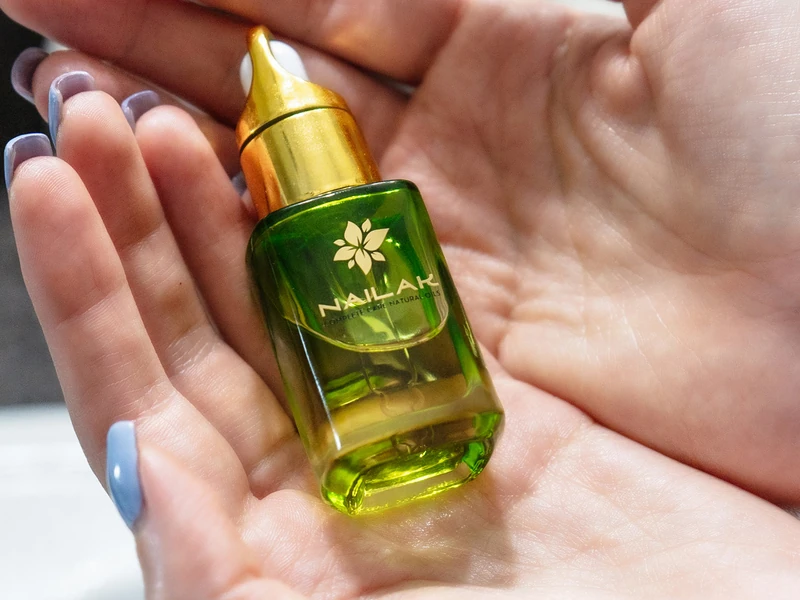
Quick Summary: To restore damaged nails naturally, reduce daily wear, nourish from within, moisturize obsessively, use gentle treatments, and follow a consistent 30-day plan.
Why nails break: what’s really going on
Healthy nails are flexible plates of keratin layered like shingles. When those layers dry out or separate, you see peeling, splitting, and breaks. Several everyday forces cause trouble:
- Water cycles: Repeated wetting and drying expands and contracts keratin. That weakens layers.
- Harsh chemistry: Acetone, alcohol-heavy sanitizers, and cleaning sprays strip natural oils.
- Mechanical stress: Tapping, picking, aggressive filing, and using nails as “tools” create microtears.
- Over-buffing: Too much abrasion thins the nail plate and invites peeling.
- Nutrient gaps and low hydration: Nails are low priority for the body. If nutrients or fluids are scarce, nails show it.
- Previous enhancements: Frequent gels, acrylics, or dip without breaks can leave nails dry and fragile.
The fix isn’t one product; it’s a gentler ecosystem. Protect the plate, feed it, and keep it cushioned with oils so layers stay together. Then give it a few weeks to rebuild. Nails grow slowly—about 3 mm per month—so patience is part of the medicine.
Daily habits that heal, not harm
Everyday choices can make or break a recovery plan. Think consistent, not complicated.
- Wear gloves for wet work. Dishwashing, scrubbing, even rinsing produce strips oils. Keep a pair of lined rubber gloves in plain sight (under-sink doesn’t count if you forget them).
- File, don’t clip. Use a 180–240 grit file. Move in one direction, from corner to center. No sawing back and forth.
- Short and rounded for now. A softer oval or short squoval resists snagging. Keep free edges no longer than 2–3 mm while healing.
- Moisturize after every hand wash. Keep a small hand cream at each sink. Look for shea butter, glycerin, squalane, or ceramides.
- Oil your cuticles twice a day. Jojoba mimics skin’s sebum and sinks in fast. Vitamin E supports resilience. Massage for 30 seconds per nail.
- Stop picking and peeling. If polish lifts, remove and reapply. Peeling takes nail layers with it.
- Sanitize smart. Spritz sanitizer on palms, then rub. Avoid dousing the nails if you can.
- Use a gentle remover once a week, max. Choose non-acetone for regular polish and take polish breaks.
Here’s a simple routine you can keep:
Morning
- Hand cream after washing.
- Cuticle oil.
- Clear, breathable base coat if you prefer polish-free shine.
Midday
- Hand cream again.
- Glove up for dishes.
Night
- Remove polish only if needed.
- Apply cuticle oil.
- Seal with a richer balm.
- Cotton gloves for 20 minutes (or sleep in them).
The secret is repetition. Tiny, frequent moisture hits are more powerful than a once-a-week mask.
Feed your nails from within
Nail cells form under the cuticle, where nutrition matters most. You can’t “feed” a dead nail plate, but you can support new growth.
Focus on:
- Protein: Nails are keratin. Aim for quality protein at each meal—eggs, fish, poultry, legumes, tofu, Greek yogurt.
- Biotin: Supports keratin infrastructure. Food sources include eggs, salmon, sweet potatoes, and nuts. Supplements can help some people; talk with your provider if considering doses above typical daily intake.
- Iron: Low iron can show up as brittle nails or ridges. Include spinach, lentils, red meat, or fortified cereals, and pair plant-based iron with vitamin C.
- Zinc: Helps cell turnover. Find it in pumpkin seeds, chickpeas, and shellfish.
- Omega-3s: Support nail bed moisture. Enjoy salmon, sardines, walnuts, and flax.
- Vitamins A, C, and E: Antioxidants support collagen and protect cells. Go colorful—berries, citrus, peppers, leafy greens, carrots.
Hydration matters, too. Nails need internal moisture. Try:
- A glass of water with breakfast, lunch, and a mid-afternoon refill.
- Herbal tea if you want cozy hydration without caffeine.
- A pinch of mineral-rich salt or a squeeze of lemon in water if you’re very active.
Bonus pantry idea: Pair a handful of almonds with an orange for a snack. You’ll cover healthy fats, vitamin E, and vitamin C in one go.
Natural treatments that work
You don’t need a dozen bottles. Choose a few natural treatments and be consistent.
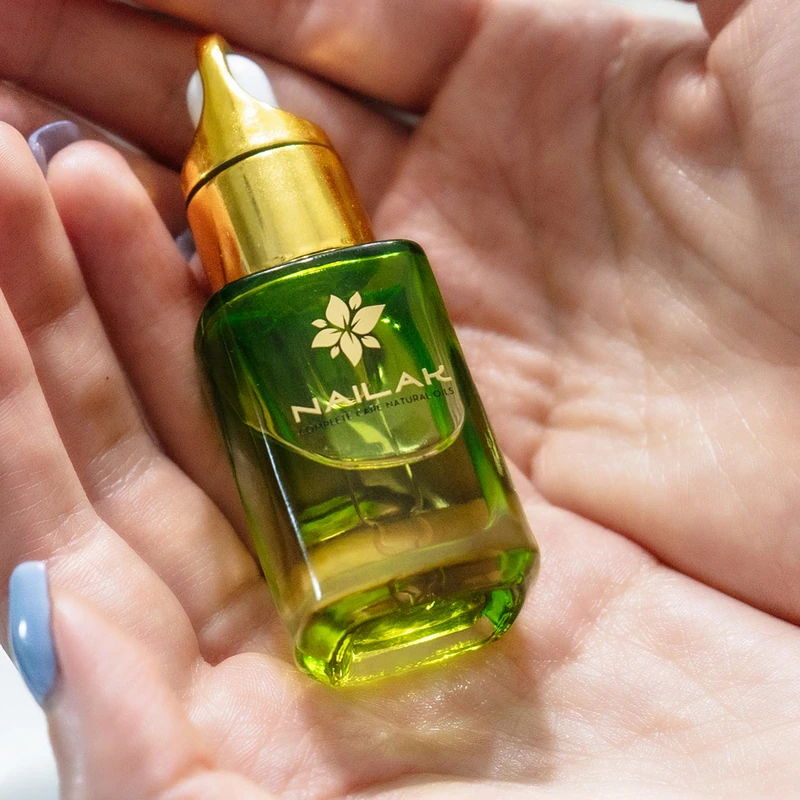
Nourishing oils
- Jojoba oil: Penetrates well and softens the cuticle. Massage in twice daily.
- Sweet almond oil: Adds slip and cushion; good for midday reapplication.
- Vitamin E: A few drops mixed with jojoba for extra protection.
Soothing soaks
- Warm oil soak: Heat 2 tablespoons of olive or sweet almond oil until just warm. Soak nails for 5–8 minutes once or twice a week. Pat dry and seal with hand cream.
- Green tea soak: Brew a strong cup of green tea, cool to lukewarm, and soak for 5 minutes. Antioxidants may help protect fragile edges.
- Salt and honey dip: Stir 1 teaspoon honey and a pinch of fine sea salt into warm water. Soak for 5 minutes to soften skin and gently exfoliate.
Strength without harsh chemicals
- Breathable, plant-based base coats: Choose formulas free of formaldehyde, toluene, and DBP. Apply 2 thin coats every 3–4 days.
- Avoid hardeners with formaldehyde: They can make nails rigid, then brittle. Soft strength is better than stiff strength.
Gentle exfoliation for cuticles
- One night a week, apply a tiny dab of a fruit-enzyme cuticle remover or a DIY paste (a drop of lemon juice stirred into a teaspoon of sugar and oil). Massage lightly at the cuticle line for 30 seconds, then rinse and oil. Don’t overdo it—once weekly is plenty.
Repair for peeling edges
- Micro-seal: Brush a thin layer of clear base just under the free edge and over the top. This “wraps” the tip and helps layers stay united.
Three practical rules
- Never cut living cuticle. It’s a seal against germs; trimming invites damage.
- Keep a file in your bag. Smooth snags immediately before they travel.
- Treat polish like clothing. Rotate between “on” and “off” weeks so nails can breathe and rehydrate.
A 30-day recovery plan
Here’s how to restore damaged nails naturally with structure and sanity. Think of it as a guided reset.
Week 1: Reset and protect
- Trim and file to short, rounded edges.
- Remove old polish gently; skip polish for seven days if you can.
- Oil twice daily, cream after every wash, gloves for chores.
- Warm oil soak once this week.
Week 2: Rebuild moisture
- Continue oil and cream. Add a nighttime balm seal.
- Start a breathable base coat every 3–4 days for tip protection.
- One green tea soak midweek. Avoid acetone.
Week 3: Strengthen softly
- Keep lengths short. Micro-seal free edges with base coat.
- Maintain oiling and cream cadence.
- Consider a simple weekly mask: dab honey on nails and cuticles for 10 minutes, rinse, oil.
Week 4: Evaluate and refine
- Notice break frequency and hangnails. Fewer snags mean progress.
- If nails feel smoother and less peely, you can add a sheer color for a few days, then return to clear.
- Keep nutrition and hydration consistent. Plan snacks and water like appointments.
By day 30, you won’t have “new” nails yet—they grow slowly—but you’ll feel a clear shift: fewer breaks, less peeling, smoother tips, and healthier-looking cuticles. Stay with the routine another month for even stronger results.
Seasonal tweaks and smart style choices
Cold, dry air saps moisture from nails and skin. Summer heat and frequent swims can do the same. Adjust with the weather:
- Winter: Switch to thicker hand creams and keep gloves visible by the sink and in your coat pocket. Add a humidifier near your workspace.
- Summer: Rinse after swimming and oil immediately. Keep nails short to reduce water-logged peeling.
- Year-round: Use sunscreen on the backs of hands daily. UV can age skin and dry the nail area.
There’s a lovely crossover between style and wellness: pieces you actually wear make self-care easier. Cozy sweaters and warm gloves aren’t just chic; they remind you to protect your hands. If gifting season leaves you stumped, think practical, wearable comfort that supports routines you’ll keep. Those small choices add up in nail health, too (source: https://busbeestyle.com/cozy-chic-winter-favorites/).
Confidence grows as your nails recover
There’s something tender about tending to small things. When you massage oil into your cuticles at night, you’re not just caring for keratin. You’re telling your hands that their work matters—and their rest does, too.
Let’s be honest: perfection isn’t the goal. You’ll still open a package with your thumb or forget gloves now and then. But a gentle rhythm can carry you through those moments. Keep a file in your bag. Keep oil where you wash. Keep cream next to your laptop. The quiet repetition builds calm, resilience, and the kind of soft shine that looks good with everything.
And when your nails catch the light as you reach for your keys, they’ll reflect something deeper—a steady practice of care that starts at your fingertips and reaches your whole day.
Estimated word count: ~2,030
Frequently Asked Questions (FAQ)
Q: What’s the fastest way to restore damaged nails naturally? A: There’s no overnight fix, but you can speed healing by protecting from water, moisturizing often, and trimming to a short, rounded length. Add daily cuticle oil, a gentle base coat, and gloves for chores. Within 2–4 weeks, most people see fewer breaks and less peeling.
Q: Which oil is best for nail repair—jojoba or almond? A: Both work well. Jojoba penetrates quickly and mimics natural sebum, making it great for frequent, light applications. Sweet almond oil is slightly richer and cushions dryness. Many people layer them or mix in a drop of vitamin E at night for extra protection.
Q: Do biotin supplements actually help brittle nails? A: Biotin can help some people, especially if their nails are prone to splitting. You can prioritize biotin-rich foods like eggs, salmon, and sweet potatoes first. If you’re considering high-dose supplements, discuss it with your healthcare provider to ensure it fits your needs and medications.
Q: Is a “nail hardener” good for weak nails? A: Not always. Formaldehyde-based hardeners can make nails rigid, then brittle. For natural repair, choose a breathable, 10-free or 12-free base coat that adds flexible strength. Your nails need hydration and gentle support more than stiffness.
Q: How can I avoid peeling when removing polish? A: Use a non-acetone remover for regular polish, press a soaked cotton pad on the nail for 10–15 seconds, then wipe in one direction. Follow with cuticle oil and hand cream. Avoid scraping or peeling lifted polish—it removes nail layers and sets back healing.