
How to Prevent Nail Breakage for Strong Nails
The sweater looked innocent enough. Soft ribbed cuffs, the kind you nudge up when you need your hands free. But as you reached for your keys, a single thread caught the edge of your index nail. Tiny resistance. That familiar, faint snap. Not painful—just the thud of annoyance that hits your chest before your brain can catch it. You turn your hand over and see it: a jagged corner, white stress line, the delicate peel at the tip.
It’s not vanity to care about that small moment. Your hands introduce you before you speak. They sign your name, press the stroller clasp, pull luggage zippers, tap back “love you” with a thumb. Strong nails are a quiet confidence—like a clean T-shirt or a coat that fits perfectly. You don’t need a salon schedule or a collection of fancy tools. You need a caring ritual and a bit of science.
You take a breath and tuck the broken edge under a bandage. In your tote, you find sheer polish and a tiny file. At the bus stop, you smooth the snag in ten gentle strokes. The day goes on—coffee, messages, meetings—but your hand feels steadier now. It’s not about perfection. It’s about choosing to be kind to yourself in small, steady ways.
Let’s be honest: life is full. None of us have time for high-maintenance. But preventing nail breakage doesn’t demand perfection. It asks for a few deliberate habits woven into your day. A pair of kitchen gloves by the sink. A cuticle oil that lives on your nightstand. Protein on your plate. Choosing a nail shape that works with your life, not against it.
Here’s the secret. If your nails keep breaking, it’s not a personal failure—it’s a system that needs tweaks. Tiny shifts add up: less water exposure, smarter filing, gentler removal, consistent moisture. You can almost feel the smoothness when your nail glides over knit without catching. That’s the sound of a system working.
So let’s build yours. Simple, lovely, and doable.
Quick Summary: Prevent nail breakage with daily protection, smart shaping and filing, consistent hydration, nutrient support, and gentle treatment both at home and in the salon.
What causes nail breakage?
Nails break for many reasons, but a few patterns repeat.
- Dehydration. Nails are like layered shingles. When they lose moisture, layers separate and peel. The result is brittleness and easy snapping.
- Repeated wet-dry cycles. Frequent washing, swimming, or dish duty swells nails, then dries them out. Expansion and contraction weaken bonds.
- Mechanical stress. Your nails are not tools. Prying, scraping, and tapping strain the free edge and corners.
- Harsh chemicals. Strong acetone, aggressive gel removal, and cleaning agents strip protective oils.
- Shape mismatch. Sharp corners and long lengths catch on fabrics and zippers.
- Nutrient gaps. Low protein, iron, or essential fatty acids can show up in weak nails.
- Health factors. Thyroid issues, anemia, or certain medications may affect nail strength. If breakage is sudden and severe, talk with your doctor.
A quick anatomy tour
- Nail plate: what you see. Layers of keratin pressed together.
- Nail bed: the cushion beneath, rich with blood supply.
- Matrix: where growth begins, under the cuticle.
- Cuticle: the natural seal at the base. It protects the matrix from bacteria and water.
When the seal is compromised or the keratin layers separate, breakage starts quietly. Protect the seal and strengthen the layers, and you’ll notice fewer chips and splits.
Daily habits that protect nails
Preventing nail breakage is mostly about routine, not rescue. Think seatbelt, not airbags.
File smarter, not harder
- Choose a fine-grit glass or 240-grit file.
- File in one direction. Sawing back and forth frays layers.
- Shape for your life. Short squoval or soft oval resists catching. Sharp square corners are the most fragile.
- Keep tips even. Uneven edges snag easily.
Make water your friend—on your terms
- Wear gloves for dishes and cleaning.
- Rinse after swimming and moisturize immediately.
- Keep nails shorter during repair months. Less leverage, less snap.
Moisture is armor
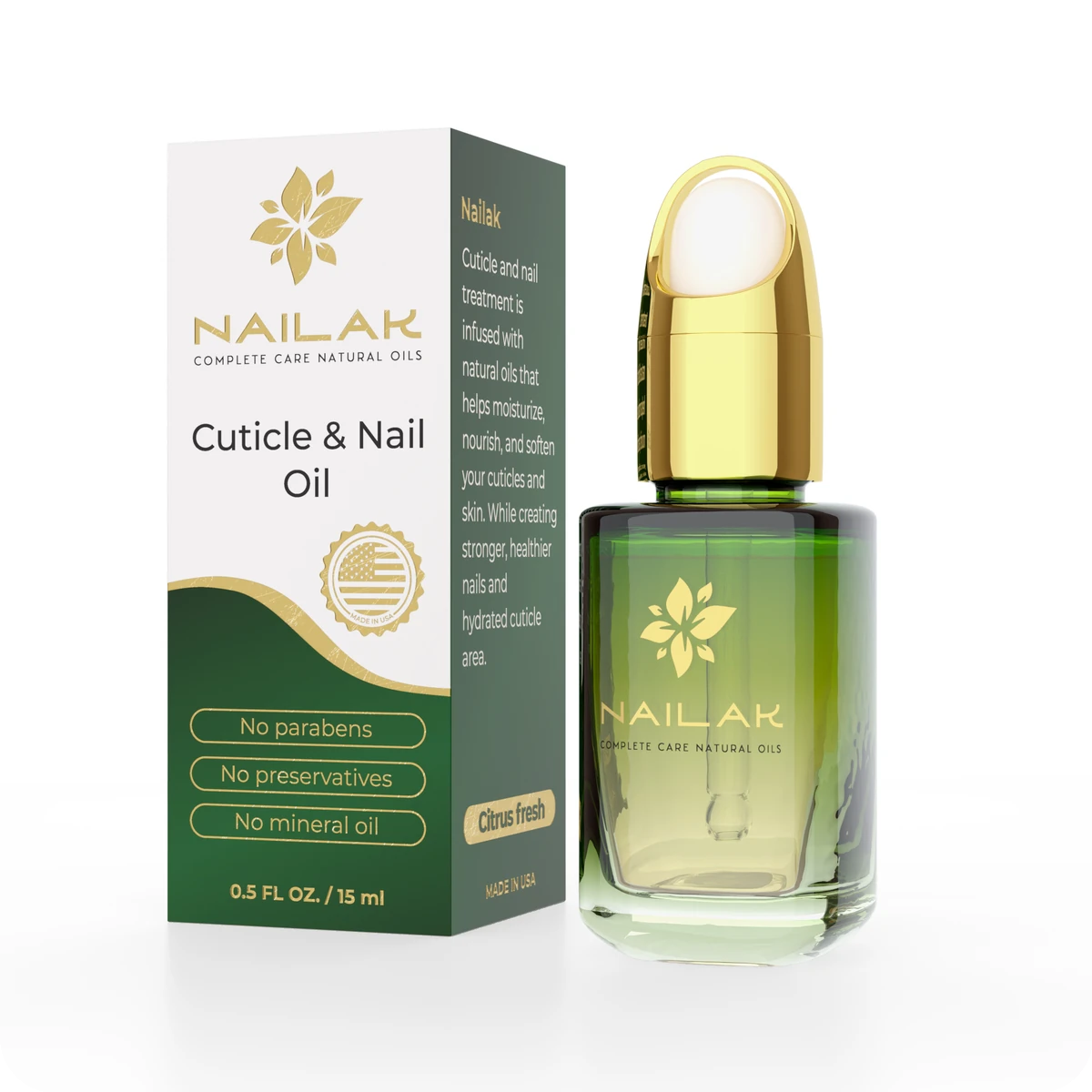
- Apply cuticle oil twice daily. Move the brush around the sidewalls and under the free edge.
- Follow with hand cream. Look for glycerin, squalane, ceramides, or urea for deep hydration.
- Store a tiny oil at your desk, sink, and nightstand. Convenience builds consistency.
Break the “nails as tools” habit
- Use a card opener or dull knife for stickers.
- Press elevator buttons with a knuckle.
- Slide, don’t pry, when opening cans.
Sanitizer and soap strategy
- Choose gentle soaps. Avoid strong degreasers.
- If you use sanitizer often, follow with a dab of oil once it dries.
Simple doesn’t mean small. These five habits, done consistently, are a quiet revolution.
Nourish from within
Keratin needs building blocks. Give your nails materials to work with.
- Protein: Aim for a serving at each meal. Eggs, Greek yogurt, tofu, chicken, beans, lentils.
- Iron and vitamin C: Pair spinach with citrus, or lentils with bell pepper. Iron supports healthy growth.
- Zinc: Found in pumpkin seeds, chickpeas, and seafood. Helps repair tissues.
- Omega-3s: Salmon, walnuts, chia seeds. They support nail flexibility.
- Biotin: Found in eggs, almonds, and sweet potatoes. Supplement only if your intake is low and your provider agrees.
- Hydration: Nails are happiest when you’re well hydrated. Keep water nearby.
Snack ideas:
- Apple slices with peanut butter and chia.
- Whole-grain toast with smoked salmon and cucumber.
- Yogurt with walnuts and berries.
- Edamame with a squeeze of lemon.
Consistency is the “supplement” most of us are missing.
A strengthening routine you’ll actually keep
You don’t need a dozen bottles. You need a plan.
Your weekly rhythm
- Monday: Gentle shape and seal
- Wash hands and dry fully.
- File in one direction. Shorten to a comfortable, low-snags length.
- Buff lightly only if ridges catch, no more than once a month.
- Apply a strengthening base coat. Choose one without formaldehyde releasers if you’re sensitive.
- Finish with a flexible top coat.
- Tuesday–Wednesday: Maintain the seal
- Apply cuticle oil morning and night.
- Add a thin top coat layer every other day.
- Lotion after every wash.
- Thursday: Mini refresh
- If tips look dull, wipe with a non-drying remover.
- Add one base coat and one top coat layer.
- Weekend: Rest or color
- If you polish, use color over your base coat.
- To remove, soak a cotton pad with a gentle remover, press for 20 seconds, and glide off. Avoid scraping.
About “nail hardeners”
Hardeners can help short-term, but too much rigidity makes nails snap. Choose flexible strengthening formulas with ingredients like keratin amino acids or plant-derived oils. Use in cycles: three weeks on, one week off.
Cuticle care is non-negotiable
- Never cut the living cuticle. It’s a protective seal.
- Instead, soften with oil and gently push back after a shower.
- Clip only hangnails, not the cuticle rim.
Safe removal principles
- For regular polish, hold and lift—don’t rub harshly.
- For gels, ask for careful foil soaks and minimal e-filing. Rushing removal is breakage’s best friend.
A note on trying new beauty formulas: just like testing lip color textures to find a long-wear, comfortable fit, it helps to test nail treatments for flexibility and wear. A recent lip haul covered multiple Chanel formulas and how they perform across finishes, a reminder that performance varies by formula and routine. Be curious and find what feels good on your nails, not just what looks shiny. (source: https://thebeautylookbook.com/2025/11/chanel-lip-haul-31-le-rouge-le-rouge-duo-ultra-tenue-rouge-coco-flash.html)
Salon choices that support healthy nails
Salons can be supportive partners. Ask questions. Advocate for your nails.
- Request thin layers. Heavy product adds weight that can fracture at the stress line.
- Choose shapes that protect corners. Soft square or squoval often holds up best.
- Schedule fills on time. Overgrown product shifts stress and increases lifting.
- Ask for a gentle e-file touch. Over-filing thins the plate and invites breaks.
- Plan gel “vacations.” Take a two-week break every few cycles if you notice peeling or tenderness.
- Insist on proper removal. Soak, don’t pry. No force, ever.
If your tech rushes removal or dismisses your concerns, it’s okay to find a better fit. Your nails will thank you.
Seasonal and lifestyle tweaks
Life changes. Your nail routine should, too.
Winter dryness
- Add a humidifier near your bed.
- Switch to a richer hand cream with ceramides or shea butter.
- Oil the cuticles after hot showers to lock in moisture.
Summer and swimming
- Rinse hands after chlorine or saltwater.
- Pat dry and apply oil, then sunscreen on the backs of hands.
- Keep nails a touch shorter. Less leverage, fewer snags.
Fitness and chores
- Wear workout gloves for lifts and rows.
- Keep a small oil in your gym bag; use it while you stretch.
- Always wear dish gloves. Keep spare pairs under the sink and in the laundry room.
Work and travel
- Desk kit: glass file, mini oil, sheer top coat, bandages for emergencies.
- Travel kit: non-spill oil pen, gentle wipes, and a fine-grit file. Press-ons can be a smart backup for a sudden break on the go.
Small tweaks prevent big repairs.
Your repair plan after a break
Breaks happen. Respond with calm, kind triage.
If the break is above the quick
- Wash hands and dry thoroughly.
- Smooth the edge with a fine file.
- Round the corners slightly to reduce catching.
- Seal with a layer of base coat. Add top coat.
If the break runs into the nail bed
- Clean gently and protect with a bandage.
- Avoid glue near open skin. Let it heal before cosmetic fixes.
- Keep nails short and protected until tenderness subsides.
The tea bag or silk wrap patch
A temporary patch can buy you time while the nail grows out.
- Trim a small piece of tea bag paper or a silk wrap to fit the crack.
- Apply a thin layer of base coat and place the patch.
- Press flat with a clean tool. Let it dry.
- Add another base coat layer, then top coat.
- Lightly buff the surface once dry if needed, and seal again.
Replace the patch every few days. Keep the nail oiled and protected. If the break is deep, consider a professional silk or fiberglass wrap.
When to shorten everything
If one nail breaks far back, consider shortening the rest. Balanced length reduces future stress. It also keeps your manicure looking intentional, not accidental.
Gentle mindset, stronger nails
Preventing nail breakage isn’t about never making mistakes. It’s about noticing your patterns with compassion and adjusting. Eat to nourish yourself, not to chase perfection. Use your oil because it feels soothing, not because you’re policing your hands. Wear gloves as a gift to your future self.
Confidence grows in these quiet moments. The evening you reward yourself with a hand massage after a long day. The morning your sweater slips on without a single snag. The way you reach for your bag, your coffee, your child’s hand—and feel steady.
Strong nails are not just a beauty goal. They are an everyday kindness. And kindness is a habit you can build.
Frequently Asked Questions (FAQ)
Q: How long does it take to see fewer nail breaks? A: With consistent care and protection, many people notice fewer breaks in 2–4 weeks. Full strength improvements align with nail growth, which can take 3–6 months.
Q: Do nails need to “breathe” between polishes? A: Nails don’t have lungs, but they benefit from breaks in polish and gentle removal. Rest days reduce dehydration and let you focus on oil and moisture.
Q: Is biotin safe for preventing nail breakage? A: Food sources are great. Supplements can help some people, but they may affect lab tests. Talk with your healthcare provider before starting a supplement.
Q: Should I cut my cuticles to prevent splits? A: No. The cuticle is a protective seal. Instead, soften with oil, gently push back, and clip only hangnails.
Q: Which nail shape is least likely to break? A: Soft oval or squoval tends to resist catching. Keep corners rounded and length practical for your routines.
Estimated word count: ~1,980 words