
How to Prevent Nail Splitting for Strong Nails
The snag happens at the least romantic moment—right when you’re tugging on a soft sweater before heading out the door. You feel it more than you see it: a whisper of roughness at the tip of your index finger. You check and there it is, a thin sliver lifting away like a paper corner. Not a catastrophe, but enough to catch on your scarf, your hair, your mood.
In the kitchen, the kettle hums. Your favorite mug warms your hands while you survey the situation under better light. The nail looks dry and frayed along the free edge, almost like layered tissue that’s been folded one too many times. You run a thumb over it. It snags on your skin and you promise yourself—again—that tonight you’ll be gentler to your hands. No more using your nails to lift can tabs. No more skipping lotion after washing dishes. You want that smooth, sealed edge you see in nail ads, not a reminder of the week’s cold wind, sanitizer, and late-night scrolling.
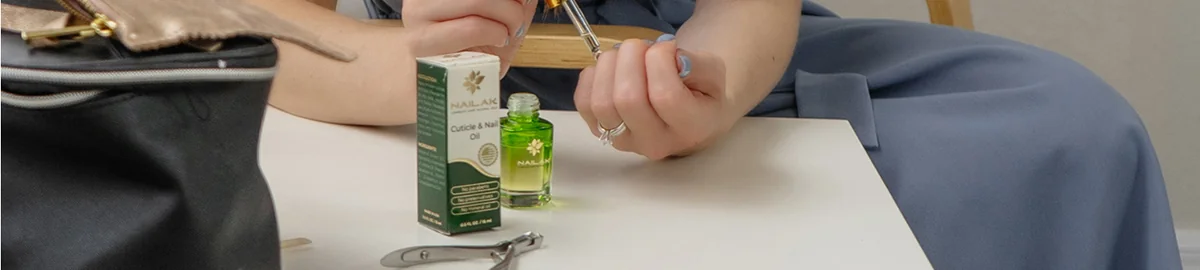
You dab on a bit of oil from the tiny dropper that lives in your bag and massage it in. You can almost feel the nail surface relax, the way a thirsty plant seems to perk up after water. The shine returns, shy but sincere. You breathe out. There’s a way through this—one that doesn’t require salon appointments you’ll inevitably miss—and it starts with understanding how to prevent nail splitting before it starts.
Let’s be honest: split nails feel small until they’re not. They change what you wear, how you type, and whether you reach for a bold ring or keep your hands tucked away. But your nails are teachable, trainable even. With the right daily habits, a smart routine, and a little ingredient knowledge, you can build flexible strength that lasts through seasons, stress, and even that icy grocery cart handle.
Here’s the secret: nails prefer consistency over drama. They love tiny, repeated acts of care. And yours are ready for it.
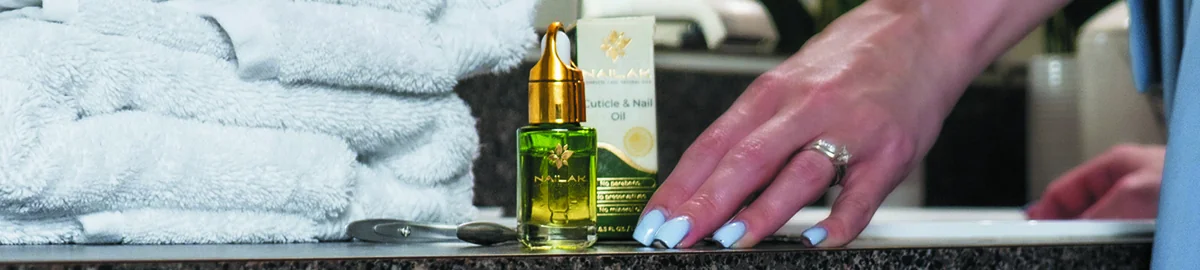
Quick Summary: Stop nail splitting by reducing water and chemical stress, hydrating and sealing daily, shaping gently, and supporting nail keratin with proven ingredients and smart lifestyle tweaks.
Why Nails Split in the First Place
A split nail (often called onychoschizia) is usually a story of stress and dryness. The nail plate is made of flattened keratin cells layered like shingles. Repeated swelling and drying—from long showers, frequent handwashing, harsh cleaners, or cold air—forces those layers apart. Think of a wooden floorboard expanding and shrinking with humidity; over time, tiny separations appear.
Common culprits include:
- Water exposure without protection.
- Alcohol-heavy sanitizers and acetone-based removers used too often.
- Over-filing or using rough, back-and-forth motions.
- Picking at gel or polish, which can peel away superficial nail layers.
- Nutrient gaps, especially low iron, zinc, or inadequate protein intake.
Nails don’t “breathe,” but they do exchange moisture. The goal isn’t to keep them constantly wet or perpetually dry. It’s flexible resilience: hydrated keratin sealed with lipids, protected from yo-yo cycles that push layers apart. When you learn how to prevent nail splitting, you’re essentially learning how to support that delicate moisture-lipid balance while reducing daily insults.
Daily Habits That Protect Keratin
Your hands are busy. Make protection easy and automatic. The nail plate responds to small, consistent changes more than big, occasional ones.
Three non-negotiables
Wear gloves for wet work.
Washing dishes, cleaning, gardening—if water or detergents are involved, gloves are a must. Less water means fewer swell-shrink cycles.Moisturize and seal twice a day.
A drop of oil on each nail, then a dab of cream or balm over the top. Oil hydrates the plate; cream seals it in. Think “oil first, occlusive second.”Keep nails short and softly rounded.
Shorter nails distribute daily forces more evenly. A gentle oval or squoval reduces corners that catch and split.
A 7-minute nightly routine
- Step 1: Wash hands briefly with lukewarm water and a mild, pH-friendly soap. Pat dry.
- Step 2: Massage a lightweight oil (jojoba or squalane) into nails and cuticles for 60 seconds.
- Step 3: Follow with a richer hand cream. If your skin is very dry, press a thin layer of petroleum jelly or a waxy balm over the nail tips to “cap” them.
- Step 4: If you wear polish, refresh the tip “seal” by gently wrapping a base coat or strengthening top coat over the free edge once every 2–3 days.
These habits sound simple because they are. The challenge is consistency, not complexity. Set a reminder or keep your oil on the nightstand so the routine becomes muscle memory.
Smart Hydration: Oils, Creams, Occlusives
Nail keratin loves water—but not drowning. The most effective hydrators draw moisture in and then keep it there.
Layer for lasting moisture
- Penetrating oils: Jojoba and squalane mimic skin’s natural lipids and sink in quickly without heavy residue. Sweet almond and sunflower seed oil are also excellent for daily massage.
- Humectants: Look for hand creams with glycerin or hyaluronic acid. They pull water into the nail surface and surrounding skin.
- Occlusives: Seal with petrolatum, shea butter, beeswax, or lanolin. This layer slows evaporation so hydration stays where you need it.
- Gentle keratolytics (optional): Low levels of urea (5–10%) soften rough cuticle without over-thinning the nail plate. Reserve higher strengths for clinician guidance.
Timing matters. Hydrate when nails are slightly damp—after washing, after a shower, or after a quick spritz of water. Then oil, then cream. In dry climates or winter, repeat midday. If you use nail polish, treat moisture like a primer: oil a few hours before painting, not right before, to avoid adhesion issues.
A note on removers: Acetone works fast but can be drying. Non-acetone removers take longer, which can mean more rubbing. Whichever you choose, minimize frequency, work quickly, and follow with oil and cream immediately.
File, Trim, and Shape Like a Pro
Filed well, your nails resist splitting. Filed poorly, they fray. Technique matters more than tools.
Shaping rules that protect edges
- Choose the right grit. Use a fine file (240–320 grit) or a glass/crystal file. Coarse files tear layers.
- File in one direction. Short, smooth strokes from side to center prevent microtears. Avoid sawing back and forth.
- Round the corners slightly. A soft oval or squoval reduces stress on edges where splits often begin.
- Buff sparingly. A light pass with a very fine buffer can seal microflaking at the tip. Don’t over-buff; you’ll thin the plate.
- Don’t cut cuticles. They’re a living seal protecting the nail root. Gently push them back after a warm soak and moisturize instead.
For an at-home “edge seal,” use this quick sequence every 7–10 days:
- Clip minimal length, if needed, with sharp straight-edge clippers.
- File shape in one direction, then lightly glide the file along the free edge to smooth.
- Dab oil along the edge and massage. Wait a few minutes.
- Optional: Apply a thin layer of a strengthening top coat that wraps the tip.
If your nails are already splitting, trim to remove the weak area and start fresh. Resist the urge to “peel off” a split; it will travel deeper.
Ingredient Guide for Stronger Nails
Your bathroom shelf can work harder for you. Look for specific ingredients that support the nail’s moisture and structure.
- Jojoba and squalane: Penetrate well and help re-lipidize the nail surface.
- Glycerin: A workhorse humectant that hydrates the plate and surrounding skin.
- Panthenol (pro-vitamin B5): Improves flexibility and imparts a smoother feel.
- Phospholipids and ceramide analogs: Support the lipid layer that slows moisture loss.
- Dimethicone: A lightweight silicone that reduces snagging and friction without suffocating the nail—remember, nails don’t need to breathe.
Supplements: what we know
- Biotin: For brittle nails, 2.5 mg daily has shown improvements in nail thickness and reduced splitting in small studies. It isn’t a magic bullet, but it can help if you’re deficient. Note: Biotin can interfere with certain lab tests; tell your clinician if you take it.
- Protein: Nails are keratin. Aim to meet your daily protein needs to give your body the building blocks for growth.
- Iron and zinc: Low levels can contribute to brittle nails. If you suspect deficiency, ask your clinician about testing rather than self-supplementing.
- Collagen peptides: Emerging evidence suggests they may support nail growth and reduce breakage for some people. Consider them a supportive, not standalone, strategy.
- Omega-3s: Help maintain skin and nail barrier health, especially in dry climates.
When to see a pro
If you have persistent splitting with ridging, pitting, color changes, or pain, consult a dermatologist. Underlying issues like psoriasis, eczema, thyroid imbalance, or anemia may be at play—and treating the root cause is the real answer to how to prevent nail splitting in those cases.
Lifestyle Tweaks for Work and Play
Nails don’t live in a vacuum; they live in your day. A few micro-tweaks can save your edges.
- Keep a mini hand cream and oil in your bag. Use after every handwash.
- Type with your fingertips, not the nail edge. The difference is millimeters, but it matters.
- In the gym, wash chalk off promptly and rehydrate nails after. Chalk is drying.
- During cold months, wear gloves outside. Cold air is dehydrating; protect your hands like you protect your face.
- Avoid using nails as tools. Use a card or the edge of a spoon to lift tabs and stickers.
Seasonal busy-ness can amplify wear and tear. When your schedule fills with dinners and gatherings, it helps to simplify beauty decisions. One style writer’s holiday checklist suggests leaning into a small, mix-and-match wardrobe so getting dressed feels effortless—an approach that mirrors a streamlined nail routine: fewer steps, done well, on repeat. A minimal, reliable ritual remains consistent even when your calendar isn’t. (source: https://puttingmetogether.com/holiday-style-checklist-easy-holiday-outfits/)
If you love polish, adopt a protective rhythm:
- Two weeks on, one week off for bare-nail care.
- Switch to a flexible base coat that includes conditioners.
- Never peel polish; remove gently, then oil and seal.
Hydrated hands, protected nails, consistent care—these are the quiet habits that prevent splits while you live your life.
Self-Trust, Confidence, and Care
There’s a certain confidence that comes from reaching for a glass, signing your name, or pinning up your hair without thinking about your nails. Strong doesn’t mean thick or flashy. It means flexible, smooth, and ready for whatever the day hands you.
This is the real promise behind learning how to prevent nail splitting: you build trust with yourself. Small, steady habits reinforce that you’re worth the extra minute of care. Your hands tell that story every time they move through light—a soft sheen, sealed edges, the comfort of knowing you’ve got a routine that supports you.
Let the ritual be a reminder: your well-being thrives on gentle consistency. A little oil, a little patience, and a lot of grace.
Frequently Asked Questions (FAQ)
Q: What’s the fastest way to stop a split from getting worse?
A: Trim the nail to remove the weakened area, file in one direction to smooth the edge, then apply a flexible top coat that wraps the tip. Finish with oil and a balm to seal. Avoid water-heavy tasks without gloves for 24 hours to prevent the split from spreading.
Q: Do nail hardeners help or can they make splitting worse?
A: Many hardeners rely on formaldehyde derivatives that create rigidity. That can backfire by making nails more brittle. If you use a hardener, choose one labeled “flexible” or “conditioning,” and pair it with daily oil. Flexible strength is better than stiffness.
Q: How to prevent nail splitting in winter specifically?
A: Winter air is dry and indoor heat pulls moisture from nails. Wear gloves outdoors, moisturize after every handwash, and add an occlusive “cap” (like petroleum jelly) to your tips at night. Shorter length plus a protective base coat also helps reduce edge stress in cold weather.
Q: Which oil is best for brittle, splitting nails?
A: Jojoba and squalane are standouts because they penetrate well and feel light. Sweet almond or sunflower seed oil are excellent budget-friendly options. Whatever you choose, the real magic is frequency: massage a drop into each nail twice daily, then seal with a cream.
Estimated word count: 2020