
Nail Oil Benefits vs Polish: What Your Nails Need
It starts on a Tuesday morning that smells like citrus soap and fresh coffee. You flip your phone over and spot your calendar: back-to-back meetings, a dinner squeeze-in with a friend, and a mental note to rebook that hair appointment you cancelled last month. It’s not a big day, but it’s a full life kind of day—where the smallest choices shape how you carry yourself.
At the edge of your desk sits a tiny glass bottle of nail oil you keep promising to use. Next to it, a bottle of pale beige polish you love because it makes your hands look a little more composed on camera. Your nails are clean but dull from the weekend’s dishwashing and a too-long shower; the cuticles are a touch ragged. You can almost feel the paper snag waiting to happen.
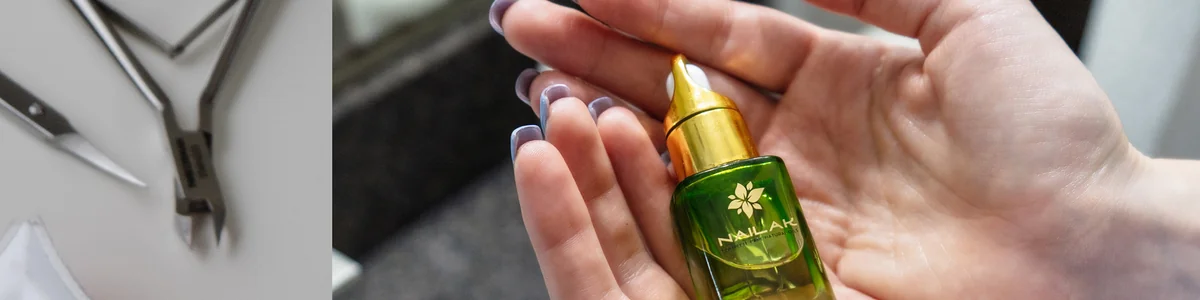
You twist the oil cap. A whisper of sweet almond and something green drifts up. You trace the dropper along your cuticles, tiny beads catching the light. The oil glides in; you massage for ten quiet seconds per finger, and your hands seem to exhale. The dry, whitish edges soften. The skin looks alive again. You pause, watching the sunlight lift a soft sheen from your nails, and the thought lands: maybe it’s not the color that makes your nails look healthy. Maybe it’s the health that makes any color look better.
Still, the polish is tempting. A single swipe promises instant polish—literally. But you know how it goes: color first, care later, and then a week of peeling, a whiff of remover, and the cycle repeats. It’s not that polish is the villain. It’s that polish plays dress-up while oil does therapy.
You grab a cuticle pusher. It’s not about perfection, you tell yourself; it’s about consistency. A brief ritual you can fold between Zooms, like lip balm or water breaks. You decide to oil now, polish tonight. A small choice, a practical plan. And somehow, it makes the whole day feel steadier.

Quick Summary: Nail oil benefits vs polish comes down to therapy vs styling—oil strengthens, hydrates, and prevents breaks, while polish protects and decorates; together, they’re powerful when you use each for what it does best.
Nail oil vs polish: the real difference
Let’s be honest: both have a place. But they do fundamentally different jobs.
- Nail oil is skincare for your nails and surrounding skin. It nourishes the nail plate and cuticles with lipids that restore flexibility and reduce brittleness.
- Nail polish is a cosmetic coating. It adds color, sheen, and a thin protective film, but it doesn’t moisturize or repair.
Inside the nail: why hydration matters
Your nails are layered keratin plates woven like shingles. When those layers get dehydrated—through frequent handwashing, harsh removers, or cold weather—they become rigid and brittle. Nail oil restores lipids between those layers, increasing flexibility. Flexible nails bend instead of snap.
This is why oil reduces peeling and breakage over time. It doesn’t “strengthen” by making nails harder; it strengthens by making them less likely to crack.
Surface care: what polish excels at
Polish shields the nail surface from environmental wear, adds a smooth look, and can hide ridges. Some base coats also provide a mild barrier that slows water loss. But polish isn’t nutrition—it’s armor. It can’t reverse dryness. In fact, removal solvents can add to dryness if you don’t counter with oil.
Think of it this way: oil conditions the fibers; polish coats the fabric.
The deeper benefits of nail oil
Nail oil’s benefits go beyond “soft cuticles.” Used consistently, oil becomes the quiet hero of nail resilience and comfort.
- Flexibility that prevents cracks: Healthy nails have a bit of bend. Oils reintroduce that tiny flexibility so everyday taps, typing, and laundry don’t cause micro-fractures that lead to breaks.
- Fewer hangnails and smoother cuticles: Nourished eponychium (that tidy skin at the base of your nail) lies flat, protecting the matrix underneath. No ragged edges catching on sweaters.
- Reduced peeling and splitting: Lipids fill micro-gaps, helping layers adhere better. Over time, your nail plate feels denser and less “papery.”
- Better-looking bare nails: Hydrated nails reflect light naturally. Even without polish, they look glossy and healthy.
- Longer-lasting manicures: Ironically, oil helps polish wear better—when used at the right times. Well-hydrated nails flex with daily use, so color chips less.
- Comfort during seasons or stress: In winter, heated rooms steal moisture. After travel or illness, you might see more peeling. Oil gives your nail plate the cushion it needs to bounce back.
- Gentle support for “grow-out” phases: If you’re recovering from gels or over-buffing, oil calms the brittleness and supports the nail as it grows out.
Here’s the secret: you’ll notice a small difference after one use, but the magic shows up after two weeks of daily consistency. The nail plate grows slowly; give your care time to catch up.
What polish can—and can’t—do
Polish absolutely earns its place. It elevates, protects the surface, and can guard against minor environmental wear. But understanding its limits keeps your nails safer.
What it does well:
- Instant cosmetic payoff and a professional finish.
- A light barrier to staining (especially with a base coat).
- Smoother-feeling tips that snag less on fabric.
What it can’t do:
- Rehydrate a dry nail plate.
- Replace cuticle care.
- Prevent solvent-related dryness during removal.
A few nuances:
- “Strengthening” polishes often make nails feel harder, not healthier. Older formulas used formaldehyde derivatives; modern versions lean on film-formers like nitrocellulose or crosslinkers like dimethyl urea. Strong can mean brittle if you skip oil.
- “Breathable” polish is marketing shorthand; nails don’t breathe. They do exchange small amounts of water. The real issue is overall hydration and gentle removal.
- Gel polish isn’t the sole culprit for damage—aggressive removal and picking are. If you wear gels, oiling before bedtime and after removal is non-negotiable.
In beauty, we’re often choosing between fast optics and long-term care. That same tension appears everywhere—skin, hair, and nails—so it helps to ask what you want most today, and what you want most over time.
Speaking of choices, beauty editors often compare high-tech options to demystify results versus expectations. One recent explainer contrasted two non-invasive skin-tightening treatments, noting how each promises lift with different mechanisms and timelines. The takeaway? Know the tool, then match it to your goal—just like choosing nail oil for therapy and polish for style. (source: https://www.beautifulwithbrains.com/tempsure-envi-vs-ultherapy/)
When to choose oil, polish, or both
You don’t have to pick sides. You just need a plan.
Choose mostly oil if:
- Nails peel, split, or break easily.
- Cuticles are frayed or tender.
- You’re recovering from gels, acrylics, or frequent removals.
- You prefer the clean, satin look of bare nails.
Choose mostly polish if:
- You want instant polish for an event or work.
- Your nails are in good condition and you’ll remove color gently.
- You’re using a protective base coat to prevent staining.
Choose both if:
- You want the best long-term results without giving up color.
A simple framework:
- Rehydrate first. Use nail oil twice daily for 7–14 days. Focus on cuticles and under the free edge.
- Before polish, pause. Avoid oil for 2–4 hours before painting, or cleanse nails with isopropyl alcohol to remove surface oils.
- After polish dries, resume oil. Apply to cuticles and sidewalls, not the polish surface, to keep the nail plate hydrated.
- Remove gently. Use acetone with added glycerin (or follow with oil immediately), and never scrape or peel.
- Rest, then repeat. Give nails a bare day weekly if you can, with extra oil that evening.
Micro-routines for real life:
- The commuter: Keep a click-pen oil in your bag. One hand at a red light, the other in the parking lot.
- The parent or multitasker: Oil at bedtime after face cream. It becomes part of your wind-down.
- The minimalist: Every handwash, a tiny dot of oil before you grab your towel. Small doses, big results.
How to use nail oil like a pro
Make the habit easy, not perfect. A tiny daily ritual beats a rare spa day.
Daily rhythm:
- Morning: Massage a drop into each cuticle after washing your face. You can almost feel the roughness melt.
- Midday: Reapply if you’ve washed or sanitized often.
- Night: Spend 60 seconds on massage. This stimulates circulation near the matrix—the growth center—while the oil does its slow work.
Technique that matters:
- Target the edges. Run a dot under the free edge and into the sidewalls. That’s where splits start.
- Massage, don’t just paint. Heat and pressure help oils penetrate and soften quickly.
- Layer smartly. If hands are very dry, add a thin balm or hand cream after oil to seal it in.
Timing with polish:
- Before painting: Avoid fresh oil on the nail plate. Wait a few hours or wipe with alcohol/acetone so polish can adhere.
- After painting: Apply oil daily to cuticles and the underside of tips. It won’t dull the finish and it protects the nail plate.
Quick wins you’ll actually keep:
- Keep oil where you live: desk, nightstand, car, bag.
- Choose a fast-absorbing texture like jojoba or squalane for daytime.
- Use scent as a cue. A comforting aroma turns a task into a treat.
Mistakes to avoid
- Oiling right before polish application. It can cause lifting.
- Over-buffing. A smooth nail is nice; a thinned nail is fragile.
- Undiluted essential oils. They can irritate; keep them minimal or skip.
- Skipping the skin. The eponychium protects the matrix; nourish it, don’t cut it.
Ingredients that actually work
You don’t need a complicated formula. You need a few great oils that mimic the skin’s natural lipids and absorb well.
Workhorse oils:
- Jojoba oil: Technically a wax ester, it resembles skin’s sebum and absorbs quickly. Wonderful for daily use.
- Squalane: Lightweight, stable, and non-greasy. Great daytime choice and ideal for sensitive skin.
- Sweet almond oil: Cushy, rich in vitamin E, excellent for rough cuticles.
- Hemp seed or evening primrose oil: Brimming with linoleic acid to support the barrier and soothe.
- Vitamin E (tocopherol): An antioxidant that helps stabilize blends and supports skin repair.
Power buddies:
- Lanolin (if you’re not vegan): Superb at sealing in moisture for nighttime.
- Ceramide-rich plant oils (like wheat germ) or cholesterol-containing balms: Help replenish the barrier around the nail folds.
What to be cautious about:
- Strong fragrance or heavy essential oils near sensitive skin.
- “Miracle” hardeners used daily. Save them for short cycles and keep oil in the mix.
- Alcohol-heavy removers without follow-up moisture.
DIY blend idea (simple, effective):
- 2 parts jojoba oil
- 1 part squalane
- 1 part sweet almond oil
- A few drops vitamin E as an antioxidant Mix in a small roller or dropper bottle. Patch test on one finger before daily use.
Shopping shorthand:
- If your days are busy: squalane-jojoba blends sink fast.
- If your cuticles crack: add almond or a touch of lanolin at night.
- If you love gels: carry a pen-style oil for cuticle care between appointments.
A tiny ritual, bigger confidence
There’s a reason that ten seconds of oil can shift your mood. It’s not just about nails. It’s about telling yourself that care is allowed in the margins—that you don’t need a free Saturday to feel composed. Nail oil benefits vs polish isn’t a moral choice; it’s a matching game. On the days you need speed, polish steps up. On the days you’re building something steadier, oil keeps the foundation soft and strong.
You catch your hands later—typing, waving, holding a glass—and notice they look at ease. It’s the subtlest kind of confidence, the kind that hums instead of shouts. Small rituals do that. They make room for you.
Frequently Asked Questions (FAQ)
Q: Can nail oil replace polish? A: It can replace what polish can’t do—hydration, flexibility, and comfort. If you love color or want a protective film, keep polish in rotation. The sweet spot is oil daily, polish when you want the look.
Q: How often should I apply nail oil for real results? A: Aim for 2–3 times daily for two weeks, then maintain at least once daily. Nighttime massage brings the biggest payoff because it pairs with your skin’s natural repair cycle.
Q: Will nail oil make my polish lift or chip? A: Not if you time it right. Avoid oil for 2–4 hours before painting or cleanse the nail plate with alcohol. After polish sets, oil the cuticles and underside of tips daily to reduce chips.
Q: Does nail oil make nails grow faster? A: It won’t speed growth from the matrix, but it helps you keep the length you grow by reducing breaks and splits. That often looks like “faster” growth because less length is lost.
Q: Which ingredients should I avoid in nail care? A: Avoid irritants near the nail folds, like heavy fragrance or undiluted essential oils. If you’re sensitive, be cautious with formaldehyde resin in some polishes. Whatever you wear, pair it with daily oil to keep the nail plate balanced.
Estimated word count: ~1,980 words.