
Best Cuticle Oil for Dry Nails: Editor’s Guide
The kettle clicked off as the late afternoon light slipped across your kitchen tile. You pressed your hands around the warm mug, trying to thaw the chill that settled in from walking home without gloves. Then it happened—the catch of a tiny hangnail on your favorite knit sleeve. That small snag sent a little spark of irritation through an otherwise gentle moment. You rubbed your thumb over your cuticles and felt it: tightness, rough edges, a dullness that makes nails look tired no matter how polished the rest of you feels.
On the counter sat a tiny glass bottle you almost forgot you owned. The label was faded, but you remembered the first time you’d used it—how the oil felt silky, how your nails looked instantly softer, and how you kept glancing at your hands afterward like they belonged to someone who always had it together. You twisted the cap, tipped the dropper, and let one glistening bead land at each nail base. The scent rose—something calm and clean, like citrus water with a hint of jasmine. With slow circles, you massaged oil into the skin that protects your nails’ most delicate area, and the stiffness gave way to a quiet glow.
You can almost feel the smoothness spread. The pale crescents at your cuticles drink in the moisture like a plant after rain. A minute later, the rough edges soften. Those little tears don’t look so urgent anymore. You sip your tea and think about how often small acts make the biggest difference—how the best cuticle oil for dry nails isn’t just a product but a ritual that resets the tone of your day.
Maybe you remember your grandmother keeping a tiny bottle in her nightstand, rubbing almond oil into her hands before bed while telling stories. Or the friend who always has perfect manicures, even though she says she barely has time for anything. The secret is rarely big. It’s consistent attention with the right ingredients. It’s choosing a finish that makes you feel put together on a Wednesday afternoon. It’s that “I’ve got myself” feeling, distilled into a drop.
Let’s be honest: dry cuticles can throw off your whole vibe. They make polish chip faster, catch on clothes, and feel raw and uncomfortable. They’re also a sign of stressors—frequent handwashing, indoor heat, harsh sanitizers, and the dry air that seems to follow us from office to rideshare to sofa. You deserve a soft buffer between your day and all that wear. You deserve a formula that feels chic, works fast, and respects your skin.
Here’s the good news. We’re about to unpack what makes the best cuticle oil for dry nails, how to choose one that suits your lifestyle, and how to use it so you actually see results. Tiny bottle, big impact.
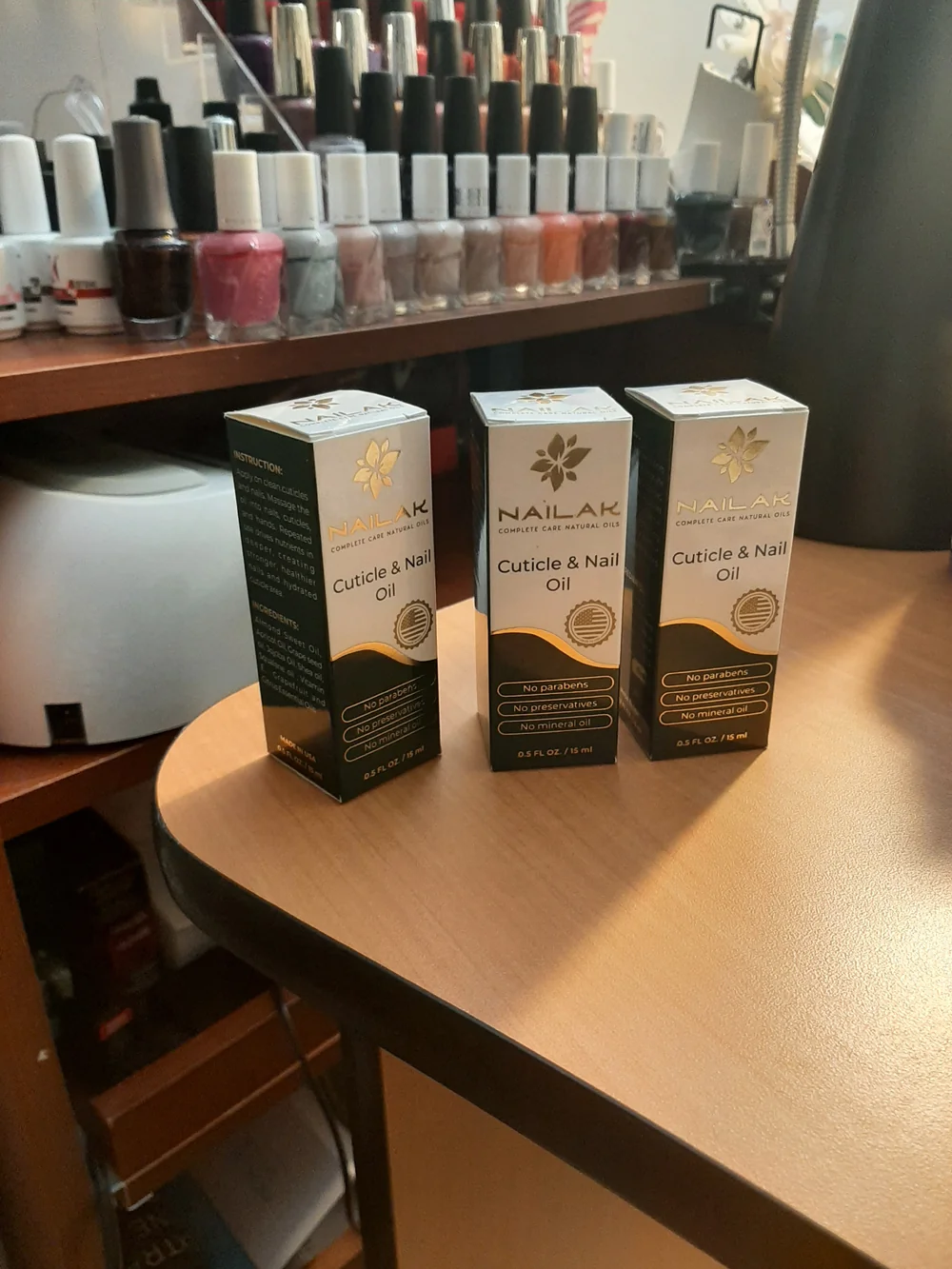
Quick Summary: Learn how to choose and use the best cuticle oil for dry nails—by ingredients, texture, and daily habits—so your hands stay soft, glossy, and polished every day.
Why cuticle oil matters
Nails don’t live in isolation. They grow from a living matrix protected by that thin band of skin we call the cuticle. When cuticles are dry, they split. When they split, you invite irritation and the kind of snagging that makes you swear in public.
Cuticle oil is more than shine. It’s a blend of lipids that replace what daily life strips away. It cushions the delicate skin at the nail base and helps keep your nail plate flexible. Flexible nails don’t crack as easily. They bend, recover, and look smoother under polish.
Here’s the secret: consistent lubrication supports the seal between the nail plate and the skin. That seal is your protection zone. Keep it nourished and you’ll see fewer hangnails, better polish wear, and a soft, healthy-looking rim around each nail. It’s the difference between “my manicure is hanging on by a thread” and “I woke up like this.”
What dries out nails and cuticles
Dryness has many culprits. Knowing yours helps you pick the best cuticle oil for dry nails.
- Frequent handwashing and sanitizers: Necessary, yes. But surfactants and alcohol dissolve protective oils.
- Seasonal shifts: Winter air outside and heated air inside form a dehydration duo.
- Hot showers and dishwater: Heat swells and dehydrates the nail plate, creating long-term brittleness.
- Harsh removers and repeated gel/acrylic cycles: Solvents and mechanical removal strip lipids.
- Low humidity home or office: Constant airflow from vents quietly dehydrates skin and nails.
- Diet, stress, and sleep: Internal balance shows up at your fingertips. When you’re depleted, your nails know.
If two or more of these are your reality, you’re a prime candidate for a richer, more occlusive cuticle oil and more frequent application.
Best cuticle oil ingredients
If you’re scanning labels wondering what truly works, start here. The best cuticle oil for dry nails balances penetration, nourishment, and a light occlusive finish.
Jojoba oil
- Texture: Lightweight, fast-absorbing.
- Why it works: It’s structurally similar to skin’s natural sebum, helping to replenish without greasiness.
- Best for: Daytime use, frequent reapplication, oily-prone skin around nails.
Squalane
- Texture: Silky, dry-touch.
- Why it works: Stable, non-irritating emollient that strengthens the moisture barrier.
- Best for: Sensitivity, minimal scent preferences, layered under hand cream.
Vitamin E (tocopherol)
- Texture: Slightly thicker when used alone; often blended.
- Why it works: Antioxidant support and lipid protection; helps condition skin.
- Best for: Nighttime rituals and recovery after gel removal.
Sweet almond oil
- Texture: Medium, cushiony glide.
- Why it works: Rich in fatty acids that soften rough edges and reduce flaking.
- Best for: Daily maintenance, massage, and a touch of natural sheen.
Apricot kernel oil
- Texture: Lightweight, gentle.
- Why it works: Soothes while delivering subtle nourishment; friendly for sensitive skin.
- Best for: Beginners and fragrance-free preferences.
Coconut fractionated oil (MCT)
- Texture: Light, clear, glidey.
- Why it works: Smooth slip and softening; plays well with other oils.
- Best for: Pens and roll-ons that need a clean, non-staining finish.
Bonus boosters to love
- Ceramides: Reinforce barrier and reduce water loss.
- Bisabolol: Calming component from chamomile; great for irritated cuticles.
- Plant esters and waxes: Add a whisper of occlusion without a greasy film.
If a formula blends jojoba, squalane, and vitamin E—plus a soothing agent—you’re in expert territory.

How to choose the best cuticle oil
Your lifestyle, not just your nails, should guide your pick. The best cuticle oil for dry nails is the one you’ll actually use.
Format
- Dropper bottle: Great for nighttime or desk use; delivers precise droplets.
- Brush-on: Feels familiar to polish users; easy for on-the-go touch-ups.
- Pen with felt tip: Low-mess at your laptop, in your car, or in your clutch.
- Rollerball: Spa-like glide; perfect for gentle pressure and quick absorption.
Texture
- Choose light and fast-absorbing for daytime.
- Choose richer and slightly occlusive for bedtime recovery.
- If you wash hands often, opt for a balanced blend that doesn’t feel sticky.
Scent
- Unscented or naturally scented oils work best for sensitive skin.
- If fragrance lifts your mood, citrus or soft floral notes can turn habit into ritual.
Packaging
- Dark glass protects delicate oils from light.
- Pens and rollers are leak-resistant for bags and pockets.
Budget
- Judge value by ingredients and price per milliliter.
- Simple, high-quality single-ingredient oils can be as effective as luxe blends.
Skin considerations
- If you’re acne-prone, avoid heavier, comedogenic oils migrating to the face.
- Patch test if you have nut allergies; almond-based blends may not suit you.
Quick tips:
- Keep a pen at your desk and a dropper by your bed. Habits follow convenience.
- For brittle nails, look for jojoba + vitamin E as an everyday duo.
- If your cuticles tear easily, choose a formula with bisabolol or ceramides.
- Track results for two weeks. You should see fewer snags and a smoother nail rim.
How to use cuticle oil for results
Consistency beats perfection. Aim for small, repeatable moments.
Daily rhythm:
- Morning: After washing, dab a tiny drop at the base of each nail. Massage in for 20–30 seconds.
- Midday: Reapply after sanitizer or dishwashing. Think of it as putting your “seal” back on.
- Night: Use a richer layer. Cap with hand cream to lock it in for deep repair.
Massage technique:
- Circle at the cuticle, then swipe along the sidewalls.
- Pinch your fingertip and roll gently to nudge circulation toward the nail matrix.
- Keep pressure light. You’re smoothing, not stretching the skin.
Pro move: Layering
- Oil first to replenish lipids.
- Hand cream second to add humectants and light occlusion.
- If you’re very dry, add a thin top layer of balm on the cuticle line only.
Polish and gels:
- Yes, you can apply cuticle oil over polish, shellac, or gel.
- It won’t lift the product. It actually helps prevent micro-cracks and extends shine.
- For fresh manicures, apply oil once the top coat is fully dry.
What not to do:
- Don’t cut living cuticle tissue. If needed, soften with oil and gently push back after a warm shower.
- Don’t over-scrub. Abrasive tools can create micro-tears that worsen dryness.
- Don’t wait for pain. Apply oil at the first sign of tightness.
Seasonal nail care and events
When winter arrives, everything dries—skin, hair, mood. Nails are no exception. Turn up your oil routine during cold months and carry a pen in your coat pocket. Before holiday travel or long flights, apply a richer layer and slip on cotton gloves overnight. You’ll wake to soft, photo-ready hands.
Style note: Winter brings a wave of formal events, from black-tie weddings to elegant galas. Your nails are part of the outfit—subtle, but telling. Planning textures and colors becomes easier when your cuticles are calm and conditioned, and your polish lasts longer when the nail plate isn’t dehydrated. Trend watchers are already mapping winter dress codes and glam cues for evening events—think satin, velvet, and polished finishes. Treat your hands like accessories that tie everything together. (source: https://www.dressforthewedding.com/what-to-wear-to-a-winter-formal-wedding-or-event/)
Travel and routine:
- Pack a brush-on oil in your clutch or carry-on.
- Airplane air is arid; reapply mid-flight.
- Post-sanitizer, give each nail a quick tap of oil. It takes ten seconds.
Event-eve recovery:
- The night before, do a warm water soak for 3–5 minutes.
- Pat dry, apply cuticle oil, wait two minutes, then seal with cream.
- If polishing, wipe the nail plate with remover first so oil doesn’t interfere with adhesion.
A small ritual, a big shift
We tend to treat our hands as tools, not storytellers. Yet they carry groceries, answer messages, soothe children, clap for friends, and hold our own hearts when days feel heavy. Caring for them is not vanity. It’s presence.
The best cuticle oil for dry nails is less about logistics and more about loyalty. A drop after you wash the dishes. A minute before bed. That pause is where calm sneaks in. You feel texture change under your fingertips. You notice your breath. Your hands look loved, and strangely, so do you.
There’s a quiet power in polishing what the world sees every day. Soft cuticles and a glossy nail edge telegraph care. They whisper, “I pay attention,” even when life is loud. Keep the little bottle where you’ll reach for it, and let that simple act become your steady reset—grace in the time it takes to hum your favorite line.
Frequently Asked Questions (FAQ)
Q: How often should I apply cuticle oil?
A: For dry nails, start with 2–3 times a day. Morning and night are non-negotiable. Add a midday touch-up after washing or sanitizer. You should see smoother edges within a week.
Q: Can cuticle oil help my nails grow faster?
A: It won’t speed biological growth, but it can reduce breakage and splitting. That means you keep more of what you grow, so nails appear to grow longer, faster.
Q: What’s the best cuticle oil for dry nails if I wear gel polish?
A: Choose a lightweight blend with jojoba and squalane plus vitamin E. It nourishes without dulling gel shine and helps prevent dehydration from removals. Apply daily, even over gel.
Q: Is hand cream the same as cuticle oil?
A: They’re teammates, not twins. Oils replenish lipids and soften the cuticle seal. Creams add water-binding humectants and a protective layer. For very dry nails, use both—oil first, cream second.
Q: Which ingredients should sensitive skin avoid?
A: If you’re sensitive, skip strong fragrances and check for potential allergens like nut oils. Start with unscented jojoba or squalane and patch test before daily use.
Estimated word count: ~1950 words.