
Cuticle Oil for Peeling Nails: Restore and Shine
The snag catches you by surprise. One second you’re sliding into your favorite knit sweater, the next you feel that tiny, unforgiving tug. A whisper of nail catches on the cuff, and then—there it is. Another little peel, a pale crescent lifted from the edge of your nail. You pull your sleeve down to hide it without thinking, the way we tuck away tired things when we’re in a rush.
You notice it more lately. The way winter air bites. The way frequent handwashing leaves your fingers tight and chalky. The way your gel polish looks perfect until it doesn’t, until you’re rubbing cuticles that feel like paper. It’s not vanity. It’s that your hands are busy all day—typing, washing, fixing, caregiving—and you want them to feel like your own again. You want them to look the way you feel on your best days: put together, soft, capable.
On the bathroom shelf sits a tiny glass bottle you almost forgot you owned. Cuticle oil. It smells faintly of warm almonds, or maybe citrus, depending on the blend. You roll the applicator across your nail bed and watch the surface glow. It’s a tiny act, barely a minute, but you can almost feel the smoothness returning as you massage the oil in small, slow circles. The peel doesn’t vanish, but it stops getting worse. The hangnail softens. Something quiet inside you exhales.
Let’s be honest: peeling nails can feel embarrassing. They catch on clothes. They split when you finally want a simple, clean manicure. They make it difficult to commit to color because you’re worried about removal. Yet there’s a small secret here, and it fits in your palm. Cuticle oil for peeling nails isn’t just a finishing touch. It’s a rescue plan. A daily ritual that hydrates, seals, and helps your nail plate bend instead of break. One drop can’t erase months of dryness, but it can start the repair.
You can rebuild resilience. You can restore shine without relying on salon miracles. And you can do it in a way that feels like care, not another item on a to-do list. This is the part where you reclaim your hands—not by hiding the damage, but by coaxing them back to health with a steady routine that works.
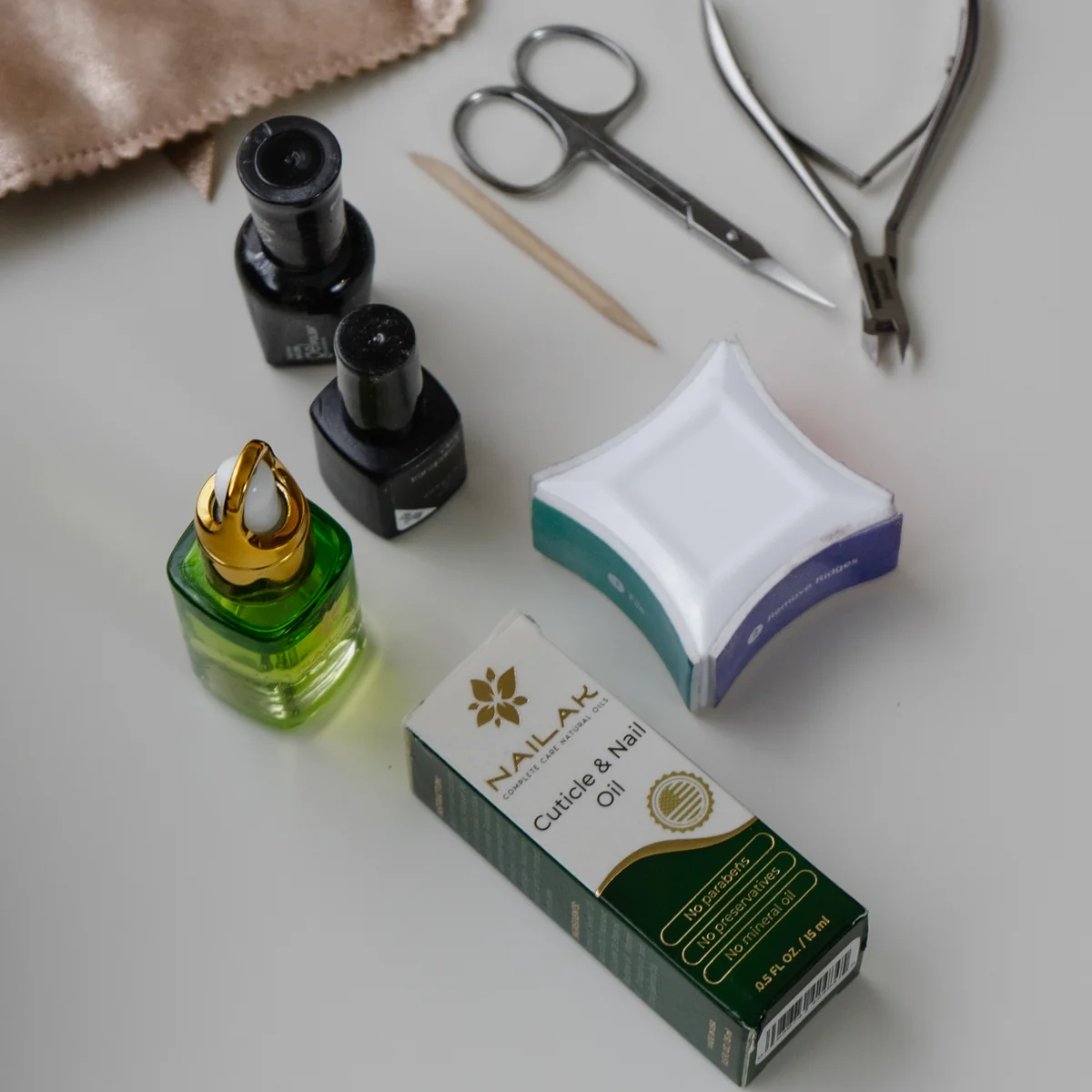
Quick Summary: Learn how to use cuticle oil for peeling nails to rehydrate, seal fragile layers, and build stronger, smoother nails—without complicated routines.
Why nails peel in the first place
Peeling nails often come down to one core issue: water and solvent imbalance. Nails are made of layered keratin cells. When those layers swing between overhydrated and parched—think constant handwashing followed by drying air—they separate and fray.
Common culprits:
- Frequent washing or sanitizer use that strips natural lipids.
- Harsh removers, especially acetone, used often or for long soaks.
- Picking off gel or acrylics, which lifts the top layers of the nail plate.
- Low humidity and winter air that pull moisture from nail and skin.
- Mechanical wear, like using nails to open packages or scrape labels.
- Nutritional gaps, lack of essential fatty acids, or dehydration.
When nails lose flexibility, they crack. When cuticles dry, they tear and expose new growth to irritation. The goal is to restore moisture and seal it in, so nails flex instead of peel.
What cuticle oil actually does
Cuticle oil is more than shine. It’s a targeted blend of emollients and occlusives that soften skin, fill tiny gaps between keratin cells, and slow water loss.
Here’s the science in simple terms:
- Emollients (like jojoba, avocado, and squalane) slip between cells and soften the nail plate, improving flexibility.
- Occlusives (like natural waxes and heavier oils) create a light seal, reducing transepidermal water loss so moisture stays put.
- Antioxidants (like vitamin E) help shield lipids from oxidative damage, keeping the nail surface smoother for longer.
With consistent use, cuticle oil rehydrates the nail matrix, the tiny growth area beneath the cuticle that sets the tone for your future nail. Healthy matrix, healthier growth. You’ll see fewer ragged edges, fewer splits, and a calmer cuticle line. That means polish wears better, natural nails feel stronger, and your manicure lasts.
Choosing the right cuticle oil
Not all oils are equal, and your nails will tell you what they need if you listen.
What to look for:
- Jojoba oil: A wax ester that closely mimics skin’s sebum; penetrates well and sinks in quickly.
- Squalane: Lightweight, non-greasy, excellent for daily wear and layering under hand cream.
- Sweet almond or apricot kernel: Gentle, nutrient-rich emollients that soften stubborn dry patches.
- Avocado oil: Heavier, great for nighttime repair.
- Vitamin E (tocopherol): An antioxidant that stabilizes oils and supports barrier lipids.
If you’re sensitive, keep fragrance and essential oils low. Essential oils can be lovely in tiny amounts, but high concentrations may irritate compromised cuticles. If your nails are peeling badly, simplicity wins.
Two helpful blends:
- Daytime: jojoba + squalane + a touch of vitamin E for fast absorption.
- Nighttime: avocado or olive-derived squalane layered with a balm for deeper occlusion.
Ingredient spotlight
- Jojoba: Helps soften the cuticle and conditions the nail without greasiness.
- Squalane: Feather-light, ideal under polish and for frequent reapplication.
- Evening primrose: Rich in gamma-linolenic acid, soothing for inflamed cuticles.
- Shea butter (in a balm): Occlusive topper that locks oil in place overnight.
On the wellness front, multitasking natural products are having a moment. You’ll even see bentonite clay trending for face and scalp detox masks—proof that simple ingredients can be powerful when used thoughtfully. It’s a reminder that small, targeted tweaks—like a nightly drop of cuticle oil—can create big changes over time (source: https://www.faithful-to-nature.co.za/blog/ftn-new-bentonite-clay/?utm_source=rss&utm_medium=rss&utm_campaign=ftn-new-bentonite-clay).
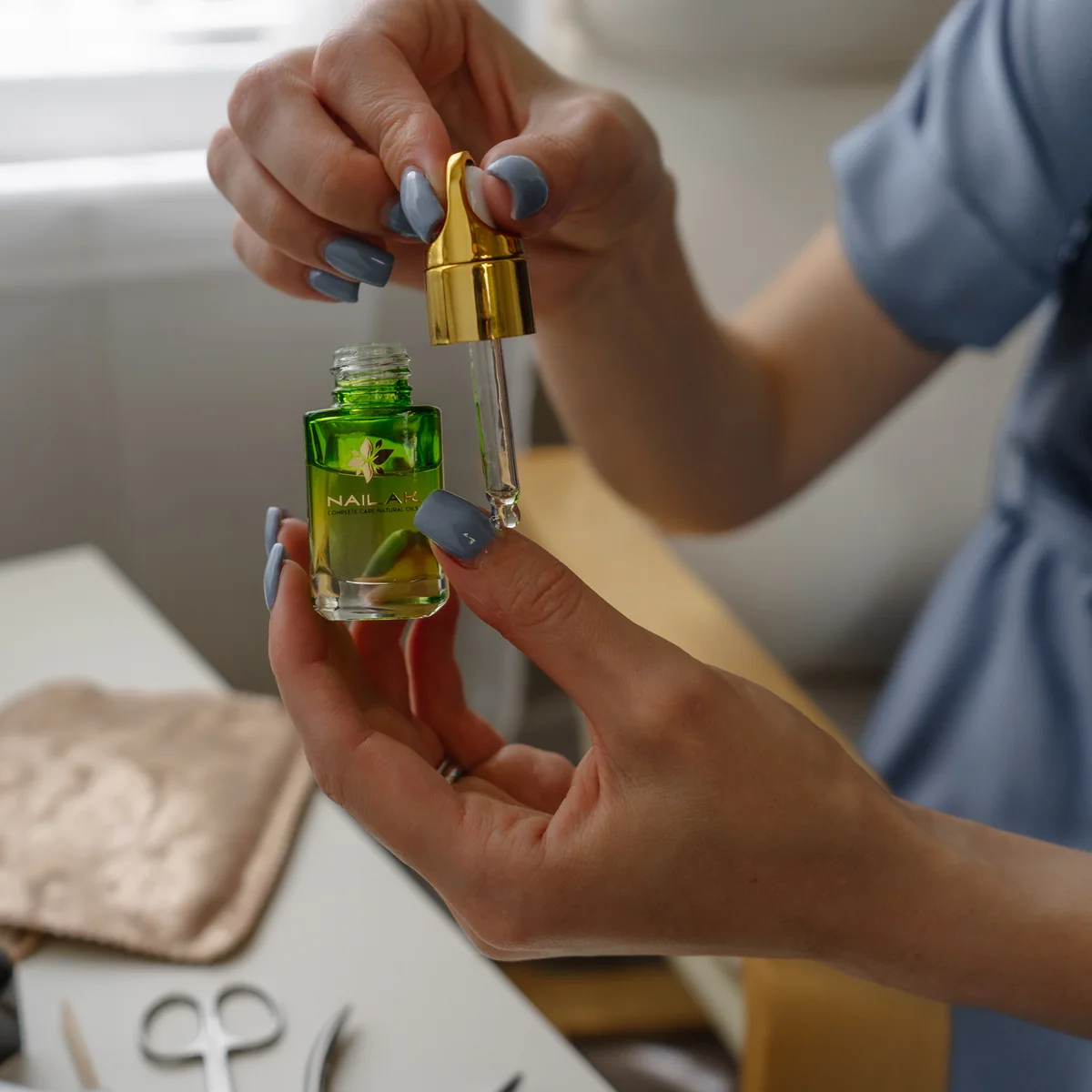
How to use cuticle oil for peeling nails
Consistency is the make-or-break factor. One drop today is nice. One drop every day is transformative.
Follow this simple routine:
- Warm the skin. After a shower or handwash, pat dry but leave a touch of moisture.
- Apply one small drop per nail. Focus on the cuticle line and sidewalls.
- Don’t forget the underside. If you have any free edge, swipe oil beneath to coat the exposed layers.
- Massage for 30–60 seconds. Gentle circular motions help the oil penetrate and stimulate blood flow to the matrix.
- Seal with hand cream. Oil first, then cream to lock it in.
Frequency:
- Minimum: twice daily (morning and night).
- If peeling is active: add a midday application, especially after sanitizer use.
- Before polish: apply a thin layer, wait 20 minutes, cleanse the plate lightly with alcohol before painting to avoid adhesion issues.
- Over polish: yes, you can. Oil the cuticles and sidewalls, not the polished surface.
A 7-day reset to calm peeling:
- Days 1–2: Oil 3 times a day + cotton gloves for 30 minutes at night.
- Days 3–4: Keep nails short, round the corners with a fine file, oil after every handwash.
- Days 5–6: Add a balm at night over oil; avoid polish removers and harsh cleaners.
- Day 7: Gentle buff only if needed to remove lifted flakes; oil immediately after.
Small upgrades that compound:
- Keep a mini bottle by the sink and another in your bag.
- Add a reminder to your phone for an afternoon drop.
- Pair oiling with something you already do—after brushing teeth or finishing your skincare.
Lifestyle tweaks that protect nails
Oil helps most when your habits support it. A few realistic upgrades go a long way.
Protect your barrier:
- Wear gloves for dishes, cleaning, and garden errands.
- Keep nails short while they’re healing to reduce leverage and peeling.
- File in one direction with a fine grit to avoid micro-tears.
Be gentle with polish:
- Avoid peeling off gel or wraps; book proper soak-offs or take your time at home.
- Choose acetone only when necessary, and follow with immediate oil.
- Skip hardeners with formaldehyde if you’re prone to peeling; they can make nails brittle.
Hydration and nutrients:
- Drink water consistently; nails reflect overall hydration.
- Include healthy fats—like olive oil, nuts, and seeds—to support barrier lipids.
- Biotin can help some people, but it isn’t magic. A balanced diet matters more.
- Consider a humidifier beside your bed in dry seasons; your nails love ambient moisture.
A note on hand sanitizer: Alcohol dries quickly and strips lipids. Keep oil or cream nearby. Apply oil after sanitizer has evaporated to replenish what was stripped.
Troubleshooting peeling nails
Sometimes you need to adjust. Here’s how to pivot with purpose.
If peeling won’t calm down:
- Increase oil to three times daily and add an overnight balm occlusion.
- Use a “rescue wrap” twice a week: oil + thick balm + cotton gloves for an hour.
- Trim and gently file off any lifted bits to prevent further catching. Never rip.
If you wear gels or press-ons:
- Build a recovery week between sets: no enhancements, daily oil, and a hydrating base coat only.
- Avoid aggressive buffing; it thins the plate and encourages peeling.
- Consider structured manicures that add support but can be removed cleanly by a pro.
If you suspect an allergy:
- Sensitivity to acrylates or certain fragrances can inflame the nail folds.
- Patch test your cuticle oil on your inner arm for 24 hours.
- Simplify your routine to fragrance-free basics for two weeks.
When to see a professional:
- If peeling is severe, painful, or accompanied by pitting, discoloration, or thickening.
- If you notice changes after starting a new medication.
- If you see signs of infection around the nail folds.
A quick decision guide
- Dryness after washing? Lightweight oil like jojoba or squalane.
- Chronic peeling edges? Nighttime avocado oil + balm occlusion.
- Inflamed cuticles? Fragrance-free formula with vitamin E and evening primrose.
- Busy schedule? Brush-pen applicator to use on the go.
The quiet ritual of repair
There’s a certain peace in tending to the small things. The drop of oil. The soft circles of massage. The breath you didn’t realize you were holding. Cuticle oil for peeling nails isn’t just a product—it’s a pause. It’s the simple ritual that says, “I’m worth a minute.”
When your nails feel smooth, you move differently. You reach out more. You stop worrying about snags and start focusing on your day. This is what self-care looks like in real life: tiny habits that restore confidence. One drop at a time, your hands remember their strength—and so do you.
Estimated word count: ~2,060 words
Frequently Asked Questions (FAQ)
Q: How often should I apply cuticle oil for peeling nails? A: Aim for twice daily as a minimum—morning and night. If your nails are actively peeling or you use sanitizer often, add a midday application. Consistency matters more than the exact time of day.
Q: Can cuticle oil really stop my nails from peeling? A: Yes, when used consistently. Cuticle oil softens the nail plate, reduces water loss, and improves flexibility so layers are less likely to split. It won’t fix existing peels instantly, but it helps prevent new ones and supports smoother growth.
Q: What’s the difference between cuticle oil and hand cream? A: Cuticle oil is for targeted nail and cuticle care—its molecules penetrate better into the nail plate. Hand cream moisturizes skin broadly and creates a protective layer. Use oil first for nails, then seal with cream for the best results.
Q: Can I use kitchen oils like olive oil instead of cuticle oil? A: In a pinch, yes—olive oil can soften dry cuticles. However, specialized cuticle oils with jojoba, squalane, and vitamin E absorb better, feel less greasy, and provide more consistent results for peeling nails.