
How Often to Apply Cuticle Oil for Healthy Nails
The train window fogs as the city wakes. You reach into your bag for headphones and brush against a tiny glass bottle. Later, at your desk, you twist the dropper and sweep a glimmer of oil around your thumbnails. The scent is clean and faintly botanical. You take a breath, massage for a few seconds, and watch your cuticles soften almost on cue. Suddenly your hands look cared for, not rushed. The feeling lingers longer than your coffee.
Maybe your day started with a chipped polish edge, a hangnail that snagged your sweater, or that papery tightness after too many pumps of sanitizer. It’s such a small thing—skin at the base of your nails—but it holds the line. The cuticle seals out bacteria, helps protect the nail matrix where growth begins, and keeps everything looking tidy. And when it’s dry, your whole manicure looks tired.
That’s why cuticle oil is more than a shiny finishing touch. It’s a daily micro-ritual. The question most of us ask, though, isn’t whether to use it; it’s how often to apply cuticle oil for results you can see and feel—not greasy, not high-maintenance, and not complicated.
Picture quick moments built into a real day: after you wash your hands, before bed, during the show you always watch with a face mask on. Those tiny touchpoints build strength and flexibility into your nails. They keep polish from cracking, calm frayed edges, and reduce the urge to pick. They also feel soothing, like a minute you gave back to yourself.
Let’s get practical, warm, and precise. If you’re here for a calendar-worthy answer, you’ll have it. If your life is too full for complicated routines, you’ll get ideas that fit. We’ll talk about climate, manicures, skin sensitivity, and yes—what to do when you’re traveling or living at the sink with a newborn. Your hands tell your story every day. With a little oil and a rhythm that works, it’s a story of ease and care.
Quick Summary: Most hands thrive with cuticle oil 2–3 times a day—especially after washing and before bed—adjusting for climate, handwashing, and manicure type.
Why your cuticles matter
The cuticle is not just “extra skin.” It’s a thin, protective seal where your skin meets the nail plate. When hydrated, it lies flat and smooth, protecting the delicate nail matrix from bacteria and irritation. When dry, it frays, lifts, and cracks—hello hangnails and peeling edges.
Hydration is structural here. Oils like jojoba and squalane mimic the skin’s natural lipids, improving flexibility. Flexible nails bend and spring back; dry nails snap and split. For polish wearers, moisturized cuticles keep manicures looking fresh longer by preventing micro-cracks around the edges.
And the psychology matters too. Well-moisturized cuticles reduce the urge to pick. One minute of massage can interrupt a habit loop while you nourish the tissue that needs it most.
How often to apply cuticle oil
Here’s the short, sensible answer to how often to apply cuticle oil: for most people, 2–3 times a day is the sweet spot. Think post-wash, mid-day touch-up, and before bed. But frequency is personal. Use these cues to dial it in.
Baseline rhythm: morning and night
- Morning: After your hand cream, press a small drop around each nail and massage for 15–30 seconds.
- Night: Apply generously and massage. Nighttime is prime repair time.
After washing or sanitizing
- Water, soap, and alcohol strip lipids. Reapply a whisper of oil each time you notice tightness or a whitish cast to the cuticle. For frequent washers (healthcare, food service, new parents), you might reapply 4–6 times a day in micro-doses.
Climate check
- Cold, dry air and hot, dry office heat call for more. In winter, 3–5 light applications a day can prevent cracks. In humid climates, twice daily may be enough.
Manicure maintenance
- Traditional polish: apply oil after polish is fully dry to keep the cuticle flexible and prevent chipping at the edges.
- Gel/dip/acrylic: oil at least twice daily to counteract salon prep and acetone dryness.
For brittle or peeling nails
- Start with a 7–14 day “hydration reset”: apply oil 3–4 times daily, then taper to twice daily. Combine with a weekly overnight occlusive layer (more on that below).
Post-workout or swim
- Chlorine, sweat, and frequent showers strip natural oils. Reapply once after each session.
If you prefer rules you can stick on the bathroom mirror, use the “3 Touchpoints Rule”:
- After your first handwash of the day,
- Mid-afternoon when your hands feel tight,
- Every night before sleep.
You can’t exactly “overdo” cuticle oil, but you can waste product. If nails or skin feel slick for longer than a minute, you’re likely using more than you need. A bead per nail is plenty; more frequent, tiny doses beat one gloopy layer.
Customize by lifestyle
Your routine should follow your day, not fight it. Match how often to apply cuticle oil with a schedule that feels effortless.
Desk and laptop days
- Keep a brush-pen oil at your keyboard. Swipe once after lunch and once around 4 p.m. The tiny massage is also a break for tense shoulders.
Healthcare, food, or education
- Pair oil with sanitizer: sanitize, let dry, then dot oil around each nail. Four micro-swipes per shift reduce cracks and hangnails without mess.
New parent or caregiver
- Place a rollerball oil at the sink and another by the feeding chair. Reapply after diaper changes and at bedtime. One-handed application tools help.
Gym-goer, swimmer, or outdoor runner
- Leave oil in your gym bag. Apply after you wash your hands post-workout. Chlorine especially demands an extra touch.
Frequent traveler
- Cabin air dehydrates skin fast. Use a TSA-friendly mini at takeoff and before landing. Hydrated cuticles mean fewer hangnails mid-trip and a manicure that lasts through your itinerary.
Nail biters or skin pickers
- Use oil as a habit interrupt. When you feel the urge, dot and massage for 30 seconds. The slickness makes picking less satisfying, and the massage satisfies the fidget reflex.
The point is to treat oil like lip balm: small, regular, on-hand. Your nails will reflect the consistency more than the brand.
Choose the right cuticle oil
Not all oils feel the same—or act the same. Choose based on texture, absorption, and your skin’s sensitivity.
Star ingredients
- Jojoba oil: biomimetic, penetrates well, non-greasy.
- Squalane: lightweight, fast-absorbing, great for daytime.
- Sweet almond or avocado oil: a touch richer, comforting in winter.
- Vitamin E (tocopherol): antioxidant support; look for low to moderate levels if you’re sensitive.
Fragrance and essential oils
- Fragrance can be delightful but irritating for some. If your skin reacts easily, choose fragrance-free or formulas with minimal essential oils.
Pen, brush, or dropper?
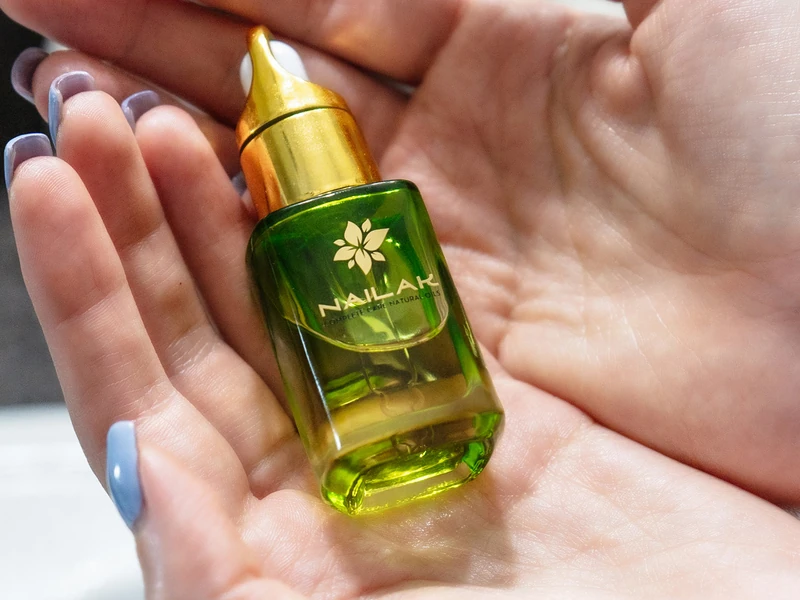
- Brush pens are office-friendly and precise. Droppers deliver richer doses for bedtime. Rollerballs make one-handed application easy.
DIY option
- Mix 70% jojoba with 30% squalane and a few drops of vitamin E. Keep it simple and fragrance-free if you’re sensitive.
Shelf life and care
- Store away from heat and sunlight. Use within 6–12 months for best performance. If it smells off, replace it.
Compatibility with polish
- Oil before polish can sabotage adhesion. The safer move: cleanse the nail plate with remover or alcohol before painting, then resume oil after polish cures or dries.
Apply it the right way
Technique matters more than we think. It’s not just painting on shine—it’s massage, timing, and layering.
The 30-second method
- Apply a tiny bead at the base of each nail.
- Use your thumb to push the bead around the sidewalls and cuticle line.
- Massage in circular motions for 15–30 seconds per hand to increase circulation and encourage absorption.
- Finish by pressing the pad of your finger along the cuticle to smooth any lifted edges.
Layer with hand cream
- If you’re using a water-based hand cream, apply it first to hydrate. Then seal with oil around the cuticles to lock in moisture. At night, reverse is fine: oil first, then a richer cream to wrap it in.
Timing with polish
- Traditional polish: oil after it’s fully set. Avoid slicking the nail surface if polish is still soft.
- Gel or dip: once cured, oil the surrounding skin immediately and daily afterward.
- Press-ons: keep oil off the nail plate for 24 hours before application; afterward, oil only the skin, not under the tip.
When to reapply
- Look for these signals: skin looks chalky-white, cuticle feels tight or rough, hangnail edges appear. A micro-drop is your fix.
As a beauty trend note, skincare is full of clever hybrids—think highlighting serums that bridge makeup and treatment, leaving skin dewy while actively hydrating. The same “treat and finish” mindset works for nails: a cuticle oil can be both care and cosmetic sheen, layered thoughtfully like a serum under your moisturizer. (source: https://blog.glowrecipe.com/what-is-a-highlighting-serum/)
- Weekly deep treatment
- Once a week, flood your cuticles with a richer oil or balm at night, then slip on cotton gloves for 30–60 minutes (or sleep in them). This reduces peeling and lets drier sidewalls catch up.
Manicures, gels, and extensions
Different enhancements change prep and wear—but hydration rules stay the same.
Gel polish
- Salon prep and acetone removal dehydrate the nail and surrounding skin. Apply oil daily during wear and twice daily for 3–5 days after removal. This helps the natural nail flex instead of peel.
Dip powder
- Dip formulas can feel rigid. Daily oil prevents micro-cracks around the edges and keeps the cuticle from lifting. Reapply after every handwash if you’re prone to hangnails.
Acrylics or builder gel
- The enhancement isn’t alive, but the skin around it is. Oil morning and night, plus quick dots after washing to prevent the tight, itchy dryness that tempts picking at the lift line.
Traditional polish
- Oil keeps the perimeter flexible, which reduces edge chipping. Avoid oiling the nail plate before painting; cleanse with remover, paint, let dry fully, then oil the cuticle line.
Press-ons and glue tabs
- Oil-free prep is key. Keep oil off the nail plate for at least a day before application. After they’re secure, oil around the cuticle only. This keeps the look fresh without loosening adhesive.
Salon etiquette
- Bring your own pen if you prefer a certain formula. If your tech uses nippers, ask for minimal trimming. Well-hydrated cuticles need less cutting in the first place.
A ritual for confidence
There’s a quiet confidence in hands that look cared for. Not perfect—cared for. Cuticle oil is a small habit with outsized benefits, like flossing or sunblock. You notice fewer snags on sweaters. Your polish lasts longer. Your hands photograph better without trying. But the real change is how you feel when you reach for a glass, sign your name, or tuck hair behind your ear.
Let’s be honest: life is busy. A twice-daily swipe is doable. Add one more moment after a heavy wash day, and you’ve mastered how often to apply cuticle oil for your world. Keep a pen in your bag, a bottle by your bed, and a tiny ritual you can do in under a minute. Little by little, those minutes collect into resilience—skin that recovers faster, nails that bend without breaking, and a quiet reminder that care doesn’t have to be complicated to be beautiful.
Frequently Asked Questions (FAQ)
Q: How often to apply cuticle oil if I wear gel polish? A: Aim for at least twice daily—morning and night—and add a quick micro-application after handwashing. Gel prep dehydrates skin, so consistency prevents tightness, hangnails, and edge cracking.
Q: Will cuticle oil make my polish chip or lift? A: Not if you time it right. Avoid oil on the nail plate before painting. After traditional polish fully dries or gel cures, apply oil to the surrounding skin and cuticle line to extend wear.
Q: Can I overuse cuticle oil? A: You can’t damage nails with frequent oiling, but you can over-apply product. Small, regular doses absorb better than a thick layer. If your skin stays slick for minutes, use less, more often.
Q: What’s the best time to apply cuticle oil? A: Nighttime is the most restorative. Pair it with hand cream before bed, then add quick post-wash swipes during the day. That rhythm covers both deep repair and daily protection.
Estimated word count: ~2,030 words