
Cuticle Oil for Cracked Cuticles: Your Rescue Plan
The air was so dry that morning you could hear winter in the radiator’s soft hiss. I pressed a mug of lemon water to my lips, feeling the warmth fog my glasses, and glanced down at my hands. Everything else looked fine—hair in a loose knot, sweater draped just right—but my cuticles told the truth. Tiny crescents of skin lifting near the corners. A thin white ridge over my ring finger where last night’s dishwashing stripped away every trace of moisture. A small sting where a hangnail had snagged on my coat.
It’s funny how your hands keep a quiet diary of your life. The sudsy marathon of holiday dishes, the sudden temperature swings from subway to sidewalk, the hours tapping on a keyboard under office AC—you can read it all in those delicate borders of skin. Even if you’re meticulous with your manicures, cracked cuticles have a way of showing up when the week gets busy, when the weather decides to be stubborn, when you forget to be gentle with yourself.
That morning I did something small. Not a full overhaul. Not a 15-step ritual. I reached for a little bottle of cuticle oil sitting next to the sink like a promise. I rolled it along each nail, watched as the oil pooled then disappeared under a slow, firm massage. The scent was soft—neroli and something nutty—and within a minute the skin looked less angry. The ragged edges smoothed down as if someone ironed them. I took a breath. The scrape of wool cuffs eased. I felt more polished, even though I hadn’t changed a thing about my outfit.
Later, on the train, I noticed other hands holding the same metal pole—red knuckles, a rebellious hangnail, chipped polish here and there. We were all carrying our days at our fingertips. It made me think about how often we chase the big glow-ups and forget the tiny rituals that carry us through: drinking water between meetings, adding a minute of breath before a tough call, rolling cuticle oil after washing our hands.
Cracked cuticles aren’t just a cosmetic hiccup. They tug at your sleeves and your mood, turning little moments into micro-irritations. But the fix doesn’t have to be complicated. With the right cuticle oil, a few smart habits, and a calmer approach, your hands can get back to feeling like you—capable, soft, and confidently ready for the day’s details.

Quick Summary: This guide shows how to choose and use cuticle oil for cracked cuticles, soothe damage fast, and build simple habits that keep your hands comfortable and polished.
Why cuticles crack
Cuticles are tiny but mighty. They’re the seal between your nail plate and the skin, guarding against bacteria and moisture loss. When that seal dries out or gets disturbed, the skin frays and cracks, leaving you vulnerable to hangnails, soreness, and even infection.
Common culprits:
- Frequent handwashing and sanitizers. Great for hygiene, hard on skin.
- Dry indoor heat or cold, windy weather.
- Detergents and household cleaners.
- Over-trimming or aggressive pushing at manicures.
- Dehydration and low dietary fats.
- Constant friction—keyboards, rock climbing, even gym grips.
Here’s the secret: you can’t bully cuticles into behaving. Cutting them down or over-pushing only worsens the break in the barrier. Rehydration is the kinder path. That’s where cuticle oil for cracked cuticles shines. It refills the lipids in the skin’s barrier, slipping into the spaces between cells like mortar between bricks. Oils mimic the natural sebum your body produces (especially those with a similar molecular structure), so skin recognizes them and softens instead of resisting.
While heavy creams and butters are lovely, oil reaches the tiny folds and edges more easily. It delivers calming ingredients precisely where your cuticles need them and then locks in comfort when you add an occlusive layer on top. The result: smoother borders, fewer snags, less temptation to pick, and nails that grow with a healthy, protected base.
What makes a great cuticle oil
Not all oils wear the same on your hands. The best cuticle oil for cracked cuticles is lightweight enough to absorb quickly, rich enough to soften, and simple enough to avoid irritation. Think of it like a serum for your nails: targeted, concentrated, and designed to penetrate.
Look for:
- Jojoba oil: Structurally similar to natural skin oils; excellent slip and absorption.
- Squalane: Ultra-stable, non-greasy, and soothing for sensitive skin.
- Sweet almond or apricot kernel oil: Comforting and vitamin-rich.
- Rosehip or evening primrose oil: Fatty acids that support barrier repair.
- Vitamin E (tocopherol): Antioxidant that helps keep oils stable and skin cushioned.
Nice-to-have boosters:
- Bisabolol or calendula extract for calm.
- Ceramides for barrier support (more common in creams, but some oils include them).
- Vegan lanolin alternatives to enhance softness without heaviness.
If your cuticles are cracked and sensitive:
- Avoid high concentrations of essential oils or heavy fragrance. A drop can be fine; too much can sting.
- Skip strong actives like high-dose AHAs on the cuticle zone.
- Patch test by dabbing a little oil on one nail fold and waiting an hour.
Packaging matters for lifestyle:
- Brush or pen applicators are mess-free for on-the-go care.
- Rollerballs feel spa-like but can dispense more product than you need.
- Dropper bottles are cost-effective for home and nighttime routines.
Here’s a quick formula template you can DIY if you love a project:
- 50% jojoba oil
- 30% sweet almond or apricot kernel oil
- 15% squalane
- 5% vitamin E and a single drop of lavender or chamomile (optional, keep it minimal)
How to use cuticle oil for cracked cuticles
Technique elevates results. Think of application as a micro-massage that coaxes comfort back into the skin.
Try this:
- Clean slate. Wash hands with a gentle, low-suds cleanser. Pat dry.
- Apply a drop or swipe around each nail, especially the corners where splits start.
- Massage for 30 seconds per nail. Work the proximal fold (the band at the base) and the sidewalls. You can almost feel the skin relax as the oil warms.
- Seal if needed. At night, add a thin layer of occlusive—shea butter, lanolin, or petrolatum—over the oil. This prevents moisture from escaping while you sleep.
- Repeat 3–5 times a day at first. After washing dishes, after sanitizer, before bed. Tiny, frequent doses outperform a weekly flood.
Extra care moves:
- Gentle pushback only after a warm shower, using a soft, rounded tool or even a damp cotton swab. Never force it.
- Don’t cut live cuticle tissue. Snip only the dead, lifted hangnail at the base with sterilized nippers—one clean cut to avoid tearing.
- Wear lightweight nitrile gloves for cleaning and dishwashing. Oil your cuticles before you put them on for a mini spa effect.
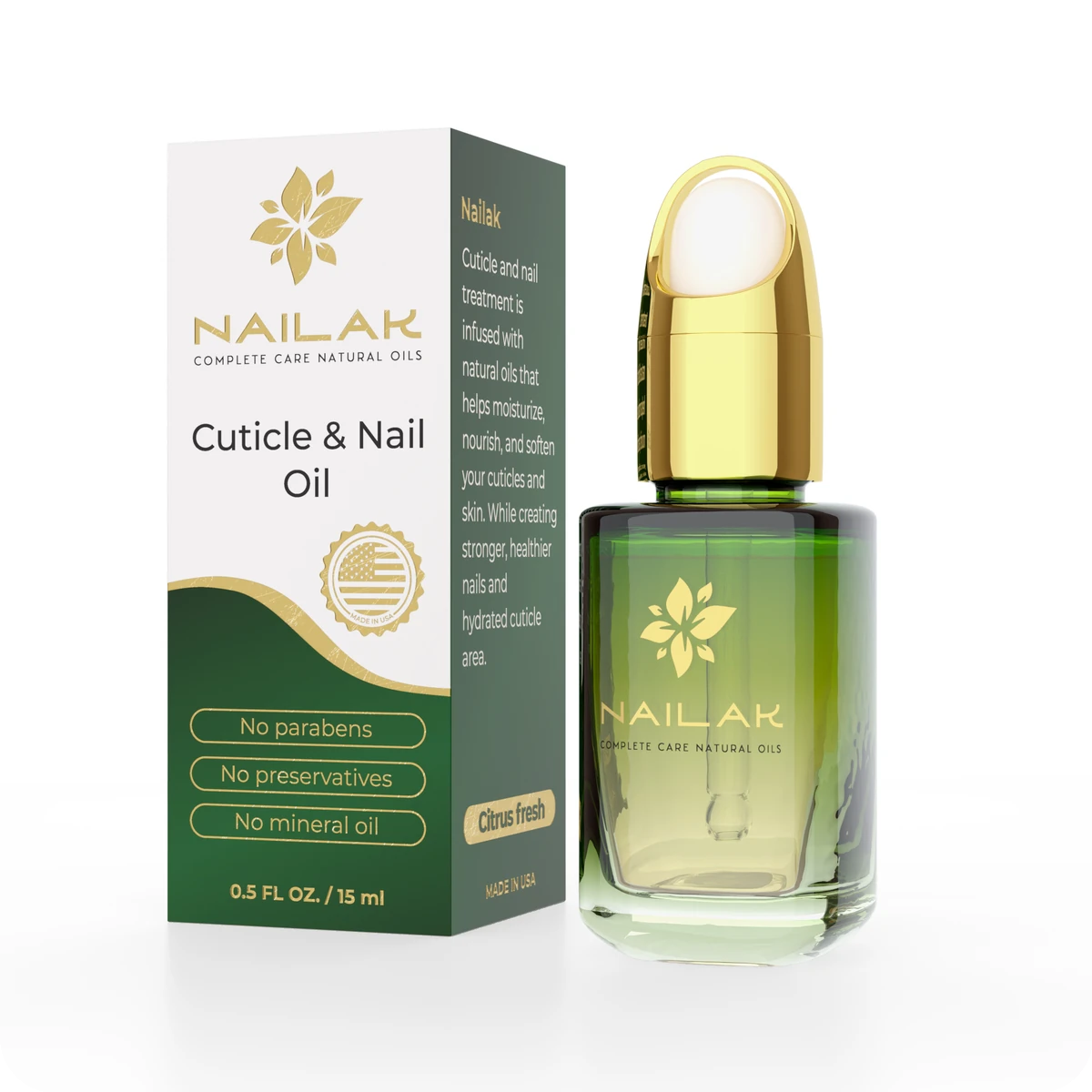
Let’s be honest—habits are easier when they piggyback on what you already do. Keep a pen applicator on your desk, another in your bag, and the dropper by your bed. That way, moisture meets your hands where life happens.
A 7-day recovery plan
You’ll see changes fast with cuticle oil for cracked cuticles, but a week of consistency transforms the landscape around your nails.
Day 1: Reset
- Trim only frayed hangnails.
- Apply oil 5 times, massaging thoroughly.
- Add a nighttime occlusive layer.
Day 2: Calm
- Oil after every handwash.
- Go fragrance-free to avoid sting.
- Wear gloves for chores.
Day 3: Strengthen
- Introduce a richer nighttime oil blend if you’re very dry.
- Keep daytime layers light to avoid residue.
Day 4: Maintain
- Reduce to 3–4 oil applications if soreness fades.
- Add a quick 60-second warm compress before bed to boost absorption.
Day 5: Protect
- File nails to a smooth edge to reduce snagging.
- Keep a mini pen in your pocket or wallet for micro-swipes.
Day 6: Nourish
- Up your hydration: water, herbal tea, or brothy soups.
- Include healthy fats: salmon, walnuts, olive oil. Your skin reflects your plate.
Day 7: Ritualize
- Choose a minute each night for hands-only care—oil, massage, breathe.
- Take a photo before and after. The difference will keep you committed.
By the end of seven days, cracks soften, redness fades, and the fidgety urge to pick calms down. Your nails will look glossier without polish because the surrounding skin is moisturized and even.
Pairing oil with daily habits
Cuticle oil works best when it’s woven into the fabric of your day. Think of these habit pairings like friendly reminders your future self will thank you for.
Anchor points:
- After hand sanitizer. Alcohol is necessary; oil is the antidote.
- Before putting on gloves for cleaning or commuting in the cold.
- During emails or calls—30 seconds per hand adds up.
- Bedside ritual. Massage while your screen time winds down.
If you travel or commute often, airplane cabins and train heating systems sap moisture. Pack a brush-pen oil to swipe without mess. If you’re working out, keep a pen in your gym bag and apply post-sanitizer. Small nudges, big comfort.
Sometimes it helps to remember that pros under pressure rely on tiny routines, too. During awards-season crunch, hairstylists and colorists juggle back-to-back clients and harsh products, and you’ll hear as much about Olaplex as about survival snacks. The point isn’t the product; it’s the strategy—protect, repair, repeat when the schedule gets wild. That mindset translates beautifully to your cuticles on busy weeks: do less, but do it often. (source: https://intothegloss.com/2025/03/tracey-cunningham-meche-celeb-colorist-oscars-diary/)
Micro-habits that help:
- Keep a small, fragrance-free oil at your sink.
- Label-train yourself to check for jojoba and squalane first.
- Pair oil with one deep breath for each nail. It centers you.
- Replace your dish sponge with a brush and wear gloves. Less friction equals fewer tears.
When to switch formulas or seek help
Most cracked cuticles respond beautifully to regular oiling. But bodies are unique, and sometimes skin asks for a tweak.
Consider switching formulas if:
- You still feel tightness after 3–5 days of consistent use. Try a richer blend or add a nighttime occlusive.
- You notice redness after application. Fragrance or essential oils may be the culprit; go fragrance-free.
- You dislike residue. Choose squalane-forward or fast-absorbing oils.
Add a barrier cream on top of oil if you work with paper, textiles, or in cold outdoor settings. The extra layer reduces friction and traps moisture where you want it.
Call a pro if:
- There’s swelling, warmth, or pus (possible infection).
- Pain persists for more than a week despite gentle care.
- You have a recurring split in the same spot; a dermatologist can assess for eczema or contact dermatitis.
A safer manicure protocol:
- Ask your tech not to cut live cuticle tissue.
- Request a gentle pushback after soaking, and insist on sanitized tools.
- Bring your own oil and finish with a massage—your hands, your rules.
Ingredients that love your hands
Sometimes it’s easier to shop by ingredient instead of brand names. Here’s a comforting cheat sheet for selecting cuticle oil for cracked cuticles.
Best-for-most:
- Jojoba oil
- Squalane
- Sweet almond oil
- Apricot kernel oil
- Vitamin E
For very dry, rough cuticles:
- Avocado oil
- Rosehip oil
- Evening primrose oil
- A dab of lanolin or a plant-based occlusive at night
If you’re sensitive:
- Keep it simple. One to three ingredients, max.
- Skip citrus and mint essential oils.
Texture preferences:
- Light and fast: squalane + jojoba
- Velvet-soft: sweet almond + vitamin E
- Night repair: jojoba + rosehip + occlusive top layer
And don’t overlook storage. Keep oils away from sunny windows and high heat so they stay fresh and effective.
A quiet ritual for confidence
The loveliest thing about a cuticle oil routine isn’t the shine. It’s the way your hands feel more like allies than afterthoughts. When cracked cuticles stop snagging sweaters and stinging under sanitizer, your day loses a dozen tiny friction points. You gesture more freely. You reach for the pen without second-guessing. There’s a hush of comfort you carry into conversations, emails, errands.
Self-care is rarely dramatic. It’s a thumb circling the base of each nail while you wait for the kettle to click. It’s choosing gloves before you scrub the pan. It’s remembering that softness isn’t fragile—it’s resilient because it’s cared for. Every time you pick up cuticle oil for cracked cuticles, you’re choosing gentleness over perfection. And that choice, repeated, becomes a kind of quiet confidence that goes with you everywhere.
Frequently Asked Questions (FAQ)
Q: How often should I apply cuticle oil for cracked cuticles? A: Start with 3–5 times daily for the first week, especially after handwashing or sanitizer. Once your skin feels supple and smooth, maintain with 1–2 applications a day, plus a richer nighttime layer if the weather is dry.
Q: Which ingredients heal cracked cuticles fastest? A: Jojoba and squalane absorb quickly and replenish lipids, while vitamin E cushions and helps stabilize the blend. For deeper dryness, add rosehip or evening primrose at night and seal with a thin layer of shea butter, lanolin, or petrolatum.
Q: Can I use cuticle oil with gel or acrylic nails? A: Yes—and you should. Oil supports the surrounding skin and can reduce lifting by keeping the cuticle area flexible. Use a light oil (jojoba + squalane) daily, massaging carefully around, not under, enhancements.
Q: Is it better to cut or push back cuticles? A: Avoid cutting live cuticle tissue. Gentle pushback after a shower is safer and maintains the protective seal. Only trim dead, lifted pieces of skin with sanitized nippers to prevent tearing and infection.
Q: What if my cuticles keep cracking even with oil? A: Try a fragrance-free formula, increase frequency, and add an occlusive at night. Wear gloves for chores, hydrate, and include healthy fats in your diet. If cracks persist or there’s redness and pain, consult a dermatologist to check for eczema or contact dermatitis.
Estimated word count: 1,980 words