
Cuticle Oil for Damaged Nail Beds That Works
The first time you notice it, you’re zipping your coat. A hanging edge snags. That tiny slice of skin at the base of your nail tugs and stings, and your whole morning shifts. You run your thumb over the rough patch—dry, tight, ready to peel. Your nails look dulled from back-to-back gel sets, and the skin around them is frayed from winter air, hand sanitizer, and dishes piled after last night’s pasta. The mug is warm, the coffee smells like caramel, and still, your hands feel like they belong to the version of you who’s been pushing through, not pausing.
You pull a small bottle from your bag. It’s cuticle oil. You roll it over the crescent where nail and skin meet, then the sides, then under the free edge. You massage with small, slow circles. The oil sinks in, glossy for a second, then satiny. You can almost feel the tightness exhale. The sting softens. You inhale and look at your hands as if they’re old friends. No polish, no tricks—just a simple ritual that makes everything look a little more alive.
Let’s be honest: hands tell our story. Are we rushing? Caring? Avoiding the mirror because damage feels like something we did wrong? If your nail beds are tender, peeling, or ridged, you might be tempted to hide them. But this is the moment to rebuild—not with quick-hardening band-aids, but with steady, nourishing care that restores the skin barrier and helps the nail plate flex instead of split.
Here’s the secret: cuticle oil for damaged nail beds isn’t a luxury. It’s a foundational, evidence-informed habit. It doesn’t “heal” the nail bed overnight—nothing does—but it creates the conditions for less breakage, fewer hangnails, and a healthier environment for growth. It’s comfort you can feel and confidence you can see, one daily drop at a time.
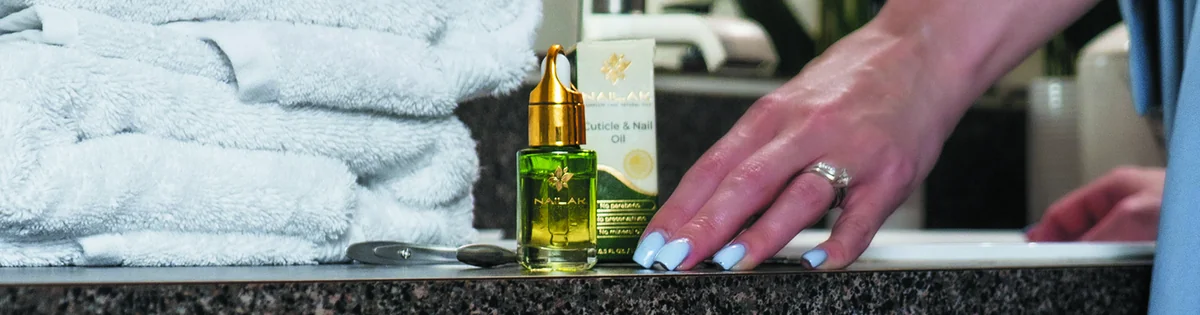
Quick Summary: The right cuticle oil, used consistently and correctly, restores moisture, supports flexible nails, protects fragile nail beds, and helps reverse everyday damage.
Why your nail beds are struggling
Damaged nail beds rarely come from a single event. They’re a story of small stressors stacking up.
- Frequent gel or acrylic removal, especially with rough filing or acetone soaks.
- Dehydrating sanitizers and detergents stripping lipids from skin and nail.
- Cold, dry air and hot water, both top-tier moisture thieves.
- Aggressive cuticle cutting that breaks your skin’s protective seal.
- Nail picking or peeling polish that lifts layers from the plate.
- Tight sports, climbing, or keyboard habits causing micro-trauma.
A quick anatomy refresher helps. Your nail plate is hard keratin. Under it lies the nail bed—the living tissue that anchors and nourishes the plate. Above, the proximal nail fold and cuticle (the thin, translucent layer sealing nail and skin) act as a protective gasket. When that seal dries or tears, moisture escapes, irritants sneak in, and the nail plate gets brittle. Brittle nails don’t flex; they crack. And those cracks tug at the nail bed, which can make it red, tender, and slow to recover.
The goal isn’t to “feed” the nail bed directly. Oils don’t bypass biology. The goal is to:
- Replenish and seal skin lipids around the nail.
- Reduce water loss so the nail stays flexible.
- Cushion the nail plate from daily friction.
- Prevent hangnails and micro-tears that inflame the area.
Consistency beats intensity. Think of cuticle oil as your daily moisturizer—light, regular, and paired with smart habits.
How cuticle oil helps repair
Cuticle oil works on three levels: moisture, flexibility, and protection.
It reduces water loss.
Emollient lipids fill gaps between skin cells, and lightweight occlusives form a thin film. This keeps hydration where you need it most—around the nail folds and under the free edge.It increases nail flexibility.
When the nail plate is better hydrated, it bends instead of snapping. That means fewer splits and less tugging at the tender nail bed beneath.It supports a healthy seal.
A soft, smooth cuticle seals the space between living skin and nail. That seal blocks irritants and helps prevent painful hangnails and inflamed edges.
Here’s what that looks like day to day:
- After washing, a drop of oil restores the lipids soap stripped away.
- A bedtime massage boosts circulation and softens the proximal fold.
- Before heading into wind or air-conditioning, oil acts like a tiny barrier coat.
Does oil “penetrate” the nail bed? Not in the way marketing claims. The primary benefits happen in the skin and within superficial nail layers. Some small molecules can migrate across micro-channels in the nail plate, but the real magic is simple: keep moisture in, reduce friction, and let your nail bed do its job without constant irritation.
Choosing the right cuticle oil
Ingredient choice matters. Not all oils behave the same on skin or nail.
- Jojoba oil: Technically a liquid wax. Very stable, absorbs quickly, and mimics natural sebum. Great for daily wear.
- Squalane: Lightweight, non-greasy, and excellent for softening without heaviness. Ideal for daytime.
- Sweet almond oil: Rich in oleic and linoleic acids—softening and smoothing. Patch test if you have nut allergies.
- Avocado oil: Contains phytosterols and vitamins; slightly heavier and great overnight.
- Evening primrose oil: Gamma-linolenic acid helps comfort irritated skin.
- Vitamin E (tocopherol): Antioxidant that supports formula stability and adds slip.
- Mineral oil: Inert and hypoallergenic occlusive. Useful layered sparingly over a lighter oil for extra sealing.
- Shea or petrolatum balm: Not “oil,” but perfect as an occlusive topper overnight.
Nice-to-have extras:
- Bisabolol or panthenol for soothing.
- Ceramide-like lipid blends to support the barrier.
- A hint of tea tree oil if you’re very prone to minor irritation—but dilute well and avoid if sensitive.
Skip or use with care:
- Strong essential oils (cinnamon, citrus, peppermint). They smell nice but often sting or irritate.
- Formaldehyde or formalin hardeners on already brittle nails. They can make splitting worse.
- Heavily perfumed blends if your nail folds are inflamed.
Ingredient glossary in a glance
- Emollients: Fill in roughness (jojoba, almond, squalane).
- Occlusives: Trap moisture (mineral oil, petrolatum, shea).
- Soothers: Calm redness (bisabolol, panthenol, oats).
The best cuticle oil for damaged nail beds often blends a fast-absorbing emollient with a little occlusive power. It should glide, sink, and leave a soft sheen—not a slippery mess.

A 7-day recovery routine
Think of this as your reset week. It’s gentle and very doable.
Day 1: Reset and soften
- Remove polish using a non-acetone remover with added conditioners.
- Soak fingertips in lukewarm water for 2–3 minutes.
- Pat dry. Apply cuticle oil around the proximal and lateral nail folds and under the free edge.
- Wait 2 minutes. Top with a thin layer of balm at bedtime.
Day 2: Gentle micro-massage
- After every hand wash, add one drop per nail.
- At night, massage each nail for 30 seconds. Use small circles down the nail bed line to encourage blood flow without pressing hard.
- Wear cotton gloves for 20 minutes to boost absorption.
Day 3: Seal the habit
- Place your oil next to your soap or on your desk.
- Apply mid-day, especially after sanitizer.
- File any snags with a fine-grit file in one direction only.
Day 4: Strength without stress
- Skip hardeners; use a breathable base coat if you need polish.
- Oil twice more that day.
- If washing dishes, wear gloves. Add oil once hands are dry.
Day 5: Nourish and protect
- Before outdoor time, apply oil as a mini barrier.
- At night, pair one drop of oil with a pea-sized occlusive balm over the cuticle area.
Day 6: Tidy, don’t cut
- After a warm shower, gently push back softened cuticles with a wooden stick.
- Do not cut living tissue. Nippers are for loose, non-attached hangnails only.
- Oil and massage again.
Day 7: Observe and adjust
- Compare how your nails look and feel. Are edges smoother? Less snagging?
- Keep the twice-daily oiling, with an extra drop after water exposure.
Timing matters
- Best times: after hand washing, before bed, post-shower.
- Worst time: right before handling paper or fabric if your oil stays slick. Let it absorb first.
Where to apply
- Proximal fold (base of the nail).
- Lateral folds (sides).
- Under the free edge—this is where the nail bed meets the plate and often needs cushion.
- Over the entire nail plate for extra slip and shine.
Smart add-ons and habits
Recovery works faster when your whole routine supports it.
- Gloves are your best friend. Hot water and detergent undo hours of care in minutes.
- Choose a mild hand wash. Look for glycerin and avoid strong fragrance if you’re sensitive.
- Moisturize palms and backs of hands; seal cuticles with oil last.
- Take a “polish holiday” for two weeks after gel removal. Let the plate breathe isn’t literal, but reduced chemical exposure helps.
- Keep a pocket-sized brush and fine file. Smooth snags immediately to prevent tears.
Nutrition helps too. Nails are keratin; they need building blocks.
- Protein at each meal supports keratin formation.
- Omega-3s may help with skin hydration.
- Biotin can benefit brittle nails at 2.5 mg daily, but the evidence is mixed and biotin can interfere with some lab tests. Ask your clinician first.
- Hydration keeps the skin supple and the nail plate less brittle.
Sometimes progress is hard to see. Our brains get used to the “before” image and blur the improvements. That’s why weekly photos help. It’s the same reason hair growth journeys recommend progress shots—you don’t notice each micro-change, but a month later, the difference is clear (source: https://fiftyshadesofsnail.com/2024/03/13/how-i-grew-my-thinning-hair-back/).
A quick tool kit
- Cuticle oil with jojoba or squalane for day.
- Slightly richer oil (avocado, almond) for night.
- Occlusive balm for bedtime sealing.
- Cotton gloves.
- Wooden orange stick and fine file.
- Non-acetone remover and a breathable base coat.
Mistakes to avoid and safety notes
The right cuticle oil for damaged nail beds is powerful, but there are caveats.
- Don’t cut live cuticle. You’re removing your natural gasket and inviting infection.
- Avoid strong fragrances and essential oils if inflamed; they can sting.
- Don’t over-buff. A shiny nail today can be a thin nail tomorrow.
- Watch for infections. Redness, throbbing, pus, or a warm, shiny swelling around the nail fold needs medical care.
- Onycholysis (lifting nail) requires care. Keep the area dry; oil the surrounding skin, not the space under a lifted plate, to avoid trapping moisture against microbes.
- If you’re allergic to nuts, skip nut-derived oils like almond.
- If you have chronic fungal infections, focus on medical treatment first. Oil won’t fix fungus.
- Pregnant or nursing? Most simple oils are fine, but skip strong essential oil blends.
Patch test, always
- Dot a small amount on one nail fold twice daily for three days.
- Proceed if there’s no redness or itching.
When to see a pro
- Severe lifting, green or black discoloration, or pain.
- Repeated splitting despite a month of care.
- Nail changes after new medications.
- Psoriasis or eczema affecting nails—dermatologists can tailor care.
Building a habit that sticks
Let’s be honest—habits fail when they depend on willpower. Link your oil to actions you already do.
- After you wash your face, oil your cuticles.
- Keep a pen-style oil in your car or at your desk.
- Set a 9 p.m. phone reminder named “Hand hug.”
- Track with a quick weekly photo in the same light.
Expect to notice:
- Week 1: Fewer hangnails, less tightness.
- Week 2–3: Softer folds, smoother plate, less snapping.
- Week 4–6: Healthier-looking nail edges and a calmer nail bed line.
If motivation dips, remember: you’re not chasing perfection. You’re choosing comfort and resilience.
A ritual for confidence and calm
There’s something quietly luxurious about tending to the smallest part of you. The drop of oil. The slow circles. The way your hands shift from tired to tended, like a room when someone opens the curtains. Cuticle oil for damaged nail beds isn’t just about shine; it’s about asking your body what it needs and answering with gentleness.
In a season of busy, a ritual this small can re-center you. You’re not hiding your hands anymore. You’re caring for them. And with each tiny, consistent gesture, you build nails that move with you—strong, flexible, and ready for the life you hold.
Frequently Asked Questions (FAQ)
Q: How often should I apply cuticle oil for damaged nail beds?
A: Twice daily is ideal, plus after water or sanitizer exposure. Aim for morning, bedtime, and a quick touch-up after washing hands.
Q: Can cuticle oil repair the nail bed itself?
A: Oil doesn’t “heal” the nail bed directly. It hydrates surrounding skin, improves nail flexibility, and reduces friction and micro-tears so the nail bed can recover in a calmer environment.
Q: Which ingredients should I look for in a cuticle oil?
A: Jojoba or squalane for lightweight daily use, almond or avocado for richer night care, and a touch of vitamin E. If sensitive, avoid heavy fragrance and strong essential oils.
Q: Is it okay to use cuticle oil if I have gel or acrylics?
A: Yes. Oil the cuticle area and the nail plate surface to reduce dryness and lifting at the edges. Avoid flooding underneath lifted enhancements, and wear gloves for chores.
Q: Can biotin help my brittle nails?
A: It may help some people at 2.5 mg daily, but results vary and biotin can interfere with certain lab tests. Speak with your clinician before starting supplements.
Estimated word count: ~1,980 words.