
Castor Oil for Nail Growth: A Complete Guide
On Sunday nights, I like to reset. I set my phone face down, put the kettle on, and wipe away the week. The house gets quiet in a way you can feel—it slips into your shoulders like a soft cardigan. I gather my little tray of nail things: a glass file, a wooden stick, a small bottle of castor oil with that honey-gold glow. The bottle is always warm from being tucked near a lamp. It looks like something a grandmother might pass down with a knowing nod.
My nails aren’t perfect. They peel when I get sloppy with moisturizer. Some weeks I pick at my cuticles if a deadline chases me too late into the night. Once, I chipped a thumbnail opening a stubborn package and spent a week feeling like my hands didn’t match my outfit. Little things, but they add up. If you’ve ever hovered over a keyboard and seen brittle crescents staring back at you, you know the feeling. It’s not vanity. It’s self-respect in small, repeatable gestures.
The first time I tried castor oil for nail growth, it wasn’t a grand plan. A friend slid the tiny bottle across a café table and said, “It won’t change your life, but it might change your month.” I laughed. Then I started rubbing a drop into each nail before bed. It felt silly at first—such a tiny ritual. But you can’t argue with the sensation: the oil is thick and silky, almost cushiony. As you massage, the plate warms under your finger. The oil turns your cuticles from crinkled to dewy in under a minute. You can almost feel the smoothness returning, like fabric being steamed.
Here’s the secret, though. Castor oil doesn’t make your nails shoot out like bamboo. Nails grow at their own measured pace, usually about three millimeters a month. What the oil can do is help you keep what you grow. It softens brittleness, guards against chips, and makes each nail a little more flexible so it doesn’t snap at the first sign of a door hinge. It’s like reinforcing the hem on a well-worn dress. The silhouette doesn’t change, but it moves with you better.
On those quiet Sundays, with music low and a mug of mint tea cooling by my elbow, I lift the dropper and let a single bead touch each nail. The shine catches the lamp light. I work in circles. The mess of the week loosens. I think about what my hands did: carrying groceries, typing, washing dishes, holding someone else’s hand a little longer than usual. Self-care is dramatic on social media. In real life, it’s simple repetition. Massage, breathe, repeat. It’s not glamorous. But it feels like choosing yourself, on purpose.
And after a few weeks, the difference shows. Not in a “before and after” platform kind of way, but in the way polish glides on more smoothly, edges stay intact through a full day, and you stop saying, “Ugh, I broke one again.” Castor oil becomes less of a hack and more of a habit. One that supports your nails even when you’re busy supporting everyone else.
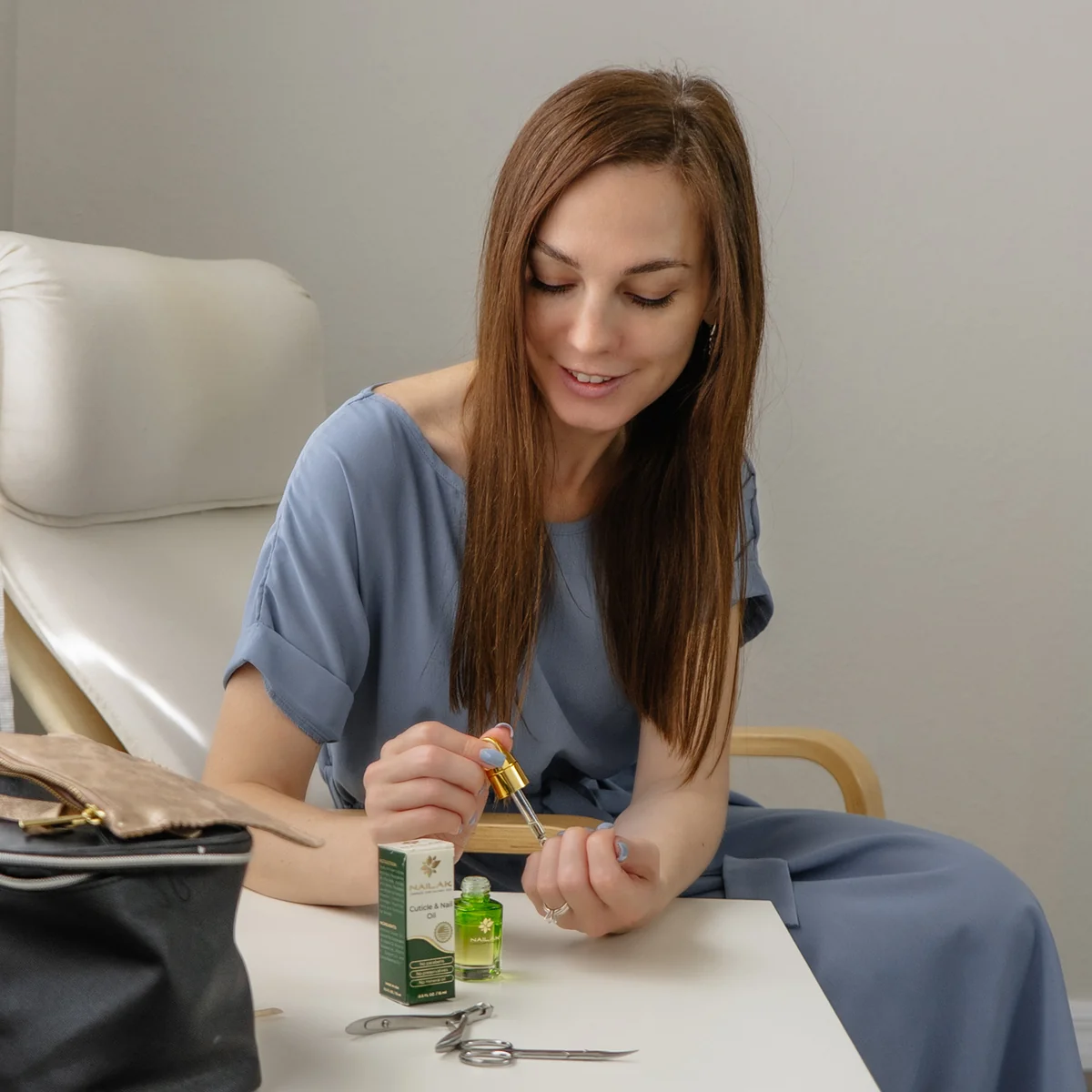
Quick Summary: Castor oil won’t speed nail growth, but it strengthens, hydrates, and protects nails so you keep more length with fewer breaks.
Why castor oil helps nails thrive
Castor oil is a plant oil pressed from the seeds of the Ricinus communis plant. Its standout component is ricinoleic acid, a unique fatty acid with a hydroxyl group that gives castor oil its signature thick, almost syrupy texture. That chemistry matters for nail care.
- It’s an excellent occlusive. Occlusives form a light seal over the nail plate and cuticle, reducing water loss. Well-hydrated nails bend instead of crack.
- It’s emollient. Emollients fill micro-gaps in brittle nail plates and soften rough cuticle edges, so chips are less likely to start.
- It offers mild antimicrobial support. While not a medicine, castor oil’s fatty acids can make the nail area less welcoming to the everyday microbes that irritate hangnails and frayed skin.
- It calms. Ricinoleic acid has documented soothing properties on skin. When the proximal nail fold is less inflamed, you’re less tempted to pick, which protects the nail matrix—the growth zone.
Think of the nail plate like a stack of keratin tiles. When they’re dehydrated, those tiles lift and shear. When they’re conditioned, they lie flatter and move as one. Castor oil doesn’t change the factory settings for how fast your nails grow. It improves the quality of what grows out and the environment it grows into.
A bonus: massage matters. Gentle massage increases local circulation, which supports the nail matrix with better nutrient delivery. It’s a small daily signal that says, “We’re prioritizing repair here.”
Choosing the right castor oil
All castor oils aren’t equal. A few details make a difference when you’re shopping.
- Cold-pressed, hexane-free: Look for cold-pressed extraction and hexane-free on the label. This preserves fatty acids and avoids solvent residues.
- Dark glass bottle: Light can oxidize oils. A dark bottle protects freshness, and a dropper helps you measure one drop per nail without mess.
- Plain vs. Jamaican black: Jamaican black castor oil is made from roasted seeds and is darker, with a slightly higher pH and smoky scent. It’s thicker and can feel richer on skin. There’s no definitive evidence it’s superior for nails; it comes down to texture and scent preference.
- Organic when possible: Organic certification reduces the risk of pesticide residues, especially useful if your skin is reactive.
Storage helps, too. Keep your bottle tightly closed, away from heat and direct sun. Wipe the rim after use to avoid sticky buildup.
If your skin is sensitive, patch test. Dab a tiny amount at the base of one nail for three nights. Watch for any redness or itching. Castor oil is generally well tolerated, but everyone’s skin has a personality.
How to use castor oil for nail growth
Ready for the ritual? It’s simple, soothing, and fast. Here are a few tried-and-true methods.
The nightly two-minute massage
- Start with clean, dry nails.
- Place one small drop on each nail. You can dot the dropper directly or dispense into your palm and tap with a fingertip.
- Massage in small circles for 30–60 seconds per nail. Include the sides and the cuticle fold.
- If your hands are very dry, finish with a light hand cream on top to lock it in.
- Optional: Slip on cotton gloves for 10–20 minutes, or sleep in them if your hands tolerate it.
Results to expect: Within one week, cuticles look calmer. Within three to four weeks, you’ll notice fewer splits, which translates into more visible length.
The weekly warm oil soak
- Warm a teaspoon of castor oil by placing the bottle in a mug of hot water for 3 minutes.
- Add a teaspoon of jojoba oil to thin the texture if desired.
- Soak fingertips for 5 minutes while you breathe.
- Pat excess off with a tissue and massage what remains into nails and knuckles.
Tip: Avoid soaking if you have active infections or very compromised skin; keep things clean and gentle.
The pocket cuticle balm hack
- Mix 1 teaspoon castor oil with 1 teaspoon shea butter or a waxy balm.
- Decant into a mini tin.
- Dab onto cuticles after washing hands or using sanitizer.
This is a day saver. Frequent hand washing can strip natural oils; this little buffer prevents the “raggedy edge” look.
Five actionable tips for better results
- Consistency beats quantity. One drop per nail nightly is more effective than occasional heavy slathers.
- Keep nails short for the first month. Reducing leverage cuts down on breaks while the plate strengthens.
- File, don’t clip, when possible. A fine glass file prevents new micro-cracks.
- Wear gloves for chores. Water and detergents swell and weaken nail plates.
- Pair with a flexible base coat. Look for conditioning bases with phospholipids or plant oils on non-oil nights.
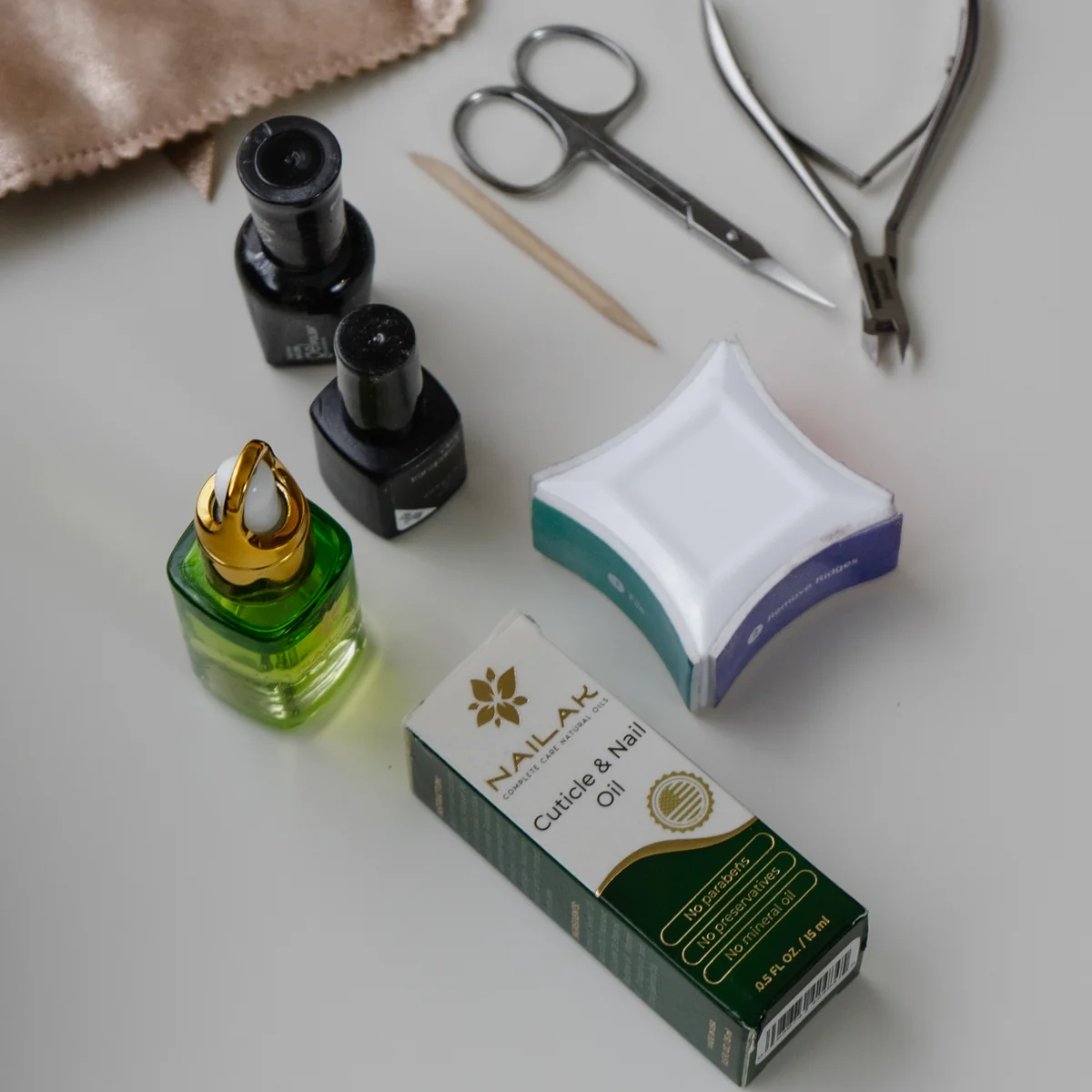
Boost the routine: mixes and masks
Castor oil plays well with others. A few smart additives can fine-tune your results.
Simple synergy blends
- Strength and slip: 2 parts jojoba oil + 1 part castor oil + 3 drops vitamin E oil
- Jojoba mimics skin’s natural sebum, improving absorption.
- Vitamin E supports lipid stability and adds antioxidant protection.
- Lightweight day blend: 3 parts squalane + 1 part castor oil
- Squalane sinks in quickly with zero greasiness. Perfect for daytime keyboards.
The overnight mask method
- Clean nails.
- Apply a thin layer of your castor oil blend.
- Seal with a soft, breathable cream on top.
- Slip on cotton gloves and sleep.
In the morning, the plate looks glassier and feels more flexible. It’s a great prep before a fresh manicure.
A note on essential oils
If you like fragrance, add one drop of lavender or chamomile per tablespoon of oil. Keep concentrations low to avoid irritation. Skip essential oils entirely if you’re prone to dermatitis.
What about tea tree oil? A tiny amount (one drop per tablespoon) can freshen a blend, but it’s not a cure for fungal infections. If you suspect onychomycosis—thickened, discolored nails—see a dermatologist or podiatrist. No over-the-counter oil replaces medical treatment.
Beauty trends come and go, and it’s easy to be dazzled by the latest treatment. Even in skincare, editors are tracking advanced options like polynucleotides for rosacea to support skin function over time. It’s a reminder that whether it’s your face or your nails, smart ingredients and consistent routines drive real results. The humble castor oil habit fits that same philosophy—simple, steady, effective. (source: https://talontedlex.co.uk/2024/10/07/polynucleotides/?utm_source=rss&utm_medium=rss&utm_campaign=polynucleotides)
Lifestyle habits that support growth
Nails are little mirrors of your daily life. What you eat, how you work, and how you care for your hands all show up in that thin crescent.
Nourish from the inside
- Protein: Nails are made of keratin, a protein. Include eggs, legumes, yogurt, tofu, poultry, or fish.
- Biotin-rich foods: Eggs, nuts, seeds, and sweet potatoes support healthy keratin infrastructure.
- Iron and zinc: Lean meats, beans, pumpkin seeds, and spinach help. Deficiencies can show up as brittle nails.
- Hydration: Aim for steady water intake. Hydrated skin and nails resist splits better.
Supplements? They can help if you’re deficient, but they’re not a cure-all. Discuss biotin or collagen supplements with your clinician, especially if you get lab work—biotin can interfere with certain test results.
Respect the nail plate
- Avoid aggressive acetone use. Reserve it for gel removal and follow with oil.
- Don’t buff hard or often. Over-buffing thins the plate and invites peeling.
- File in one direction with a fine grit. Sawing back and forth frays edges.
- Skip using nails as tools. Boxes, stickers, keyrings—use the side of a finger or an actual tool.
Smarter manicures
- Use a conditioning base coat between polish cycles.
- Give nails a 24-hour oil-only day between color changes.
- Cap the free edge with top coat to reinforce the most fragile zone.
- If you wear gel, book breaks. A two-week oil-focused reset every few months helps.
Good habits don’t have to be perfect. They just need to be frequent.
Progress tracking and motivation
Motivation is fragile. Make success visible.
- Take a baseline photo. Natural light, no polish, fingers relaxed. Repeat every two weeks.
- Measure growth. Draw a tiny dot with a fine marker at the base of one nail. Count millimeters per month. Most people see 2.5–3.5 mm.
- Set realistic timelines. With consistent castor oil use, expect sturdier tips by week three and noticeably fewer breaks by weeks six to eight.
- Celebrate non-scale victories: fewer hangnails, smoother polish application, less snagging on sweaters. These count.
- Build a cue: Tie your oil ritual to an existing habit—your last scroll of the night, a favorite show, or that cup of tea.
If you stop for a week, don’t spiral. Pick up the bottle and begin again. Nails are forgiving, and routine is cumulative.
A softer definition of growth
Let’s be honest: what we want from our nails isn’t only length. We want hands that look cared for, hands we’re proud to reach out with, hands that feel like us. Castor oil for nail growth works because it makes room for that feeling. It slows you down for two minutes. It asks for attention, not perfection. Over time, yes, you’ll see more length—more of your natural shape, intact. But beyond the measurable, you’ll gain a steadying ritual.
There’s something grounding about tending to the smallest parts of ourselves. It changes how we hold a coffee cup, how we type an email, how we wave hello. You don’t need a salon to feel polished. You need a little bottle, a soft light, and the choice to care—again and again. Growth looks like that: quiet, consistent, and very much within reach.
Frequently Asked Questions (FAQ)
Q: Does castor oil make nails grow faster? A: Not significantly. Fingernails grow at a fairly fixed rate. Castor oil helps by reducing breakage and peeling, so you keep more length as it grows. Most people notice sturdier tips within 3–4 weeks of nightly use.
Q: Is Jamaican black castor oil better for nail growth? A: It’s different, not definitively better. The roasted seeds make it thicker with a smoky scent. Some people love the feel for cuticles. Others prefer regular cold-pressed castor oil because it’s smoother. Choose based on texture and scent preference.
Q: Can I use castor oil on gel or acrylics? A: Yes, on the surrounding skin and the cuticle. It keeps the nail folds supple and can reduce lifting caused by dryness. Avoid saturating under enhancements to prevent premature lifting. After removal, daily castor oil helps recondition the natural nail.
Q: How long until I see results with castor oil for nail growth? A: Expect cuticle improvement within a week, fewer splits by weeks three to four, and visibly better length retention by weeks six to eight. Consistency is the difference-maker.
Q: Can castor oil treat nail fungus? A: No. While castor oil has mild antimicrobial properties, it’s not an antifungal treatment. If you suspect fungal infection—thick, yellow, crumbly nails—see a medical professional for diagnosis and targeted therapy. You can still use castor oil on surrounding skin for comfort unless advised otherwise.
Estimated word count: 1985