
Calendula Oil for Nail Repair: Strengthen and Soothe
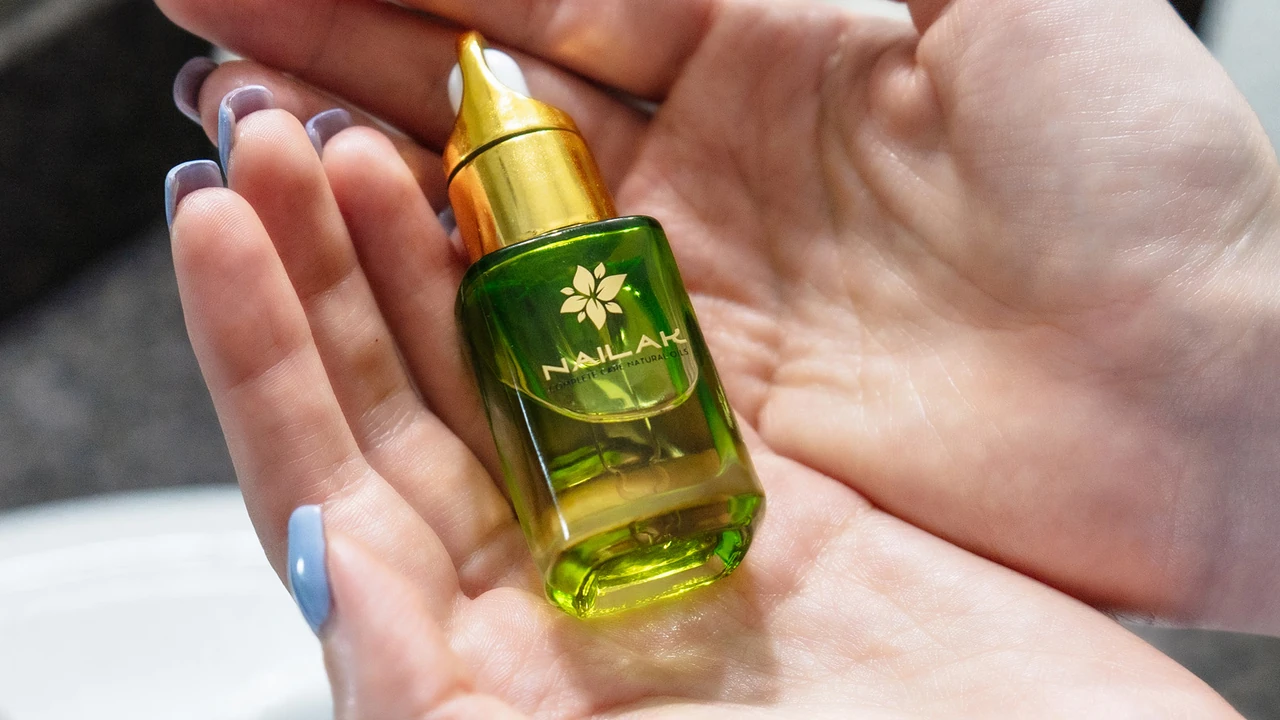
On a grey Tuesday that smelled like rain, you turn the kettle on and line up your daily little comforts: a ceramic mug, a square of dark chocolate, and a tiny amber bottle you’ve been saving for your hands. When the steam curls through the kitchen, you roll the bottle between your palms and warm the calendula oil. It glows like liquid sunlight, bright even against the dim window, and you can’t help but smile at how hopeful it looks.
Your nails have been through it. A few months of gel manicures, plenty of dishwashing without gloves, and a new habit of tapping at the laptop when you think. They’re thin at the tips. A couple are peeling. The cuticles feel tight, almost like they’re whispering for a break. You massage a drop into each nail bed, circle by circle, and the marigold scent rises, soft and honeyed. You can almost feel the smoothness returning, like your nails are drinking, saying thank you.
You remember an afternoon in late summer when your grandmother pinched the heads off marigolds, her fingers stained golden. She swore by calendula for everything—scratches, dry lips, brittle nails. “It’s gentle magic,” she’d say, tucking petals into a jar of oil and setting it on the porch to steep in the sun. The ritual felt ordinary and sacred all at once.
Today, your version is quieter. Ten minutes of slow care, a small nap for your hands. There’s no rush, just touch and warmth and the low hum of the kettle resetting. You notice your breathing deepen. You think about the errands, the emails, the long list tugging at your sleeve. But for now, your nails are your focus. It feels good to give back to the parts of you that are always doing, always reaching.
Let’s be honest: nail repair isn’t glamorous. It’s a practice. But calendula oil has a way of turning it into something comforting—something loving. In a week, the peeling edges soften. In two, your nails catch the light again. The bottle keeps catching your eye, too, a golden reminder that tiny rituals can make everything feel more whole.
Quick summary: Calendula oil for nail repair supports smoother, stronger nails by softening cuticles, replenishing moisture, and calming irritation—when used consistently and correctly.
What makes calendula oil a nail repair hero
Calendula officinalis, also known as marigold, is a botanically rich bloom known for soothing skin and supporting barrier repair. In nail care, it plays a gentle yet meaningful role.
Here’s why it helps:
- Anti-inflammatory compounds: Calendula contains triterpenoids and flavonoids that help calm redness and irritation around the cuticles and lateral nail folds.
- Barrier support: The oil base (often olive, sunflower, or jojoba) provides emollients that reduce transepidermal water loss, keeping nails and surrounding skin flexible instead of brittle.
- Micro-soothing: Calendula’s phytochemicals support an environment that’s kinder to micro-tears and hangnails, which often precede peeling.
- Comforting slip: An oil’s glide makes massage easier, improving circulation around the matrix where new nail cells form.
The science is simple but compelling: nails don’t have oil glands, so they rely on external moisture and lipids. When nails dry out, they split into layers—a condition called onychoschizia. Calendula oil delivers lipids, locks in hydration, and keeps the nail plate supple. It won’t make nails grow faster, but it can help them break less, which makes them feel like they’re finally on your side.
The texture and feel
A well-made calendula infusion feels light to medium weight. It should absorb within a few minutes and leave a soft sheen. If your oil sits heavy or feels sticky, use less or switch to a lighter carrier like squalane or fractionated coconut oil.
Sensitive-skin friendly
Calendula is widely tolerated. If your skin reacts easily to fragrance or strong actives, calendula offers a gentler path to daily nourishment. Still, patch test on the inside of your wrist for 24 hours before daily use.
Signs your nails need calendula’s help
Not sure you need a repair routine? Look for these cues:
- Peeling or splitting at the tips
- Ridges that catch on fabric
- White, chalky patches after gel removal
- Tight, tender cuticles that snag
- Hangnails that keep reappearing
- Nails that “squeak” when you rub them together (a sign of dehydration)
If you ticked two or more, your nails are likely dehydrated or stressed. Calendula oil for nail repair can cushion that stress while you simplify polish cycles and give your nails space to rebound.
Everyday habits that make it worse
- Frequent hand washing without replenishing moisture
- Hot showers and aggressive towel-drying
- Harsh solvents and acetone-only removers
- Chores without gloves (dishwashing is a major culprit)
- Picking at gels, acrylics, or gel tips
A calm, consistent routine—hydration, oil, and gentle handling—works wonders.
How to use calendula oil for nail repair
Let’s turn your bottle into results. Think ritual, not rush.
Nightly repair routine (5 minutes)
- Wash your hands with lukewarm water and a gentle cleanser.
- Pat dry, leaving nails slightly damp.
- Apply a pea-sized amount of calendula oil across both hands.
- Dot an extra drop over each nail and cuticle.
- Massage in small circles for 60–90 seconds per hand, focusing on the half-moon area where growth begins.
- Seal with an occlusive if very dry (a thin layer of balm or petrolatum).
- Slip on cotton gloves for 20 minutes or overnight for deeper absorption.
Morning protection routine (2 minutes)
- After washing, use a drop of calendula oil across nails and cuticles.
- Follow with a hand cream that includes glycerin or urea for long-lasting hydration.
- SPF on the backs of hands, especially if you had gel manicures cured under UV.
Weekly reset plan
- Day 1: Trim, file in one direction, gently buff only if needed. Soak nails for 3 minutes in lukewarm water. Apply calendula oil and a rich hand cream.
- Days 2–4: Oil twice daily. Avoid polish.
- Day 5: If polishing, apply a nourishing base coat. After removal later, do a 10-minute oil mask: saturate cotton pads with calendula oil, wrap each fingertip in a small strip of foil, relax.
- Days 6–7: Oil nightly and wear gloves for housework.
Pro application tips
- Warm the oil between your palms before massaging. Warmth improves glide and absorption.
- Use a glass dropper or pump to avoid contamination.
- Pair with a hydrating mist before oil—water first, then oil—to lock in moisture.
How much is enough?
If your fingertips feel greasy for longer than five minutes, use less. Nails need a thin coat, not a drench. Consistency always beats quantity.

Building a calendula-forward nail routine
Calendula oil for nail repair shines when your whole routine supports it. Think of it as the anchor ingredient, then layer habits around it.
Before and after water
- Before chores: Apply a small amount of oil, then wear gloves. You’re adding a protective slip under the glove microclimate.
- After water exposure: Reapply a tiny amount to restore lipids lost to soap and heat.
For polish lovers
- Use a gentle, acetone-free remover when possible.
- Limit buffing to once a month or skip it if nails are thin.
- Give your nails a “breather” week every 4–6 weeks—no polish, just oil and hand cream.
Nutrition and lifestyle support
- Hydration matters: aim for steady sips throughout the day.
- Protein and B vitamins support healthy growth. Think eggs, legumes, leafy greens.
- Omega-3 fatty acids help maintain skin and nail moisture balance. Salmon, chia, walnuts.
At-home spa moment
- Soak fingertips for 3 minutes in warm water with a pinch of Epsom salts.
- Gently push back softened cuticles with a wooden stick—no cutting.
- Massage calendula oil thoroughly, then layer a light hand cream. Finish with deep breaths.
There’s a growing trend toward daily products that restore as they cleanse—the best of both worlds for hardworking hands. A recent review of a restorative hand wash noted not just efficacy but an uplifting scent experience, which makes us more likely to stick with the habit. When your cleanser and your oil both feel like a treat, consistency becomes effortless—and nail repair follows. (source: https://www.elle.com/beauty/makeup-skin-care/a69823074/evolvetogether-restorative-hand-wash-review/)
DIY vs. store-bought calendula oils
Both can work beautifully. What matters is quality and freshness.
DIY infusion basics
- Choose a stable carrier: jojoba (closest to skin’s sebum), olive, or sunflower.
- Fill a clean jar halfway with dried calendula petals. Cover with oil, leaving 1–2 cm headspace.
- Infuse for 4–6 weeks in a cool, dark place. Shake gently every few days.
- Strain through cheesecloth. Store in an amber bottle, away from heat and light.
Pros: budget-friendly, customizable, lovely ritual.
Cons: variable potency, potential for contamination if tools aren’t sterile.
Store-bought checklist
- Look for “Calendula officinalis flower extract” high on the ingredient list.
- CO2 extract offers concentrated actives at low percentages (0.2–1%), ideal in blends.
- Check the base oil: jojoba or squalane for light feel; olive for richer slip.
- Avoid heavy fragrance if you’re sensitive.
- Shelf life: usually 6–12 months after opening. Note the date and do a sniff test monthly.
When to choose which
- Go DIY if you love the process and use the oil within a few months.
- Go store-bought if you want standardized potency, minimal scent, and tested stability.
Safe pairings and what to avoid
Calendula plays well with others. Still, a few rules help protect your progress.
Friendly pairings
- Jojoba or squalane: lighten texture and boost absorption.
- Vitamin E (tocopherol): antioxidant support; helps oil stay fresh longer.
- Panthenol (pro-vitamin B5): hydrating, flexible finish in nail treatments.
- Urea (2–10%) in hand creams: pulls moisture in and softens cuticles.
With nail strengtheners
- Use calendula oil under or between strengthener cycles. Avoid applying oil immediately before polish—it can affect adhesion. Aim for oil at night, polish in the morning.
- If using formaldehyde-based strengtheners, limit frequency and take breaks. Support with nightly oil to reduce brittleness.
What to avoid
- High essential oil concentrations on nails and cuticles—keep blends under 1% total essential oils to reduce sensitization risk.
- Fragrance-heavy products if your skin runs reactive.
- Hot water soaks over 5 minutes—they swell the nail, then it contracts and splits as it dries.
Special notes
- If you suspect fungal infection (yellowing, crumbling, separation from the bed), see a professional. Calendula oil can comfort skin but won’t replace medical treatment.
- If you’re undergoing chemotherapy or have diabetes, consult your provider for tailored nail and hand care.
Troubleshooting stubborn nail issues
Sometimes progress stalls. Here’s how to nudge it forward.
Persistent peeling
- Check your remover: switch to an acetone-free formula with conditioners.
- Increase oiling to three times daily for a week, then taper down.
- Trim length short for two weeks to reduce leverage at the tip where splits start.
Vertical ridges
- Often a normal sign of aging and dehydration. Buff very gently only as needed.
- Focus on hydration first: apply a water-rich hand serum, then calendula oil, then cream.
- Add a ridge-filling base coat when polishing to prevent snagging.
Thin, bendy nails
- Keep nails short and softly squared to prevent catches.
- Use a strengthening base with keratin or calcium pantothenate, but avoid daily use of formaldehyde systems.
- Oil nightly and wear gloves for all wet work.
Post-gel recovery
- Commit to two polish-free weeks.
- Oil mask twice a week: saturate cotton, wrap, relax for 10 minutes.
- Avoid picking—keep a mini file in your bag for snags.
When to see a pro
- Painful swelling, sudden color changes, or lifting that spreads
- Pitting or deep ridges with skin changes
- Persistent issues despite four weeks of diligent care
A board-certified dermatologist or trained nail tech can spot underlying causes and guide a smarter plan.
Actionable habits that make calendula shine
Let’s make results visible and steady.
- Keep a bottle by the sink and one at your desk. Tiny touch-ups add up.
- Pair every hand wash with a drop of oil. Water out, oil in.
- Wear rubber gloves for all dishwashing and cleaning.
- File in one direction only. Two minutes saved today can cost you two weeks of repair later.
- Take nail photos weekly. Progress shows up quietly—photos keep you motivated.
The confidence in your hands
There’s a particular kind of confidence that lives in cared-for hands. Not because they’re perfect, but because you chose them. You carved out five minutes at night, warmed the calendula oil, and turned a routine into a ritual. Your nails feel smoother when you zip a dress. Your hands look calmer on the steering wheel. Small things, yes—but small things are how we build steadiness.
Calendula oil for nail repair isn’t a shortcut. It’s a practice of paying attention. And the more you pay attention, the easier it becomes to choose gentleness: gloves over bare hands, patience over picking, nourishment over quick fixes. One drop at a time, your nails remember their strength. One quiet moment at a sink, and you remember yours.
Frequently Asked Questions (FAQ)
Q: Can calendula oil strengthen nails naturally?
A: Calendula oil helps reduce brittleness by softening the nail plate and hydrating cuticles, which minimizes splitting and breakage. It won’t make nails grow faster, but it helps them stay intact so growth is more noticeable.
Q: How long does it take to see results from calendula oil for nail repair?
A: Many people notice smoother tips and fewer snags within 7–10 days with twice-daily use. For sturdier feeling nails, give it 3–4 weeks—the average time to see a full nail edge grow out.
Q: Is calendula oil safe to use during pregnancy or breastfeeding?
A: Calendula oil is generally considered gentle and well-tolerated. If you’re pregnant or breastfeeding, choose a simple, fragrance-free formula and patch test. Consult your healthcare provider if you have concerns or skin conditions.
Q: Can I use calendula oil with gel or acrylic nails?
A: Yes. Massage calendula oil into cuticles and the skin around enhancements daily. Avoid applying oil directly before a salon appointment, as it can affect product adhesion; use it after services and nightly.
Q: What’s the best time to apply calendula oil for nail repair?
A: Night is ideal for deeper repair—apply after washing, then layer a hand cream or balm. During the day, use a smaller amount after each hand wash to maintain moisture.
Estimated word count: ~1,980 words.