
Rosehip Oil for Cuticles: A Gentle Glow-Up
The chipped coffee mug felt warm in my hands, but the warmth didn’t reach the ragged edge of my cuticle. Do you know that tiny sting—a whisper of pain—right where your thumb meets your nail? It’s the kind of annoyance that sneaks into your day and quietly interrupts everything: typing, washing dishes, even slipping your hand into a pocket. That morning, the light was soft and amber. A small bottle of rosehip oil sat near the sink, its amber glass almost the same exact hue. I picked it up, more hopeful than certain.
One drop rolled onto my fingertip. The oil was light, not sticky, and had that faint, earthy note—like the last breath of late summer. I pressed it into the torn skin, then the line of the cuticle. Circles. Gentle pressure. The discomfort faded as the skin drank it in. This wasn’t a grand makeover or a salon blowout. It was quiet repair work—small but honest.
There’s a kind of intimacy in tending to your hands. They carry so much of your life: bags, kids, laptops, cups of tea. Yet we often treat cuticles like an afterthought, trimming or ignoring them until they protest. As the oil absorbed, the skin looked less gray and more alive. My thumbnail went from sharp and cross to calm. The change wasn’t cinematic. It was subtle, the way a room brightens when you crack open the blinds.
Let’s be honest—beauty routines are often loud. We’re told to overhaul, to do everything, to be everything. But there’s a steadier kind of beauty in small rituals. You warm the oil between your palms. You breathe. You see the edge of your nail go from rough to satin. You notice how your rings look better when your cuticles are hydrated, how your polish wears longer, how you type with less hesitation. It’s not vanity, it’s maintenance of the relationship you have with yourself. A daily check-in. A deliberate kindness.
I kept massaging, a minute for each hand. The remaining oil I pressed over my knuckles and the backs of my hands. They looked nourished, as if they’d just returned from a vacation I didn’t take. I rinsed the mug. I started the day. And for the rest of the morning, every time I reached for something, I caught a glimpse of soft skin and thought, That’s better. That’s me, but cared for.
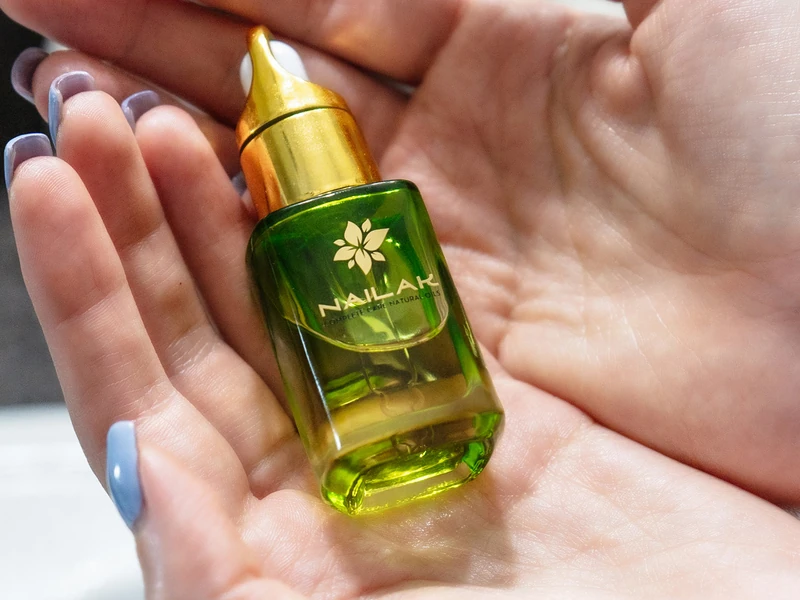
Quick Summary: Rosehip oil for cuticles offers a lightweight, vitamin-rich way to soften, repair, and protect the skin around your nails while elevating your daily self-care ritual.
Why rosehip oil loves your cuticles
Cuticles are your nails’ security guards. They seal the gap where the nail grows, keeping out bacteria and irritants. When we strip or cut them, we break that seal. Enter rosehip oil—a featherlight botanical that supports repair rather than removal.
Here’s why it’s such a fit:
- It’s rich in essential fatty acids like linoleic and linolenic acid. These help restore skin’s barrier and reduce moisture loss.
- It contains provitamin A carotenoids and vitamin E. Together they support renewal and defend against oxidative stress from harsh soaps or cold weather.
- It absorbs fast. Rosehip is a “dry oil,” so it sinks in without leaving a heavy film.
- It’s versatile. Use it on cuticles, the sides of nails, hangnail-prone areas, and even over knuckles that feel tight and chalky.
Daily life is tough on the skin around your nails. Hand sanitizer, acetone, dishwater, even your favorite knit sweater can fray those cuticle edges. Rosehip oil cushions the damage and softens hard skin, making everything you do with your hands a little more comfortable.
The science, simply
Rosehip oil is pressed from the fruit and seeds of the rose plant, often Rosa canina or Rosa rubiginosa. Its magic comes from a balanced profile:
- Essential fatty acids: linoleic and alpha-linolenic acids help strengthen your skin’s barrier.
- Antioxidants: vitamin E and carotenoids guard against damage from daily wear.
- Lightweight consistency: it’s thin and quick-absorbing, ideal for small, delicate areas like cuticles.
About vitamin A: rosehip oil naturally contains provitamin A carotenoids (like beta-carotene). While it doesn’t deliver retinol in the traditional sense, these compounds support a healthy-looking turnover cycle and more even-toned skin over time. The result? Cuticles that look smoother and feel less prone to snagging.
What you’ll notice with steady use:
- Softer cuticles that resist tearing.
- Fewer hangnails.
- A more refined look around the nail border.
- Polish that wears longer because flexible, hydrated cuticles don’t chip polish from friction.
How to use rosehip oil for cuticles daily
Think of this as a 60-second ritual that fits anywhere—bedside, desk drawer, car console.
Step-by-step
- Clean hands, dry skin. If you just washed, pat hands completely dry.
- Warm one drop per hand between your fingertips.
- Press along each cuticle. Use small circles to massage it in.
- Glide leftover oil along the sides of the nail and any peeling skin.
- Optional: seal with a thin layer of a richer balm at night if your skin is very dry.
Do this once a day for maintenance, or twice daily if your cuticles are cracking or peeling.
Actionable tips for better results
- Keep it visible. Place your rosehip oil where you’ll see it—next to hand cream or your water bottle.
- Pair with hand cream. Oil first, then a cream to lock it in when needed.
- Avoid trimming. Instead, use a soft cuticle remover once a week and gently nudge back with a wooden stick.
- Take a break post-wash. Apply oil after handwashing to buffer the drying effect of soap.
- Be consistent. Small, daily care beats occasional, intense fixes.
If you wear gel or acrylics
Rosehip oil is safe for the skin around enhancements. Just avoid saturating the nail plate before gel application—oil can interfere with adhesion. After your manicure cures, you can apply rosehip around the edges freely. It helps reduce lifting caused by dry, tight skin tugging at the enhancement.
For sensitive skin
Patch-test first. Tap a tiny amount on the side of one finger for several days. If your skin is highly reactive, try mixing rosehip oil with a fragrance-free cream before applying. Less is more.
When you need more than oil
If your cuticles are inflamed or bleeding, pause on aggressive pushing or removal. Keep using rosehip oil, layer with a plain occlusive balm at night, and protect with cotton gloves when sleeping to prevent picking. If you see signs of infection—pus, heat, severe redness—contact a professional.
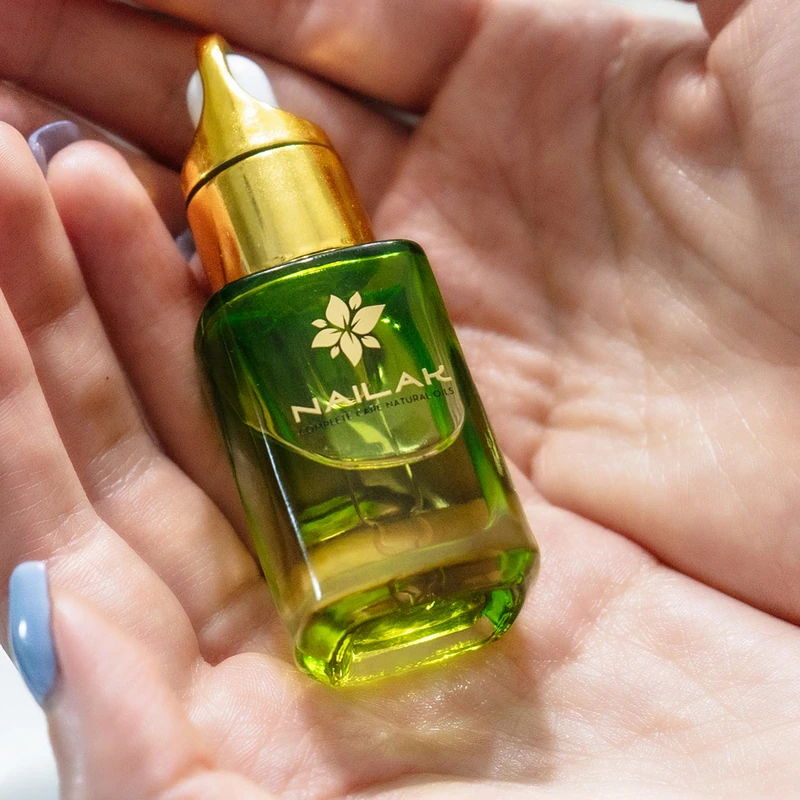
Pairing rosehip with your manicure routine
Here’s the secret: timing matters. Oil is a friend to cuticles but a foe to polish adhesion if it sits on the nail plate. Use this sequence for clean, long-wearing manicures:
- Pre-mani evening: massage rosehip oil for cuticles to soften and hydrate.
- Day-of manicure: cleanse nails with soap and water, then swipe nail plates with isopropyl alcohol to remove any residue.
- Shape and lightly buff. Keep cuticle work gentle—no cutting, just soft pushing.
- Apply base coat, polish, and topcoat.
- After polish fully dries or gels cure, apply rosehip around the cuticle perimeter again.
Pro tip: If your manicures chip at the corners, it’s often dry skin catching on fabrics. A daily rosehip routine reduces tugging and extends the life of your polish.
In the beauty business world, even the vibe of a routine has value. A recent note about a nostalgia-rich sun care brand exploring a minority stake deal shows how well-loved rituals can translate into investment interest. It’s a reminder that care—whether SPF on the beach or oils at your sink—holds both emotional and practical power in our lives (source: https://www.beautyindependent.com/vacation-hires-investment-bank-minority-stake-deal/).
Add gentle exfoliation, rarely
Once a week, try a mild, oil-compatible exfoliation:
- Soak hands in warm water for three minutes.
- Pat dry and apply a drop of rosehip oil.
- Very gently, use a soft washcloth to buff the cuticle line.
- Reapply oil and leave it. This keeps the seal intact while removing flakes.
What to pair—and what to avoid
- Pair with: ceramides, glycerin-based creams, shea butter at night.
- Avoid: harsh cuticle nippers for routine care, strong acids that can burn the delicate edge, and scrubs with large granules.
Real-life troubleshooting
Even the best routine meets real life. Here’s how to navigate common snags.
Hangnails that keep coming back
Cause: friction, dry air, frequent washing, and picking.
What helps:
- Daily rosehip oil for cuticles, especially after washing.
- Keep a tiny bandage in your bag. Cover hangnails to stop picking until they’re soft enough to trim safely.
- Trim only the dead, lifted edge with clean, sharp scissors. Never pull.
Peeling or frayed cuticles
Cause: dehydration or aggressive pushing.
What helps:
- Nightly oil followed by a thin balm layer.
- Skip pushing for a week and let the skin recover.
- Wear gloves for dishwashing and winter walks.
Redness or soreness
Cause: broken seal or irritation from harsh removers.
What helps:
- Switch to non-acetone remover or reduce use.
- Oil twice daily for a week.
- If redness worsens or you see pus, seek professional guidance.
Overgrown cuticles that crowd polish
Cause: buildup of dead skin.
What helps:
- Weekly softening soak, gentle pushing with a wooden stick, and daily rosehip oil maintenance.
- Keep pressure light. The goal is tidy, not stripped.
Choosing and storing quality rosehip oil
Rosehip oil has nuance. Picking the right one elevates your routine.
What to look for:
- Extraction method: cold-pressed or CO2-extracted preserves delicate nutrients.
- Packaging: dark glass bottle to shield from light.
- Color and scent: a golden to deep amber hue and a subtle earthy aroma. If it’s completely clear and odorless, it may be heavily refined.
- Purity: single-ingredient rosehip oil or rosehip as the first ingredient in a blend designed for cuticles.
Shelf life and storage:
- Use within 6–9 months for best potency.
- Store away from heat and direct sun. A cool cabinet or even the fridge works.
- Keep the dropper clean. Touch the oil to your skin, not the dropper to your skin, to prevent contamination.
Sensitive skin notes:
- Start with once-daily use.
- If you’re using strong actives elsewhere on your hands (like retinoids for dark spots), apply rosehip at a different time of day to reduce overlap.
A small ritual, a larger kind of confidence
There’s a quiet confidence that comes from hands that feel tended to. Not because they’re painted in a trending shade—though that’s fun—but because the skin itself is content. When your cuticles are soft, everything looks more polished. Jewelry glints brighter. Your gestures feel intentional. You reach out more.
Rituals like rosehip oil for cuticles aren’t about perfection. They’re about punctuation. Little commas that slow down a busy sentence of a day. You pause, you press a drop of oil into the edge of your nail, and the moment widens. You’re not fixing something broken. You’re maintaining something precious—your sense of ease.
So keep the small bottle nearby. Use it after washing dishes, before opening your laptop, right before bed. You’ll notice fewer snags, fewer interruptions. And you’ll notice, wonderfully, more of yourself in everything your hands do—steady, soft, and sure.
Frequently Asked Questions (FAQ)
Q: How often should I use rosehip oil for cuticles? A: For most people, once daily is enough. If your cuticles are cracking or peeling, try morning and night for two weeks, then drop to daily maintenance.
Q: Will rosehip oil affect my gel or dip manicure? A: Apply rosehip oil around the cuticles only after your manicure is fully set. Avoid getting oil on the nail plate before application, as it can reduce adhesion and cause lifting.
Q: Can I layer rosehip oil with other hand products? A: Yes. Use rosehip oil first, then a lightweight hand cream. At night, you can add a thin occlusive balm over both to seal in moisture.
Q: Is rosehip oil better than a traditional cuticle oil blend? A: They serve similar goals. Rosehip oil offers a lightweight, nutrient-rich option with antioxidants and essential fatty acids. Blended cuticle oils often include jojoba, vitamin E, or almond oil for slip. Many people alternate or layer them.
Q: Is rosehip oil safe for sensitive or easily irritated skin? A: Most people tolerate it well. Patch-test on one finger for several days. If you experience redness or stinging, dilute with a fragrance-free cream or switch to a simpler oil like jojoba.
Estimated word count: ~1950 words