
Healing Nails Damaged from Gel Polish: A Gentle Guide
The polish curled up like a tiny ribbon as I lifted the edge with a wooden stick. Steam rose from my mug, and the citrus scent of the remover hovered in the air. I’d promised myself I wouldn’t pick. I’d promised I’d soak, wrap, wait. Still, the temptation tugged at me.
I peeled a little more.
Underneath, my nails felt tender. Not painful, exactly. Just… thin, and strangely dry, like someone had exchanged my own nails for delicate shells. The gel had looked beautiful for three solid weeks. It had made me feel polished during messy mornings and late-night emails. It turned school drop-offs into “I’ve got this” moments. But now, as the color slid off in strips, the aftermath stared back: frayed edges, white patches, a ragged cuticle line I had ignored in the rush of daily life.
I sipped my tea and watched a tiny dusting of keratin drift to the table. Little reminders that nails are alive in their way—shaped by touch, water, weather, and the choices we rush through. My phone buzzed. A friend sent a selfie of her own manicure, glossy and candy-pink. “Self-care Sunday,” she wrote. I looked at my fingertips, at the little moons that looked sanded down, and realized I needed a different kind of care.
Not the dopamine hit of a fresh set. The quiet, restorative kind.
You can almost feel the smoothness you’re aiming for if you close your eyes. Cool, even nail plates. Cuticles supple like silk ribbon. No sting when you tap a keyboard. No catch on a sweater. There’s a rhythm to healing nails damaged from gel polish, and it’s slower than we like. It asks for patience in a culture that loves quick fixes. It asks you to moisturize when you want to paint. To file when you want to hide. To breathe when you want to speed.
I put the stick down. I wrapped each nail in a little foil cocoon and waited for the remover to do its job. Soaking instead of scraping. I turned on a favorite playlist and let myself be still. This was not indulgence. It was repair.
If you’ve peeled off a set in a moment of stress, you’re not alone. If your nail beds feel sensitive after a heavy buff, you’re not the first. If your gel lifted early and left chips you could not resist picking, I get it. Life gets loud. Self-care becomes shorthand for something quick and pretty. But the deeper self-care for nails—especially the recovery after gel—invites you to build small, kind rituals.
A little oil by the sink. A soft file in your bag. A night balm beside your hand cream. These tiny actions are the real manicure—the one that starts where the polish ends.
Let’s create a plan that makes your nails feel like yours again. Strong. Smooth. Comfortable. Ready for whatever color you choose next, even if that color is simply “healthy.”
Quick Summary: Here’s a gentle, science-informed plan to restore strength, comfort, and shine to nails damaged from gel polish—without overwhelm.
What gel polish does to nails
Gel polish isn’t the enemy. Technique is.
The nail plate is a layered sheet of keratin cells. Those layers hold onto a delicate balance of water and lipids. Gel systems can disrupt that balance in a few ways:
- Dehydration before application. Alcohol or acetone dehydrates the plate to improve adhesion.
- Over-buffing. Excessive mechanical buffing thins the surface layers.
- Removal stress. Harsh scraping or peeling lifts layers of keratin along with the gel.
- Occlusion. Weeks under a hardened layer can trap moisture shifts, leading to brittleness later.
Signs your nails are reacting:
- Peeling or fraying at the free edge.
- White, chalky spots on the nail surface.
- Tenderness or sensitivity to temperature.
- Ragged cuticles and hangnails.
- Splitting and frequent breaks.
- Polish won’t adhere evenly.
Nails damaged from gel polish often need three things: moisture, protection, and time. Add balanced strengthening when tenderness subsides. Skip “punishing” products at first. Your nails are craving care, not correction.
Your immediate recovery plan
We’ll start simple. The goal: comfort first, then strength.
Step 1: Gentle reset (days 1–3)
- Remove, don’t peel. Use acetone wraps and a wooden pusher. No metal scraping.
- Trim short. Keep a soft, rounded shape to minimize leverage and snags.
- Light buff only. One or two strokes with a glass file to smooth flaking edges.
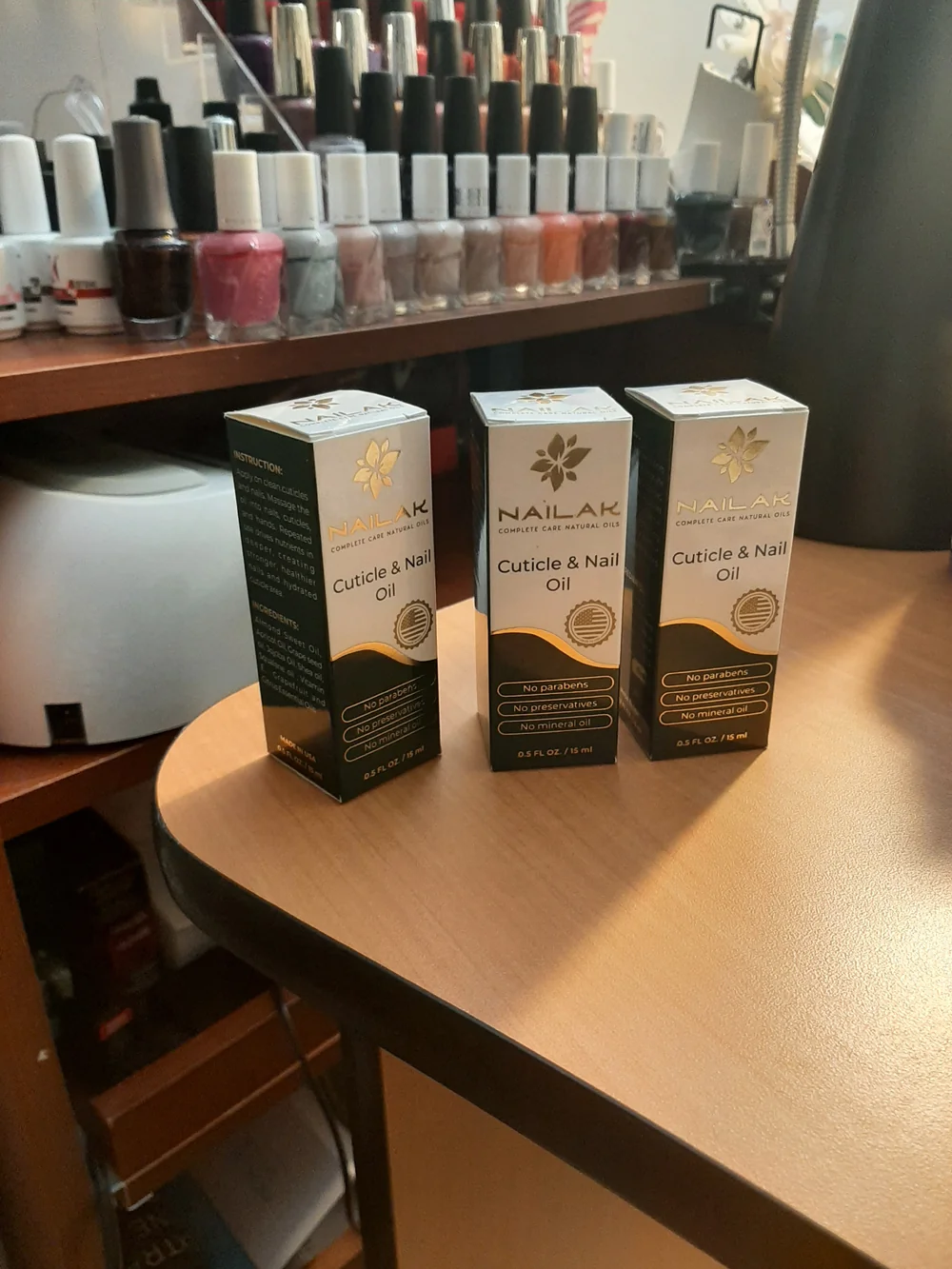
- Nourish cuticles. Apply a ceramide-rich oil or blend of jojoba and squalane two to three times daily.
- Create a barrier. At night, seal with a thick hand balm over oil.
Why this works: Shorter nails reduce mechanical stress. Oils restore flexibility so micro-cracks don’t become splits. Occlusive balms slow water loss.
Step 2: Hydrate and seal (days 4–10)
Think “moisture sandwich.”
- Mist or rinse hands with water, then pat dry until just damp.
- Massage a humectant serum or lightweight hand cream into nails and cuticles.
- Seal with oil, then balm.
Do this twice daily. After a shower is perfect.
Step 3: Strengthen strategically (days 7–21)
- Choose a non-harsh strengthener. Look for hydrolyzed keratin, calcium, or nitrocellulose—not formaldehyde or strong aldehydes if your nails are thin.
- Apply every other day, with a gentle removal and re-application cycle to prevent buildup.
- Consider an in-salon keratin bond treatment if nails are very thin.
The secret: Strengtheners work best on nails that are already hydrated. Dry nails get brittle. Hydrated nails get resilient.
Step 4: Protect from stress
- Wear gloves for dishes, cleaning, and gardening.
- Avoid using nails as tools. Keyring? Use a coin. Sticker? Use a hairpin.
- Keep a soft file in your bag to smooth snags immediately.
- Type with pads, not tips, for the next two weeks.
Step 5: Nutrition and lifestyle support
- Hydration matters. Aim for steady water intake throughout the day.
- Protein supports keratin growth. Include eggs, legumes, fish, or tofu.
- Add healthy fats. Omega-3s from salmon, walnuts, or algae oil help with dryness.
- If you consider biotin, talk to your doctor, especially if you do lab tests—biotin can interfere with some results.
Small consistent choices compound. Your nails will show it.
Daily care that rebuilds strength
Consistency beats intensity. Make your routine easy to follow.
The 60-second sink ritual
- After every hand wash, pat dry.
- Massage a drop of oil into each nail and the cuticle line.
- Finish with hand cream, pressing a little into the sidewalls.
Do this when you brush your teeth or brew coffee. Habit stacking is your friend.
Night repair you’ll actually do
- Five minutes before bed, apply oil, then a rich hand cream.
- Slide on soft cotton gloves if your hands are very dry.
- Twice a week, add a “nail mask”: a thicker layer of balm just over nails.
A quick beauty trend note: As skin barrier care takes the spotlight, night creams are having a moment too. The idea is waking up with plump, resilient skin—thanks to occlusion and actives that work while you sleep. Your nails benefit from the same concept: seal in moisture at night for steady repair. (source: https://www.goodhousekeeping.com/beauty/anti-aging/g27004193/best-night-creams/)
Micro-habits that matter
- Keep nails short for 3–4 weeks.
- File in one direction. Avoid sawing back and forth.
- Choose a glass or crystal file. It seals the edge more smoothly.
- Use a sheer, breathable base for a polished look without stress.
- Avoid acetone for everyday polish removal during recovery.
Three quick styles that honor healing
- Bare and glossy: Oil + a buffing cloth for 10 seconds. Natural, luminous.
- Sheer wash: Two coats of a milky, strengthening base, top with quick-dry.
- Soft focus: A matte topcoat over a ridge-filling base for a chic, modern finish.
Every option keeps removal gentle and your nails in a comfort zone.

Smart breaks between manicures
A pause isn’t punishment. It’s preparation.
- Take a 2–4 week gel break after two consecutive gel cycles.
- Use this window for moisture therapy, then selective strengthening.
- If you return to gel, choose soak-off soft gel, not hard gel, so removal is kinder.
Better application, better removal
- Ask your tech to skip aggressive surface buffing. A light prep is enough.
- Request a soak-off removal with gentle scraping only when the gel has lifted.
- If an e-file is used, confirm it’s a qualified pro using the lowest effective grit.
- Insist on fresh wraps and timed soaks—no drilling through thin nails.
The right base makes a difference
- Look for flexible base coats that move with the nail.
- Avoid heavy “builder” overlays during recovery; they can hide damage and invite more removal stress.
- Consider a keratin bond treatment before reintroducing gel to fortify the plate.
A smart break sets you up for long-term wear without the rollercoaster of damage and repair.
When to see a pro
Sometimes, home care isn’t enough.
Seek professional help if you notice:
- Persistent pain or heat sensitivity.
- A greenish stain under the nail (often a sign of pseudomonas).
- Onycholysis (nail lifting off the bed).
- Severe splitting that catches despite careful filing.
- Chronic redness or swelling around the nail folds.
What to ask a nail tech or dermatologist:
- How do you prep and remove gel to preserve nail thickness?
- What’s your policy on e-file use and grit selection?
- Do your products contain high HEMA levels? I have sensitivity concerns.
- Can we plan a repair series before returning to hard or builder gels?
A good pro will welcome these questions. It shows you’re committed to healthy nails, not just a pretty finish.
A week-by-week roadmap
Here’s a simple timeline to guide your recovery from nails damaged from gel polish.
Week 1: Comfort and calm
- Short trim, rounded edges.
- Oil 3–5 times per day.
- Night balm or gloves.
- Gloves for chores.
- No polish or just a sheer base.
Week 2: Hydration plus light strength
- Continue oil and night balm.
- Begin a gentle strengthener every other day.
- Keep nails short; file snags quickly.
- Limit water exposure; dry thoroughly.
Week 3: Add polish if desired
- Maintain oiling.
- Use a flexible base and sheer color.
- Remove with non-acetone when possible; take time and be gentle.
- If any tenderness returns, step back to Week 1 habits.
Week 4: Reassess
- Nails should feel smoother, less sensitive.
- Consider returning to gel only if your nails feel robust.
- If you do, set a removal appointment now; don’t stretch wear to the breaking point.
Progress doesn’t have to be perfect. Aim for better, not instant.
How to avoid damage next time
You can love gel and still love your nails. Balance is the magic word.
- Choose timing wisely. Apply gel when you can commit to a proper removal appointment.
- Schedule removal for the third week. Don’t push past lifting and picking risk.
- Keep a travel oil with you. A drop after each hand wash is powerful.
- Make “hydrate before strengthen” your mantra.
- Build in “nail naps”—two weeks off after two gel cycles.
When your nails feel respected, your manicures look better, last longer, and come off cleanly.
Confidence, reclaimed
There’s a soft confidence that comes from caring for what no one else sees. The quiet rituals. The way your nails no longer snag on fabric. The moment you press a fingertip against a neat stack of papers and it doesn’t sting, it just feels like you again.
Gel polish can be joyful. So can the pause between sets. You don’t have to choose beauty or health. You can choose both by choosing pace, patience, and a plan. Your nails aren’t fragile ornaments; they’re living records of tiny daily choices. Feed them oil. Shield them from harsh moments. Trim when life gets intense. Polish when it feels playful.
And if you look down right now and see ridges and patches, take a breath. Healing is not loud. It’s the quiet click of gloves before washing dishes. The small shine after a bedtime balm. The steady return of flexibility and strength. That’s confidence you carry, fingertip to fingertip.
Estimated word count: 1950
Frequently Asked Questions (FAQ)
Q: How long does it take to heal nails damaged from gel polish?
A: Most people notice comfort and smoother edges within two weeks. Visible strength and fewer breaks often arrive by four to six weeks. Severe thinning or lifting may need eight weeks and professional guidance.
Q: Which ingredients actually help repair?
A: Look for hydrolyzed keratin, phospholipids, ceramides, and lightweight oils like jojoba or squalane. Humectants in hand creams—glycerin or urea—help hydrate the plate. Avoid harsh aldehyde hardeners on thin, tender nails.
Q: Can I wear any polish during recovery?
A: Yes—choose a flexible, strengthening base and a sheer shade. Keep layers thin and removal gentle. Skip gel for two to four weeks. If nails feel sensitive, go bare with oil and a quick buff for shine.
Q: Is biotin worth taking for nail strength?
A: Biotin may help some people with brittle nails, but results vary. If you consider it, discuss dosage with your clinician and mention it before lab tests—biotin can interfere with certain results. Focus first on hydration, protein, and consistent topical care.
Q: How do I remove gel at home without more damage?
A: File the shiny topcoat, then wrap nails with acetone-soaked pads and foil for 10–15 minutes. Gently push only the lifted gel with a wooden stick. Re-wrap stubborn areas rather than scraping. Finish with oil and a balm seal.