
How to Repair Thin Nails: A Gentle, Proven Plan
The snag happened somewhere between the door and the coffee. You felt it first: that whisper of fabric catching at the edge of your thumbnail, a tiny tug that made your stomach drop. You checked, hoping for mercy, but there it was—another delicate split at the free edge, thin as lace and just as fragile. Your favorite sweater had sacrificed a loop. Your nail sacrificed a little more of your patience.
Back at the kitchen counter, ceramic mug warming your palms, you traced the soft ridges on your nails and remembered a summer when a simple clear coat was enough to make your hands look polished. Now, polish seems to chip at hello. You’ve tried the quick fixes. A hardener that promised armor but left your nails tight and brittle. A gel manicure that looked perfect for two weeks but ended with a heartbreak of peeling. You’re tired of pretending thin nails are a character flaw. You want a plan that actually heals.
So you gather your little toolkit—the glass file, the cuticle oil with its delicate citrus scent, the milky base coat you keep for “no-makeup-manicure” days—and you breathe. The steam from your cup rises like a reminder: repairs take warmth. They take patience. They take the right ingredients layered in the right order.
You smooth oil along each ridge and feel the skin relax. The world softens too. The morning rush slows into a ritual: file, seal, breathe. You are careful with the edges now, rounding them just enough to avoid snags. You’re no longer at war with your nails. You’re learning their language—how they respond to hydration, how they bounce back from stress when given rest, how a few smart habits add up. The fixes might be small. But your hands are always in the frame of your life, catching light as you lift your mug, tying a scarf, tapping a message to someone who needs you. You deserve nails that feel sturdy enough to keep up with your day.
Let’s repair them—calmly, systematically, and with a touch of everyday elegance.

Quick Summary: Learn how to repair thin nails with a gentle, ingredient-led routine that rebuilds strength, protects edges, and supports growth from the inside out.
What makes nails thin?
Nails are made of tightly packed keratin cells. When those layers dehydrate or separate, nails feel thin, flexible, and prone to splitting. The reasons vary, but they tend to cluster around three themes: mechanical stress, chemical stress, and internal changes.
Common culprits:
- Over-filing and aggressive buffing that remove protective layers.
- Repeated gel or acrylic removal without proper soak-off.
- Frequent water exposure, which swells and dries the nail in cycles.
- Harsh solvents, dehydrators, and acetone used too often.
- Seasonal dryness, low humidity, and hot air from dryers.
- Nutritional gaps or health shifts like iron deficiency or thyroid issues.
- Medications that change keratin production.
You’ll notice thin nails bend more than usual, peel in layers at the free edge, and split vertically near the center. They can also feel overly smooth yet flimsy, like delicate plastic. The solution isn’t harder, harsher products. It’s a gentle rebuild—smarter care, kinder techniques, and ingredients that reinforce the nail’s natural structure.
How to repair thin nails, step by step
Here’s the calm, proven routine. Think of it as a four-week reset, then a lifestyle.
Trim and shape short
Keep nails short while you repair them. Use a glass file to shape softly rounded or squoval tips. This reduces leverage and prevents snags. Always file in one direction to minimize micro-tears.Seal the free edge
After shaping, “seal” the edge with a few light passes of the glass file, angled slightly underneath. This compresses layers so they’re less likely to peel.Oil the nail plate and cuticles
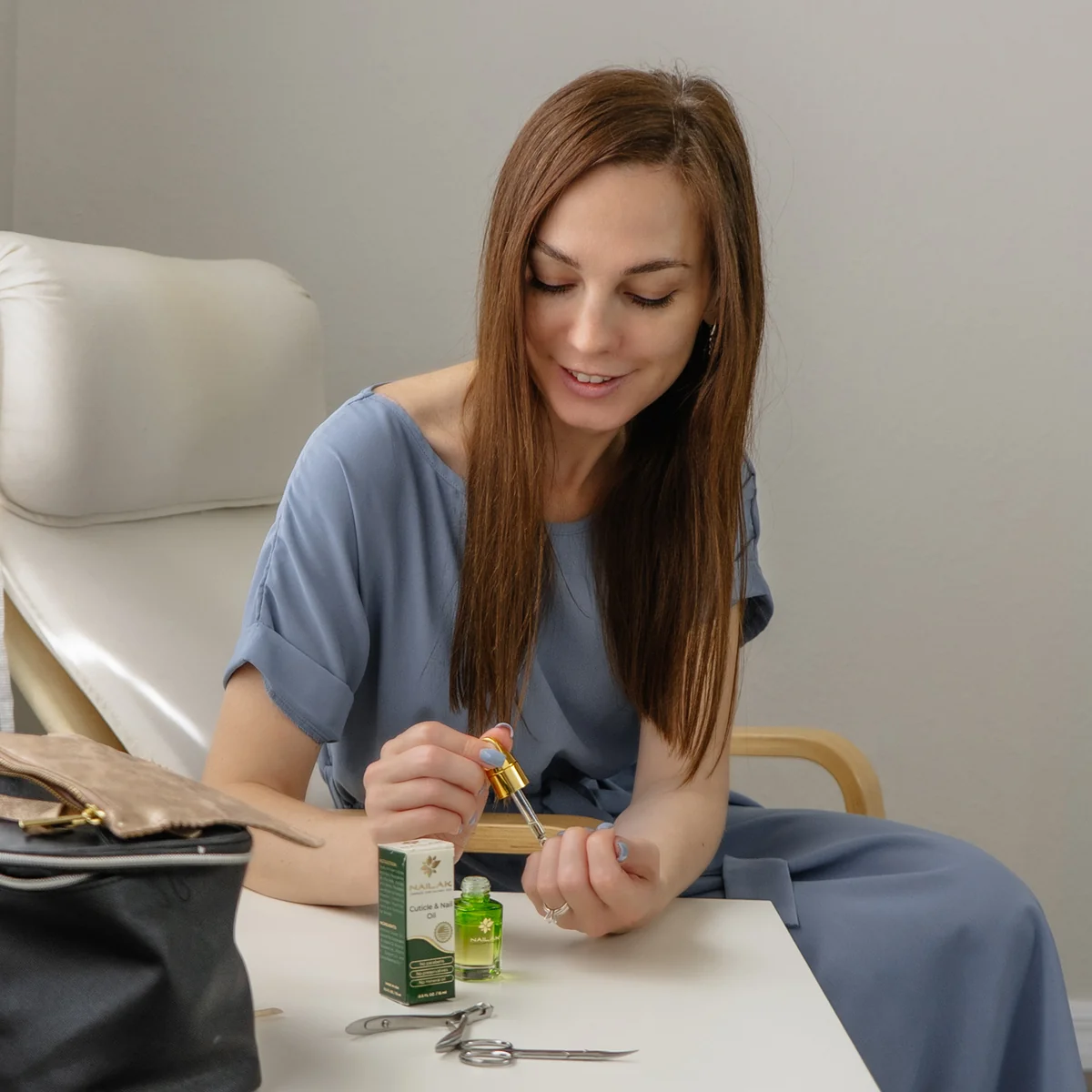
Apply a fast-absorbing oil 2–3 times a day. Jojoba oil is excellent—it mimics skin’s natural lipids and penetrates well. Look for blends with squalane, sweet almond, or vitamin E. Massage in for 30 seconds; massage boosts microcirculation.Use a flexible, reinforcing base coat
Choose a formaldehyde-free base coat with film-formers like nitrocellulose and nylon, plus plasticizers that flex. These create a breathable shield, reducing water loss and friction without making nails brittle. Reapply every 3–4 days; remove with non-acetone remover weekly.Wear gloves for chores and showers
Water swells nail keratin, and repeated swelling-shrinking leads to peeling. Gloves during dishwashing and cleaning are non-negotiable. Shorter showers help. Pat hands dry; avoid over-washing.Hydrate, then occlude
After oiling, apply a hand cream with urea (5–10%) or glycerin to hydrate, then a balm to lock in moisture overnight. Think of it as “sandwich care”: oil for lipids, humectants for water, balm to seal.Take smart polish breaks
If you love color, you don’t have to quit. Alternate: one week with a sheer, reinforcing base and color; one week with bare nails and oil-only care. Avoid back-to-back gel or dip while rebuilding.Support growth with protein and micronutrients
Nails are keratin. Aim for balanced protein at each meal—eggs, tofu, fish, legumes, yogurt. If your diet is limited, consider a collagen or amino-acid supplement, but manage expectations. Evidence for nail benefits is modest and takes months.Consider biotin carefully
Biotin may help brittle nails at 2.5 mg/day, but results vary and are most notable in deficiency. Biotin can skew lab tests. Speak with a healthcare provider before starting.Be patient
Nails grow roughly 3 mm per month. Repairs show first as fewer snags and smoother edges, then sturdier growth from the cuticle line.
Smart products and ingredients that work
When your nails are thin, ingredient choices matter. Look for formulas that strengthen by supporting flexibility and hydration—not by over-hardening.
Helpful players:
- Jojoba oil: Small molecules, excellent absorption, helps soften lateral nail folds.
- Squalane: Lightweight occlusive; adds slip without heaviness.
- Vitamin E: Antioxidant support for surrounding skin and nail plate.
- Phospholipids and ceramides: Reinforce the lipid matrix to reduce water loss.
- Urea (5–10%): Hydrates; ideal in hand creams for surrounding skin.
- Panthenol (pro-vitamin B5): Attracts moisture; improves nail flexibility.
- Nitrocellulose and nylon in base coats: Provide a protective film that moves with the nail.
Use caution with classic “nail hardeners.” Many rely on formaldehyde or methylene glycol, which crosslink keratin aggressively. That can feel strong short-term but often backfires, causing stiffness and future cracking. If you’ve been relying on these, transition to flexible, strengthening base coats and consistent oiling. Your nails will thank you.
Tip: Keep a tiny oil pen by your sink and one at your desk. Habit beats heroics.
Salon treatments without the damage
You can still enjoy salon care while you repair thin nails—if you set the rules.
Ask for gentle prep
No aggressive e-filing on the natural nail. Minimal buffing, just enough to remove surface shine.Choose flexible systems
If you wear gel, opt for a soft, soak-off base and thin layers. Avoid hard gels that require filing to remove. Ask your tech to cap the free edge to minimize peeling.Keep overlays light
A thin rubberized base or builder-in-a-bottle can add support without bulk. The goal is protection, not armor.Prioritize removal
Insist on proper soak-off with foil and time. No picking. No scraping. If your tech rushes removal, schedule more time.Consider a bonding treatment
Some professional systems use small molecules to penetrate and reinforce the top layers of the nail. They’re not magic, but they can help reduce peeling between services.
If your nails are very thin, consider a four-week break from gels or dips. Focus on oiling and a flexible base coat at home. Return to enhancements only when new growth looks stronger near the cuticle.
Food, rest, and daily rituals
Nail strength is a daily rhythm, not a single product. Your plate, your sleep, and your stress matter.
Build your meals around protein
Add an egg to breakfast, chickpeas to lunch, salmon or tofu at dinner. Aim for 20–30 grams of protein per meal to support keratin production.Add iron and supportive micronutrients
Leafy greens, beans, lentils, lean meats, pumpkin seeds, and fortified grains help. If you suspect deficiency—think fatigue, spoon-shaped nails, frequent splitting—speak to your doctor about testing.Hydrate like it matters
Water supports nail cell turnover and overall skin health. If plain water bores you, try herbal tea or infused water with lemon and cucumber. Hydration shows in your cuticles.Make rest non-negotiable
Sleep is when repair happens. Nails won’t thrive if you’re running on stress hormones and four hours a night. Create a wind-down routine—hand cream, oil, breath work—and your nails will catch the cue.
For comfort and nourishment, I love simple, warming meals that feel like care in a bowl. There’s a reason classic soups show up in winter rituals. Even beauty pros nod to their power; one editor’s French onion soup is touted as deeply nourishing and soul-soothing on cold days—sometimes even called a hangover hero. It’s not a nail cure, but it’s a reminder that gentle, mineral-rich comfort foods support the big picture of wellness that nails reflect. (source: https://wendyrowe.com/wellness/recipe-french-onion-soup)
Ritualize your care:
- Keep a small tray by the sofa: oil, hand cream, file.
- Oil after washing your hands and before bed.
- Do a five-minute “hand stretch and massage” while you scroll or watch.
- Track progress weekly with a quick photo. Celebrate small wins.
When to see a professional
Sometimes thin nails are a whisper of something deeper. Seek medical guidance if you notice:
- Sudden, significant thinning or splitting without a clear cause.
- Spoon-shaped nails (koilonychia) or severe ridges.
- Persistent discoloration, lifting from the nail bed, or painful inflammation.
- Nail changes alongside hair thinning, fatigue, or cold intolerance.
A dermatologist can check for iron deficiency, thyroid changes, and other issues. Ask about an iron panel, ferritin, vitamin B12, vitamin D, and thyroid function, based on your symptoms. If fungal infection or psoriasis is suspected, professional treatment will protect your nails while you continue gentle care.
A gentle 4-week rescue plan
Think of this as your handbook for how to repair thin nails, mapped into daily habits you can actually follow.
Week 1: Reset and protect
- Trim short; shape with a glass file.
- Seal the free edge.
- Apply a flexible base coat.
- Oil 3 times daily; hand cream and balm at night.
- Gloves for all chores.
- Keep nails bare of color or use a sheer polish on top of base, if you must.
Week 2: Hydrate and steady
- Continue oil 2–3 times daily.
- Refresh base coat mid-week; remove and reapply at the end of the week.
- Do one at-home cuticle care session: soften in warm water for 2 minutes, gently push back with a soft tool, no cutting.
- Add a protein target to every meal.
Week 3: Build resilience
- Keep nails short. If edges feel rough, seal with a file.
- Maintain the oil-cream-balm ritual.
- If nails feel stable, wear color for 3–4 days only, then strip and rest.
- Massage nails at bedtime for 60 seconds. Blood flow helps growth.
Week 4: Evaluate and refine
- Compare photos from Week 1. Look for fewer snags and stronger new growth at the base.
- Decide on your maintenance rhythm: one week color, one week bare; or bare with a sheer base for the next two weeks.
- If peeling persists, extend the repair plan for another month and consider a derm check.
Quick daily checklist:
- Oil after washing hands.
- Gloves for water and cleaning.
- Short nails, sealed edges.
- Flexible base coat, refreshed mid-week.
- Protein and hydration on your plate.
Your hands, your rhythm
There’s a particular confidence in hands that feel cared for. Not perfect—cared for. When your nails stop snagging and start shining with their own soft glow, the world feels a little less sharp. You reach for things without bracing. You stop hiding your hands in pockets or under sleeves. You remember that repair is rarely dramatic; it’s a dozen quiet choices made daily. A minute of oil. A smoother edge. A kinder routine.
Nails record the rhythm of our lives. Give them a steady beat—rest, nourishment, and small, true habits—and they’ll grow into it. That’s the secret to repairing thin nails and the gentlest way back to yourself.
Frequently Asked Questions (FAQ)
Q: How to repair thin nails after gel extensions?
A: Keep nails short for 3–4 weeks, oil 2–3 times daily, and use a flexible, formaldehyde-free base coat. Take a break from gels while new growth emerges. Insist on proper soak-off for any remaining product and avoid aggressive filing.
Q: Do nail hardeners fix thin nails?
A: Some hardeners use formaldehyde to crosslink keratin, which can make nails brittle over time. For thin nails, choose flexible strengtheners with nitrocellulose, nylon, and plasticizers, plus daily oiling. Flexibility is your friend during repair.
Q: Does biotin really work for thin nails?
A: Biotin may help in cases of brittle nails, especially with deficiency, at around 2.5 mg/day. Results vary and take months. Because biotin can interfere with lab tests, talk to your healthcare provider before starting.
Q: What oil is best for repairing thin nails?
A: Jojoba oil absorbs well and mimics skin’s natural lipids, making it an ideal base. Blends with squalane or sweet almond plus vitamin E add slip and antioxidant support. Apply 2–3 times daily, especially after washing hands.
Q: How long does it take to repair thin nails?
A: Plan for 8–12 weeks of consistent care. You’ll notice fewer snags within weeks, but full strength shows as new growth from the cuticle line. Keep nails short and stick with the oil-and-base routine to maintain progress.
Estimated word count: ~2,020 words