
Nail Recovery Routine: Restore Strength and Shine
The gel color looked perfect under the café’s hanging lights, the kind that turn everything golden for a moment and make even the chipped corners feel slightly glamorous. I was early for dinner, palms wrapped around a glass of sparkling water, watching tiny bubbles gather at the lip. My thumbnail caught on a sweater thread and, before I could stop it, a little curl of polish lifted away like a secret I wasn’t ready to share.
There was a time when I would’ve shrugged, promised myself a quick fix later, then booked another gel appointment to cover the damage. But lately, the cracks felt louder. I’d noticed my nails bending back when I opened the mail. White flecks like confetti along the tips. Cuticles that seemed permanently annoyed. That small peel at the café was just evidence of a bigger truth: my nails were asking for care, not another layer of camouflage.
On the ride home, I tucked my hands into my coat sleeves and thought about the week. Coffee cups. Constant handwashing. A blur of emails and errands that involved opening jars with my fingertips and using them like tiny tools. When did I stop treating my hands like part of my body and start treating them like gear?
The elevator smelled faintly of citrus cleaner. Upstairs, I set my bag down, clicked on soft light, and opened the drawer where I keep odds and ends: nail oil, an emery board with its label half worn off, a thick night cream I always forget to use. I pressed a drop of oil into each cuticle and waited for the skin to soften. You can almost feel the smoothness returning, the way a dry leaf becomes supple again with water.
My laptop chimed from the kitchen counter. For once, I ignored it. That night, I traded speed for intention. I filed gently in one direction until the frayed edges were tidy. I massaged in cream. I set a timer for two minutes and breathed while the product sank in. It wasn’t glamorous. It wasn’t even Instagram-worthy. But it felt like building something small and durable, a promise for later: I’ll take care of you. I’ll give you a real nail recovery routine, not just a quick disguise.
We talk a lot about glow-ups for skin and hair. Nails deserve one, too. They’re honest. They tell on us when we’re stressed, dehydrated, or rushing. And they reward consistency in a way that feels quietly triumphant. No dramatic reveal, just fewer snags, stronger tips, and the confidence to tap the table without bracing for a break.
If your nails are tired, thin, or always peeling, consider this your invitation. Let’s craft a nail recovery routine that restores strength and shine—and feels soothing every step of the way.
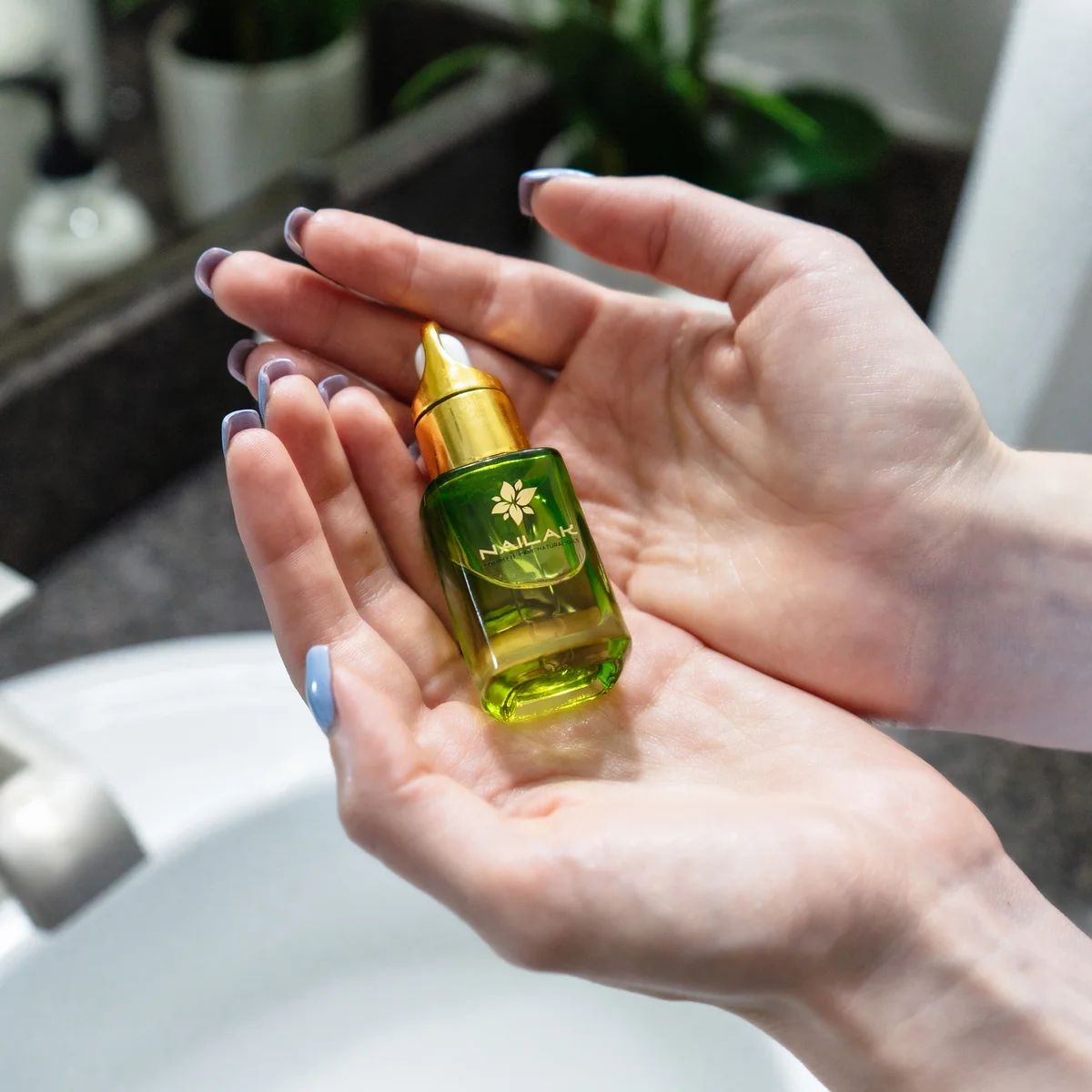
A thoughtful nail recovery routine blends gentle care, hydration, and smart habits to rebuild strength, smoothness, and lasting shine.
Why nails need recovery
Nails are made of hardened keratin, layered like shingles on a roof. When they’re healthy, those layers lie flat and tight. Water, chemicals, and friction can pry them apart. That’s why you see peeling, chips, and snagging edges.
Modern life doesn’t make it easy. Frequent handwashing, sanitizers, dishes, and typing stress our nails. Salon cycles—especially gels, acrylics, and harsh removers—compound the wear. Even low-grade dehydration and nutrition gaps slow growth and weaken structure.
Signs your nails are asking for recovery:
- Peeling layers at the tips
- Vertical or horizontal splitting
- Persistent dryness or brittleness
- Tender, ragged cuticles
- Nails bending with light pressure
Recovery doesn’t require perfection. It asks for consistent, gentle steps that respect how nails grow: slowly, from the matrix at the base. With steady care, you’ll notice more flexible strength, fewer breaks, and a natural glow that polish only imitates.
Build your nail recovery routine
Think in cycles. A 4–6 week period is ideal for visible improvement. Structure it like a training plan rather than a crash course.
A simple weekly framework:
- Days 1–2: Remove polish gently, shape, and start hydration.
- Days 3–4: Keep nails bare; apply oil and cream twice daily.
- Day 5: If desired, apply a breathable strengthening base coat.
- Days 6–7: Rest. Just oil, hand cream, and gloves for chores.
Daily micro-ritual (3 minutes):
- Wash with a mild, pH-balanced hand soap.
- Pat dry. Apply a pea-size hand cream.
- Dot a thin cuticle oil at the base of each nail and massage.
Every two weeks:
- Lightly refine shape with a fine-grit file.
- Push back softened cuticles gently. Don’t cut unless absolutely necessary.
- Swap any hardener for a conditioner if nails feel overly rigid or start to peel.
Product checklist:
- Non-acetone remover for regular polish weeks
- Fine-grit glass or crystal file
- Jojoba- or squalane-based cuticle oil
- Ceramide-rich hand cream
- Gentle strengthening base coat (formaldehyde-free)
- Cotton-lined gloves for chores
Here’s the secret: The best nail recovery routine is the one you can repeat. Keep your products where you’ll use them—by the sink, next to your nightstand, or in your bag.
Gentle cleansing and prep
Recovery begins with how you take things off, not what you put on.
- Choose the right remover. Use non-acetone for regular polish. If you must use acetone, buffer with oiling before and after, and limit contact time.
- File with intention. Shape in one direction with light pressure. Sawing back and forth pries layers apart.
- Respect cuticles. They seal the nail matrix. Soften with oil or warm water, then gently nudge back. Avoid aggressive cutting.
Step-by-step polish reset:
- Saturate a cotton pad, press on the nail for 10 seconds, then swipe.
- Rinse hands with lukewarm water; skip scorching hot water.
- Pat dry. Apply oil around the cuticle and under the free edge.
- After five minutes, seal with hand cream.
Tool hygiene matters. Disinfect files and pushers after use. Replace paper boards regularly. Clean nail brushes weekly. Healthy nails love clean tools.
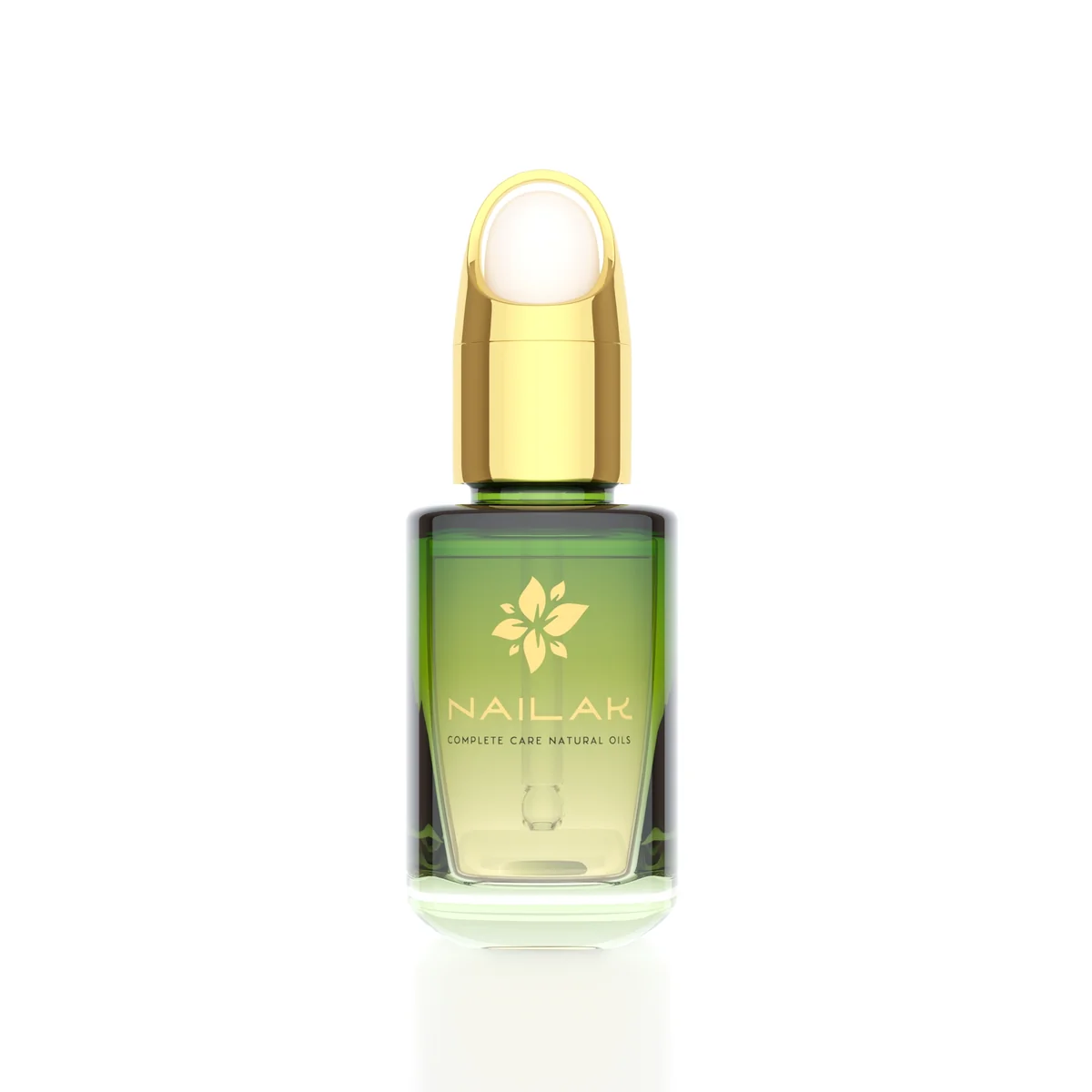
Rehydration: oils and creams
Nails don’t have oil glands. Hydration must come from the outside, and consistency wins.
Best-for-repair oils:
- Jojoba: biomimetic, penetrates well, excellent for daily use
- Squalane: lightweight, non-greasy, great daytime choice
- Vitamin E: supportive antioxidant, ideal blended into other oils
Cream companions:
- Look for ceramides, glycerin, and shea butter.
- Use lighter lotions by day; richer creams or balms at night.
- If your hands feel tight after washing, reapply immediately.
Two-minute oil massage:
- Dot oil at the base of each nail.
- Use your thumb to trace tiny circles from sidewalls to center.
- Pinch the free edge to coat the underside.
- Finish by pressing along the sides to encourage flexibility.
Try nighttime occlusion for stubborn dryness: oil, then a thin layer of balm, then cotton gloves for 20 minutes. You’ll wake to softer cuticles and nails that look freshly buffed—without buffing.
Hydration tip you’ll actually do: Keep a roller bottle of oil near your keyboard. A quick swipe during a loading screen counts.
Strengthening without stress
Strength doesn’t mean stiffness. Over-hardened nails can snap. Think flexible resilience.
Better-for-recovery approaches:
- Conditioning base coats with hexanal or calcium. They support the keratin network without brittle side effects.
- Keratin-infused treatments. Use once or twice weekly, not daily, to avoid overload.
- Minimal buffing. A gentle smoothing block is fine, but frequent buffing thins the plate.
Consider biotin if your diet is lacking, but align expectations. Some people see reduced splitting after months of steady intake. Focus first on food: eggs, salmon, nuts, and leafy greens.
Patch small tears rather than trimming them short. A silk wrap kit can reinforce a split while it grows out. Seal the underside, then the top, and finish with a conditioner.
A quick reminder from the broader world of beauty: what happens between services matters. Just as skin responds to care before and after in-office treatments, nails reflect what you do outside the salon. Daily hydration and gentle habits amplify every professional result. (source: https://www.newbeauty.com/ultherapy-prime-before-and-after-care/)
When to avoid hardeners:
- If nails peel in layers
- If edges snap cleanly instead of bending
- If you notice sensitivity around the tips
Switch to a hydrating base and oil massage for two weeks, then reassess. Let’s be honest—two simple steps done daily often outpace a shelf full of promises.
Smart polish and break cycles
You don’t have to quit polish to recover. You do need smarter rhythms.
Polish breaks that work:
- 5-on, 2-off rhythm. Wear polish for five days, then go bare for two.
- Polish-free Fridays. Let nails breathe at week’s end; start fresh on Sunday.
- Seasonal reset. One full week off each month for deeper hydration.
Better polish choices:
- Breathable or oxygen-permeable formulas for low-stress wear
- Gentle base coats that condition and reduce staining
- Quick-dry top coats only when necessary; they can be dehydrating
If you love gels:
- Space applications 3–4 weeks apart.
- Prioritize gentle removal: fully soak, no scraping.
- Apply oil before and after acetone exposure to minimize moisture loss.
- Alternate with a recovery month every third cycle.
Color can be strategic. Soft neutrals and sheer tints visually minimize chips and encourage you to keep sets on longer without picking. That alone reduces damage.
Daily habits that protect nails
Recovery thrives on small, repeatable behaviors. Protect the progress you’re making.
Everyday safeguards:
- Wear gloves for dishes, cleaning, and gardening.
- Tap with your fingertip pads, not nail tips, on keyboards and screens.
- Use a keychain tool for boxes and tabs—save your nails for beauty, not utility.
- Choose a sanitizer with glycerin or add a hand cream after.
- Reapply oil after each handwash. One tiny drop is enough.
Nutrition and lifestyle help nails grow strong:
- Aim for protein at each meal—keratin needs building blocks.
- Include healthy fats for supple skin and cuticles.
- Hydrate consistently. If your lips are dry, your nails probably are, too.
- Manage stress. Cortisol affects growth cycles more than we realize.
Travel-friendly kit:
- Mini oil roller
- Travel-size cream
- Glass file in a protective sleeve
- Bandage tape or silk wrap for emergency splits
Three to five actionable tips to start today:
- Put cuticle oil by the sink and use it after every wash.
- Switch to a ceramide hand cream and apply morning and night.
- File in one direction only; retire that old coarse board.
- Wear gloves for any task involving water or cleaners.
- Schedule a weekly 10-minute “nail reset” on your calendar.
Small changes compound. In a month, you’ll notice smoother edges, fewer breaks, and that satisfying “tap” of a stronger nail.
A small ritual, a bigger kind of confidence
There’s something intimate about caring for nails. It asks you to slow down, to pay attention to the delicate border between action and rest. When your nail recovery routine becomes a rhythm—oil after washing, gloves for chores, a weekly reset—you start to feel a quiet pride. Not the flashy kind. The steady kind that makes you reach for your glass without hiding your hands.
Strong nails won’t fix your day, but they change how you move through it. They’re a tiny proof point that you can rebuild what’s worn down by pace and pressure. A few mindful minutes, repeated with care, grow into something sturdier than polish: confidence, balance, and a softness with yourself that shows up in everything you touch.
Frequently Asked Questions (FAQ)
Q: How long does a nail recovery routine take to show results?
A: You’ll feel better hydration within a week. Visible strength improves in 3–4 weeks, with best results at 6–8 weeks as new growth reaches the tips.
Q: Are nail hardeners safe during recovery?
A: Use them selectively. Formaldehyde-based hardeners can create brittleness. Choose conditioning formulas with hexanal or calcium, and rotate with hydrating base coats.
Q: What’s the best oil for daily nail care?
A: Jojoba is a star because it mimics skin’s natural lipids and penetrates well. Squalane is a light, daytime-friendly option; vitamin E adds antioxidant support when blended.
Q: Can I wear gel polish while healing my nails?
A: Yes—space applications, prioritize gentle removal, and build in recovery breaks. Oil before and after acetone exposure, and alternate with a bare or breathable polish month.
Q: How often should I moisturize hands and cuticles?
A: After every wash for oil, and at least morning and night for hand cream. Keep products within reach to make it effortless.
Estimated word count: 1,965 words