
Nail Repair Oil: Restore Strong, Glossy Nails
The mug is warm in your hands, the early light catching the tiny chips on your index finger. Last weekend’s gel polish still flashes a stubborn sheen, but the edges are rough, snagging on your sweater as you reach for your bag. It’s not vanity—this is your everyday toolkit. You grip door handles, type late-night emails, wash dishes after dinner. Your hands are how you move through your life. And when your nails are thin or peeling, they don’t just look tired. They feel tired.
You’ve tried quick fixes. A hardening top coat that stings a little. A bright new polish that hides the breakage. A “miracle” cure that promises strong nails by Friday. And yet, by Wednesday, another corner bends, and you find yourself filing, trimming, hiding your fingers in pockets. It’s frustrating, especially when your mornings are already orchestrated down to the minute and you’re craving rituals that work quietly in the background.
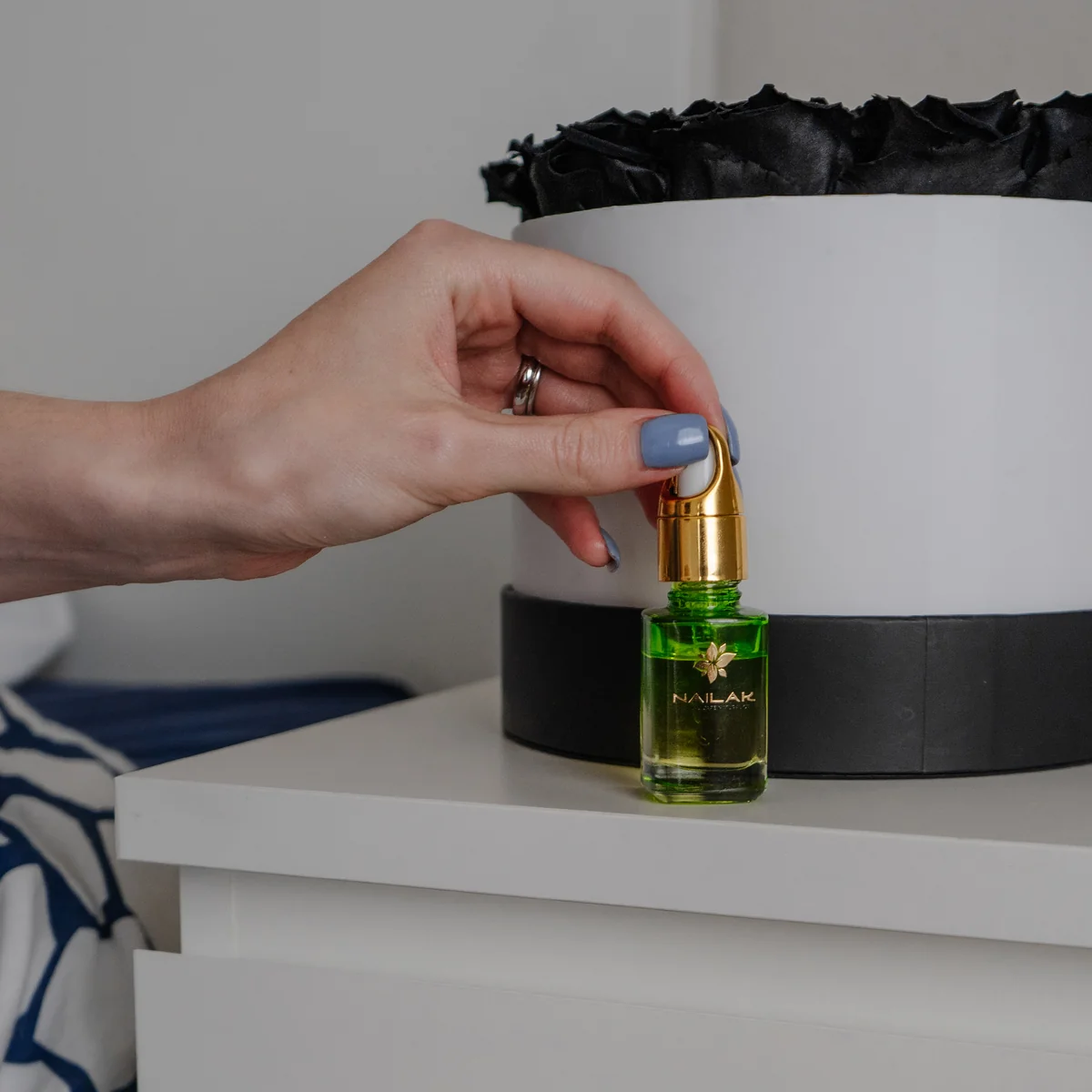
So this time, you make it simple. A tiny bottle lives on your nightstand: nail repair oil. No drama. No heavy scent. Just a silky slip between fingertips, cuticles, and the crescent of each nail. You pause for fifteen seconds to massage. The oil warms, and you can almost feel your nails exhale—like thirsty skin after rain.
And suddenly, that small habit turns into a micro-moment of self-respect. You’re not just painting over problems. You’re feeding the structure that keeps your nails intact and your polish smooth. You slow your breathing. Your shoulders loosen. It’s a mini reset that says yes to care and no to hustle culture’s relentless sprint. Because strong nails aren’t about perfection; they’re about steadiness. And steadiness, in a world that tugs at you from every angle, feels like relief.

Quick Summary: Nail repair oil restores hydration, reinforces the nail barrier, and helps prevent breakage through consistent, gentle care.
What nail repair oil actually does
Nail repair oil is a targeted blend of lightweight oils, antioxidants, and lipid-loving ingredients designed to restore moisture, improve flexibility, and reduce breakage. Instead of sitting on top like polish, it seeps into the nail plate and surrounding skin. That’s important because dehydrated nails are brittle nails—and brittle nails split.
Here’s what a well-formulated nail repair oil can support:
- Hydration: Oils like jojoba and squalane mimic natural sebum, helping nails retain moisture.
- Flexibility: A hydrated nail bends slightly instead of snapping.
- Barrier care: Nourished cuticles protect new nail growth from fraying at the base.
- Shine: A subtle gloss that looks fresh even without polish.
Let’s be honest: there’s no instant cure. Nails grow slowly—about 3 mm per month for fingers—so visible change requires consistent use. Nail repair oil is about compounding improvements, like daily SPF for hands or serum for skin. Small, steady, proven.
Why nails break in the first place
If you know what’s chipping your nails, you can stop it. Most breakage comes down to everyday friction and dehydration.
Common culprits:
- Water exposure: Repeated wet-to-dry cycles swell and contract the nail, creating micro-tears.
- Harsh cleansers: Strong surfactants strip natural oils from nails and cuticles.
- Frequent gel/acrylic removal: Aggressive filing and acetone can thin the nail plate.
- Seasonal shifts: Cold air and heating systems sap moisture.
- Nutritional gaps: Low protein and certain micronutrients may show up as weak nails.
- Habit stress: Picking, peeling polish, and using nails as tools (we’ve all done it).
Nail repair oil can’t undo a rough salon removal or replace a balanced diet, but it helps your nails be more resilient between life’s little stressors. Think of it as the moisturize-and-protect step for nails.
Ingredients that make a difference
Not all oils act the same. Some are quick to absorb; others create a soft seal. Blends often work best.
Look for these effective players:
- Jojoba oil: A wax ester structurally similar to skin’s natural oils. Absorbs fast, hydrates without greasiness.
- Squalane: Lightweight, non-comedogenic, and excellent for restoring suppleness.
- Sweet almond or avocado oil: Rich in fatty acids to cushion nails and soften cuticles.
- Vitamin E (tocopherol): An antioxidant that supports barrier integrity and helps reduce moisture loss.
- Phytoceramides: Plant-derived lipids that reinforce the protective layer around the nail and cuticle.
- Evening primrose or borage oil: Gamma-linolenic acid (GLA) supports smoothness and comfort.
- Bisabolol: A soothing component from chamomile that calms irritated cuticles.
Optional spot players:
- Tea tree oil (very diluted): Can help with nail clarity; always patch test and keep dilution low.
- Rosemary extract: Gentle antioxidant benefits.
Good-to-know:
- Heavier oils (like castor) add sheen and a protective finish but may feel sticky. In low doses, they’re lovely.
- Fragrance can be irritating, especially on sensitive cuticles. Consider fragrance-free or naturally low-scent blends.
In beauty, barrier support is trending for a reason. When formulas protect what you already have, you see steady, graceful results. Even in skincare, newer product lines focus on calming, strengthening, and smoothing rather than harsh corrections—a direction echoed in many anti-aging reviews and roundups online, which highlight barrier-minded serums and moisturizers for resilient skin. It’s the same philosophy we’re bringing to nails with nail repair oil. (source: https://thedermreview.com/ad/alastin-skin-nectar-review/)
How to use nail repair oil daily
Consistency beats intensity. A few drops, twice a day, can change everything about how your nails feel and perform.
Daily method:
- Clean start: Wash hands with a gentle, non-stripping soap. Pat dry.
- Apply: Brush or dot nail repair oil onto each nail and cuticle.
- Massage: Spend 10–15 seconds per hand. Warmth boosts absorption.
- Seal the moment: If you have time, top with a thin hand cream, focusing on knuckles and backs of hands.
Timing tips:
- Morning: Before the day gets busy, oil your nails after sunscreen. It sinks in as you sip coffee.
- Night: Keep the bottle bedside. Massage while your nighttime playlist or show is on.
Manicure days:
- Pre-polish: Oil the night before to avoid affecting polish adhesion on application day.
- Post-removal: After gel or acrylic removal, increase oiling to 2–3 times daily for a week.
Polish lovers, listen up:
- Oil can extend the life of polish by keeping nails flexible.
- Avoid oil immediately before painting; it can cause lifting. Use a little post-polish around the cuticle, not on the nail plate.
Actionable tips to lock in results:
- Wear gloves for dishes and cleaning.
- Keep a travel-sized bottle in your bag for quick touch-ups.
- Choose acetone sparingly; follow with oil immediately after use.
- File smart: Use a fine-grit file and go in one direction to prevent shredding.
- Hydrate from the inside: Water, protein, and omega-3s support healthier nail growth.
A 30-day repair plan
Week 1: Reset
- Oil twice daily, every day.
- Trim to a manageable length to prevent snagging.
- File in one direction; gently buffer ridges only if needed.
Week 2: Reinforce
- Keep twice-daily oiling.
- Add a clear strengthening base coat with conditioning agents (avoid excessive formaldehyde-based hardeners).
- Wear gloves for all cleaning tasks.
Week 3: Maintain
- Oil morning and night; add a midday swipe if nails feel dry.
- Micro-trim any corners that snag rather than peeling.
Week 4: Protect and polish (if you want)
- Continue oiling; apply polish only if nails feel flexible and smooth.
- Stick to non-damaging removal and repeat the cycle.
By day 30, nails typically look glossier, edges feel stronger, and polish lasts longer thanks to improved flexibility.
Fit it to your lifestyle
Different routines, different needs. Nail repair oil adapts.
If you work with your hands:
- Keep nails short with softly rounded edges to reduce stress points.
- Oil nightly and after any long handwashing sessions.
- Use finger cots or gloves for repetitive tasks when possible.
If you’re a gel/acrylic regular:
- Book gentle removals. Your nail tech can wrap with acetone and minimize filing.
- Oil diligently during the “naked” days between sets.
- Ask for a slightly shorter length while you rebuild strength.
If you’re a runner or into strength training:
- Sweat isn’t the issue; friction is. Keep nails filed and smooth.
- Post-workout shower? Reapply nail repair oil afterward to counter water exposure.
If you’re often traveling:
- Cabin air is dry. Bring a cuticle oil pen for in-flight use.
- After sanitizers, follow with oil to rehydrate.
- A minimal travel routine: oil, hand cream, gentle hand wash.
If you’re postpartum or managing big life shifts:
- Nails can become brittle with hormonal changes and stress.
- Build a two-minute wind-down with oil and a deep breath at bedtime. It’s tiny, but grounding.
Myths, mistakes, and smart swaps
The internet loves quick fixes. Your nails deserve better. Let’s clear the clutter.
Myth: “Hardness equals health.”
- Reality: Over-hardened nails are more likely to crack. Aim for flexible strength. Nail repair oil builds resilience, not rigidity.
Myth: “I don’t need oil if I wear polish.”
- Reality: Polish can slow water loss, but it doesn’t nourish the nail or cuticle. Oil keeps the base healthy so polish lasts longer.
Myth: “If my nails peel, I should buff more.”
- Reality: Over-buffing thins the nail plate. Smooth lightly only where necessary and let oil do the softening.
Common mistakes:
- Applying oil only on the cuticle. Bring it onto the nail plate and under the free edge.
- Oiling once a week. Nails need daily moisture to bounce back.
- Using nails as tools. Reach for a key or utensil instead.
Smart swaps:
- Swap harsh hand soaps for a gentler formula with glycerin.
- Swap acetone-only removers for conditioning removers when you can.
- Swap daily hot baths for warm water and keep oil close by to replenish.
Signs it’s working:
- Fewer snags at corners.
- A natural, soft shine even without polish.
- Less peeling when you file.
When to see a pro:
- If you notice discoloration, pain, or persistent thickening or lifting, visit a dermatologist. Nail repair oil is fantastic for cosmetic care but isn’t a medical treatment.
A softer finish: confidence in your hands
There’s a quiet kind of confidence that comes from hands you trust—hands that don’t snag on silk, that glide easily across a laptop keyboard, that button your favorite blouse without a second thought. Nail repair oil seems small, almost too simple for our busy lives. Yet it’s the pause in the day that says: I’m worth these seconds.
Self-care doesn’t have to be a weekend retreat. It can be a nightly brush of oil, a breath, and the pleasure of watching tiny changes add up. Stronger nails make ordinary tasks feel more elegant. And that elegance is not about perfection. It’s about moving through your day with less friction and more ease.
Let’s be honest, life will still toss you chipped polish now and then. But with a ritual that strengthens the base, you bounce back quicker. Your nails tell the story of care that compounds. And so do you—steady, luminous, and wholly yourself.
Frequently Asked Questions (FAQ)
Q: How often should I use nail repair oil? A: For best results, apply nail repair oil twice daily—morning and night. If your nails are very dry or you’ve just removed gel or acrylics, add a midday application for one to two weeks.
Q: Can nail repair oil fix splits and peeling? A: It helps reduce future peeling by improving hydration and flexibility. For existing splits, keep nails short, file in one direction, and oil consistently. Severe or painful splitting should be assessed by a professional.
Q: Which ingredients should I prioritize in a nail repair oil? A: Look for jojoba, squalane, vitamin E, and ceramide-like lipids. These support moisture retention and barrier health. If you have sensitive skin, choose fragrance-free and avoid high concentrations of essential oils.
Q: Will nail repair oil affect my gel or regular manicure? A: Oil extends polish wear by keeping nails flexible, but avoid oil immediately before painting—it can interfere with adhesion. Oil the night before a manicure and resume around the cuticles after polish dries.
Q: Is tea tree oil safe to include? A: In low, well-diluted amounts, tea tree can be fine for many people. Patch test first and avoid if you notice irritation. Sensitive or pregnancy-safe routines may prefer fragrance-free, essential-oil-free blends.
Estimated word count: 1,965 words.