
How to Strengthen Weak Nails Naturally: Expert Guide
The first chip happened as I zipped my coat. A tiny crescent peeled from the corner, catching the fabric and my attention. By lunchtime, another snag left a scratch across my favorite black turtleneck. It wasn’t dramatic—no broken nail flying across a boardroom—but the feeling was familiar. Fragile nails turn ordinary moments into little interruptions. You pause. You smooth. You hope no one notices. And you want a better answer than “Just stop washing your hands so much.”
Maybe you’ve tried to baby them. You avoided salon gels for a month. You tried a “hardening” formula that felt tight and shiny the first day, then flaked like paint by day three. You massaged oil in while watching your show, then forgot by the weekend. Weak nails can bring quiet frustration to every small task—snapping open a soda can, putting in earrings, untying a knotted shoelace.
Here’s the thing: our nails are living history. They record our habits, our stress, our routines, and our recovery. They are made mostly of keratin, layered like shingles on a roof, and those layers dry out, separate, and split when we repeat the same stresses. Too much water, too little oil. A remover that’s too harsh. Hours typing, tapping, cleaning, and scrolling. Even your favorite lemon-scented dish soap can leave nails whisper-dry if you use it daily without protection.
If you’ve felt that quiet pang of embarrassment when your manicure looks worn by Wednesday, you’re not alone. I’ve been there. The good news is that “How to strengthen weak nails naturally” isn’t a mystery ritual or a secret product you haven’t found yet. It’s a pattern—a handful of small decisions that add up to stronger, smoother nail plates and calmer cuticles. No extreme promises. No overnight magic. Just the kind of beauty care that respects your time and your life.
Let’s make your nails a soft power move again. Subtle. Polished. Comfortably strong in the background of everything else you do.
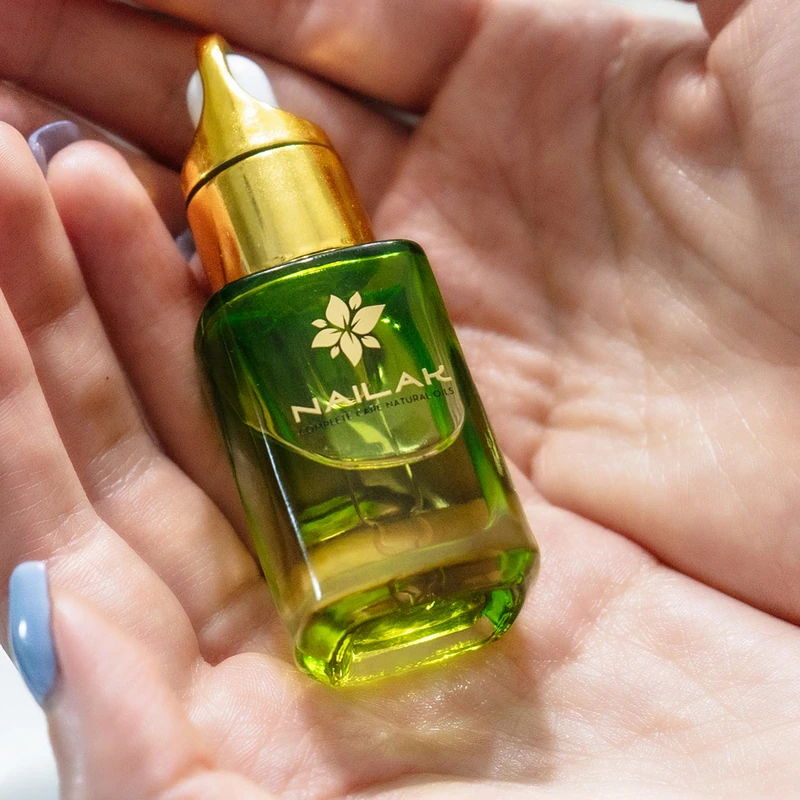
A gentle, ingredient-smart routine and steady daily habits can naturally strengthen weak nails within 8–12 weeks.
Why Nails Get Weak
Weak nails aren’t a character flaw. They are chemistry. The nail plate is a stack of flattened keratin cells held together by natural oils and water. When that balance tips—too little oil, too much water, or repetitive trauma—the layers separate. That causes peeling, splitting, and easy breaks.
Common culprits:
- Frequent wet-dry cycles. Water swells the nail; drying shrinks it. Repetition stresses layers.
- Harsh solvents and cleansers. Acetone, strong detergents, and alcohol-heavy sanitizers strip oils.
- Over-filing and buffing. The thinned plate loses structure and flexibility.
- Picking and pushing. Scraping off gel polish or picking at cuticles lifts layers and causes micro-tears.
- Nutrient gaps. Low iron stores, insufficient protein, or certain deficiencies can show up in nail quality.
- Environmental stress. Cold weather, low humidity, and indoor heating dehydrate nails and skin.
The goal isn’t to make nails “hard as rocks.” Nails should be flexible. Resilience comes from balanced hydration, a conditioned surface, and smart protection so those keratin layers stay together.
Daily Habits That Build Strength
Think of nails like delicate fabric. Strong when supported, vulnerable when tugged. These small shifts pay off quickly.
- Wear gloves for wet work. Dishwashing, scrubbing, or long showers? Gloves buffer nails from constant swelling and shrinking.
- Keep nails short while healing. A short, softly squared shape reduces leverage, so tips don’t split with daily tasks.
- File with a glass file. Move in one direction with gentle strokes. Avoid sawing back and forth.
- Moisturize after every hand wash. Pair a lightweight hand cream with a drop of oil massaged into the nail and cuticle.
- Switch to a gentle remover. Use non-acetone for regular polish removal; limit acetone for gel removal only.
- Stop pushing back dry cuticles. Soften with warm water or a cuticle softener first, then nudge gently, never scrape.
- Take polish breaks. Give nails a few polish-free days each month to rebalance moisture.
H3: Mini habit stack you’ll actually keep
- Leave cuticle oil next to your hand soap.
- Keep a travel tube of cream in your bag.
- Store gloves by the sink so you’ll wear them.
- Set a nightly phone reminder for a 60-second oil massage.
Consistency beats perfection. A simple, repeatable routine will always be kinder to your nails than a complicated one you won’t stick with.
Nutrition for Resilient Nails
Nails grow from the matrix, the small, living factory under the cuticle. Fuel matters.
- Protein. Keratin is protein. Aim for quality sources at each meal: eggs, legumes, fish, tofu, poultry, Greek yogurt.
- Iron and ferritin. Low iron stores can show as brittle nails. If you suspect anemia, ask your provider for a ferritin test.
- Biotin. Evidence supports biotin for brittle nails mainly when deficiency exists. Otherwise, results are mixed. If you try it, 2.5 mg daily for 12 weeks is a typical studied dose—check with your provider first, as biotin can affect certain lab tests.
- Zinc and B vitamins. Essential for cell turnover. A balanced diet usually covers needs; supplementation should be guided, not random.
- Omega-3s. Support skin barrier health, which helps the cuticle area stay supple.
- Hydration. Nails need water—but sealed in. Drink fluids steadily and seal moisture with oils topically.
H3: A nail-friendly sample plate
- Breakfast: Greek yogurt with chia, berries, and a drizzle of honey.
- Lunch: Lentil and quinoa salad with arugula, pumpkin seeds, and lemon-olive oil dressing.
- Snack: A small handful of almonds and an orange.
- Dinner: Salmon with roasted sweet potatoes and sautéed spinach.
Even the way we move can echo into our self-care. A recent wellness piece reminded me that discomfort in hard-working joints, like the hips, is common and often ignored, even by younger people. It’s a cue to listen, adjust, and protect—principles that apply to nail care too. Small supports, used consistently, prevent bigger problems down the road (source: https://www.beautythatwalks.com/3-tips-to-reduce-hip-pain-why-you-should-never-ignore-it/).
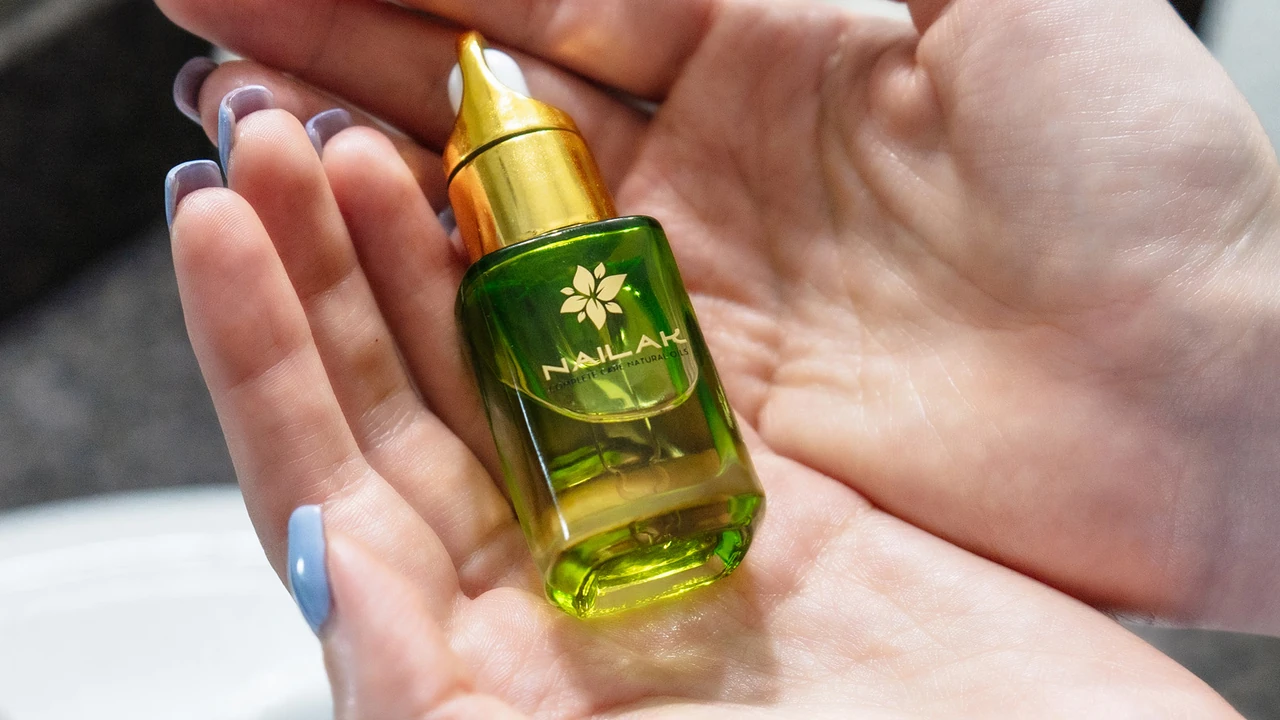
Ingredient Spotlight: Oils and Actives
When you’re focused on how to strengthen weak nails naturally, ingredients matter. You want moisture in, layers sealed, and damage minimized.
H3: Best oils for nails and cuticles
- Jojoba oil: Technically a wax ester, it mimics skin’s sebum and penetrates well. Excellent daily.
- Sweet almond oil: Softens and adds slip. Great paired with jojoba.
- Squalane: Lightweight and fast-absorbing, ideal for daytime.
- Avocado oil: Rich and cushiony for overnight use.
H3: Humectants that hydrate Use a water-based layer first, then seal with oil.
- Glycerin: Binds water to the nail surface.
- Aloe vera: Calms and lightly hydrates.
- Urea (5–10%): At low levels, hydrates and smooths nail surface. Apply to nail and cuticle before oil.
H3: Strengtheners to skip or use sparingly
- Formaldehyde hardeners: They can make nails brittle long-term and may cause irritation or sensitivity. If used, do so under professional guidance and for short periods.
- Rough buffers: Over-buffing thins nails. A soft buff once a month is plenty for shine.
H3: Protective base coats Look for breathable, conditioning base coats with:
- Phospholipids or plant oils to support flexibility.
- Hydrolyzed keratin or calcium to fill ridges temporarily.
- Nylon or silk fibers to create a micro-mesh that reduces chipping.
They won’t “repair” nails, but they act like a safety net while your routine rebuilds strength.
Smart At-Home Nail Care Routine
Here’s a simple routine you can commit to. It’s efficient and focused on repair.
H3: Nightly, 2 minutes
- Wash hands with lukewarm water and a gentle cleanser. Pat dry.
- Apply a pea-size amount of a lotion with glycerin or urea to nails, cuticles, and hands.
- Seal with a drop of jojoba or squalane per nail. Massage for 60 seconds.
- Optional: Slip on thin cotton gloves for 20 minutes or overnight.
H3: Morning, 30 seconds
- Press a tiny amount of oil into each cuticle after SPF application. Think “lip balm for nails”—a quick recondition.
H3: Weekly reset, 15 minutes
- Soak fingertips in warm water for 3–4 minutes or apply a cuticle softener.
- Gently push back cuticles with a soft tool. Do not cut living tissue.
- Shape with a glass file. Aim for short and slightly squared to reduce splits.
- If polishing: Apply a conditioning base coat, two thin color coats, and a flexible top coat. Cap the free edge each layer.
H3: Gel and dip removal rules
- Resist peeling, no matter how tempting.
- File the top shine lightly. Soak cotton in acetone, place on nail, wrap with foil, and check every 10 minutes.
- Use an orange stick to nudge softened product; do not scrape hard.
- Follow with a hydrating lotion and oil. Take a two-week polish break after back-to-back gel sets.
H3: Slugging for nails Once or twice a week, moisturize, then seal with a thicker oil like avocado or a balm. Wear cotton gloves while you read or sleep. You’ll wake with softer cuticles and a smoother nail surface.
Gentle Fixes for Common Nail Problems
H3: Peeling at the tips
- Keep nails short for 3–4 weeks.
- Use an oil after every hand wash.
- Apply a fiber-rich base coat for a smoother edge.
- Avoid soaking nails for long baths; wear gloves for cleaning.
H3: Vertical ridges
- Normal with age and growth patterns.
- Use a ridge-filling base coat to even texture.
- Do not buff aggressively; it thins the plate.
H3: Hangnails and inflamed cuticles
- Never tear. Clip only the dead skin with a clean, sharp tool.
- Apply a thick layer of urea cream at bedtime plus oil.
- Replace harsh hand sanitizers with a gentler formula and follow with lotion.
H3: Soft, bendy nails
- Focus on protection, not hardness.
- Short, squared shape; avoid long overlays.
- Limit long soaks; hydrate and seal daily.
When Weak Nails Signal More
Most weak nails come from overexposure and under-moisturizing. But sometimes, nails ask for deeper care.
- Sudden changes in nail texture or color.
- Pitting, severe ridging, or separation from the nail bed.
- Painful swelling around nails or recurring infections.
- Persistent brittleness despite good care for 12 weeks.
If you see these, check in with a dermatologist or your primary care provider. Low iron, thyroid disorders, skin conditions like eczema or psoriasis, or fungal infections can all affect nails. A simple evaluation can save months of guesswork.
H3: The 12-week timeline
- Weeks 1–2: Cuticles feel calmer; less snagging.
- Weeks 3–6: Fewer splits; improved sheen.
- Weeks 7–12: Stronger free edge as new, healthier nail grows out.
Remember, nails grow slowly—about 3 mm per month. Your care today shows at the tips later. Keep going.
A Softer Path to Confidence
Let’s be honest: the goal isn’t “perfect” nails. It’s ease. It’s grabbing your keys without a snag. It’s smooth polish that lasts through a full, beautiful week. It’s the quiet confidence of hands that look cared for because you cared for yourself.
Strong nails grow from gentle decisions. Gloves by the sink. Oil by the soap. A balanced plate on your table. Pauses that say, “I’m worth an extra minute.” These moves feel small, but they ripple through your day. The more you protect and nourish, the more your nails reflect a steadier kind of strength—supple, resilient, and ready for whatever you hold next.
If you take away one strategy for how to strengthen weak nails naturally, let it be this: moisturize and seal every single day. That’s your tiny anchor. Layer in protein, kinder removers, and smart shaping, and your nails will return the favor with quiet, lasting strength.
Frequently Asked Questions (FAQ)
Q: Does biotin really help strengthen weak nails naturally?
A: Biotin can help in cases of brittleness linked to deficiency, but it isn’t a universal cure. If you try it, many studies used 2.5 mg daily for about 12 weeks. Check with your provider first, especially because biotin can interfere with certain lab tests.
Q: Are gel manicures bad for already weak nails?
A: The biggest risk is removal, not the gel itself. Peeling or scraping off gel lifts nail layers. If you love gel, stick to proper soak-off removal, take periodic breaks, and hydrate daily with lotion plus oil.
Q: What’s the best oil for nail growth and strength?
A: Jojoba is an excellent daily staple because it penetrates well. Squalane is great for daytime, and avocado oil is deeply nourishing overnight. Pair oils with a humectant lotion first for better hydration.
Q: How long until I see stronger nails?
A: Expect early improvements in 2–3 weeks—smoother cuticles, fewer snags. True strength shows as the nail grows out, usually 8–12 weeks, with consistent care.
Q: Should I use a nail hardener?
A: Avoid formaldehyde-based hardeners for routine use; they can make nails brittle over time. Choose a conditioning base coat with flexible film-formers and fibers, and focus on daily moisture and protection.
Estimated word count: 1960