
How to Rebuild Nail Strength: A Gentle Guide
Steam curls up from your evening tea as the last streak of daylight fades behind the window. The house has finally gone quiet. You tuck your legs under a soft throw, open your phone to a fresh playlist, and notice it: a little snag on your index nail catching on the knit. You rub your thumb over the edge, hoping it smooths out. It doesn’t.
It’s a familiar story—thin, bendy nails after back-to-back gel appointments, or a winter of constant handwashing. Maybe there was one broken nail that set off a domino effect, leaving the rest feeling fragile too. You file a little, paint a clear coat, and promise yourself you’ll do better. But the cycle continues. You want resilience, not just a glossy band-aid.
Here’s a truth that feels comforting: your nails are living history. They record your habits, your stress, your care, your neglect. And the good news? They also respond to gentle, consistent change. The question of how to rebuild nail strength isn’t a mystery. It’s a ritual. A series of small, mindful moves that add up.
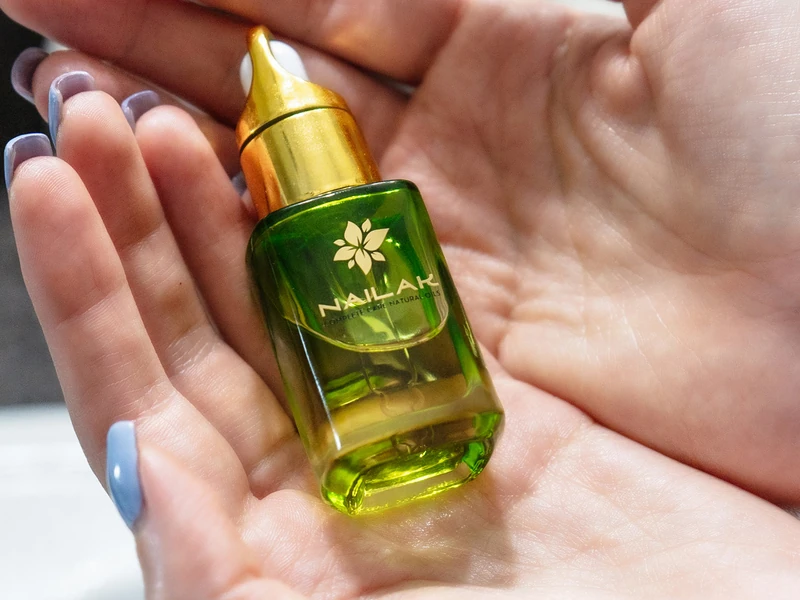
Tonight, you set the mug down and massage a drop of oil into each cuticle. Bright, botanical notes rise with the warmth of your skin. You trace the arches of your nails, encouraging circulation with tiny circles. It feels like a quiet promise. No big declarations. Just steady attention. In a few weeks, you want nails that don’t tear on sweaters or split just as they get long. You want smooth tips that glide over silk pillowcases and glossy polish that lasts.
Let’s be honest: quick fixes can be tempting. But strength doesn’t come from harsh hardeners or more coats. It comes from nourishment, smart habits, and patience. You can almost feel the smoothness in your future—clean, luminous nails that move through daily life without complaint. If you’ve been wondering how to rebuild nail strength, start here, with an approach that respects both your nails and your nervous system. Make the process soothing, and watch how your hands reflect the change.

A gentle, science-informed ritual can rebuild nail strength through nourishment, smart care, and consistent, soothing habits.
What Weak Nails Are Telling You
Fragile nails speak a language. When they peel, split, or snap, they’re telling you about stress, dehydration, or wear.
Common causes:
- Repeated soaking and drying that dehydrates the nail plate.
- Over-filing and aggressive buffing, which thin layers.
- Harsh removers, especially acetone on repeat without replenishing oils.
- Nutrient gaps, like low protein intake.
- Life shifts, from seasonal changes to postpartum or high-stress seasons.
Nails are keratin. They need protein and lipids to hold layers together. They also need protection from friction and water. Each nail grows at its own pace, roughly 2–3 millimeters a month. That means today’s care shows up in a few weeks. The timeline isn’t instant, but it’s dependable.
Here’s the secret: you don’t need to do everything. Choose a few practices you’ll keep. Consistency is kinder—and more effective—than perfection.
Daily Rituals to Rebuild Nail Strength
Strong nails are built in everyday moments. Keep the routine grounded and doable.
H3: Hydrate and seal
- After every handwash, pat dry and apply a pea-size hand cream. Follow with a drop of nail oil per nail. The cream hydrates; the oil seals.
- Look for oils like jojoba, squalane, or sweet almond. They sink in quickly and mimic skin’s natural lipids.
H3: Cuticle care, not cuticle trauma
- Skip aggressive cutting. Instead, soften cuticles in the shower, then gently push back with a soft tool.
- Massage oil into the cuticle area nightly. Circulation boosts growth and keeps the nail plate flexible.
H3: Glove up for chores
- Wear gloves for dishes and cleaning. Water swells the nail; repeated swelling and drying weaken it.
- If your hands will be wet for more than a minute, gloves are your new best friend.
H3: Build micro-habits that add up
- Keep a mini oil by the sink, one by the couch, one in your bag.
- Pair oiling with another habit: after brushing teeth, during your evening show, before reading.
H3: What to avoid for now
- Acetone soaks, peel-off polish, and picking at gels.
- Hard scrubbing with brushes or metal tools under the nail.
- Constant length experiments. Pick a short, practical shape and let it grow in peace.
These rituals support the moisture-protein balance that makes nails resilient. They fit into real life, so they actually happen.
Smart Filing, Buffing, and Shaping
Technique matters. The way you file can either seal layers—or shred them.
H3: Choose the right tools
- Use a 180–240 grit file for natural nails. Coarser grits are too rough.
- Glass files are gentle and seal edges as they go.
H3: File like a pro
- File in one direction from side to center. Avoid sawing back and forth.
- Keep the tip short as you rebuild. Shorter nails absorb less impact.
- Shape to match your cuticle line. A soft square or rounded square is both flattering and strong.
H3: Buff sparingly
- Buff no more than once a month, and only to smooth ridges lightly.
- Skip heavy buffing that thins the nail. If ridges bother you, use a ridge-filling base coat instead.
Edge sealing is your friend. After filing, lightly run the file along the very tip—just once—to close layers. This tiny move can prevent peeling.
Nourish From the Inside Out
Nails mirror what you eat and drink. Support their structure from within.
H3: Protein, the foundation
- Aim to include protein with each meal: eggs, fish, legumes, tofu, yogurt, or lean meats.
- As a simple cue, picture a palm-sized portion at lunch and dinner.
H3: Biotin and B-complex caveats
- Biotin supports keratin production for some people, but it can interfere with lab tests.
- Focus first on food sources (eggs, seeds, nuts). If you supplement, discuss it with a healthcare provider.
H3: Minerals that matter
- Iron, zinc, and magnesium support healthy nail growth. Think leafy greens, beans, pumpkin seeds, and seafood.
- If you suspect a deficiency, seek guidance before supplementing.
H3: Fats and hydration
- Healthy fats—avocado, olive oil, fatty fish, walnuts—help maintain the lipid layer.
- Drink water steadily throughout the day. Hydration shows in your skin and nails.
Nutrient density looks like color on your plate. It also looks like smoother, more resilient nails over time. Gentle changes stick. Start with one upgraded snack or an extra glass of water, then build.
A Calm Night Routine for Stronger Nails
Night is when your nails soak up care best. Make it sensual and simple.
- Step 1: Wash hands with warm, not hot, water and a mild cleanser.
- Step 2: Apply a nourishing hand cream. Press, don’t rub, to reduce friction.
- Step 3: Add a drop of oil to each nail and massage for 60 seconds per hand.
- Step 4: If your nails are very dry, seal with a thin balm and slip on cotton gloves for 20 minutes.
Let’s be honest: when your bedtime routine feels good, you actually do it. Calming rituals help your body unwind and invite consistency. One soothing idea I love is incorporating lavender in the evening. A recent how-to on making a homemade lavender “sleepy soap” framed bath time as a sanctuary, and it’s a reminder that small sensory touches make routines irresistible (source: https://helloglow.co/homemade-lush-like-lavender-sleepy-soap/)
Pair that calm with consistent nail oiling, and you’ve covered both sides: nervous system and nail plate.
Your 7-Day Nail Rebuild Plan
If you’re wondering how to rebuild nail strength without overwhelm, use this one-week reset. It’s realistic, repeatable, and kind.
- Day 1: Trim and shape. Choose a short, rounded-square shape. Use a 180–240 grit file, one direction only. Seal edges. Start oil at night.
- Day 2: Hydration habit. After each handwash, apply a pea-size hand cream plus a drop of oil per nail. Keep products visible at the sink.
- Day 3: Cuticle kindness. After a shower, gently push back softened cuticles. No cutting. Massage oil for 60 seconds per hand before bed.
- Day 4: Protection day. Wear gloves for dishes and cleaning. Notice how much water your hands meet. Reduce where possible.
- Day 5: Nutrition boost. Add a protein-rich snack and a handful of nuts or seeds. Drink an extra glass of water.
- Day 6: Mini check-in. Lightly refine shape if needed. Don’t over-file. If tips feel rough, seal edges with a single pass.
- Day 7: Night ritual deluxe. Cream, oil, then balm. Wear cotton gloves for 20 minutes while you read or watch a show.
Repeat this plan for three weeks. Expect a subtle shift after 10–14 days: smoother growth near the cuticle, fewer catches on fabrics, and a silkier feel after oiling. At the 4–6 week mark, new growth should look denser and less prone to peeling.
H3: Strengtheners vs. hardeners
- Consider a flexible, nourishing strengthener with ingredients like keratin, calcium, and oils.
- Skip rigid hardeners with formaldehyde that can make nails more brittle over time.
H3: Polish strategy while rebuilding
- If you love color, keep it sheer and breathable, and give your nails 2–3 polish-free days between manis.
- Always use a base coat to prevent staining and a top coat to reduce chipping. Remove polish gently and moisturize immediately.
Consistency is your edge. Measure progress by fewer snags and less breakage, not just length. Strong nails don’t always mean long nails. They mean dependable nails.
Strength That Shows Up Softly
There’s a quiet confidence in a hand that’s been cared for. Not perfect. Not polished to hide something. Just tended to with steady attention, the way you water a plant or keep a favorite mug spotless. Rebuilding nail strength is really a practice in noticing—your habits, your energy, your capacity, what helps and what doesn’t.
When you slow down to massage oil, you create five small pauses on each hand. Ten tiny reminders that softness can coexist with strength. The result isn’t only smoother tips and fewer breaks. It’s the feeling of being on your own side. And that feeling shows up everywhere: in the way you carry your bag, type your notes, and touch the world.
Frequently Asked Questions (FAQ)
Q: How long does it take to rebuild nail strength? A: Expect noticeable improvement in 3–4 weeks, with stronger new growth arriving at 6–8 weeks. Nails grow slowly, so consistent care matters more than intensity.
Q: Are nail hardeners good for weak nails? A: Choose flexible strengtheners that condition rather than rigid hardeners that can make nails brittle. Look for formulas with oils, keratin, or calcium, and use them as directed with breaks.
Q: What oils are best for nails and cuticles? A: Jojoba, squalane, and sweet almond absorb well and mimic skin’s natural lipids. Vitamin E is a helpful booster. Apply after washing hands and again at night.
Q: Can I wear gel polish while rebuilding strength? A: It’s best to pause gels for a few weeks. If you keep them, insist on proper soak-off removal and oil daily. Consider sheer, flexible systems designed for natural nails.
Q: Which vitamins actually help nails? A: Start with food: protein, leafy greens, legumes, seeds, and healthy fats. Biotin supports some people, but discuss supplements with a healthcare provider, especially if you have lab tests scheduled.
Estimated word count: ~2,040 words