
Vitamins for Nail Growth: Your Complete Guide
The first cool morning of the season arrived with sweater sleeves and a chipped thumbnail. I noticed it while waiting for my cappuccino, the tiny snag catching on the cuff I’d just pulled over my hands. It’s funny how small things can set a mood. A split nail can make a day feel a little less put together, a little less ready.
On the walk home, I slipped my hands into my pockets and counted how many times I’d promised myself I’d take better care of them. All those cute colors and quick-fix treatments, sure. But the real change I wanted wasn’t just shiny polish. I wanted nails that actually grew strong and stayed strong—without breaking, peeling, or protesting every time I opened a soda can.
The truth is, we often ask our nails to prove our discipline. We ask them to grow longer, resist chips, and look tidy in every meeting. Meanwhile, they reflect what’s going on inside: how well we eat, how much stress we carry, whether we drank water instead of another iced latte. We file and paint, but our nail plates quietly keep a record.
Back in my kitchen, I opened the pantry and realized I’d never asked a real question: What do my nails need to thrive? Not my wishlist length or the perfect neutral polish, but the actual building blocks—vitamins for nail growth that make the difference between fragile and resilient. I thought of my grandmother, who massaged almond oil into her cuticles every night and swore by leafy greens and eggs. Her nails were short but glossy, the kind that don’t make a fuss.
So this is a love letter to your hands. To the little half-moon at the base of your nails, the matrix where growth begins, and to the tiny rituals that add up. We’ll talk science, of course. But we’ll also talk about the moments—like the one in line for coffee—when small shifts remind us we’re allowed to care for ourselves in simple, beautiful ways. Strong nails are not a vanity metric. They’re a daily comfort, a sign you’re nourishing your body, and a quiet confidence boost every time you reach for your keys.
Let’s build them from the inside out.
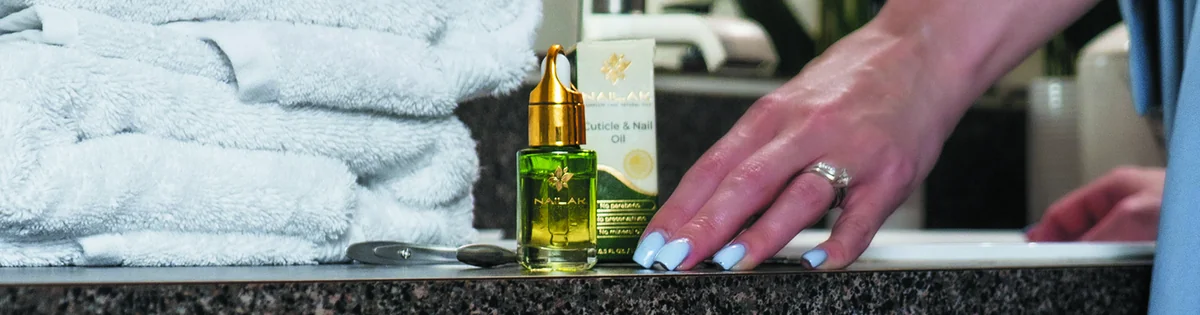
Quick Summary: Discover the best vitamins for nail growth, the foods and habits that help, smart supplement tips, and everyday rituals that protect strength.
How Nails Grow: What They Really Need
Nails form in the matrix, a small tissue tucked under your cuticle. New cells push out, compress, and harden into the nail plate. On average, fingernails grow about 3 millimeters a month. That growth isn’t cosmetic—it’s cellular work that requires energy, protein, and specific nutrients.
When nails stall or peel, your body may be prioritizing elsewhere. Stress, low-calorie diets, and nutrient gaps can show up as brittle edges or slow growth. It’s not punishment. It’s a signal.
The essentials include:
- Protein and amino acids to build keratin.
- B vitamins for energy metabolism and cell division.
- Minerals like iron and zinc for oxygen delivery and enzyme function.
- Antioxidants and vitamins that support collagen and skin health.
The good news: once you give nails what they need, they respond. Slowly at first, then with a more predictable rhythm. You can almost feel the smoothness when you run your thumb over the edge of a well-shaped nail.
The Essential Vitamins for Nail Growth
Let’s be honest: supplements get all the airtime. But vitamins for nail growth work best when your base diet is solid. Think food first, supplements second.
Biotin (Vitamin B7)
- Why it matters: Biotin supports keratin infrastructure, the protein that makes up nails and hair. Low biotin intake can correlate with brittleness.
- Food sources: Eggs (cooked), salmon, sardines, almonds, walnuts, sweet potatoes, legumes, and cauliflower.
- How much: Most adults meet needs with food. The adequate intake is 30 mcg/day. Some studies use 2,500–3,000 mcg/day for brittle nails, but results vary.
- Pro tip: Biotin can interfere with lab tests, especially thyroid and troponin. Stop biotin 48 hours before bloodwork unless directed otherwise.
Vitamin B12 and Folate
- Why they matter: These B vitamins help create red blood cells that carry oxygen to the nail matrix. Deficiencies can cause ridges, pallor, and slow growth.
- Food sources for B12: Fish, shellfish, dairy, eggs, and fortified foods. Vegans often need a supplement or fortified options.
- Food sources for folate: Spinach, asparagus, avocado, oranges, beans, and lentils.
- Signs of low levels: Fatigue, pale skin, mouth sores, and nail changes such as longitudinal ridging.
Vitamin D
- Why it matters: Vitamin D supports keratinocyte function and calcium balance, crucial for hard, resilient nails.
- Food sources: Fatty fish, egg yolks, and fortified dairy or plant milks.
- Sunlight: Responsible exposure helps, but many people still run low, especially in winter.
- How much: General guidance is 600–800 IU/day, sometimes 1,000 IU/day. Testing can personalize dosing.
Vitamin C
- Why it matters: Collagen synthesis relies on vitamin C. The nail bed, surrounding skin, and cuticles benefit from healthy collagen and blood flow.
- Food sources: Citrus, strawberries, kiwis, bell peppers, broccoli, and tomatoes.
- Bonus: Vitamin C helps with iron absorption, crucial if you’re prone to low iron.
Vitamin A
- Why it matters: Supports cell turnover and immune health for the skin around the nail.
- Food sources: Carrots, sweet potatoes, pumpkin, kale, and spinach.
- Caution: More isn’t better. Too much vitamin A can make nails dry and brittle. Aim for food sources and avoid megadoses of retinol unless prescribed.
Vitamin E
- Why it matters: An antioxidant that may support circulation to the nail bed and reduce oxidative stress.
- Food sources: Sunflower seeds, almonds, hazelnuts, and avocados.
- Topical tip: A drop of vitamin E oil massaged into cuticles can soften and protect, especially after removing gel polish.
Minerals and Amino Acids That Matter
Vitamins for nail growth shine brighter with the right mineral and protein partners. Nails are keratin, after all—protein built with precision.
- Iron: Low iron or ferritin often shows up as thinning, spoon-shaped nails, and more breakage. Sources include lean red meat, lentils, tofu, spinach, and pumpkin seeds. Pair plant iron with vitamin C for better absorption.
- Zinc: Supports cell division and repair in the nail matrix. Find it in oysters, beef, chickpeas, cashews, and oats. Avoid long-term high-dose zinc, which can disrupt copper balance.
- Magnesium: Involved in protein synthesis. Look to dark chocolate, almonds, beans, and leafy greens.
- Selenium: Helps protect against oxidative stress. Brazil nuts are potent; stick to one or two a few times a week.
- Omega-3s: Not a mineral, but helpful for flexible, hydrated nail beds. Eat salmon, sardines, chia seeds, or flaxseeds.
- Amino acids (especially cysteine and methionine): These sulfur-containing amino acids help form strong keratin bonds. Get them from eggs, fish, poultry, beans, and quinoa.
- Silica: Evidence is mixed, but some people report improved nail hardness. Food sources include oats, brown rice, and leafy greens.
If you suspect a deficiency, talk to a clinician before supplementing. Testing ferritin, B12, vitamin D, and zinc can save time and guesswork.
A Food-First Plan: One Week to Feed Your Nails
Think of this as a template, not a diet. Mix and match. Season to taste. The goal is steady nutrients, joyful eating, and habits you can keep.
Day 1
- Breakfast: Greek yogurt with strawberries, chia, and almonds.
- Lunch: Lentil salad with cherry tomatoes, spinach, and lemon-olive oil.
- Dinner: Baked salmon, sweet potato, and roasted broccoli.
Day 2
- Breakfast: Veggie omelet with kale and peppers, whole-grain toast.
- Lunch: Turkey-avocado wrap with arugula and pumpkin seeds.
- Dinner: Tofu stir-fry with brown rice, edamame, and sesame.
Day 3
- Breakfast: Oatmeal with walnuts, blueberries, and cinnamon.
- Lunch: Quinoa, chickpeas, cucumbers, and tahini dressing.
- Dinner: Shrimp, sautéed zucchini, and a citrus-fennel salad.
Day 4
- Breakfast: Smoothie with spinach, banana, kefir, and flaxseed.
- Lunch: Tomato soup plus whole-grain grilled cheese and a side salad.
- Dinner: Chicken thighs with roasted carrots and farro.
Day 5
- Breakfast: Cottage cheese with pineapple and sunflower seeds.
- Lunch: Soba noodles with edamame, shredded cabbage, and soy-ginger.
- Dinner: Sardines on toast with lemon, capers, and parsley.
Day 6
- Breakfast: Scrambled eggs with mushrooms and tomatoes.
- Lunch: Black bean bowl with brown rice, corn, cilantro, and lime.
- Dinner: Baked cod with asparagus and quinoa.
Day 7
- Breakfast: Buckwheat pancakes topped with raspberries and plain yogurt.
- Lunch: Tuna salad with celery, olives, and baby greens.
- Dinner: Veggie chili with avocado and a side of cornbread.
Simple add-ons:
- A square of dark chocolate after dinner.
- Herbal tea with a drizzle of honey.
- A handful of mixed nuts for an afternoon lift.
A beauty side note: trends come and go, but formula and fit matter. The debate over brown vs. black mascara shows how personal preference and formulation both play roles. The same is true for supplements—choose what suits your tone, routine, and needs, and prioritize quality formulas that nourish rather than just coat. (source: https://janeiredale.com/blogs/makeup-blog/brown-vs-black-mascara-find-the-perfect-match-for-your-eyes)
Smart Supplementing: Dosage, Safety, Timing
Supplements can fill gaps when food isn’t enough. Approach them like a capsule-sized routine: thoughtful, individualized, and safe.
- Start with a multivitamin or B-complex rather than megadosing one vitamin. Balanced B support often helps nail growth more than biotin alone.
- Consider vitamin D if you live with limited sun or have darker skin tones. Testing guides accurate dosing.
- If you’re often cold, tired, and noticing nail ridges, ask about ferritin and B12. If low, treat under guidance.
- For zinc, stick to modest doses unless instructed. Long-term high intake can cause issues.
Timing and absorption:
- Take fat-soluble vitamins (A, D, E) with meals that include healthy fats.
- Space minerals like zinc and iron away from coffee, tea, or calcium for better absorption.
- If you take thyroid or certain antibiotics, check interactions with your pharmacist.
Safety notes:
- Biotin can alter lab results. Pause 48 hours before tests if your clinician agrees.
- Avoid high-dose vitamin A (retinol) if pregnant or trying to conceive. Choose beta-carotene-rich foods instead.
- Be cautious with “hair, skin, and nails” blends that exceed 100% Daily Value across the board. More isn’t always more effective.
How long until you see results?
- Nails grow slowly. Expect 6–8 weeks to notice fewer breaks and better edges.
- Full plate turnover takes about 4–6 months. Commit and track progress with a quick photo every two weeks.
Daily Habits That Protect Growth
Good nutrition builds. Smart habits protect. Pair both for nails that feel sturdier week by week.
- Hydrate like it matters
- Aim for steady fluids across the day.
- Add mineral water or a pinch of sea salt in warm weather for balance.
- Respect your cuticles
- They’re a protective seal, not decoration to remove.
- Massage cuticle oil nightly: jojoba, sweet almond, or vitamin E. Slip on cotton gloves to lock it in.
- File with intention
- Use a fine-grit glass file. Shape in one direction to prevent microtears.
- Keep tips short-to-medium while rebuilding strength.
- Wear gloves for chores
- Hot water, detergents, and cleaning agents strip oils. Gloves are a small act of kindness.
- Mind your manicure rhythm
- Take breaks between gels or acrylics. If you remove gels at home, oil the nail plate before soaking to buffer acetone.
- Choose non-acetone remover for regular polish and avoid aggressive buffing.
- Feed the nail matrix daily
- Include protein at each meal: eggs, fish, tofu, lentils, or Greek yogurt.
- Add a colorful plant at every plate. Think berries, greens, or peppers.
- Stress less, sleep more
- Chronic stress and short sleep show up as brittle nails. A 10-minute walk and a consistent bedtime help more than you think.
Signs of Deficiency and When to See a Pro
Sometimes brittle nails are more than wear and tear. Consider professional input if you notice:
- Nails that peel in layers despite care.
- Spoon-shaped nails, or nails that curve upward.
- Pale or bluish nail beds.
- Severe ridging or sudden changes in thickness.
- Persistent fungal issues or inflamed skin around nails.
Ask your clinician about checking:
- Ferritin and iron panel.
- Vitamin B12 and folate.
- Vitamin D.
- Thyroid function (TSH).
- Zinc if diet is limited.
If lab work is normal, your plan may be behavioral: more protein, consistent cuticle care, and gentler manicure routines. Small shifts add up.
Strong Nails, Steady Confidence
Picture that first morning coffee again. Only this time, your sleeve slides over smooth nails that don’t snag. It’s not about length or the shade you picked—though choose the one that makes you smile. It’s the quiet steadiness your hands give you when they’re cared for. The way a well-nourished nail bends slightly instead of breaking, and how that simple resilience echoes through your day.
Vitamins for nail growth are not a miracle. They’re an invitation. To feed your body with color and texture, to protect your hands with tiny rituals, and to claim the kind of beauty that feels lived-in and true. Consistency is where confidence grows—plate by plate, week by week, one gentle habit at a time.
Frequently Asked Questions (FAQ)
Q: Do vitamins for nail growth really work? A: They help when a nutrient gap is part of the problem. Food-first nutrition plus targeted supplements can reduce brittleness and improve growth over 6–8 weeks.
Q: Is biotin safe to take daily? A: Most adults meet needs with food. Low-dose supplements are generally well-tolerated, but high doses can skew lab tests. Pause before bloodwork and speak with your clinician about dosing.
Q: How much protein do I need for stronger nails? A: Aim for 0.8–1.0 grams per kilogram of body weight daily, spread across meals. Include a protein source at breakfast, lunch, and dinner to support steady keratin building.
Q: Can gel manicures damage nail growth? A: Repeated gels can dehydrate and thin the nail plate, especially with aggressive removal. Buffer lightly, oil before soaking, and take breaks to rehydrate and rebuild.
Q: What if I’m vegan—can I still support nail growth? A: Absolutely. Focus on legumes, soy, whole grains, nuts, seeds, and iron-rich plants with vitamin C. Consider B12-fortified foods or a B12 supplement, and evaluate vitamin D as needed.
Estimated word count: 1,980 words