
How to Fix Dry Cuticles Fast: Pro Tips
The bus windows were fogged with breath and December rain, and you were trying to tuck your scarf tighter when it happened—that tiny snag. A sliver of dry skin on your cuticle caught your sweater like a fishhook. You winced, tugged, then promised yourself you wouldn’t pick. By the time you reached your stop, your hand stung and the skin around your nail looked rough and pale, like parchment.
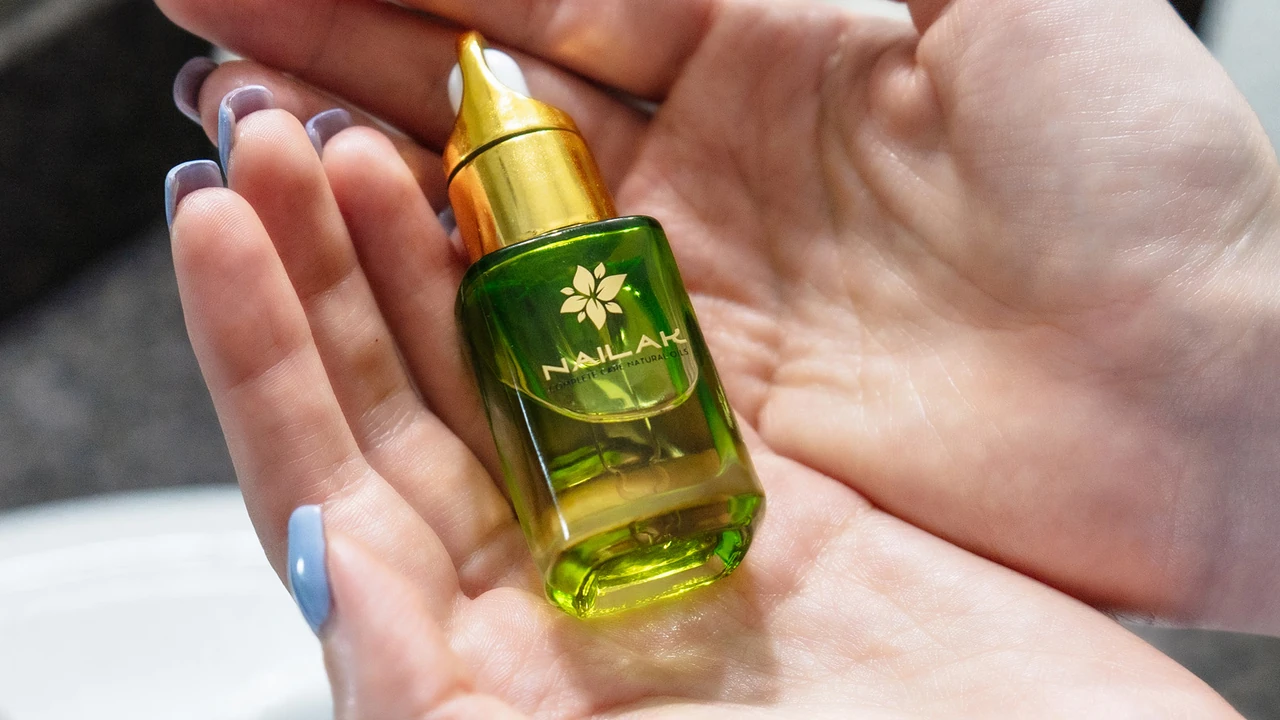
In the office bathroom, the soap foamed a little too squeaky. Hot water bit into the tender edges of your fingertips. You could almost hear them whispering for help—tight, prickly, thirsty. When you pressed a tissue to a hangnail, it frayed, leaving fuzz behind. Plausible justification to cancel that coffee date and hide your hands in your coat pockets. But then you spotted it: a travel cuticle oil rolling around at the bottom of your tote, its label half-worn from love and leaks.
Two drops. A tiny massage. You watched the dry, chalky halo soften, the skin turning pliable and faintly glossy. The relief wasn’t dramatic, but it was there, like slipping off stiff boots after a long day. You tried not to stare as the oil sank in, but honestly—what a little miracle.
Let’s be honest: dry cuticles aren’t about vanity. They’re about comfort. Smooth edges make everything easier—typing, cooking, swiping, even the way you feel holding a latte. You don’t need a salon appointment or a complicated routine. You need a few right-now moves and a handful of smart habits that work in real life.
Here’s the secret: fixing dry cuticles fast is a mix of hydration, sealing, and gentle shaping. When you learn the rhythm, you’ll stop dreading hangnails and start trusting your hands again.
Quick Summary: Hydrate, seal, and protect—then repeat small, daily habits to keep cuticles soft and snag-free.
Why cuticles dry out so quickly
Cuticles are thin skin that seal the space where nail and skin meet. They’re tiny bodyguards. When they dry out, they fray, crack, and invite hangnails. It’s not just winter’s fault.
Common culprits:
- Frequent hand washing and hot water
- Alcohol-heavy sanitizers
- Dishwashing without gloves
- Dry indoor air and heaters
- Harsh soaps and detergents
- Retinoids or exfoliants drifting down from face care
- Nail-biting or skin picking
- Acetone-heavy polish removers
The science is simple. Skin loses water. Lipids that hold cells together get stripped. Without moisture and a protective seal, the cuticle lifts and tears. The fix? Replace water. Rebuild the skin’s barrier. Then keep it protected.
Think of your cuticles like a silk ribbon. You can’t yank it smooth; you coax it with moisture and care. Any routine that works fast will do two things: flood with humectants and emollients, and trap it all with an occlusive layer.
The fast fix kit: what you need
You can rescue dry cuticles with a few essentials. Keep these in your bag, desk, or nightstand.
- Cuticle oil: Look for jojoba, squalane, or vitamin E. Jojoba mimics skin’s natural oils.
- Thick hand cream: Glycerin, shea butter, ceramides, or urea for hydration and repair.
- Occlusive balm: Petrolatum, lanolin, or beeswax to lock moisture in place.
- Gentle pusher: A wooden stick or silicone tool. Skip metal if you’re sensitive.
- Fine-grit file and nail clippers: For smoothing, not hacking at hangnails.
- Warm water and a soft towel: For a quick soak and gentle pat-dry.
Optional but helpful:
- Lactic acid or PHA hand serum for mild exfoliation (1–5%).
- A mini humidifier at your desk.
- Cotton gloves for overnight treatments.
If you carry only one item, make it a cuticle oil with a roll-on or brush. It works fast, doesn’t spill, and feels like a little ritual in motion.
10-minute rescue: how to fix dry cuticles fast
When you need results now, use this simple routine. It’s effective on a lunch break or between meetings.
- Soften
- Rinse hands in lukewarm—not hot—water for 60 seconds.
- Pat dry, leaving just a hint of dampness.
- Hydrate
- Massage a pea-size hand cream over fingers and nails.
- Focus on the cuticle line and sides of each nail.
- Oil seal
- Apply cuticle oil. Two tiny drops per hand go far.
- Massage in small circles for 30–60 seconds per nail.
- If you’re very dry, layer a balm over the oil to trap moisture.
- Gentle push
- Use a wooden or silicone pusher to nudge softened cuticles back.
- Keep pressure feather-light. If it doesn’t move easily, stop.
- Never cut living cuticle. Only trim translucent hangnails.
- Smooth edges
- Clip only raised hangnails close to the base—don’t tug or tear.
- File the nail edge to prevent future snags.
- Protect
- Finish with a balm halo: trace a thin ring around the cuticle line.
- Slip on cotton gloves for 5 minutes if you can. Body heat helps absorption.
That’s it. You’ll see and feel the difference right away—smoother texture, less tightness, fewer snags. Repeat this micro-rescue once daily for a week to reset your cuticle health.
Fast add-ons if you have another five minutes:
- Soak fingertips in warm water with a drop of gentle cleanser for 2 minutes before starting.
- Dab a tiny bit of lactic acid hand serum, then seal with oil and balm.
- If you wear polish, ensure the nail plate is oil-free before painting, but keep oil on the cuticles themselves.

Day-to-night maintenance habits
Lasting softness comes from tiny, repeated actions. Build these into your day.
Morning
- Apply cuticle oil after skincare and before SPF. Yes, sunscreen belongs on hands too.
- Choose a cream with glycerin or urea. It draws in water and keeps it there.
Workday
- Keep a mini oil at your desk. Reapply after washing or sanitizing.
- Switch to a gentle, low-foam hand wash. Fragrance-free if you’re sensitive.
Evening
- Use a richer cream with shea butter or ceramides.
- Massage oil into cuticles while you watch TV. It takes a minute.
- If your cuticles crack easily, top with petrolatum or lanolin as an occlusive.
Weekend reset
- Do a five-minute soak-and-oil session.
- File rough edges and trim only true hangnails.
- Wear gloves for chores—dishwashing water strips moisture fast.
Tiny rule that changes everything: every time water touches your hands, moisturize afterward. It’s the one habit that prevents most cuticle crises.
Smart ingredients that heal fast
Choose formulas that support the skin barrier and soothe irritation. Look for these on labels.
- Humectants: Glycerin and hyaluronic acid pull water into the skin.
- Emollients: Squalane, jojoba, and shea butter soften and smooth.
- Occlusives: Petrolatum, lanolin, and beeswax lock moisture in.
- Barrier builders: Ceramides and cholesterol strengthen the skin’s shield.
- Gentle exfoliants: Lactic acid, PHA (gluconolactone) smooth flaky edges.
- Soothers: Panthenol (B5), bisabolol, and allantoin calm redness.
Ingredient combos that work quickly:
- Glycerin + shea butter + petrolatum: Hydrate, soften, and seal.
- Urea (5–10%) + lactic acid (1–5%): Carefully dissolves rough spots while hydrating.
- Jojoba oil + vitamin E: Mimics skin lipids and supports healing.
Avoid if you’re inflamed or cracked:
- Strong acids or retinoids on hands
- Harsh scrubs
- Excessive alcohol in sanitizers (balance with oil and cream)
And a reminder: if you see redness, swelling, or pus, pause DIY care and check with a pro. Infections need targeted treatment, and protecting the cuticle barrier helps prevent them.
Seasonal strategies for happy cuticles
Your cuticles feel different in July than in January. Adjust your routine with the weather.
Cold and dry months
- Use heavier creams and add a balm layer at night.
- Keep a humidifier near your bed or desk.
- Wear gloves outdoors and for housework.
Warm and humid months
- Use lighter lotions but keep oil handy for airplanes, offices, and pools.
- Rinse chlorine or saltwater off ASAP, then moisturize.
Travel days
- Pack a roll-on oil and a tiny tube of cream.
- Airplane air is dry; reapply after sanitizing and before landing.
Even fashion can echo this resilience. A recent Paris menswear day flourished despite grim, wet weather—proof that polish and creativity persist in less-than-ideal conditions. Your hands can, too, with the right layers and a little commitment. Consider your cuticle routine a weather-ready accessory. (source: https://ww.fashionnetwork.com/news/Paris-menswear-friday-junya-watanabe-willy-chavarria-and-comme-des-garcons,1800900.html)
If your cuticles chronically peel, check the basics:
- Are you using hot water? Cool it down.
- Are you skipping lotion post-wash? Add it.
- Are you picking? Try a fidget ring or keep oil at hand to redirect the urge.
Salon-level tricks at home
You don’t need a full manicure to get a refined, healthy look. A few pro-inspired moves make a big difference.
- Oil before bedtime, not just after washing. Skin repairs overnight.
- Use a soft toothbrush to lightly buff oil along the cuticle line once a week.
- Try a PHA hand mask: apply, wait 5 minutes, then seal with balm.
- If you polish, let cuticles stay oily while you prep the nail plate with remover. You’ll protect the surrounding skin.
- Every two weeks, do a “soakless” manicure: oil, gentle push, buff hangnails, cream, balm. No water needed.
What not to do:
- Don’t cut living cuticle. It’s a seal, not a spare part.
- Don’t yank hangnails. Clip cleanly where dead skin lifts.
- Don’t rely on sanitizer alone; follow with a drop of oil.
And here’s a tiny trick pros swear by: after oiling, press the pads of your thumbs into each cuticle for a count of five. That contact and warmth help product penetrate—and it feels grounding.
Hands, confidence, and care
There’s something intimate about tending to your cuticles. It’s a quiet yes to comfort, a small boundary you set in a busy day. Smooth edges mean fewer snags, fewer apologies, fewer moments of “ouch.” But more than that, they’re a cue that you’re on your own team.
You don’t have to turn your routine into a ritual, though it can be one. You can simply pause for thirty seconds after washing up, roll oil along each nail, and return to life. That micro-gesture adds up. In a week, you’ll notice fewer cracks. In a month, the habit feels natural, like lip balm or water on your nightstand.
Confidence is rarely loud. It’s the ease of reaching for a hand to hold, tapping a card to pay, or signing your name without hiding your fingers. When you learn how to fix dry cuticles fast—and keep them soft—you carry a little more ease with you. And that’s a kind of beauty that lasts.
Frequently Asked Questions (FAQ)
Q: What is the fastest way to fix dry cuticles at home? A: Do a 10-minute rescue: lukewarm rinse, apply a glycerin-rich cream, add cuticle oil, gently push back, clip true hangnails, then seal with a balm. You’ll see smoother, softer edges right away.
Q: Which ingredients work best for repairing cuticles quickly? A: Look for glycerin, jojoba or squalane, vitamin E, shea butter, ceramides, and petrolatum or lanolin. For gentle smoothing, add lactic acid or PHA at low percentages, then seal with oil and balm.
Q: How often should I use cuticle oil to prevent hangnails? A: Twice daily is ideal—morning and night. Add a drop after washing or sanitizing during the day. Consistency prevents dryness and keeps the cuticle sealed and flexible.
Q: Can I cut my cuticles to make them look neat? A: Don’t cut living cuticle; it’s a protective seal. Only trim true hangnails or lifted dead skin. If the area is red, painful, or swollen, pause and consult a pro.
Q: Does hot water really make dry cuticles worse? A: Yes. Hot water strips natural oils and dehydrates the skin barrier. Use lukewarm water and moisturize immediately after washing to keep cuticles soft and intact.
Estimated word count: ~1,980 words