
Nail Dehydration from Gel Polish: Repair & Prevent
The first thing you notice is the sound: the tiny, satisfying click of your ring tapping the coffee mug. Morning light spills across the table. Your manicure—last weekend’s sheer ballet-pink gel—still shines under the sunlight, but your nails feel different. Paper-dry. The edges look a little chalky. You massage cuticle oil, hoping for that silky glow, but the plate itself looks thirsty, like polished desert stone.
You replay the steps from your last appointment. The buffing felt a bit rougher than usual. The prep was quick. The soak-off stung the skin around your nails, and you told yourself it was normal. It’s fine, you thought. It’s gel polish. It’s a miracle… and yet, here you are, lightly flexing a fingertip and feeling a whisper of fragility. The kind you only notice on a quiet morning, when your hands aren’t busy answering emails or hauling groceries or buttoning a blouse in a hurry.
Later, you catch your hands in the mirror as you twist your hair into a loose bun. Your nails are tiny mood rings, really—revealing more than they say. You remember the compliments, the easy gloss, the way gel lets you get on with your life without smudges. You also remember peeling it off once (okay, twice) during a stressful week. We’ve all done it. No judgment here. Gel promised effortless polish, but somewhere between prep and removal, your nails traded in their moisture for a little too much perfection.
Let’s be honest: nail dehydration from gel polish can sneak up on anyone. The fix isn’t to swear off gel forever. It’s to learn the thoughtful steps that keep moisture in, damage out, and your manicure goals intact. Because your hands tell your story—how you work, love, cook, carry, create. And they deserve care that looks as good as it feels.
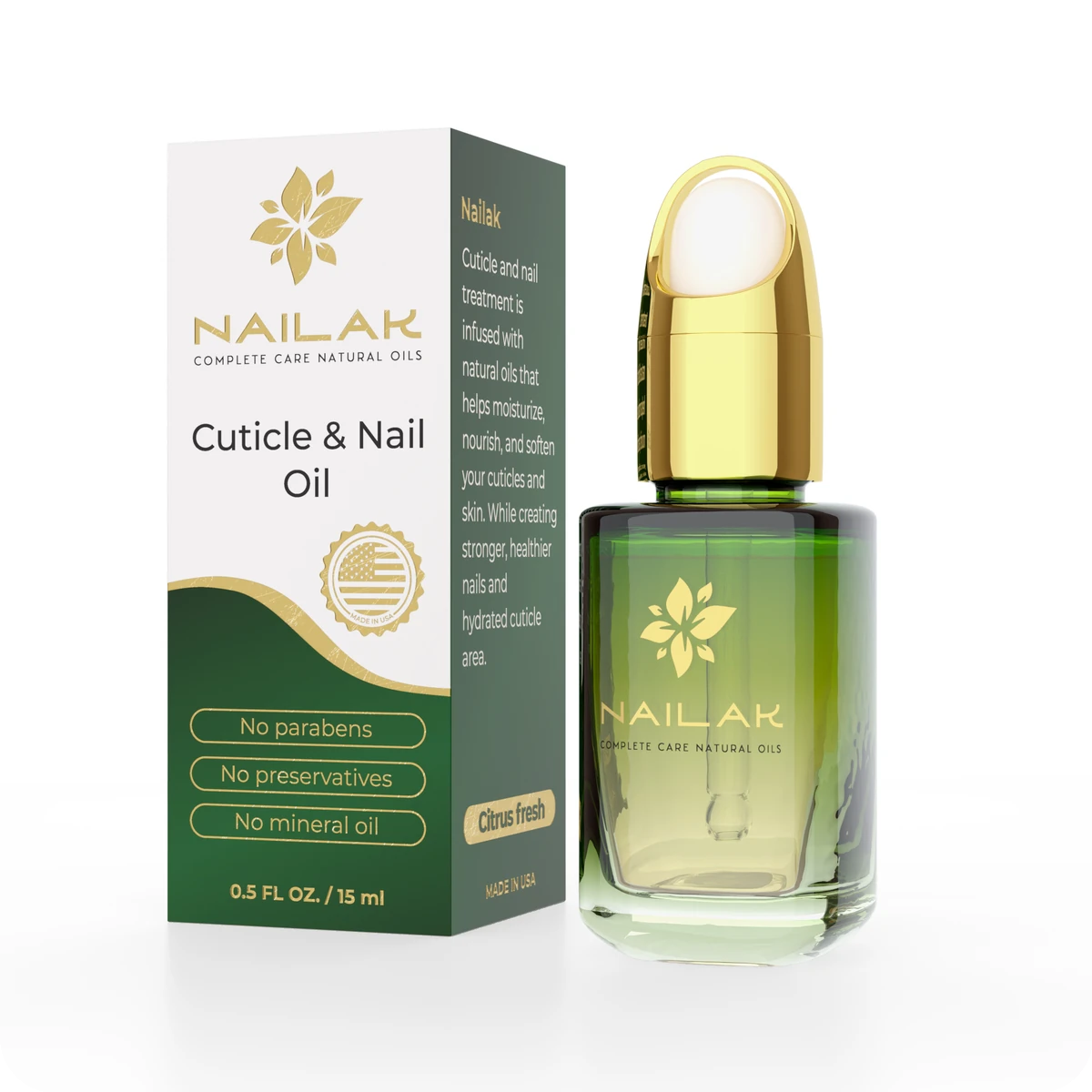
Quick Summary: Nail dehydration from gel polish is the result of prep, curing, and removal habits that strip protective oils and moisture—here’s how to heal, protect, and enjoy gel without the dryness.
What nail dehydration from gel polish really means
Your nail plate is a layered structure of tightly packed keratin cells. Between those cells are natural lipids that give flexibility and a soft sheen. When that delicate balance of keratin and lipids gets disrupted—by aggressive prep, prolonged acetone exposure, or improper removal—nails can lose moisture and feel brittle.
Nail dehydration from gel polish doesn’t always mean permanent damage. It often looks like:
- A chalky or matte look after removal
- Peeling or flaking layers at the free edge
- Fine surface ridges that catch light differently
- Increased breakage, splitting, or snagging
- Tightness or sensitivity around the cuticle area
H3: Dehydration vs. damage
- Dehydration: Temporary moisture and lipid loss. Nails feel brittle, but structure typically improves with care.
- Damage: Overfiling or peeling can remove layers of the nail plate. This thins nails and sometimes needs extended recovery.
Think of dehydration as a warning light. Address it early, and you can keep your gel habit—and your nail health—at peace.
Why gel manicures dehydrate nails
Gel polish itself isn’t the enemy; it’s the steps around it. These are the common culprits that contribute to nail dehydration from gel polish.
- Over-buffing during prep
- Buffing should remove only surface shine. If you see dust clouds or feel heat, it’s too much.
- Strong dehydrating preps used excessively
- pH balancers and dehydrators are meant to briefly prep the plate. Overuse can strip too much.
- Thick layers and over-curing
- Thick gel layers don’t cure evenly; extra time under the lamp can overheat the nail plate.
- Wearing gel too long
- After 14–21 days, gel can lift. Water sneaks underneath, and removal becomes harsher.
- Picking or peeling
- Peeling removes the upper nail layers alongside the gel. It’s like ripping off a moisture shield.
- Aggressive removal
- Prolonged acetone soaks or e-file removal on the natural plate can leave nails parched and thin.
- Environmental stress
- Frequent handwashing, hot showers, cleaning products, and dry winter air compound dehydration.
H3: The skin factor The skin surrounding your nails—the eponychium and lateral folds—acts like a moisture canopy. When it’s stripped by harsh solvents or sanitizer, your nails lose a protective buffer. Gentle, consistent care for the skin equals better hydration for the plate.
A gentle two-week recovery plan
Take a short gel break to rebound from nail dehydration. Two weeks is often enough to restore balance.
H3: Days 1–3: Reset and seal
- Remove gel carefully
- Soak with acetone for the minimum time recommended, with an oil barrier on the surrounding skin. Gently push off softened product—don’t scrape.
- Micro-trim and shape
- Trim only where needed. Use a fine, fresh file. Round edges slightly to reduce catching.
- Oil, then cream
- Apply a penetrating nail oil (jojoba, squalane, or sweet almond) twice daily.
- Follow with a hand cream to lock it in.
- Protective polish
- If you like a finished look, use a breathable ridge-filling base for a few days—no hardeners yet.
H3: Days 4–7: Hydrate deeply
- Nightly “oil-and-occlude”
- Massage nail oil into plates and cuticles. Seal with a thin layer of balm or petroleum jelly before bed.
- Gentle cuticle care
- After a shower, use a wooden stick to nudge back softened cuticles. No cutting.
- Wear gloves for chores
- Dish soap and cleansers are sneaky dehydrators. Gloves are your moisture insurance.
- Skin-first routine
- Apply a hand serum or light lotion with glycerin, panthenol, or urea to keep the area dewy.
H3: Days 8–14: Strength without stiffness
- Rotation polish
- Use a moisturizing base (look for labels like “conditioning,” not “hardening”) and reapply every 2–3 days.
- Minimal filing
- Only refine snags. Past that, let nails breathe and settle.
- Massage matters
- Spend 60 seconds per hand massaging oil into each nail and fold. It boosts circulation and brings suppleness back.
H3: Ingredients that help
- Jojoba oil: Mimics natural sebum; penetrates well.
- Squalane: Lightweight, stable, and great for sealing.
- Sweet almond or avocado oil: Comforting, vitamin-rich classics.
- Panthenol (pro-vitamin B5): Attracts and binds moisture to the surrounding skin.
- Urea (up to 10% in hand products): Softens dry skin around nails so it protects without cracking.
Skip formaldehyde or dimethyl urea “hardening” treatments during recovery; they can make brittle nails feel stiffer but not necessarily healthier.
Returning to gel—without the damage
When you’re ready to get back to gel, refine the steps that caused dehydration in the first place.
H3: Prep like a minimalist
- File shape gently, then remove only the glossy surface shine. No aggressive thinning.
- Use a pH balancer or dehydrator sparingly—and only on the nail plate, never the surrounding skin.
H3: Base and application
- Choose a flexible base coat (often called “rubber base”) if your nails are bendy. Flexibility reduces micro-lifting.
- Apply thin, even layers. Cap the free edge lightly.
- Cure exactly as the brand instructs. More isn’t better—it can overheat nails.
H3: Smart wear-time
- Two to three weeks is the sweet spot for most nails. Past that, removal becomes tougher and dehydration risk rises.
H3: Removal with kindness
- File the topcoat to break the seal, then soak the minimum time recommended.
- Use oil on the surrounding skin before applying acetone to create a protective barrier.
- Resist scraping. Let the product release with a light push. Any resistance? Rewrap for a little longer.
H3: The in-between ritual
- After every gel removal, schedule 48 hours of oil-and-occlude before the next set. Your nails will thank you.
A quick note from the larger beauty conversation: while we scroll glam inspiration—say, the latest celebrity smokey eye roundup—more editors are emphasizing balance behind the looks. Trend moments are fun, but the quiet, consistent rituals are what make beauty feel good day after day. The same is true for manicures: stunning finish, steady care. (source: https://www.moonsugarbeauty.com/2025/11/smokey-eye-celebrity-looks.html)
Daily rituals that keep nails hydrated
These small habits add up to big improvements and help prevent nail dehydration from gel polish.
H3: The 3–2–1 hydration habit
- Three times daily: Brush on nail oil across the plate and under the free edge.
- Two times daily: Massage a hand cream over and around nails.
- One time nightly: Seal with a thin layer of balm on cuticles.
H3: Post-wash protocol
- After washing hands, pat dry and immediately apply a drop of oil to each nail. Water evaporates fast; oil locks comfort in.
H3: A weekly micro-exfoliation
- Once a week, after a shower, gently buff only the cuticle buildup with a soft, fine buffer. This smooths edges so oil absorbs better. Do not buff the nail plate aggressively.
H3: Proteins, fats, and patience
- Nails reflect overall nutrition. Aim for balanced meals with protein (keratin building blocks) and healthy fats (skin barrier support).
- Hydrate from the inside, too; it supports skin that wraps the nail structure.
H3: Actionable tips
- Keep a cuticle oil pen by the sink and another in your bag.
- Slip on cotton gloves over balm for 20 minutes while you read or stream—an at-home “mask” for hands.
- Choose hand soap labeled “gentle” or “moisturizing” to minimize daily stripping.
- If your salon uses e-files, ask that the natural plate be touched lightly, if at all.
Tools, formulas, and smart salon questions
Nail care thrives on a few well-chosen products and a supportive tech.
H3: Tools you’ll actually use
- Fine glass or crystal file: Smooth edges without shredding.
- Soft nail brush: Cleanses under nails without poking delicate skin.
- Wooden orange stick: Tidies cuticles without cuts.
- Cuticle oil with brush tip: Easy application means you’ll do it more often.
H3: What to look for in formulas
- Nail oils: Jojoba, squalane, sweet almond, avocado. Light scent if you like ritual; fragrance-free if sensitive.
- Hand creams: Glycerin, shea butter, panthenol. Fast-absorbing for daytime, richer at night.
- Bases and topcoats: Flexible and breathable claims can feel more comfortable; skip harsh hardeners during recovery.
- Gel brands: Consistency matters. Follow the manufacturer’s cure times and lamp recommendations to avoid overheating.
H3: Questions to ask your nail tech
- How do you prep the plate? Can we keep buffing minimal?
- What base do you recommend for flexible nails?
- How do you prefer to remove gel—soak-off with wraps or e-file? Can we minimize contact with the natural plate?
- How often do you recommend a gel break for my nail type?
- If I feel heat while curing, what adjustments can we make?
These conversations place you and your tech on the same team. It’s your manicure—but it’s also your nail health.
A final word on confidence and care
There’s a quiet kind of confidence that shows up in the smallest details. The way your hands cradle a teacup. The soft gleam of your nails as you tie a scarf. When your manicure routine respects your natural nail, that confidence feels unforced—like exhaling after a long day.
If nail dehydration from gel polish has left your hands a little tired, consider this a gentle reset. Less rush, more ritual. Keep the beauty you love, and loosen the grip on habits that steal moisture. In the end, balance is the most luxurious finish: strong, comfortable nails under any color you choose, and a routine that nourishes the woman wearing them.
Frequently Asked Questions (FAQ)
Q: What causes nail dehydration from gel polish the most? A: Over-buffing, prolonged acetone exposure during removal, and wearing gel too long between changes. Picking or peeling the gel also removes nail layers, worsening dryness.
Q: How long does it take to rehydrate nails after gel? A: Many people notice improvement within 7–14 days of consistent oiling and gentle care. Thinner nails from peeling or overfiling may need 3–6 weeks to feel strong again.
Q: Which oil is best for dehydrated nails? A: Jojoba oil is a standout because it mimics natural sebum and penetrates well. Squalane, sweet almond, and avocado oils are also excellent for comfort and shine.
Q: Can UV/LED lamps dehydrate nails? A: The lamp itself doesn’t “dry out” nails, but over-curing or heat spikes from excessively thick layers can make the plate feel stressed. Thin coats and correct cure times help prevent this.
Q: Should I use a nail hardener for dryness after gel? A: If nails are dehydrated, start with moisture—oils, creams, and a gentle base coat. Traditional hardeners (especially formaldehyde-based) can make brittle nails feel stiff without adding flexibility. Reserve them for specific guidance from a professional.
Estimated word count: 1,980 words