
How to Keep Nails Moisturized All Day
The first chip of cold morning air hits as you wrap your hands around a steaming mug. You can feel the ceramic’s heat bloom into your palms. It’s comforting—but then you notice the pale, papery crescent around your thumbnails. The skin there looks thirsty. Your cuticles catch on the knit sleeve of your sweater. You rub them with your thumb, and the tiny snag reminds you of the dishes you washed last night, the sanitizer you pumped three times at the café, and the shower you took that was definitely too hot.
We don’t often think about our nails until they complain. Dryness doesn’t knock—it crunches. It shows up as brittle edges, peeling layers, and hangnails that ache the second a breeze sneaks beneath your gloves. On busy days, we file and move on. But when nails are well-hydrated, everything feels more together. Polish goes on smoother. Hands look more refined. Even a clear coat suddenly feels elegant.
Let’s be honest: life is full of tiny dry spells. Winter radiators. Summer UV. Sudsy kitchen sinks. Paperwork and keyboards. The little stressors that sand down our patience often sand down our nail health, too. But here’s the secret many pros swear by—hydration isn’t a single product; it’s a rhythm. It’s small, repeatable gestures that lock in softness and make every manicure last longer.
Picture this instead: You’re in the passenger seat at a red light, tapping a drop of oil into each nail. The glow is immediate. The skin looks plump. You can almost feel the smoothness slide into the thin nail plate like a sigh. Later, you pull on cotton gloves over hand cream before bed and wake up with quiet, flexible nails that don’t snag. The ritual takes minutes. The effect lingers all day.
If you’ve wondered how to keep nails moisturized without a twenty-step routine, you’re in the right place. This guide blends the “why” with the “how,” so you can care for your nails like a pro and still live your life.
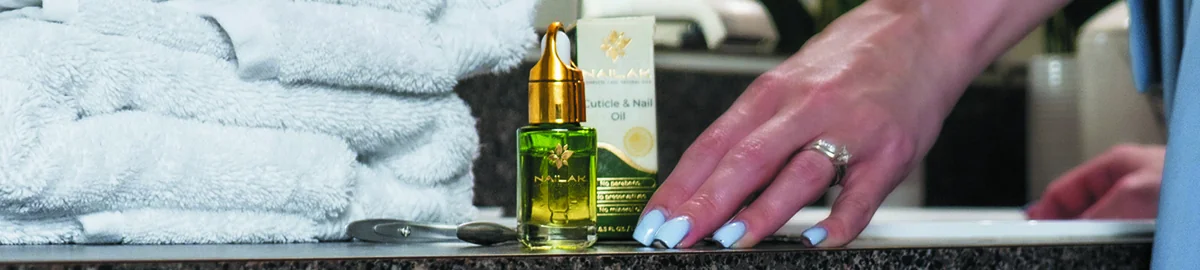
Quick Summary: To keep nails moisturized, layer humectants and oils, protect from water and harsh soaps, nourish from within, and build simple, daily rituals that repair and seal hydration.
Why nails get dry
Our nails are porous and layered, made primarily of keratin. They don’t have oil glands of their own. That means hydration depends on the surrounding skin, the water in the nail plate, and the protective film we apply.
- Water swings: Repeated wetting and drying causes nails to swell and shrink. Think dishes, long showers, and handwashing. Those cycles create micro-cracks and peeling.
- Harsh cleansers: Detergents and alcohol-heavy sanitizers strip natural lipids, leaving cuticles rough.
- Low humidity: Indoor heat and cold air pull moisture from skin and nails.
- Chemical exposure: Acetone, some removers, and strong solvents dehydrate the nail plate.
- Mechanical stress: Frequent typing, picking, or over-buffing thins nails and worsens dryness.
Here’s the hydration equation: nails need water to stay supple, and they need lipids to keep that water from escaping. Success comes from balancing both.
The anatomy of hydration
- Humectants: Ingredients like glycerin, hyaluronic acid, aloe, and urea attract water to the nail plate and cuticles.
- Emollients: Squalane, shea butter, and ceramides soften and smooth rough edges.
- Occlusives: Jojoba, sweet almond, coconut, and mineral oil, as well as petrolatum, create a barrier to slow water loss.
Think “water in, seal on.” That rhythm keeps nails flexible, not glossy-but-parched.
Daily ways to keep nails moisturized
Dry nails need habits, not heroics. These quick steps fit into real life and keep moisture steady.
The 2-minute moisture reset
Do this whenever you remember: post-wash, at your desk, or before bed.
- Mist or dampen: Lightly spritz your hands with water or a face mist, or simply leave hands slightly damp after washing.
- Add a humectant: Smooth a pea-size hand cream rich in glycerin, urea (2–5%), or hyaluronic acid over hands and nails.
- Seal the edges: Massage a few drops of cuticle oil into each nail fold and under the free edge. Jojoba or squalane absorbs fast and feels clean.
- Optional shield: If you’re heading into chores or outside in wind, add a thin occlusive layer (a balm or petrolatum) around the nail rims.
Takes less than a podcast ad.
Tiny rituals that stack
- After sanitizer, add oil: Alcohol is drying. Follow with one drop of oil per hand to balance.
- Before chores, glove up: Wear nitrile or rubber gloves for dishes and cleaning. Slip cotton liners underneath if hands sweat.
- Short, warm showers: Keep water lukewarm and brief. Long, hot showers accelerate moisture loss.
- Smooth, don’t pick: Gently buff peeling edges to prevent snags that worsen dryness.
Weather-wise tweaks
- Winter: Increase occlusives at bedtime and run a humidifier near your desk.
- Summer: Reapply lighter oils more often; UV can dry and chip polish. Use SPF on hands.
Five actionable tips
- Keep a pocket oil: Place mini cuticle oils in your bag, car console, and nightstand.
- Set cues: Reapply oil whenever you check messages or finish a call.
- Choose gentle soap: Fragrance-free, creamy hand wash beats foaming detergents.
- Pat, don’t rub: After washing, pat hands dry to leave a hint of moisture.
- Cap nails at night: Massage cream under the free edge and along sidewalls before sleep.
Consistency, not perfection, wins this game.
The right products, simplified
You don’t need a crowded shelf. You need the right textures and ingredients that play well together.
Cuticle oils to trust
- Jojoba oil: Mimics skin’s natural sebum; ideal for daily use.
- Sweet almond or apricot kernel oil: Lightweight and nutrient-rich, great for daytime.
- Squalane: Non-greasy, fast-absorbing, elegant under polish.
Aim for simple formulas without high fragrance. If skin is very sensitive, patch-test first.
Hand creams that hydrate
Look for:
- Humectants: Glycerin, hyaluronic acid, aloe, sodium PCA.
- Barrier builders: Ceramides, cholesterol, fatty acids.
- Gentle exfoliants: Low-dose lactic acid or urea (2–10%) a few nights per week to smooth rough cuticles and help moisture absorb better.
Use the exfoliants sparingly—comfort, not sting, is the goal.
Nail-friendly removers and polish
- Removers: If you use acetone, pair it with immediate oil after. Non-acetone removers can be gentler but may require more rubbing. Always follow with your 2-minute reset.
- Hydrating base coats: Choose strengthening base coats with conditioners like panthenol or plant oils. Avoid overuse of hardeners with formaldehyde derivatives if nails feel tight or brittle.
- Polish breaks: Give nails a polish-free day each week, moisturize generously, and let them breathe—well, hydrate.
The “seal the edges” trick
After applying hand cream, trace the rim of each nail with a touch of balm. It’s a tiny gutter that slows water loss from the most delicate part of the nail. Five seconds, real results.
Night repair for hands and nails
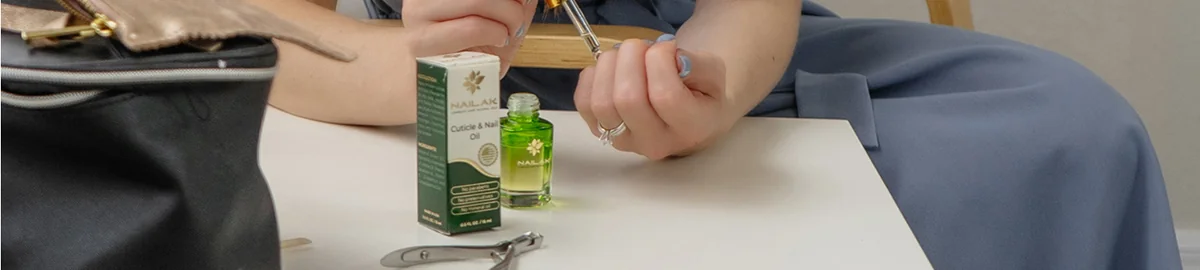
Overnight is prime time for deep hydration. Skin temperature rises slightly, and your hands finally pause.
A simple night routine
- Wash gently: Use a creamy cleanser, then pat dry.
- Layer: Apply a humectant-rich hand cream. Follow with cuticle oil, massaging the nail folds for 30 seconds per hand.
- Occlude: Dab a soft balm or petrolatum around the cuticle rim and under the free edge.
- Gloves: Slip on thin cotton gloves to lock it in. They keep moisture on your hands, not your pillow.
Do this most nights for one week and notice how your nails flex instead of snap.
Weekly extras
- Warm oil soak: Once weekly, soak fingertips (not the whole hand) in warm jojoba or sweet almond oil for 5–10 minutes. Pat dry and seal with balm.
- Gentle cuticle care: After showering, push back cuticles softly with a towel. Avoid cutting live tissue—trim only true hangnails.
Consistency beats intensity. Think micro-doses of moisture, many times.
Food and water for nail hydration
You can’t out-cream dehydration. What you drink and eat shapes nail resilience from the inside out.
Hydration basics
- Water goals: Aim for steady sips throughout the day rather than big gulps at night. Clear, pale-yellow urine is a good sign you’re hydrated.
- Electrolytes: If you sweat or exercise intensely, a pinch of electrolytes can help maintain fluid balance.
Nail-nourishing nutrients
- Proteins: Keratin needs building blocks. Include eggs, legumes, yogurt, tofu, or fish daily.
- Healthy fats: Omega-3s from salmon, sardines, chia, or walnuts support supple skin and nails.
- B vitamins and biotin: Whole grains, eggs, and leafy greens support growth. Biotin may help brittle nails for some people; results vary, and it takes months.
- Minerals: Iron, zinc, and magnesium from beans, seeds, and lean meats contribute to nail strength.
Food is foundational. Topicals shine when your inner tank is full.
Salon and at-home habits
Your techniques matter as much as your tools.
- File smart: Use a fine-grit file and swipe in one direction to reduce splitting.
- Buffer caution: Buff lightly and infrequently; over-buffing thins the nail plate.
- Prep without stripping: Before polish, wipe nails with a gentle non-acetone prep, then add a hydrating base coat.
A quick note from the broader beauty world: detailed, step-by-step care is a theme across many treatments. A recent eyelid procedure explainer underscored how precision and thoughtful aftercare make results safer and more predictable—a helpful reminder that delicate skin (like nail folds) benefits from a measured routine rather than shortcuts (source: https://www.barbiesbeautybits.com/2026/01/what-actually-happens-during-eyelid.html).
Gel and dip considerations
- Schedule oil breaks: Between gel or dip applications, give nails a few days off. Oil them at least three times daily in that window.
- Removal matters: Never peel. Soak properly and gently nudge product off to avoid tearing nail layers.
- Post-removal rehab: For the first 72 hours, focus on humectants and oils. Nails rehydrate and regain flexibility during this time.
Hand hygiene, the gentle way
- Soap selection: Choose low-foaming, pH-balanced formulas. Keep a travel-sized gentle cleanser at work if the restroom soap is harsh.
- Sanitizer follow-up: Treat sanitizer like a reset—apply oil right after to keep nails moisturized.
Small choices add up to resilient nails and calmer cuticles.
A small ritual, a steadier you
Caring for your nails is a micro-ritual with macro impact. The act of pausing—massaging oil into each fingertip, pressing cream along the sides, capping the edges with a protective balm—slows your breath. It returns you to your hands, the tools you use to cook, type, soothe, and hold. Well-moisturized nails don’t just look polished; they feel capable. They glide across fabrics without catching. They remind you that steady care, repeated in tiny doses, changes texture and mood.
When life feels frayed, choose a two-minute reset. Hydrate. Seal. Glove. It’s not about perfection. It’s about the soft, quiet confidence of hands that are ready for anything.
Frequently Asked Questions (FAQ)
Q: How often should I apply cuticle oil to keep nails moisturized?
A: Start with twice daily—morning and evening. On drying days (lots of washing or sanitizer), add a midday application. A single drop can cover several nails; massage for 30 seconds to help absorption.
Q: Which ingredients actually hydrate nail plates best?
A: Pair humectants and oils. Glycerin, urea (2–5%), aloe, and hyaluronic acid draw in moisture. Jojoba, squalane, sweet almond, and petrolatum seal it in. Ceramides in hand creams strengthen the barrier around nails.
Q: Can frequent hand sanitizer ruin my nails?
A: Alcohol-based sanitizers can dehydrate, especially around the cuticle. They’re useful, but follow with a drop of oil. Keep a pocket-sized oil next to your sanitizer and treat them as a duo.
Q: Do biotin supplements help dry, brittle nails?
A: Biotin may help some people with brittle nails, but results vary and take several months. Focus first on a balanced diet, steady hydration, and consistent topical care. If you consider supplements, check with a healthcare professional.
Q: What’s the best way to moisturize under gel polish or acrylics?
A: Oil the cuticles and sidewalls daily, and run oil under the free edge. Avoid flooding product under enhancements. Between sets, take a few days off, rehydrate with humectants and oils, and keep removal gentle.
Estimated word count: ~1,980 words