
Nails Peeling and Splitting Causes: Fix It For Good
The sink was still warm from the tea kettle, steam softening the kitchen window while a pale winter sun shrugged itself awake. I wrapped both hands around a mug infused with lemon and honey, noticing how tight my cuticles felt against the ceramic. You can sense dryness even before you see it—like your hands are whispering for water.
A soft snag pulled me back. The edge of my index nail caught on the knit of my sweater, a tiny lift that sent a shiver up my spine. I set the cup down, turned my hand in the light, and saw it—a paper-thin sliver of nail lifting in a delicate curl, as if trying to peel away. It’s a small moment, but you know what it means: a week of delicate typing, careful hair-washing, and the constant fear of catching it on everything.
Later, while swapping earrings before a quick run to the bakery, another nail split at the tip. Of course. I’d cooked, cleaned, tapped through emails, run in the cold, washed my hands like it was a hobby, and skipped my cuticle oil more times than I wanted to admit. The evidence was right there on my fingertips: little timelines of stress and weather, dish soap and deadlines.
Let’s be honest. When your nails peel and split, it’s not just about appearance. It’s about the way you move through a day. The urge to hide your hands during a handshake. The quiet distraction while scrolling. The internal vow to finally learn what your nails are trying to tell you.
So consider this your warm, practical guide. We’ll unpack the true nails peeling and splitting causes, then build a gentle, realistic plan to heal them. No scare tactics. No impossible routines. Just small, smart choices that add up—so your hands can feel like home again.
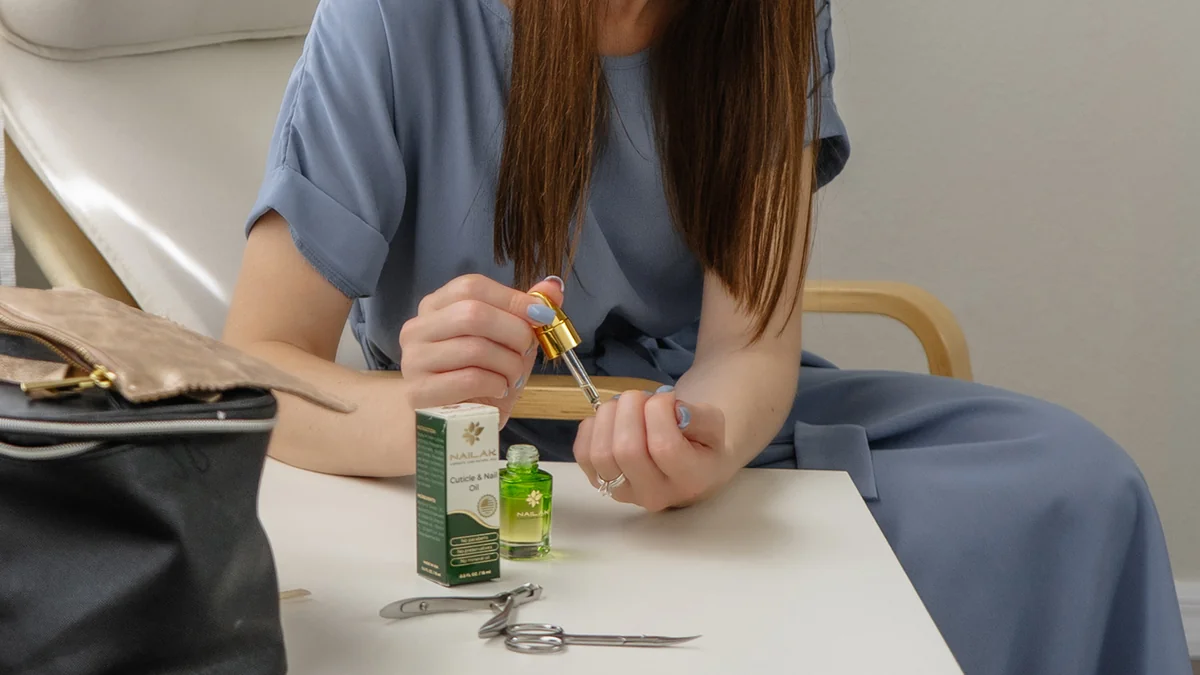
Quick Summary: Learn the real causes behind peeling and splitting nails and follow a simple routine that repairs, protects, and restores resilient, glossy nail plates.
Nails peeling and splitting causes
Think of nails as layered shingles. When those layers dehydrate, erode, or get pried apart, you see peeling (lamination) and splitting (fissures). The medical term for this is onychoschizia. It sounds scary, but it’s common—and usually fixable with habit and care shifts.
Here are the biggest culprits:
- Water swings: Nails swell in water and shrink as they dry. Repeated cycles create micro-gaps that lead to peeling.
- Harsh chemicals: Acetone, strong detergents, and frequent sanitizer strip natural oils and dehydrate the nail plate.
- Mechanical trauma: Typing, picking labels, peeling off gel polish, or frequent filing against the grain weakens layers.
- Over-filing and buffing: Thinning the plate makes nails more flexible and prone to splitting.
- Aging and climate: With age and in dry weather, nails hold less moisture, becoming brittle.
- Nutrient gaps: Low protein intake, low iron stores, and limited essential fats can slow healthy growth.
- Health conditions: Thyroid imbalance, eczema, psoriasis, or anemia can influence nail strength.
- Medications and lifestyle: Some acne meds, frequent swimming, or occupations with wet work (healthcare, food prep, cleaning) increase risk.
The pattern matters. Horizontal peeling from the tip often points to external wear. Deep splits coupled with fatigue or hair shedding may suggest internal factors. If splitting persists for months despite careful care, check in with a healthcare professional.
Everyday habits that weaken nails
Small moves add up. The routine things we do—rushing dishes, quick sanitizer spritzes, and on-off manicures—matter more than a single polish change.
What to watch:
- Dish duty: Hot water and detergent draw out oils. Use gloves and lukewarm water.
- Hand washing: Necessary, yes. Follow with a drop of oil and a dab of hand cream.
- Sanitizer: Alcohol-heavy formulas are drying. Choose versions with glycerin when possible.
- Filing technique: Always in one direction with a fine 180–240 grit file or glass file.
- Picking habits: Don’t peel polish or gels. It tears the top nail layers with it.
- Tapping and typing: Keep nails short until stronger. Round or squoval tips catch less.
- Baths and pools: Limit prolonged soaking; reapply oil immediately after.
A quick note about accessories: cleaning solution splashes and frequent jewelry swapping can expose your fingertips to chemicals. A recent budget jewelry cleaning guide reminded readers that smart maintenance keeps accessories gleaming without harsh routines—good news for your hands, too. If you’re refreshing your jewelry often, protect nails with gloves and rinse thoroughly afterward (source: https://www.thebudgetfashionista.com/fashion-trends/budget-jewelry-cleaning/).
Actionable daily tweaks:
- Keep a mini cuticle oil by the sink—two-second swipe after every wash.
- Wear dish gloves for all household cleaning.
- File dry nails only, and finish by sealing the edge with oil.
- Avoid using nails as tools; use a card or opener instead.
Nutrition and inner health cues
Beautiful nails grow from the inside out. Your nail plate is mostly keratin, a protein. It relies on steady building blocks, micronutrients, and circulation.
Protein, the scaffolding
Aim for a palm-sized portion at meals. Think eggs, poultry, tofu, lentils, Greek yogurt, or fish. Consistent protein supports stronger, denser nail growth.
Iron and energy
Low iron stores can play a role in brittle nails. If you suspect low iron, talk to your provider before supplementing. Food pairs help: spinach with citrus, beans with tomatoes, or lean beef with roasted peppers.
Hydration and healthy fats
Hydrated cells, hydrated nails. Sip water throughout the day. Add healthy fats—salmon, walnuts, olive oil, chia seeds—to help with flexibility and shine.
Micronutrients that matter
- Biotin: Can support brittle nails in some people, though results vary.
- Zinc: Helps with growth and repair.
- B12 and folate: Support cell turnover.
- Vitamin C: Aids collagen support and iron absorption.
Supplements are not shortcuts. If your diet is varied, you may not need them. If you choose to try a nail-strength blend, select a reputable brand and check with a professional, especially if you’re pregnant, breastfeeding, or on medications.
Quick plate builder:
- Half plate colorful produce.
- Quarter plate protein.
- Quarter plate whole grains or starches.
- Add a thumb-size portion of healthy fat.
Your gentle at-home repair plan
Healing peeling and splitting nails is about consistency, not perfection. This plan respects your schedule and your hands.
Step 1: Shorten and shape for success
- Trim to a low, practical length.
- Shape with a fine-grit or glass file in one direction.
- Choose round or squoval to reduce catching.
- Lightly smooth just the lifted layers at the tip—no aggressive buffing.
Step 2: Seal the edges daily
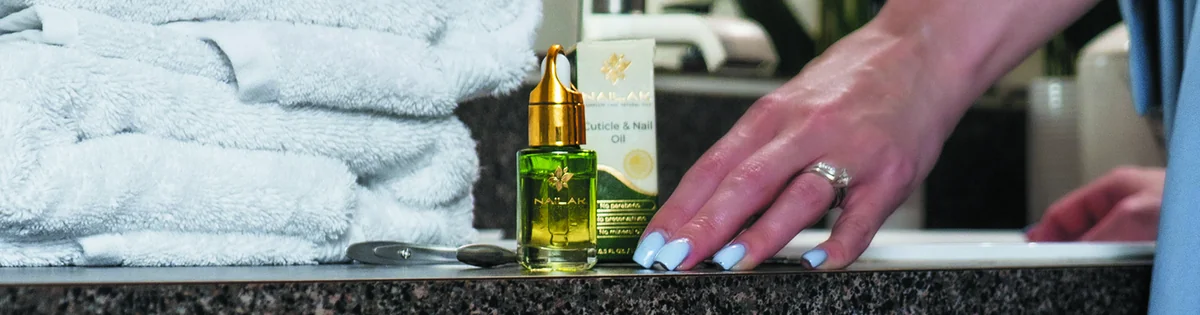
Think of oil as a flexible sealant. Jojoba, squalane, or a lightweight blend works well.
- Morning: One drop per hand; press into cuticles and rub across free edges.
- After washing: One swipe on each nail, then lotion.
- Night: A more generous massage for 30–60 seconds per hand.
Pro tip: Cap your tips. Run oil along the nail edge to reduce water absorption swings.
Step 3: Use a protective base
Apply a strengthening base coat that’s formaldehyde-free and designed for fragile plates.
- Look for phrases like “bonding,” “ridge-filling,” or “nylon fiber.”
- Apply two thin coats and “wrap” the edge.
- Reapply every 2–3 days; remove fully and start fresh weekly.
If you skip color, still wear base—it’s armor. For polish lovers, choose breathable formulas and limit polish-free days to brief breaks to avoid over-drying removers.
Step 4: Gentle removal, always
- Use acetone sparingly and pair with oil and lotion after.
- Non-acetone can be less harsh, but still follow with moisture.
- For gels, soak off with cotton-and-foil, never peel.
Create a “removal station”: cotton, foil, remover, wood stick, oil, and a soft towel. Prepare before you start to prevent rushed, damaging shortcuts.
Step 5: Weekly rehab ritual (15 minutes)
- Wash with lukewarm water; pat dry.
- Push back cuticles gently with a soft stick—no cutting living tissue.
- Exfoliate hands with a mild scrub, rinse, and pat dry.
- Apply oil, wait 5 minutes, then base coat and polish if desired.
- Finish with rich hand cream. Slip on thin cotton gloves for 10 minutes.
Progress check: You should see fewer snags in 10–14 days and sturdier edges by week four.
Smarter salon choices that protect
Salon time can be restorative when it respects the nail plate.
What to request:
- Soak-off instead of aggressive scraping or drilling on the natural nail.
- Fine-grit files, never coarse on bare nails.
- Gentle e-file use only for product, not to thin the nail.
- A hydrating manicure with oil and a ridge-filling base.
- Shorter wear times between back-to-back gel sets to allow rehydration.
What to avoid:
- Dry, fast services that skip prep and moisture.
- Peeling or chipping gels removed with force.
- Multiple backfills that bury damage under layers.
Great questions to ask your nail pro:
- How do you remove enhancements without thinning my nails?
- Do you cap the free edge and use bonding base on fragile plates?
- Can we keep my nails short while they recover?
If your technician understands nail biology and respects your goals, you’ll feel it in the results.
Seasonal and lifestyle tweaks
Life shifts, so your nail routine should flex, too.
Winter dryness plan
- Keep a travel oil in your coat pocket.
- Use a bedside humidifier at night.
- Swap in a richer hand cream with ceramides or shea butter.
Summer and swim
- Rinse hands after pool or ocean time.
- Reapply oil and hand lotion after sunscreen.
- Consider a ridge-filling base coat even without polish.
Work and workouts
- For wet work, wear lined gloves and oil after glove removal.
- Typists: Short, rounded nails reduce edge stress.
- Lifters: Moisturize post-workout; chalk can be drying.
Travel routine
- Pack a mini repair kit: glass file, oil pen, hand cream, base coat.
- On flights, oil before takeoff and landing.
- Skip removers while away; layer base and top coat as needed.
Set reminders on your phone for oil breaks—tiny moments that make a visible difference.
Hands that tell your story
Your hands carry the rhythms of your life. They stir soup, pin tiny barrettes, sign contracts, hold grief, and clap at small triumphs. When nails peel and split, it can feel like your pace has outrun your care. That’s not failure. It’s a gentle nudge.
A week of gloves, oil, and kinder filing is not indulgence—it’s alignment. It’s choosing steady rituals over quick fixes, and comfort over hustle. As your nails regain their smooth edge and quiet shine, notice how your confidence softens into ease. You’ll reach for the mug, the door handle, the hand offered to you—and you won’t hesitate. And that, more than any trend, is the kind of beauty that lasts.
Frequently Asked Questions (FAQ)
Q: What are the most common nails peeling and splitting causes? A: The big ones are repeated water exposure, harsh chemicals like acetone and detergents, mechanical stress from picking or over-filing, dry winter air, and nutrient gaps. Health conditions such as thyroid issues or low iron can contribute. Address daily habits first, and see a professional if it persists.
Q: Will nail polish help or hurt peeling nails? A: Done right, polish can help. A bonding or ridge-filling base protects the plate and reduces water swings. The key is gentle removal, regular oiling, and avoiding peeling polish off. If polish chips quickly, keep nails shorter and reapply base every few days.
Q: What’s the best oil for split nails and dry cuticles? A: Jojoba and squalane absorb quickly and mimic skin’s natural lipids. You can also blend with vitamin E for extra nourishment. Consistency matters more than the exact oil—apply after each hand wash and at night.
Q: How long does it take to heal peeling nails? A: You’ll often see fewer snags within two weeks with daily oil and a protective base. Stronger, smoother new growth typically shows in 6–8 weeks. A full nail grows out in about 4–6 months for fingers.
Q: Should I file away peeling layers or leave them? A: Gently smooth only the lifted edge with a fine or glass file, in one direction. Avoid heavy buffing. Then seal with oil and a protective base coat to prevent further separation.
Estimated word count: ~1950 words