
Brittle Nails: Causes and Treatments That Work
The nail split was small enough to ignore—until it snagged the cuff of your favorite sweater. You freeze, tug, and feel that sharp, papery catch. Later, washing a sink of dishes, the edge blooms into a peel. By the time you’re out the door, your polish looks like a landscape map, and your nails feel thin, almost papery. You tuck your hands away while paying at the café, thinking, I moisturize. I take care of myself. Why do my nails still look like this?
Maybe yesterday’s lemon-and-garlic marinade lingered on your fingertips a little too long. Maybe you cleaned without gloves, or your space heater hummed all night, toasting the room and drying the air. It might be the cold walk to work, when your hands went from chilly wind to hot latte in minutes—tiny climate shifts your nail plates notice, even when you barely do.
Back at your desk, you set a quiet intention to find an answer. You scroll, and every tip feels extreme: never use polish remover again, take biotin megadoses, avoid gel forever. None of it sounds like the flexible, human life you lead. You want your nails to be resilient, not fragile and rule-bound—able to handle laundry, laptops, and the occasional celebratory manicure.
Let’s be honest: brittle nails don’t just mess with your manicure. They chip away at how put-together you feel when you reach for a handshake, tap a message, or curl your fingers around a glass of water after yoga. Good news? You can rebuild nail strength with a plan that’s both science-backed and wonderfully doable. If you’ve been searching for brittle nails causes and treatment that actually work in real life, you’re in the right place.

Quick Summary: Learn the real brittle nails causes and treatment—from daily habits and nutrition to proven ingredients and a step-by-step recovery plan.
What makes nails brittle?
Brittle nails happen when the nail plate loses balanced moisture and structural integrity. Nails are layered keratin. When those layers dry out, dehydrate, or separate, you see splitting (longitudinal ridges or flaking at the tips), peeling, and chipping. Several common culprits work alone or together:
- Repeated water exposure. Soaking causes nails to swell; drying causes contraction. Over time, that expansion-contraction cycle makes layers separate.
- Solvents and harsh cleansers. Frequent acetone, alcohol-heavy sanitizers, and alkaline soaps strip natural lipids that keep nail layers flexible.
- Dry air and temperature swings. Heaters, cold wind, and hot showers dehydrate nail plates and cuticles.
- Mechanical stress. Typing, opening cans, peeling off stickers, and using nails as tools create micro-fractures.
- Aging. Natural oil production and nail growth slow with age, increasing dryness and fragility.
- Infrequent oiling. Without replenishing lipids, nails lose flexibility and snap instead of bend.
Health factors can contribute too. Iron deficiency, low B12, thyroid imbalance, and some medications can show up as brittle or spooned nails. If your nails changed suddenly or you also notice fatigue, hair shedding, or color changes, check in with a healthcare provider.
A quick vocabulary note:
- Onychoschizia: horizontal splitting or peeling at tips.
- Onychorrhexis: longitudinal ridges and vertical splitting. Both fall under “brittle nails,” and both improve with targeted hydration, protection, and time.
Everyday habits that stress nails
Most nail stress comes from small, repeatable moments—not one big mistake. Spot yours and swap the pattern.
Common stressors:
- Long, hot showers and frequent handwashing without follow-up cream.
- Alcohol-based sanitizers used many times a day without barrier protection.
- Bare-hand cleaning: detergents and scrubbing pads rough up the nail surface.
- Peeling gel or polish. This rips away top layers of the nail plate.
- Over-buffing and metal tools on thin nails.
- Keeping nails long when they’re already splitting. They act like levers and snap.
Simple habit upgrades:
- Wear nitrile or rubber gloves for dishwashing and cleaning.
- After every wash or sanitizer, apply a silicone-rich hand cream, then a drop of nail oil.
- Keep nails short and rounded while healing to reduce leverage.
- If you love gel, commit to proper removal. No peeling—ever.
- File gently in one direction with 180–240 grit. Avoid aggressive buffing.
These small changes reduce cumulative stress so treatments can actually work.
Nutrients your nails crave
You can’t out-oil a nutrition gap. Nails are built from the inside out, so aim for steady, balanced intake that supplies keratin-building blocks and moisture support.
Key players:
- Protein. Keratin is protein. Include lean poultry, legumes, tofu, eggs, or dairy daily.
- Iron and B12. Low levels can show up as brittle or spooned nails. Heavier periods or plant-forward diets may increase your need—ask your doctor about testing.
- Zinc and folate. Support growth and repair. Think pumpkin seeds, chickpeas, leafy greens.
- Vitamin C. Helps collagen formation and iron absorption. Citrus, berries, bell peppers.
- Vitamin D. Low D correlates with nail changes in some people; sunlight and fortified foods help.
- Essential fatty acids. Omega-3s support skin and nail moisture balance. Fatty fish, flax, walnuts.
About biotin and collagen:
- Biotin can help if you’re deficient, but mega-doses aren’t a cure-all. If you take it, tell your clinician before lab tests—biotin can skew some results.
- Hydrolyzed collagen peptides (around 2.5 g daily) show early promise for reducing brittleness and increasing growth rate in small studies. Give it 8–12 weeks.
Daily plate ideas:
- Breakfast: Greek yogurt with berries, chia, and a sprinkle of pumpkin seeds.
- Lunch: Lentil salad, olive oil-lemon dressing, and a side of citrus.
- Dinner: Salmon or tofu stir-fry with broccoli and peppers; brown rice.
- Snack: Apple slices and almond butter; a soft-boiled egg; hummus with carrots.
Hydrate, too. Nails don’t have oil glands, so internal water intake plus external oiling keeps them supple.
Recent lifestyle chatter has celebrated “micro-adventures”—short, sanity-saving escapes close to home. That spirit matters for nails too: less stress, better routines, and fewer harsh exposures often start with simple, local resets that actually fit your week. If chaotic travel is drying your hands and nails, a smaller, closer retreat might nourish both schedule and skin (source: https://www.crazynailzz.com/2026/01/republic-day-2026-4-retreats-near-delhi.html)
Your treatment plan: now to next month
Healing brittle nails takes a month or two because nails grow slowly—about 3 mm per month. This plan protects what you have while stronger nail grows in.
Week 0: Triage and protect
- Trim and shape
- Cut back to a short, rounded length to reduce leverage and snagging.
- File with 180–240 grit, single direction, until the edge feels smooth.
- Seal existing splits
- For small horizontal peels, use a thin layer of nail glue and a silk wrap or tea bag fiber. Seal, then gently buff smooth.
- This is a bandage, not a cure. Replace weekly until the split grows out.
- Start the oil-cream sandwich
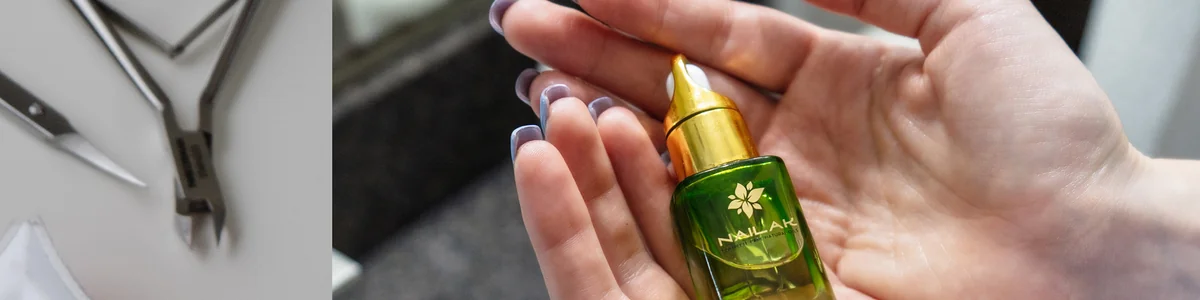
- Twice daily: massage a few drops of nail oil (jojoba + sweet almond or squalane) into nails and cuticles.
- Follow with a silicone-rich hand cream (look for dimethicone) to lock in moisture.
- At night, add a balm or petroleum jelly over cuticles for an occlusive seal.
- Add a breathable shield
- Apply a protective base coat every 3–4 days. Choose lacquers that rely on nitrocellulose and plasticizers (a physical shield) rather than formaldehyde-based hardeners, which can over-harden and lead to more snapping.
Weeks 1–2: Rebuild hydration and routine
- Keep nails short. File every 5–7 days to maintain a smooth edge.
- Use oil after every handwash or sanitizer—yes, every time.
- Switch to a gentle remover. Acetone is very effective but drying; if you use it, minimize soak time and follow immediately with oil. Otherwise, choose acetate-based removers with added oils.
- Introduce a nail cream with urea (10–20%) or lactic acid (5–10%). These humectants draw in water and improve flexibility. Use once daily; if sensitive, start every other day.
Weeks 3–4: Strengthen and assess
- Keep the oil-cream sandwich going. Consistency is the secret.
- Maintain a protective polish cycle: two thin coats of base, re-top every 2–3 days, remove and reapply weekly to avoid build-up.
- Consider a targeted treatment lacquer featuring hydroxypropyl chitosan (HPCH) or amino-acid/peptide complexes. These form a breathable film and can reduce splitting in some users.
- Evaluate your progress at the end of week 4. You should notice fewer snags, smoother tips, and less peeling. True strength improves as the newer, well-hydrated nail grows out.
When to pause polish
- If nails are extremely fragile, take a 1–2 week lacquer break. Focus on oils, urea/lactic acid creams, and barrier hand care. Resume polish once edges feel less rough.
Daily micro-habits that compound
- Put a mini oil beside your soap.
- Stash gloves with your cleaning supplies.
- Keep nails out of your teeth—no nibbling.
- Use the pad of your finger, not the nail tip, to open cans and lift tabs.
Ingredient spotlight: what actually works
The nail aisle can feel like a promise factory. Prioritize ingredients with real-world logic and early evidence.
Jojoba oil Closest match to skin’s natural sebum; its tiny molecules slip between nail layers and cuticles, improving flexibility. Use twice daily.
Sweet almond, squalane, or sunflower oils Rich in lipids that soften and reduce TEWL (transepidermal water loss). Blend with jojoba for slip and nourishment.
Dimethicone A silicone that creates a protective film without greasiness. Look for it in hand creams; apply after oil to lock in moisture.
Urea (10–20%) and lactic acid (5–10%) Humectants/keratolytics that draw water into the nail and gently smooth roughness. Use in a dedicated nail or hand cream a few times per week, increasing as tolerated.
Hydroxypropyl chitosan (HPCH) Forms a flexible, breathable matrix over the nail. In emerging data, can reduce splitting and improve appearance with regular use. Apply as directed, often nightly.
Peptides and amino acids Support the keratin matrix topically. Helpful as part of a protective lacquer; not a magic bullet alone.
Collagen peptides (oral, ~2.5 g/day) Small studies suggest improved nail growth and reduced chipping after 8–12 weeks.
Ingredients to approach with caution
- Formaldehyde/formalin hardeners. They can initially feel strengthening but risk over-hardening and increased brittleness, especially with frequent use.
- Rough abrasives and aggressive buffers. They thin the nail.
- Fragrance-heavy products if you’re sensitive. Choose gentle formulas.
Remember: the formula is the symphony, not just the soloist. Oils plus a humectant cream plus a protective film give better results than any single product.
Salon and at-home care, safely
You can enjoy polish and even gels while healing—if you treat removal and downtime with care.
Safer salon choices
- Ask for soak-off gel, not hard gel or acrylics, if your nails are currently brittle.
- Insist on proper removal: soak, gentle orange-wood stick slide, no scraping or drilling on the plate.
- Bring your own file and buffer if it comforts you.
- Request a waterless manicure. Soaking swells the nail—fine for spa vibes, not for fragile edges.
- Consider a “recovery schedule”: three gel manis, then a 2–4 week break with treatment lacquer.
At-home manicure steps for brittle nails
- Clean and prep
- Wipe nails with a small amount of remover on a cotton pad. No soaking.
- Gently push back cuticles with a wooden stick; don’t cut living tissue.
- Shape
- Keep it short and rounded or “squoval.” File in one direction.
- Prime protection
- Apply a protective base coat or treatment lacquer.
- If using color, apply two thin coats, then a top coat. Let each layer dry completely.
- Seal and nourish
- Once dry, massage cuticle oil around the edges and under the free edge.
- Reapply oil daily. Re-top every 2–3 days to reinforce protection.
Signs you should see a pro (dermatologist or qualified clinician)
- Sudden, severe splitting or pain.
- Dark streaks, green/black discoloration, or significant color changes.
- Spoon-shaped nails (koilonychia), clubbing, or nail lifting.
- Redness, swelling, or pus around the nail folds.
Gentle rule of thumb: if something hurts or looks infected, it’s not a cosmetic problem—get medical care.
Build a nail-healthy routine
Consistency beats intensity. A simple daily framework keeps nails flexible and resilient.
Morning
- Handwash, then oil + hand cream.
- Short nails, smooth edge, no snag zones.
Midday
- After sanitizer or wash, one drop of oil.
- Wear gloves for any cleaning.
Night
- Oil, then hand cream, then a thin layer of balm or petroleum jelly on cuticles.
- Protective lacquer re-top every 2–3 nights; full refresh weekly.
Weekly
- Gentle file and shape.
- Remove lacquer, oil, and reapply base/protective coats.
- One to two nights focused on bare nails with oil and urea/lactic acid cream before resuming polish.
Nutrition and hydration
- Protein at each meal, plus iron- and zinc-rich foods.
- Plenty of colorful produce and omega-3s.
- Water on your desk. Sip, don’t forget.
Track progress. Take a quick photo of your nails each week in similar light. You’ll notice smoother edges first, then fewer chips, and finally stronger free edges that don’t fray.
Your hands, your quiet confidence
Strong nails won’t change your life, but they change the way you move through it. There’s an ease in reaching for your keys without a snag, in tapping a message without a flake, in sliding on a sweater without holding your breath. Caring for brittle nails is really about bringing a little steadiness to the small places—tiny acts of protection, nourishment, and patience that add up.
Give your nails time, and give yourself grace. The same rhythm that helps nails grow—consistent, kind, not rushed—also supports your nervous system. When your hands feel comfortable and cared for, confidence stops being a performance and becomes something quieter: a feeling you carry, fingertip to fingertip.
Frequently Asked Questions (FAQ)
Q: What are the most common brittle nails causes and treatment in winter? A: Winter air is dry, heaters pull moisture from nail plates, and hot water plus sanitizers strip lipids. Treatment: wear gloves for chores, apply oil after every wash, use a silicone-rich cream, consider a urea or lactic acid nail cream, and keep nails short and protected with a treatment lacquer.
Q: Is gel polish bad for brittle nails? A: Gel isn’t inherently bad, but poor removal is. Peeling gel rips nail layers and worsens brittleness. Choose soak-off gel, insist on gentle removal, and build in recovery breaks with oil, barrier cream, and treatment lacquers.
Q: Which oil is best for brittle nails and cuticles? A: Jojoba is a star because it mimics natural sebum and penetrates well. Blending with sweet almond, squalane, or sunflower oil adds softness. Use oils twice daily and after every wash for best results.
Q: How long does it take to fix brittle nails? A: Expect noticeable improvement in 3–4 weeks, with stronger growth over 8–12 weeks as the newer, better-hydrated nail grows out. Consistency with oiling, protective coats, and gentle habits makes the biggest difference.
Q: Can low iron or thyroid issues cause brittle nails? A: Yes. Iron deficiency, B12 deficiency, and thyroid imbalance can show up as brittle, ridged, or spoon-shaped nails. If brittleness is sudden or severe—or you have other symptoms like fatigue—ask your clinician about testing and treatment.
Estimated word count: ~2000 words.