
How to Treat Nail Ridges: Smooth, Healthy Nails
Late afternoon light slants across your kitchen table, and steam curls from the kettle in lazy strands. You tuck a loose strand of hair behind your ear and pull your favorite knit sweater over your wrists. When you reach for your mug, your nail grazes the rim and you notice it again—that faint ridge running down the center. It’s not painful. It’s just there, catching on fabric and your attention, a tiny reminder that the polished version of you doesn’t always emerge on schedule.
You flip your hand in the light. Each nail tells a slightly different story: a few fine lines, a pale, chalky tone from winter and handwashing, a dry cuticle that begs for oil. You press your thumb over your index finger and feel the gentle texture—like a miniature speed bump. You think about the first time a nail tech buffed your nail perfectly smooth. You remember the glossy finish, the way your hands looked put together even on days you didn’t. You remember feeling quietly proud when you handed over your credit card or typed an email. Confident hands do that. They send a message before you say a word.
Today, though, you’re home. Your calendar is full. You’re between nail appointments, and you’d rather not rely on a salon to feel like yourself. You want a practical plan—something you can do at your table, with a cup of tea, to bring your nails back to smooth. You want to know how to treat nail ridges without damaging your nail plate or masking a problem that might be telling you something useful.
Here’s the honest part: ridges can be normal. They can also be a nudge to pay attention—to hydration, to daily habits, to what your body might need. This isn’t about chasing perfection. It’s about creating a routine that respects your nails and the life you live. The breeze outside rattles the windowpane, and you set your mug down with a new intention. Tonight, your hands get the same care you give your face and your calendar. Tiny rituals. Simple tools. A few smart ingredients. And a rhythm that brings that quiet confidence back into reach.
Let’s start with clarity. Then, we’ll build a routine that actually works.
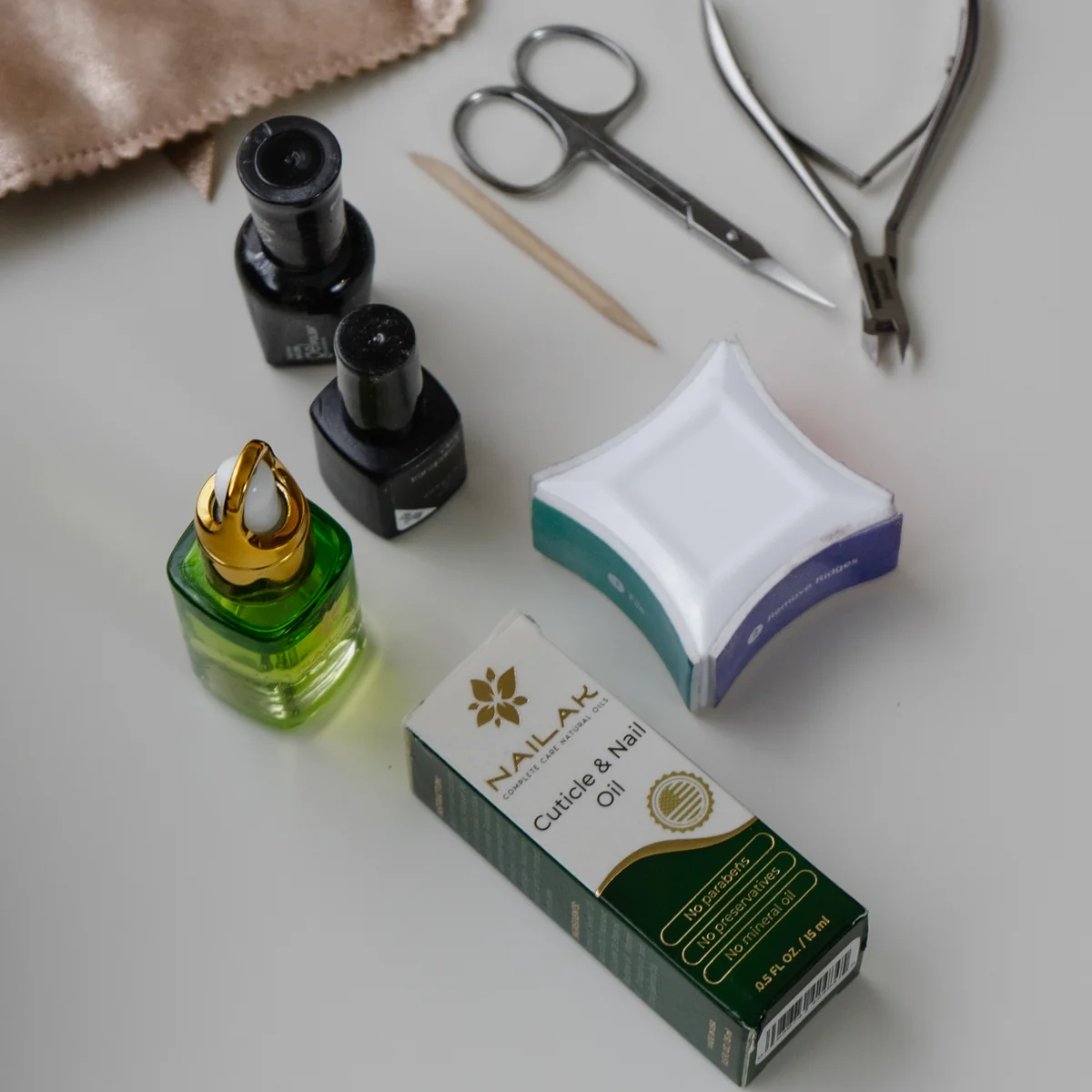
Quick Summary: Learn how to treat nail ridges with gentle care, smart ingredients, protective habits, and when to seek professional help.
What causes nail ridges?
Nail ridges usually fall into two categories:
- Vertical ridges: Lines running from cuticle to tip. These are common and often genetic or age-related.
- Horizontal ridges (Beau’s lines): Grooves that run side-to-side. These can signal a past stressor like illness, injury, or severe dehydration.
Here’s what often contributes:
- Natural aging: As we age, nail cell turnover slows. Nails may appear more ridged.
- Dehydration: Frequent handwashing, sanitizers, and cold weather pull moisture out of nails.
- Over-buffing or harsh removal: Aggressive buffing, acetone, and scraping gel or dip lift layers off the nail plate.
- Cuticle damage: Nipping or picking at cuticles can disrupt nail growth and create uneven texture.
- Trauma: A slammed car door or even one too-tight gel removal can temporarily dent the growth.
- Skin conditions: Eczema or psoriasis around the nail often brings pitting or ridging.
- Nutrition and health: Iron deficiency, low B12, thyroid imbalance, or big hormonal shifts (postpartum, perimenopause) may change nail texture.
- Seasonal changes: Winter air and wind sap moisture, amplifying ridges you barely noticed in summer.
Ridges are a message. Sometimes they’re just saying, “Moisturize me.” Sometimes they’re asking you to check in more deeply.
Quick check: normal vs. concerning
Not all ridges are created equal. A quick self-assessment helps you decide your next steps.
- Likely normal: Fine vertical lines, no pain, nails otherwise healthy and pink.
- Check sooner: Ridges with discoloration (brown, green, black), pain, lifting, or crumbling. These could signal infection or trauma.
- Call your doctor: Sudden, deep horizontal grooves across most nails, new pitting, or persistent changes alongside fatigue, hair loss, or skin rashes.
If something feels off in your gut, schedule a dermatology visit. Peace of mind is part of good care.
Daily care to smooth ridges
If you’re wondering how to treat nail ridges at home, start with consistency. A steady, gentle routine transforms texture better than one dramatic buffing session.
Try this simple, five-step routine:
Cleanse, don’t strip.
Wash hands with a creamy, fragrance-free cleanser. Avoid constant sanitizer use at home; switch to soap whenever possible.Oil the nail plate.
Apply a drop of cuticle oil to each nail, then massage under the free edge. Look for lightweight oils like jojoba, squalane, or sweet almond—they mimic skin’s natural lipids and sink in fast.Seal with a barrier.
Follow oil with a rich hand cream. Bonus if it contains urea (5–10%) or lactic acid (low percentage) to gently soften dry skin and support smoother cuticles over time.File with intention.
Keep tips even to prevent snagging. Use a fine 240–320 grit file and move in one direction. Avoid aggressive shaping sessions.Protect from water and chemicals.
Wear gloves for dishes and cleaning. Water exposure swells and shrinks nails, deepening the look of ridges.
Nighttime tip: Before bed, apply oil, then cream, and slip on lightweight cotton gloves for 20–30 minutes. You’ll wake up with nails that feel denser, smoother, and less “thirsty.”
Ingredients worth knowing:
- Hydrators: Glycerin, hyaluronic acid, urea, and aloe help attract water.
- Barrier helpers: Ceramides, shea butter, petrolatum, and squalane reduce moisture loss.
- Gentle smoothers: Low-level lactic acid or PHA (gluconolactone) can soften cuticles without harsh exfoliation.
What to skip:
- Frequent acetone soaks.
- Harsh cuticle removers or pushing too hard.
- “Hardening” treatments with formaldehyde or toluene sulfonamide if your nails are sensitive—they can make ridges worse long-term.
Consistency beats intensity. Commit to two weeks of daily care and reassess texture.

Treatment options that work
When people ask how to treat nail ridges quickly, they often reach for a buffer. Used carefully, it helps. Overused, it thins the nail plate and deepens problems.
Here’s a smart treatment plan:
- Minimal buffing: Use a very fine buffer (320+ grit) and sweep lightly, a few passes only, once every 2–3 weeks. Your goal is soft optical smoothing, not removing layers.
- Ridge-filling base coat: These primers contain micro-particles that fill valleys for an instantly smooth canvas. They also protect the nail from pigments.
- Nail strengtheners, thoughtfully: Choose formaldehyde-free formulas with nitrocellulose or keratin-building peptides. Expect results over 6–8 weeks, not overnight.
- Oil dosing: Apply nail oil 2–3 times daily for 10–14 days. You’ll notice less brittleness and ridges look less prominent.
- Weekly “soakless” treatment: After a shower (when nails are already hydrated), massage in oil, then seal with cream and gloves for 20 minutes. Skip soaking bowls, which can over-swell nails, causing polish to chip sooner and ridges to show.
Small lifestyle shifts matter too:
- Short, rounded edges resist snagging better than ultra-square tips.
- Keep nails to a practical length. The longer the lever, the bigger the stress.
- Avoid using nails as tools. That tiny box tab can wait for a butter knife.
In beauty, we often see how seasons change our routine. One beauty editor wrote about winter bringing deeper dryness and itchiness that basic scrubs couldn’t fix—she had to rebuild her routine with more nourishing, strategic products. Nails are no different: cold, wind, and hormonal shifts can magnify ridges and dryness, so your winter nail plan needs extra moisture, not extra buffing. Consider swapping in thicker creams and doubling down on oil when temperatures drop (source: https://www.15minutebeauty.com/adventures-in-winter-skin.html)
Manicure tips for ridged nails
A smooth-looking finish is part technique, part product. If manicures are your therapy, here’s how to treat nail ridges while wearing polish.
Prep with care:
- Skip soaking bowls. Water expands nails, then they contract, which can emphasize ridges later and shorten wear.
- Gently push back cuticles with a soft tool after a shower. Don’t cut living tissue.
- Remove old polish with a non-acetone remover whenever possible. If you must use acetone, follow with oil and cream immediately.
Prime and polish:
- Start with a ridge-filling base coat. Let it dry fully before color.
- Choose forgiving shades. Cream finishes in mid-tone pinks, reds, or taupes hide texture better than frosts or ultra-sheer colors.
- Apply thin coats. Two or three thin layers beat one thick coat. Thinner coats self-level and won’t pool in grooves.
- Cap the free edge. This reduces chipping that can exaggerate roughness near the tips.
What about gel?
- Gel can look glassy and hide ridges well. The risk is removal. If you pick or peel, you’ll remove layers of nail and deepen ridges.
- If you love gel, consider a rubberized base. It flexes with the nail and fills texture more safely.
- Insist on gentle removal: soak, slide, and no scraping. Between sets, take a 1–2 week breather to rebuild with oil and a protective base coat.
Press-ons and wraps:
- Short press-ons with a flexible, “natural” fit can smooth out the look instantly. Prep nails with alcohol, not acetone, and keep wear time to a week. Always moisturize during and after.
Nutrition for strong, even nails
Your nails reflect your daily plate and your hydration habits. While no single vitamin “cures” ridges, supportive nutrition helps growth look and feel healthier.
The essentials:
- Protein: Nails are keratin. Aim for protein at each meal: eggs, Greek yogurt, tofu, beans, fish, chicken.
- Iron and B12: Low levels can correlate with brittle nails and ridging. Get labs if you suspect deficiency. Good sources include leafy greens plus vitamin C for iron absorption, and fish, dairy, or fortified foods for B12.
- Zinc: Supports growth and repair. Find it in pumpkin seeds, legumes, seafood, and nuts.
- Omega-3s: Healthy fats help reduce dryness and inflammation. Think salmon, sardines, walnuts, and flax.
- Vitamin D: Supports overall skin and nail health; many adults are low, especially in winter.
- Hydration: Aim for steady fluid intake. Herbal tea counts. Your nails will feel less “papery.”
About supplements:
- Biotin has some evidence for improving brittle nails at 2.5 mg daily, but it won’t fix every ridge type. It can interfere with certain lab tests. Ask your doctor before starting.
- Silica and collagen: Research is mixed. Some people notice smoother growth, others see no change. If you try them, give it 8–12 weeks and evaluate.
A sample “nail-friendly” day:
- Breakfast: Omelet with spinach and feta, berries, and green tea.
- Lunch: Lentil and quinoa bowl with roasted vegetables, tahini, and pumpkin seeds.
- Snack: Greek yogurt with ground flax and cinnamon.
- Dinner: Salmon with lemon, farro, and a citrus-dressed salad.
- Evening: Chamomile and a tall glass of water before bed.
Consistency beats perfection. Your nails need time to grow out healthier from the matrix—you’re playing the long game.
When to see a professional
If you’re following a routine and still wonder how to treat nail ridges that won’t budge, it might be time for a professional check.
Signs to book a visit:
- Deep, sudden horizontal ridges across multiple nails.
- Discoloration, pain, lifting, or bleeding.
- Pitting or rough patches with scaly skin.
- Ridges plus other symptoms: fatigue, hair shedding, weight change, or rashes.
What a dermatologist may do:
- Examine nails and surrounding skin.
- Check for fungal infection, psoriasis, eczema, or lichen planus.
- Order labs for iron, B12, thyroid, or vitamin D.
- Recommend targeted treatments: antifungals, topical steroids for inflammatory skin disease, or addressing systemic issues.
One more pro on your team: a skilled nail tech who respects the nail plate, avoids aggressive e-file work on natural nails, and prioritizes gentle removal. Your nails will thank you.
A softer way back to confidence
Your nails tell the story of your days—hands washed after rushing dinner, the box you opened with your thumbnail, the winter air that nips as you dig for your keys. Ridges are part of that story. Treating them isn’t about chasing flawlessness. It’s about noticing what your body asks for and answering with care.
A drop of oil on your thumbs before you start the car. Gloves by the sink. A base coat that makes three minutes feel like a small luxury. These choices are tiny, but they add up. You’re not only smoothing a surface—you’re making room for small rituals that make you feel more you. Polished or bare, you get to choose how your hands move through the world: steady, cared for, and quietly confident.
Frequently Asked Questions (FAQ)
Q: How to treat nail ridges fast before an event?
A: Do a quick manicure with a ridge-filling base coat, two thin layers of a cream-finish polish, and a glossy top coat. Before you paint, massage in a light oil and let it absorb for five minutes. The combination blurs texture and boosts shine without aggressive buffing.
Q: Are nail ridges always a sign of deficiency?
A: No. Many vertical ridges are normal with age or genetics. That said, persistent or sudden changes alongside fatigue or hair shedding can point to iron, B12, or thyroid issues. If you’re unsure, get labs and speak with your clinician.
Q: Will buffing remove nail ridges permanently?
A: Buffing only smooths the surface temporarily and can thin the nail if overdone. Use a fine buffer sparingly—just a few light passes every couple of weeks. Pair it with a ridge-filling base and daily oil for safer, longer-lasting improvement.
Q: Do gel manicures help or hurt ridged nails?
A: Gel can camouflage ridges beautifully, but removal is the risk. If you pick or scrape, you’ll damage the nail plate and deepen ridges. If you choose gel, insist on gentle soak-off and take breaks to rebuild with oil and a protective base coat.
Q: What ingredients should I look for to smooth ridges?
A: Look for nail oils with jojoba or squalane, hand creams with urea or ceramides, and ridge-filling base coats with micro-filling particles. Avoid harsh hardeners with formaldehyde if your nails are sensitive.
Estimated word count: ~1980 words