
Cuticles Peeling Causes and How to Fix Them
The snag started small—just a whisper of skin catching on the cuff of a knit sweater while I waited for coffee. By the time the barista called my name, the edge of my cuticle had lifted like a tiny paper sticker. A sting bloomed when I reached for the cup. Later, typing at the desk, the raised edge caught on my sleeve again, setting off a chain of tiny, irritating distractions: a twinge here, a snag there, a mental note to stop picking and a half-promise to myself to care more tomorrow.
Maybe it was the detergent. Maybe it was that new gel polish I cured a little too long. Or the dry air from the office heater that made everything—lips, hands, even patience—feel more brittle. It’s funny how something as quiet as a peeling cuticle can shape the mood of a day. You move through emails, stir soup on the stove, hug your kid, reach for your keys—and you feel it each time, reminding you in its small way that your body asks for gentleness.
That night, I stood at the sink and massaged oil around my nails. The scent of sweet almond rose up warm and familiar. My hands softened in minutes, and suddenly I remembered the last time my cuticles behaved: I was on vacation, swimming and napping like it was a sport, skin soaked in humidity and sunscreen. It wasn’t the perfect manicure that made me feel pulled together back then—it was the rhythm of care. The unhurried way I treated myself.
If your cuticles are peeling, you’re not alone. It’s one of those universal annoyances we don’t talk about until someone else shows up with a bandage on their finger and we confess, me too. The good news? Cuticles are resilient. With the right habits—and a better understanding of cuticles peeling causes—you can calm the irritation, heal the skin, and create a daily ritual that feels like coming home to yourself.
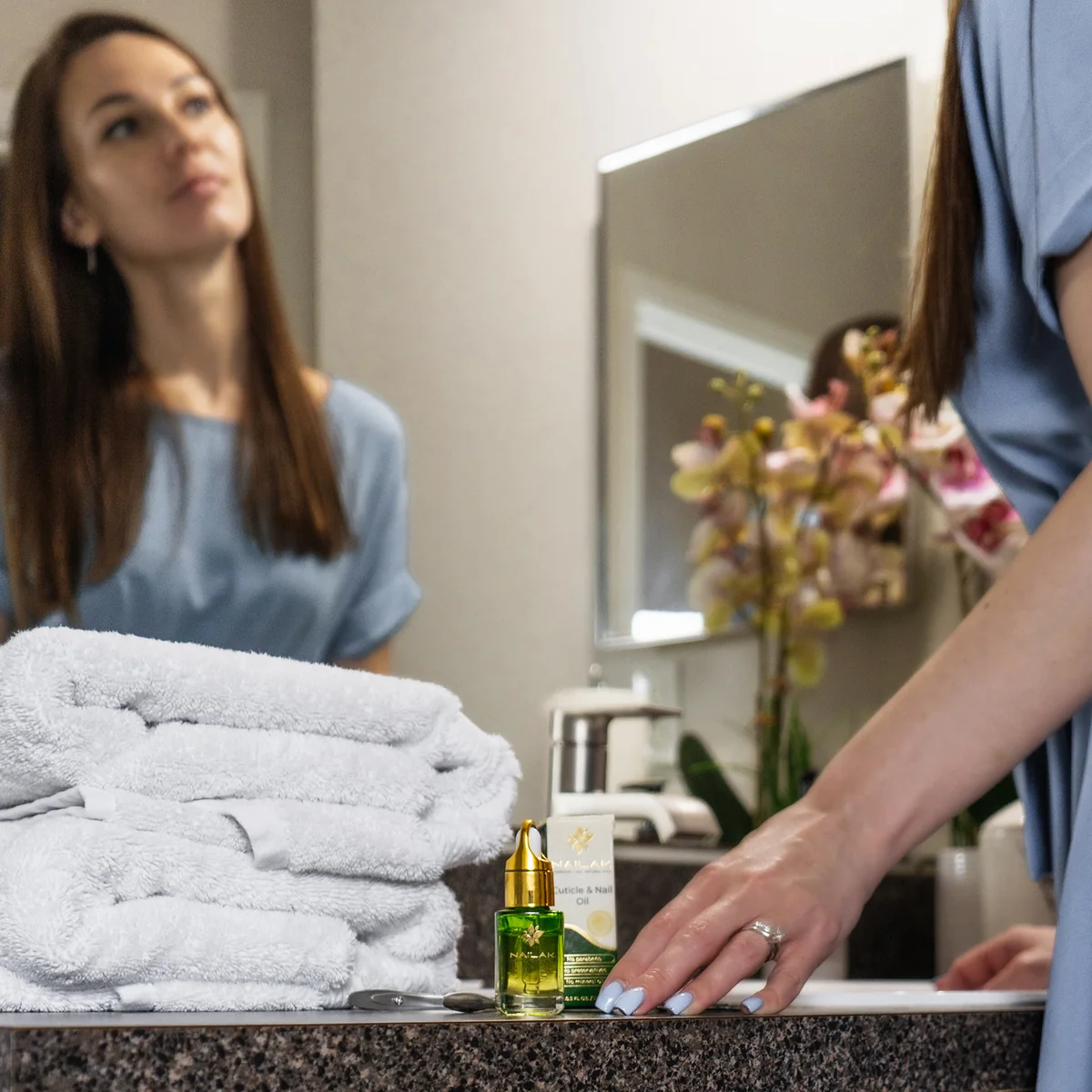
Quick summary: Cuticles peeling causes include dryness, irritants, over-grooming, and internal factors; the fix is moisture, gentle habits, and targeted care.
What makes cuticles peel?
Cuticles are the delicate seal where skin meets nail. They’re your nails’ first line of defense against bacteria and moisture loss. When they peel, that seal weakens, leading to hangnails, soreness, and susceptibility to infection.
Cuticles peeling causes often include:
- Environmental dryness: low humidity, winter air, indoor heating, and frequent handwashing.
- Irritants: harsh soaps, sanitizers, acetone, detergents, and cleaning fluids.
- Mechanical stress: over-buffing, aggressive cuticle trimming, picking, or peeling polish.
- Allergic reactions: sensitivity to nail products like adhesives, gels, or certain polish ingredients.
- Internal factors: dehydration, nutrient gaps, certain medications, or health conditions.
Here’s the secret that many of us skip: cuticles aren’t meant to be trimmed aggressively. They’re meant to be moisturized and gently nudged back. When we slice or push too hard, the skin responds by hardening, cracking, and peeling more. It’s a cycle—but a reversible one.
How dryness starts the spiral
Dry skin loses elasticity. When the thin cuticle layer dries out, it lifts and tears under everyday friction. A raised edge gets snagged and suddenly you’re in a loop of picking, tearing, and bandaging. Hydration interrupts the loop. Oil and balm give the skin the flexibility to move without splitting.
Everyday habits that trigger peeling
Small habits compound. The most common cuticles peeling causes hide in your routine.
- Over-washing: Soap strips oils that keep the cuticle flexible. Add hot water and the barrier breaks down faster.
- Hand sanitizer overload: High alcohol content wicks moisture from skin. During cold and flu season, this effect multiplies.
- Household chores: Detergents, bleach, and dish soap are tough on skin, especially ungloved skin.
- Aggressive manicures: Cutting cuticles, scraping gel, over-buffing, or filing against the nail’s grain.
- Nail picking: It’s a stress habit. Peeling polish or skin creates micro-tears that grow by the hour.
- Tool hygiene: Dull or unclean tools tug, tear, and invite irritation or infection.
A gentler approach:
- Switch to a creamy, pH-balanced hand soap.
- Keep a pocket-size cuticle oil and apply after washing.
- Wear gloves for dishes and cleaning.
- If you love gel, give your nails a breather between sets and use acetone sparingly.
- Resist trimming the cuticle edge; soften and push back instead.
Mini habit swap
- After sanitizer? Follow with a single drop of oil around each nail.
- Before bed? Massage balm on cuticles like lip balm for your fingertips.
- Midday stress? Instead of picking, press your thumbnail pads together for 10 seconds and breathe.
Internal factors: nutrition and health
What happens inside shows up at the nail fold. If peeling persists despite gentle care, zoom out and consider internal cuticles peeling causes.
- Hydration: Dehydration makes skin less resilient. Aim for steady water intake throughout the day, not a last-minute chug.
- Healthy fats: Omegas (from salmon, walnuts, flax) support skin barrier function, helping cuticles stay supple.
- Vitamins and minerals: Biotin may support nail strength; iron and zinc deficiencies can contribute to brittle nails and peeling skin. B-complex vitamins also matter.
- Skin conditions: Eczema, psoriasis, and contact dermatitis can flare at the cuticles, leading to peeling and soreness.
- Medications: Some acne and retinoid therapies increase dryness.
- Stress: Cortisol can shift oil production and slow healing, so micro-tears linger.
If you suspect a deficiency, talk to your healthcare provider. Bloodwork and a simple plan can change the trajectory of your nail health within weeks.
Nourish from the inside
- Add a thumb-sized portion of protein at each meal.
- Include a source of healthy fat daily—olive oil drizzle, avocado, or nuts.
- Consider a daily multivitamin if your diet varies; pair it with whole foods first.
- Sip water regularly; herbal tea counts toward hydration.
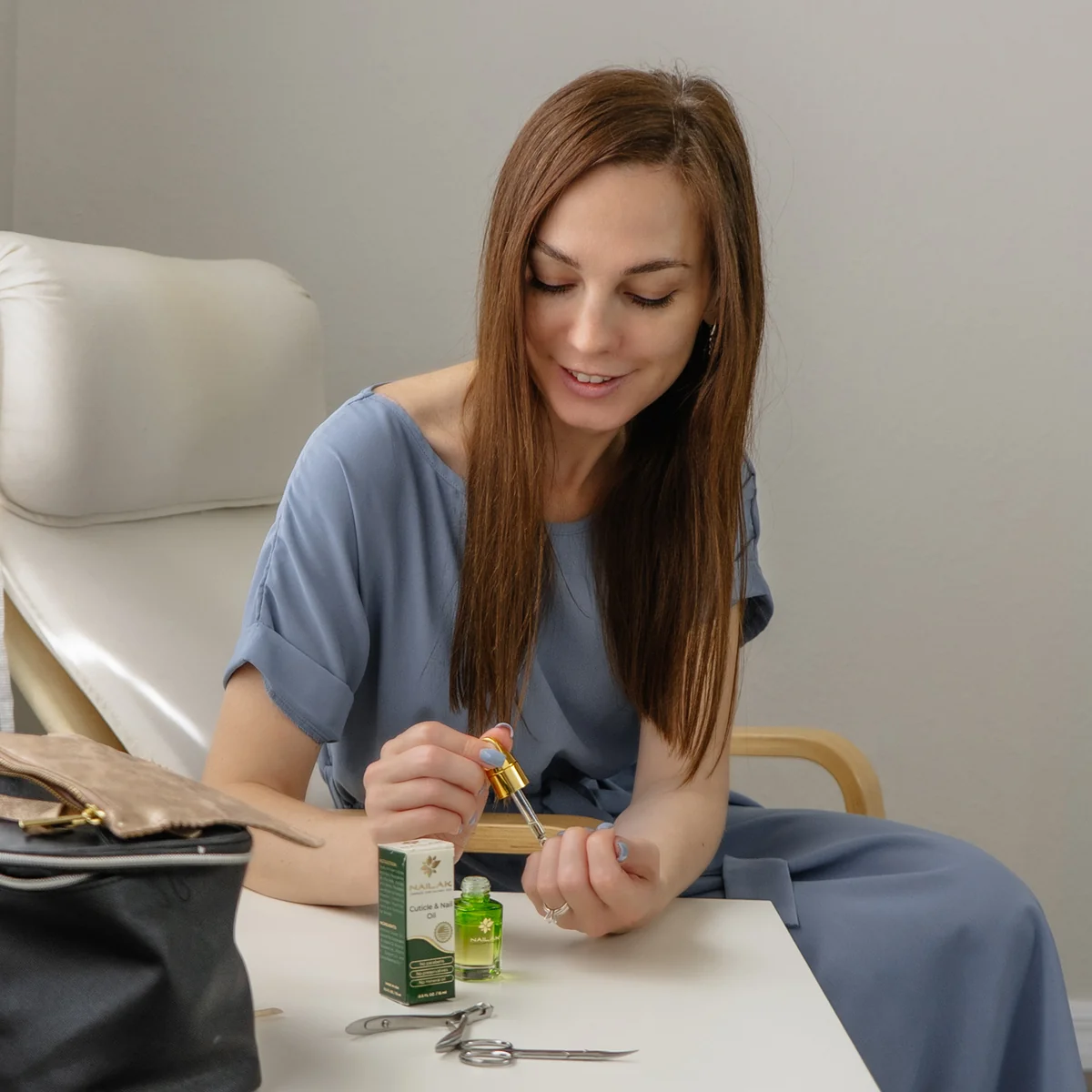
Fix it fast: an at-home repair routine
When cuticles start to peel, act early. Here’s a soothing routine you can do tonight.
- Cleanse gently
- Wash hands with lukewarm water and a creamy soap.
- Pat dry—no rubbing.
- Soften the cuticles
- Apply a warm compress for two minutes or soak in a bowl of lukewarm water with a few drops of jojoba or sweet almond oil.
- Pat dry again.
- Exfoliate lightly (optional, 1–2x/week)
- Use a sugar-based hand scrub or a drop of oil mixed with granulated sugar.
- Massage around the nail folds in tiny circles for 20–30 seconds.
- Rinse and pat dry.
- Push back, don’t cut
- Use a soft cuticle pusher or orangewood stick.
- Gently push the softened cuticle back. Stop if you feel resistance.
- Trim only hangnails—not the cuticle itself—using clean, sharp nippers.
- Seal with moisture
- Massage a cuticle oil (jojoba, squalane, or vitamin E) into the nail folds.
- Lock it in with a thicker balm or ointment. The combination is key: oil penetrates; balm seals.
- Protect
- Wear cotton-lined gloves for chores.
- Keep a travel oil pen in your bag and reapply after handwashing.
Consistency matters more than perfection. Even 30 seconds, twice a day, can smooth frayed edges in a week.
In beauty trends, there’s a clear throughline: when care aligns with lifestyle, confidence blooms. Just like choosing a hairstyle that flatters and fits your routine, a cuticle regimen works when it supports your day-to-day. Easy, repeatable steps not only protect your hands—they boost how polished you feel, even with bare nails. (source: https://howlifestyles.com/30-best-hairstyles-for-women-youll-love/)
Prevent peeling with smart daily care
Think of prevention as gentle armor. You’re not aiming for perfection; you’re building resilience.
Actionable daily tips:
- Moisturize after water: Keep oil or balm at every sink you use. Reapply while your skin is still slightly damp.
- Choose kinder formulas: Look for soaps labeled hydrating, and hand creams with ceramides, glycerin, or shea butter.
- Use cuticle oil like lip balm: Small, frequent applications beat a weekly soak every time.
- Build a glove habit: Dish gloves. Cleaning gloves. Outdoor gloves in winter. This is non-negotiable in dry weather.
- Time your manicures: Space gel or dip appointments to allow skin recovery; consider a “naked nail” week after removal.
- Check ingredients: If you suspect sensitivity to nail glue, adhesives, or certain polishes, try a fragrance-free, hypoallergenic line.
What to look for in products
- Oils: Jojoba (closest to skin’s natural sebum), squalane (fast-absorbing), vitamin E (antioxidant).
- Balms/creams: Shea butter, lanolin, petrolatum, ceramides, glycerin.
- Cuticle removers: Choose gentle, lye-free formulas if you use them occasionally; always neutralize and hydrate afterward.
- Sanitizers: Add a follow-up layer of oil or lotion immediately after use.
The 20-second reset
Whenever a cuticle catches or looks rough, pause. One drop of oil, ten-second massage, then carry on. This micro-ritual keeps the skin pliable and breaks the picking cycle.
When to see a professional
Sometimes peeling signals more than dryness. Seek help if:
- You notice redness, swelling, warmth, or pus.
- The skin is painful or cracking deep enough to bleed.
- Peeling persists for weeks despite consistent care.
- You have signs of rash or itch that suggest contact dermatitis.
- Your nails are changing color, shape, or lifting from the bed.
A dermatologist can assess for eczema, psoriasis, fungal infections, or contact allergies. If you love salon manicures, choose a tech who avoids cutting your cuticles, sterilizes tools, and listens to your preferences. Your cuticles should never ache after a service.
Patch testing pays off
If you suspect an allergy to nail products, ask about patch testing. Identifying allergens—like certain acrylates or fragrances—helps you choose safer, more comfortable formulas.
A softer approach to confidence
There’s a quiet kind of confidence in hands that feel cared for. Not perfect. Not photoshoot-ready. Just soft enough that sweaters don’t snag and typing doesn’t sting. That’s the point of understanding cuticles peeling causes—not to obsess, but to honor the little systems that help you feel at home in your body.
When your cuticles are calm, everything else gets a touch easier. You reach for your coffee, color your child’s drawing, tuck hair behind your ear, and your mind stays with the moment. Self-care doesn’t need an hour or a spa. Sometimes it’s a breath, an oil drop, a glove by the sink, and a promise to be gentler—today and again tomorrow.
Frequently Asked Questions (FAQ)
Q: What are the most common cuticles peeling causes? A: The top culprits are dryness from weather and washing, irritants like harsh soaps and acetone, over-grooming (cutting or pushing too hard), and internal factors like dehydration or nutrient gaps. Addressing moisture and gentler habits usually helps quickly.
Q: Should I cut my cuticles to stop peeling? A: No. Cutting the cuticle often triggers more peeling and makes the skin vulnerable. Instead, soften with warm water or oil, gently push back, and trim only hangnails with clean nippers.
Q: Which ingredients actually help heal peeling cuticles? A: Look for jojoba or squalane oil for fast absorption, vitamin E for antioxidant support, and seal with shea butter, lanolin, petrolatum, or ceramides. Glycerin and hyaluronic acid draw water into the skin for lasting hydration.
Q: How often should I use cuticle oil? A: Twice daily is ideal—after washing and before bed. During dry seasons or frequent sanitizer use, apply small amounts more often. Frequent, light applications beat occasional heavy ones.
Q: Can diet really affect my cuticles? A: Yes. Hydration, healthy fats, and balanced vitamins and minerals support skin resilience. If peeling persists, ask a healthcare provider about possible deficiencies in iron, zinc, or B vitamins, and consider a simple nutrition tune-up.