
Inflamed Cuticles Treatment: Soothe, Heal, Protect
On the morning it really began, the radiator hummed like a cat and the kitchen smelled faintly of toast and lavender soap. I wrapped two hands around a heavy mug and felt that lovely, grounding warmth… until a tiny sting flashed along my left thumb. A snag. I glanced down and saw the culprit: a frayed hangnail, that thin whisper of skin that somehow controls the mood of your whole day.
It’s funny how our hands tell the truth before we do. Dry air, brisk wind, one rushed dishwashing session without gloves—suddenly the skin around our nails grows tight, sore, and red. I pressed my thumb against my palm to quiet the ache and thought about the meeting on my calendar. The one where I’d be gesturing on camera, typing furiously, and yes, noticing my own inflamed cuticles every time I found a comma.
I opened the drawer by the sink. A scatter of bobby pins, a peppermint, and a half-used cuticle oil pen rolled forward like a tiny treasure. I twisted the click top and brushed a shimmer of oil along the nail fold. The skin drank it up. My shoulders dropped a little. There’s a small triumph in caring for something that hurts right now.
Then came the inevitable scroll. Searching: inflamed cuticles treatment. Tabs opened. Advice clashed. Some said cut; others warned never. Soaks, ointments, oils. The more I read, the clearer it became: this isn’t about “perfect nails.” It’s about comfort. About listening when your body says “tender here,” and responding with gentleness, not punishment.
I rinsed my mug, slipped a pair of thin cotton gloves into my bag, and promised myself two things. I’d baby my hands this week, and I’d share what actually works—without scare tactics, without perfection pressure, with as much warmth as the mug I didn’t want to let go.
Because when our hands feel good, life gets a little easier to hold.
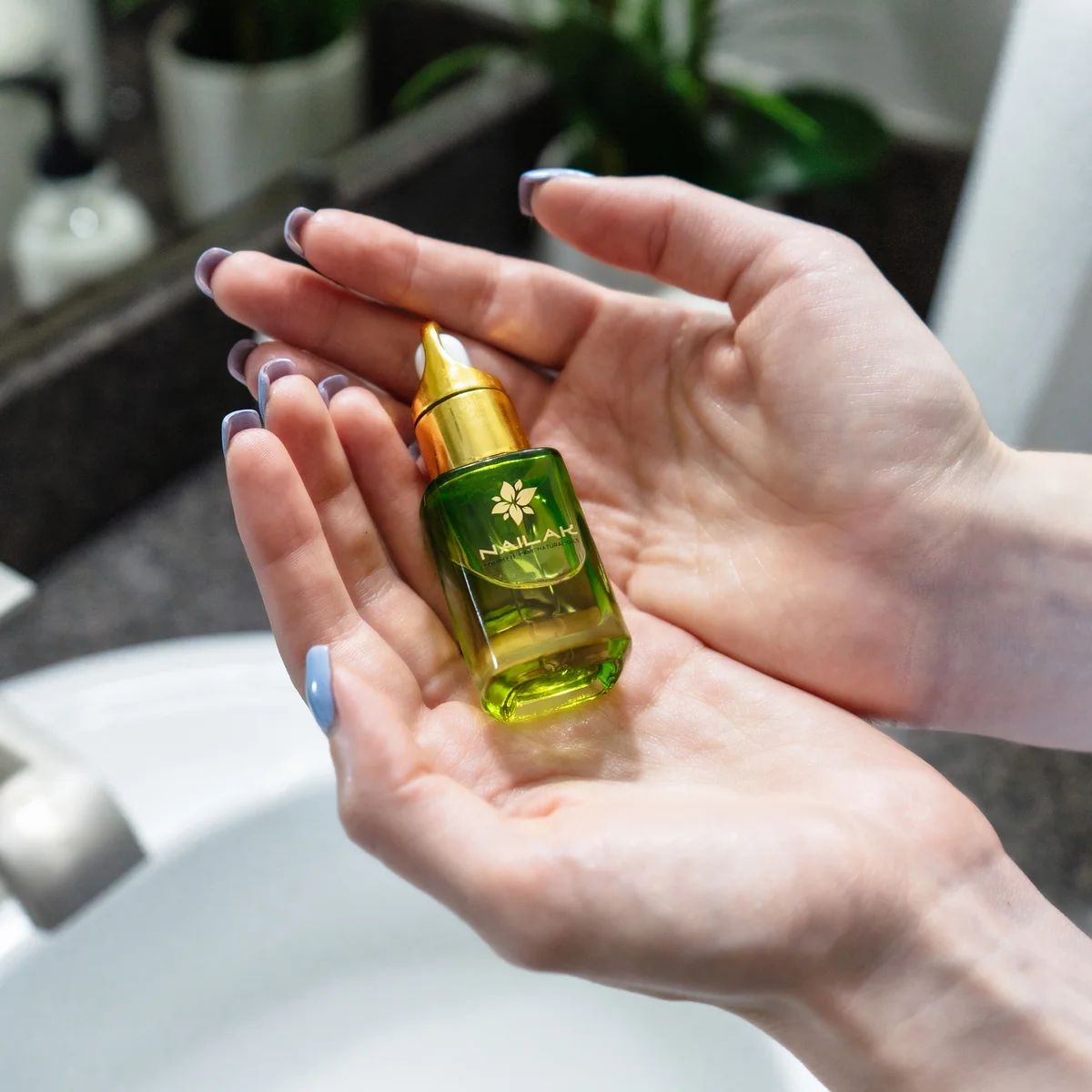
A gentle, practical guide to inflamed cuticles treatment—fast relief, daily rituals, and prevention—for calm, healthy nail folds you can count on.
What inflamed cuticles really are
Let’s demystify the anatomy first. The “cuticle” we see is a thin, dead layer of skin that seals the space between the nail plate and the living skin at the base. That living skin is the proximal nail fold (sometimes called the eponychium). Think of it as a weatherstrip for your nails. When it’s intact and supple, it keeps out water, germs, and irritants.
Inflamed cuticles happen when that seal becomes irritated or damaged. The area turns red, sore, and sometimes swollen. You may see dryness, peeling, or little tears. There are two broad types:
- Irritant inflammation: Caused by friction, over-trimming, harsh removers, frequent washing, or cold, dry air.
- Infectious inflammation (paronychia): When bacteria or yeast take advantage of a break in the skin. This brings extra swelling, throbbing, and sometimes pus.
Most everyday flare-ups are irritant-based. That’s good news. With the right inflamed cuticles treatment, you can calm them quickly and prevent a spiral.
Common triggers:
- Over-cutting or aggressive pushing during manicures
- Picking, biting, or peeling hangnails
- Soaking hands in water, especially with detergents
- Dry winter air and frequent hand sanitizer use
- Harsh acetone or improper gel/polish removal
Your goal is twofold: reduce inflammation and restore the barrier.
First aid: calm the flare-up
When the skin is red and sore today, start here.
- Do a warm saline soak
- Mix a cup of warm water with 1/2 teaspoon of salt.
- Soak the affected fingers for 5–10 minutes, once or twice today.
- Pat dry—don’t rub.
- Soothe and protect
- If the skin is inflamed but not open or oozing, apply a thin layer of 1% hydrocortisone cream to reduce redness and tenderness.
- If there’s a fresh tear or hangnail, dab with a gentle antiseptic (or saline), then apply a thin layer of antibiotic ointment.
- Seal with an occlusive like petrolatum or lanolin over top. This keeps moisture in and irritants out.
- Avoid cutting
- Resist trimming “live” cuticle or any redness. Only trim clean, dead hangnail tips that snag. Use sharp, sanitized nippers and take the smallest amount.
- Gentle bandage
- If a hangnail keeps catching, cover it with a breathable bandage during tasks. Remove at night to let skin rest.
- Pain and swelling checks
- If the area throbs, pulses with pain, looks very swollen, or shows pus, pause home treatments and contact your clinician. That may be true infection and needs tailored care.
Here’s the secret: speed matters. The sooner you reduce friction and lock in moisture, the faster inflamed cuticles settle.
Daily inflamed cuticles treatment ritual
Make healing a rhythm, not a scramble.
Morning barrier minute
- Massage in a cuticle oil rich in jojoba or squalane. These mimic skin’s natural lipids and sink in fast.
- Top with a lightweight hand cream containing glycerin or hyaluronic acid plus ceramides.
- Finish with a tiny dab of petrolatum just at the nail folds if you’re extra dry.
- Slip on gloves for dishwashing or cleaning. Glove discipline is non-negotiable.
Midday maintenance
- After each hand wash, blot dry—don’t rub. Apply a single drop of oil or a pea of cream. Keep a mini by your keyboard.
- If you use sanitizer often, alternate with a barrier-restoring cream afterward.
Night repair ritual
- Warm water rinse, then dab dry.
- If irritated, a thin layer of hydrocortisone used for 3–5 nights can help calm, followed by oil and a richer cream.
- Optional: micro-occlusion. Massage oil into nail folds, then wear thin cotton gloves for 20–30 minutes while you unwind. You can almost feel the smoothness returning.
Weekend reset
- Skip acetone. If removing polish, use a gentle remover and work quickly.
- Softly push back only softened, dead cuticle after a shower using a rubber pusher or an orangewood stick. No force.
- Trim only true hangnails, never pink, living tissue.
- Buff dry flakes lightly with a 240–320 grit buffer, then oil again.
Consistency—more than intensity—makes the difference.
Ingredients that truly help
You don’t need a 20-step routine. You need the right helpers.
- Jojoba oil: Lightweight, stable, and similar to skin’s sebum. Excellent daily.
- Squalane: Fast-absorbing. Great under gloves or before typing.
- Sweet almond oil: Softens and adds slip for massage.
- Vitamin E (tocopherol): Antioxidant support. Look for lower concentrations to avoid stickiness.
- Panthenol (pro-vitamin B5): Humectant that soothes.
- Urea (2–5%): Gently hydrates and softens roughness. Avoid high percentages on open skin.
- Lactic acid (low, 5% or less): Softens dead skin. Use sparingly and never on broken skin.
- Allantoin and bisabolol: Calm irritation.
- Ceramides: Support the skin barrier, especially in hand creams.
- Petrolatum or lanolin: Powerful occlusives to seal in hydration.
Be cautious with:
- Essential oils like tea tree or peppermint on broken skin. They can sting or irritate.
- Fragrance in treatment products if your skin is reactive.
- Strong acids or retinoids near nail folds.
If you love a naturally scented oil, apply it on healthy days, not inflamed ones.
A quick trend note: each January, best-selling style and beauty picks spike, and diligent shoppers grab staples while they’re hot. This is when cuticle oils and barrier creams often sell out, so if you find one that loves your skin, buy a backup while it’s available (source: https://busbeestyle.com/january-best-sellers/).
Habits that make cuticles angry
Let’s be honest: most flare-ups aren’t bad luck. They’re habits we can shift.
Cutting the cuticle This removes your nail’s protective seal. Instead, soften, gently push back, and trim only dead hangnails.
Picking and biting It’s stress relief in disguise. Replace the habit:
- Keep a fidget ring or silicone cube at your desk.
- Apply a bitter-tasting nail solution if you’re a biter.
- Wear short, rounded nails that don’t catch.
Waterlogging your hands Soaks feel soothing but swell skin and weaken the barrier. Keep hands out of long baths, and always moisturize right after any wash.
Harsh removers and scraping gels Acetone and peeling gel polish strip oils and tear the nail plate. Opt for foil wraps with a remover made for gels, then gently nudge softened product away. No scraping wars.
Bare chores Detergents and hot water are cuticle enemies. Invest in two glove pairs:
- Rubber for dishes and cleaning
- Cotton under rubber if you have eczema-prone skin
Rubbing towels Pat hands dry. Then oil. Always seal while skin is slightly damp.
Skipping water and protein Dehydration and low protein intake can show up in your nails. Sip, snack smart, and watch your hands thank you.
Salon care and at-home tools
Great inflamed cuticles treatment includes smart choices at the salon.
Speak up about the cuticle Ask your nail tech not to cut living tissue. Request gentle softening, careful pushing, and minimal trimming of only loose, dead skin.
Tools matter Ensure tools are sterilized between clients. If you have sensitive skin, bring your own pusher, file, and buffer.
E-file etiquette If your salon uses an e-file, ask for low speed and a light touch around the nail fold. You should feel polish removal, not heat or pressure on your skin.
Time over force If gel won’t budge, ask for more soak time, not scraping. Protect the seal.
Polish breaks Build in polish-free days to let the nail plate breathe and the skin reset.
At home, keep a small, clean kit:
- Glass nail file (smooths snags fast)
- Orangewood sticks or a rubber-tipped pusher
- Fine buffer (240–320 grit)
- Sharp, sanitized nippers reserved for hangnail tips only
- Alcohol wipes for tool cleanup
- A pocket cuticle oil pen for on-the-go care
The goal is always the same: preserve the seal, prevent snags, and keep skin supple.
Protect, prevent, and heal over time
Inflamed cuticles treatment isn’t just first aid—it’s prevention woven into your day.
Daily non-negotiables:
- Oil after every wash. One drop per hand is enough.
- Cream before bed. Look for glycerin + ceramides.
- Gloves for chores, gardening, and winter walks.
Weekly rhythm:
- One gentle soften-and-push session after a shower.
- Light buff of any lifted flakes, then oil.
- A short sugar-and-oil scrub for hands, avoiding open skin, followed by a rich balm.
Seasonal reset:
- In winter, switch to thicker creams and add petrolatum at night.
- In summer, keep a lighter lotion and reapply post-sunscreen.
Nutrition and inside-out support:
- Protein: Nails love amino acids. Include lean meats, legumes, tofu, or dairy daily.
- Omega-3s: Salmon, walnuts, or a fish oil supplement can help skin comfort.
- Zinc and iron: Deficiencies may slow nail growth. Ask your clinician if you suspect low levels.
- Biotin: Helpful for some, not essential for all. If you try it, keep expectations modest and talk with your provider first.
Stress and rituals:
- Hands show stress. Build tiny breath breaks into your day.
- Pair your oil moment with a calming cue—one deep inhale, one unclenching exhale. Habits stick when they feel good.
Practical add-ons:
- Keep a mini oil at your sink, desk, and bedside.
- Rotate two products you love so you never run out.
- Set a calendar reminder for tool cleaning on Sundays.
When to call in help:
- If redness, heat, and pain worsen after 24–48 hours of home care
- If there’s pus, streaking redness, or fever
- If inflammation keeps returning, especially around multiple nails
You deserve comfortable hands. Get help early if you need it.
A gentle reset for confidence
There’s a quiet confidence in well-cared-for hands. Not a glossy, magazine-perfect thing. A human warmth. Hands that button a coat without catching on a thread. Hands that type the paragraph you’ve been scared to write. Hands that brew tea at 10 p.m., then tuck you into a calmer night.
Inflamed cuticles treatment is really a practice in listening. You notice the pull, the sting, the little plea for softness. Then you meet it—warm water, a breath, a drop of oil, a seal of balm, a yes to gloves next time. It’s small, but small is where the day lives.
Maybe tomorrow you’ll hold your mug a bit longer. Your thumbs will feel like themselves again. And that gentle, practical care you gave the skin at your fingertips? It has a way of spreading. To your to-do list. To your voice. To the way you greet yourself in the mirror—more patient, more kind, more you.
Frequently Asked Questions (FAQ)
Q: What’s the fastest inflamed cuticles treatment at home? A: Do a warm saline soak for 5–10 minutes, pat dry, apply a thin layer of hydrocortisone if there’s no open skin, then seal with cuticle oil and an occlusive like petrolatum. Cover with a small bandage if it keeps catching. Repeat the oil-and-occlusive step after each hand wash.
Q: Is it ever safe to cut inflamed cuticles? A: Don’t cut living tissue. Only trim the clean, lifted tip of a hangnail that snags. Soften first, use sanitized nippers, and take the smallest amount. Cutting living cuticle disrupts your nail’s protective seal and often makes inflammation worse.
Q: Which oil is best for soothing cuticles? A: Jojoba and squalane sink in quickly and mimic skin’s natural lipids. Sweet almond and a touch of vitamin E add softness. Focus on simple, fragrance-light formulas when skin is inflamed.
Q: How can I tell if it’s infected and not just irritated? A: Infection brings increasing pain, warmth, swelling, and sometimes pus. The skin may throb and look shiny. If symptoms escalate within 24–48 hours—or you see pus or red streaks—contact a clinician for proper treatment.
Q: Do gel manicures cause inflamed cuticles? A: Gel itself isn’t the villain; removal methods often are. Over-filing, aggressive scraping, and prolonged acetone exposure irritate the nail folds. Protect your seal by softening thoroughly, using gentle tools, and asking your tech to go slow and light.
Estimated word count: 1960