
Why Do My Nails Break Easily? Causes and Fixes
The morning started soft. A gray-blue sky, a kettle humming, the kind of quiet that feels like a fresh page. You wrap your hands around a mug, letting the steam kiss your knuckles. Your sweater sleeve brushes your fingertips and—there it is—the tiny snag you’ve come to expect. You look down and see a thin white tear near the edge of your nail. A silent snap. Another split. Another reminder that no matter how careful you are, your nails seem to have other plans.
You press the edge back, instinctively, like smoothing a crease from paper. A sliver flakes away anyway. There’s no big drama in it, just that little sting of annoyance. You think about the hand sanitizer you used—again—on the train yesterday. The dishes you raced through with water set to near-boiling. The way you tapped at your laptop keys during a late-night email sprint. You wonder if your body is trying to tell you something, or if it’s simply the winter air being stubborn. You promised yourself this year would feel slower and kinder, but your nails haven’t gotten the memo.
You set the mug down and massage a drop of oil into each cuticle. The scent is faint and pleasant—like orange peel and clean linen. Your hands already look less tense. It’s a small act, a five-second rescue. You notice how easily you forget to do this when you’re rushing. It’s not just about vanity, you remind yourself. Strong nails make everything easier: tying a ribbon, zipping a dress, opening a sparkling water without fear. They’re part of how you move through your day—quietly functional, quietly beautiful.
Let’s be honest. It’s frustrating when your nails break easily despite the care you put in. But there’s always a reason, often a few. Most are fixable with small, steady shifts. You don’t need a total life overhaul. You need a plan that respects your routine, your budget, and your time. One that doesn’t rely on complicated rituals or harsh, short-term solutions.
Here’s the secret: the answer is a blend. Biology, habits, environment, and product choices all matter. When they align, nails stop snapping and start growing. And when they grow, they tell a story of daily, doable care—subtle, repeatable, life-proof.

Quick Summary: Nails break easily due to a mix of dehydration, repeated exposure to irritants, mechanical stress, and nutrition gaps—small, consistent changes can restore strength.
What fragile nails are telling you
When you ask, “Why do my nails break easily?” you’re really asking about keratin. Nails are layers of keratin cells bound together, like shingles on a roof. Healthy nails are flexible, not brittle. They bend a little. They bounce back.
Cracks, peeling, and frequent tears usually mean two things:
- The nail plate is too dry and rigid.
- The nail plate is too soft and thin.
Dry and rigid nails split. Soft and thin nails bend, then tear. Either way, the bond between layers is compromised.
Common signs:
- Peeling at the tips (like layers lifting).
- Jagged edges that catch on fabric.
- Ridges that feel more pronounced.
- Nails that never seem to get past a certain length.
Good news: nail cells are always growing. Most adults see new nail growth at about 3 millimeters a month. With the right shifts, stronger growth shows up within one to two cycles—roughly 6–10 weeks.
Everyday habits that weaken nails
The surprising truth is that normal life is full of tiny stressors for nails. One alone isn’t catastrophic. Together, they create a pattern.
Water and harsh cleansers
- Frequent wet-dry cycles cause nails to swell, then shrink. That movement disrupts keratin bonds.
- Hot water, dish detergent, and hand soaps strip lipids that keep nails flexible.
- Alcohol-heavy sanitizers dehydrate skin and nail plates.
Make it easier:
- Wear gloves for dishwashing and cleaning.
- Choose lukewarm water for everyday rinsing.
- Follow every wash with a hand cream, then a few drops of cuticle oil.
Over-buffing, aggressive filing, and rough tools
- Buffing is useful, but overdoing it thins the nail plate.
- Metal files can be too harsh. So can sawing back and forth.
- Picking at gel or dip layers tears off surface layers.
Do this instead:
- Use a fine-grit glass or crystal file.
- File in one direction, from side to center.
- Buff lightly, monthly, for sheen—not more.
Harsh removers and “strong” hardeners
- Acetone is effective but drying. Regular use without replenishing moisture leads to brittleness.
- Some hardeners use formaldehyde to lock the plate, making it rigid. That can backfire with splits.
Better options:
- Non-acetone remover for routine polish changes; keep acetone for short, efficient soak-offs.
- Nail strengtheners that use nylon fibers or keratin-like proteins to reinforce without over-hardening.
Everyday micro-trauma
- Using nails as tools to pry, pick, or peel stresses the corners.
- Typing with nail tips rather than pads adds repeated pressure.
- Tight shoes can even strike toenails, leading to splits.
Small swaps:
- Use a key or card edge to open tabs.
- Type with your fingertips, not your nails.
- Trim toenails straight across to avoid catching and stress.
Nutrition and health check-ins
Nails reflect your inside world. They’re not diagnostic tools, but they offer clues.
The building blocks
- Protein: Nails are made of keratin, a protein. Skimpy protein can show up as soft, slow-growing nails.
- Iron and zinc: Low iron stores may correlate with brittle nails. Zinc supports protein synthesis and repair.
- Essential fatty acids: Omega-3s help maintain flexibility in skin and nails.
- Vitamins A, C, and E: Support cell turnover and collagen, which cushions the nail bed.
Simple additions:
- Breakfast: Greek yogurt with chia seeds and berries.
- Lunch: Lentil salad with olive oil, greens, and pumpkin seeds.
- Dinner: Salmon or tofu, roasted vegetables, and a citrus squeeze.
Hydration matters too. Dehydration doesn’t just make you feel sluggish; your nails can feel it. Aim for consistent fluids throughout the day, plus water-rich foods like cucumbers and oranges.
What about biotin?
Biotin gets buzz, but findings are mixed. It may help some people with brittle nails, especially if they’re low. Not everyone needs it. If you try it, track changes for three months. Always check with a healthcare provider if you have conditions, take medications, or are pregnant.
When to check in with a pro
If your nails break easily despite steady care—or you notice spooning, pitting, color changes, or pain—talk to a dermatologist or clinician. Thyroid imbalance, anemia, and some medications can affect nail health. Getting baseline labs can be reassuring and clarifying.
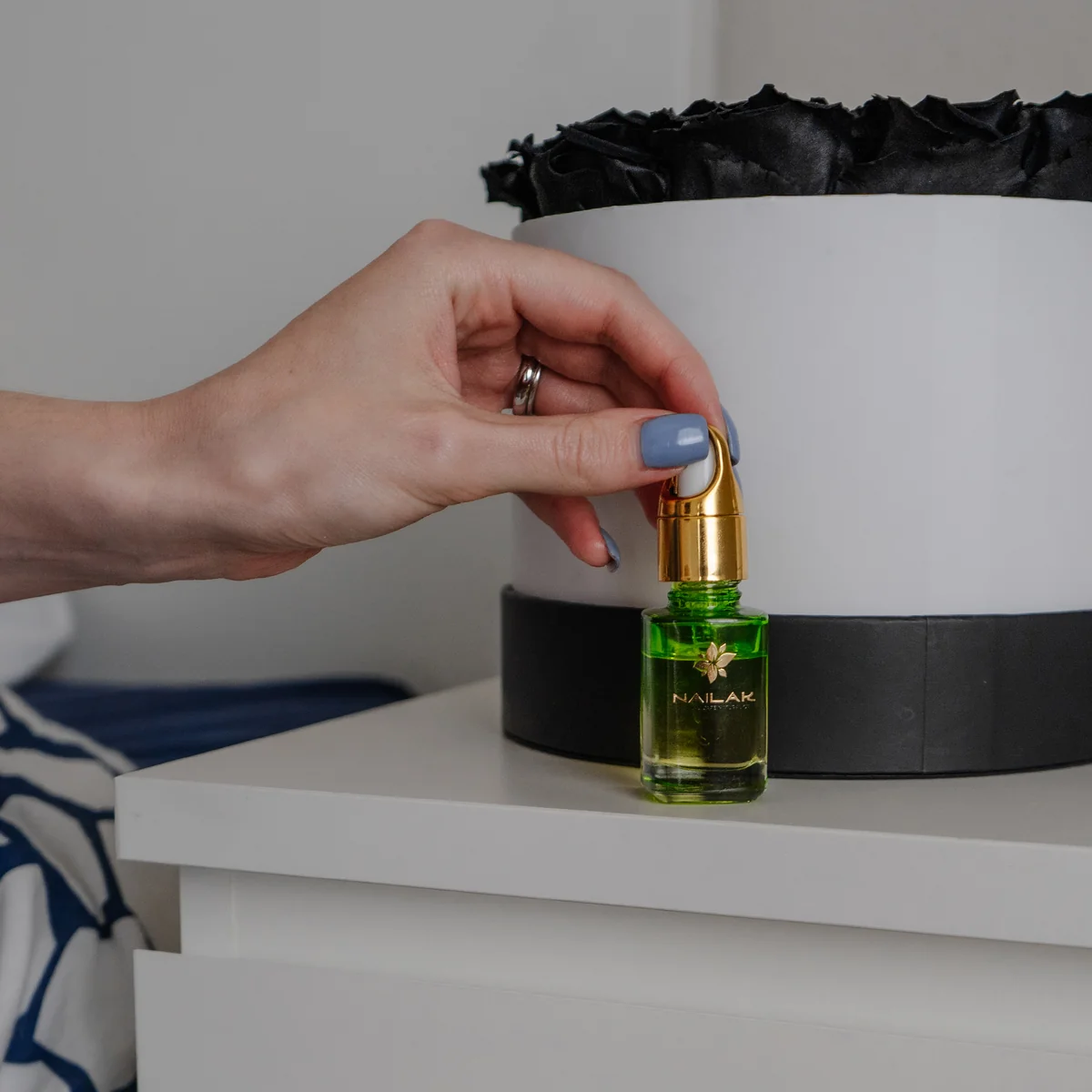
Your daily nail-strength plan
Think of this as a gentle routine that compounds. It takes minutes, not hours.
The 5-step everyday routine
- Wash, then seal: After cleansing, apply hand cream. Follow with 1–2 drops of cuticle oil, massaged into nails and skin.
- Shape smart: Once weekly, file in one direction into a “squoval” shape to reduce corner stress.
- Base protection: Use a nourishing base coat with reinforcing fibers or keratin-like ingredients two to three times a week.
- Polish with intention: If you polish, choose breathable or conditioning formulas. Cap the free edge to prevent water seep.
- Night repair: Before bed, add cuticle oil again. You can almost feel the smoothness by morning.
Product cues to look for
- Oils with jojoba, squalane, or sweet almond: These mimic skin’s natural lipids.
- Hand creams with glycerin, shea butter, and ceramides: They draw in and lock moisture.
- Strengtheners without formaldehyde: Look for nylon, dimethyl urea, or calcium-inspired blends.
Use gloves like they’re skincare
- Dish gloves for kitchen tasks.
- Cotton-lined cleaning gloves for chores.
- Thin nitrile gloves for color-heavy projects or gardening.
It’s the simplest, most protective habit. Think of gloves as SPF for your nails.
In beauty circles, seasonal “favorites” roundups often spotlight barrier-repair heroes—rich hand creams, conditioning removers, and skin-loving oils. These lists reflect a larger trend: gentle formulas that protect as much as they polish. It’s a reminder that healthy nails are part of an overall care ecosystem, not a quick fix. (source: https://thebeautylookbook.com/2026/02/january-beauty-favorites.html)
Salon treatments, done right
You can absolutely enjoy gel, dip, or acrylics without wrecking your nails. The key is technique and timing.
Gel polish
- Pros: Long wear, glossy finish, chip resistance.
- Risks: Over-curing and rough prep can thin the nail; improper removal peels layers.
Make it safer:
- Ask for minimal e-file work on the natural nail.
- Ensure thin, even layers with proper curing times.
- Prioritize soak-off removal: file the topcoat, wrap with acetone-soaked pads, and wait. Never peel.
Dip powder
- Pros: Durability, quick service, many shades.
- Risks: Aggressive buffing and thick layers can stress nails.
Make it safer:
- Ask the tech to apply thinner layers.
- Choose single-use portions or clean tools for hygiene.
- Insist on gentle soak-off removal.
Acrylic enhancements
- Pros: Strong shape control, length possibilities.
- Risks: Heavier prep and fills can strain the nail bed.
Make it safer:
- Take short breaks between sets to let nails rehydrate.
- Keep length practical to avoid leverage damage.
- Oil daily around the enhancements to support surrounding skin.
Red flags at the salon:
- Burning, heat spikes, or strong fumes.
- Rough, prolonged drilling on the natural nail.
- Pressure to peel or “pop off” product.
Green flags:
- Sterile, clean tools.
- Techs who explain each step and respect your comfort.
- Time built in for proper removal and aftercare.
Seasonal care and travel hacks
Environmental shifts change how nails behave. Adjust with the weather.
Winter: dry air, brittle edges
- Turn down water temperature and add a humidifier at home.
- Layer glycerin-based hand cream under a thicker balm before bed.
- Keep a pocket oil to use after sanitizer. It takes five seconds.
Summer: sun, pool, and salt
- Chlorine and salt pull moisture out. Rinse hands after swimming.
- Reapply a breathable top coat before beach days to seal edges.
- Choose lighter oils during humidity to avoid slick residue.
Travel-proof your nail care
- Pack minis: remover pads, a glass file with case, mini oil, tiny hand cream.
- Pre-trip trim to a practical length; shorter nails flex less under stress.
- Opt for a clear strengthener manicure before flights. Air is dry, and a sealed edge helps.
Micro-emergencies:
- A snag: Use the glass file to smooth in one direction.
- A split corner: Patch with a tiny bit of tea bag fiber and clear coat until you can repair properly.
- Over-dry nails: Massage oil, then a rich cream, then wear cotton gloves for 10 minutes.
Mindful beauty: patience and progress
Strengthening nails is a quiet practice. It’s not dramatic. It’s choosing gloves before a sink full of dishes. It’s massaging oil into your cuticles while watching a show. It’s deciding not to pry open the mailer with your thumbnail. Small, consistent acts teach your nails to trust you again.
Let’s be honest—what you’re after isn’t just length. It’s ease. Confidence when you zip a dress, pack for a weekend, or clasp a necklace. Healthy nails feel like balance: flexible, neat, and nicely yours. When you ask, “Why do my nails break easily?” the honest answer is rarely one thing. But the solution is delightfully simple: steady, kind care that respects both your biology and your life.
Strong nails don’t happen overnight, but they do happen. Day by day, oil by oil, file by file. You can almost feel the difference already.
Frequently Asked Questions (FAQ)
Q: Why do my nails break easily even when I use polish? A: Many polishes protect the surface but don’t address dehydration. If you use drying removers, skip oil, or wash hands frequently without rehydrating, nails still become brittle. Try sealing in moisture with oil and a nourishing base coat, and cap the free edge.
Q: What vitamin helps with brittle nails? A: Protein, iron, zinc, and omega-3s matter most. Biotin may help some people but isn’t universal. Focus on balanced meals and hydration first. Speak with a clinician before starting supplements.
Q: Are nail strengtheners safe to use daily? A: Choose non-formaldehyde formulas with nylon fibers or keratin-like ingredients. Apply two to three times weekly, not daily, and remove and reapply weekly to prevent buildup. Always pair with oil to keep nails flexible.
Q: How can I stop peeling at the tips? A: File in one direction, switch to a gentler remover, and cap edges with base and top coat. Wear gloves for chores and add nightly oil. Peeling usually improves within 4–6 weeks of consistent care.
Q: Do gel manicures always damage nails? A: Not inherently. Damage usually comes from harsh prep or peeling off the gel. Ensure thin layers, proper curing, and patient soak-off removal. Taking short breaks and oiling daily helps maintain nail health.
Estimated word count: 1960